Pico Laser: What It Treats, How It Works, and What to Expect
The picosecond laser has become the go-to for stubborn pigment and dark spots. Here's the real science, the honest results, and the nightly habit that makes any treatment last.
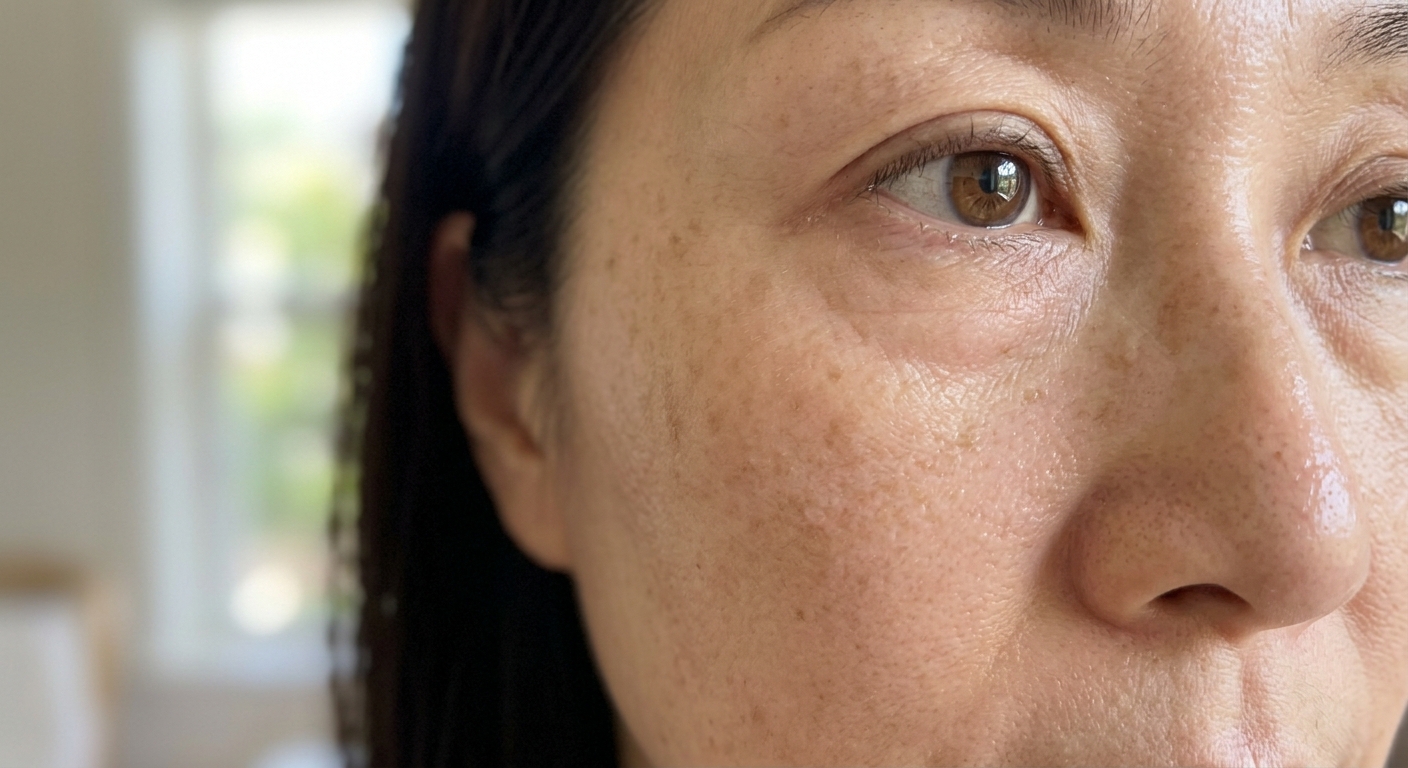
You have tried the serums. You have worn the sunscreen. And still, the brown patches across your cheeks and the scattered dark spots from decades of summers refuse to fade. For women over 40 dealing with stubborn pigment, the picosecond laser — usually shortened to “pico laser” — is one of the most heavily marketed solutions in the aesthetics world. PicoSure, PicoWay, and similar devices promise to erase what creams cannot.
Some of that promise is earned. Some of it is overstated, and the difference matters a great deal when you are about to spend a few thousand dollars. Here is how pico lasers actually work, what the clinical trials genuinely show, and why the most important part of the process happens at home.
What a Pico Laser Is
The name refers to speed. A picosecond is one trillionth of a second, and that is roughly how long each laser pulse lasts. Older pigment lasers — the Q-switched devices — fired in nanosecond pulses, a thousand times longer. That extra duration meant they relied more on heat to break down pigment, which raised the risk of burns and, paradoxically, of triggering more pigment in the process.
The pico laser’s signature is that it is fast enough to work mechanically rather than thermally. Instead of cooking pigment, it shatters it.
How It Clears Pigment
Imagine the difference between melting an ice cube with a hairdryer and tapping it with a tiny hammer so quickly the surrounding water never warms. That second image is closer to what a picosecond pulse does to a cluster of melanin.
Some of it is overstated, and the difference matters a great deal when you are about to spend a few thousand dollars.
The ultra-short burst of energy is absorbed by the pigment so rapidly that it generates a photoacoustic shockwave — a pressure effect that fractures the melanin into dust-fine particles. Those particles are small enough for your immune system to carry away naturally over the following weeks. Because the energy is delivered too fast to spread as heat, the surrounding skin is largely spared, which is what makes the picosecond approach gentler than its predecessors on paper.
What the Studies Actually Show
This is where honesty matters, because pigment — especially melasma — is notoriously stubborn, and no laser “erases” it.
In a randomized, controlled, assessor-blinded trial, a picosecond Nd:YAG laser produced a 35.9% improvement in melasma severity by week 24, outperforming both a picosecond alexandrite laser and 2% hydroquinone cream [1]. A separate study of a low-fluence 730-nm picosecond laser found that melasma severity scores dropped by about 33.7% after an average of roughly three and a half sessions, with no cases of new lightening or darkening — a reassuring safety signal [2]. And a 2025 systematic review and meta-analysis confirmed that laser therapy produces statistically and clinically significant improvement in melasma overall, while underscoring how variable individual responses can be [3].
Read those numbers carefully. A roughly one-third improvement is meaningful and visible — but it is not erasure, and it took multiple sessions to achieve. For discrete sun spots and freckled sun damage, results tend to be more dramatic than for melasma, which is driven by hormones and heat and tends to return.
What It Treats Well — and Where to Be Cautious
Pico lasers are genuinely strong on solar lentigines (the classic age and sun spots), freckles, certain tattoo inks, and overall dullness and tone. They also stimulate a modest amount of collagen as a bonus, which can soften fine texture.
Keeping skin clear afterward is a maintenance job — and maintenance happens in your nightly routine, not in the treatment chair.
Melasma is the asterisk. It can respond, as the studies show, but it is a chronic condition that flares with sun and hormonal shifts, so it almost always comes back without disciplined maintenance. Anyone with a deeper skin tone should also choose their provider carefully, since aggressive settings can provoke the very pigment problem they came to fix.
The Realities Before You Book
A course of pico laser typically means three to six sessions, each often several hundred dollars, spaced weeks apart. Downtime is usually mild — redness, a temporary darkening of the spots as they break up, and light flaking — but it is not zero. And critically, the laser addresses the pigment that already exists. It does nothing to stop your skin from making more, which it will continue to do every time you step into the sun or your hormones shift.
The Daily Work a Laser Can’t Do
This is the gap that quietly determines whether your investment holds. A laser is a one-time demolition of existing pigment. Keeping skin clear afterward is a maintenance job — and maintenance happens in your nightly routine, not in the treatment chair.
Two habits do the heavy lifting. The first is non-negotiable daily sunscreen, because UV exposure is the single biggest driver of both new spots and melasma relapse. The second is an ingredient that keeps skin cells turning over so pigment is shed before it can settle and cluster. Retinol is the most evidence-backed option here: it accelerates cell renewal and, in controlled studies, measurably improves the tone and quality of naturally aged skin at the molecular level [4]. That faster turnover is exactly what prevents fresh pigment from digging in between laser sessions.
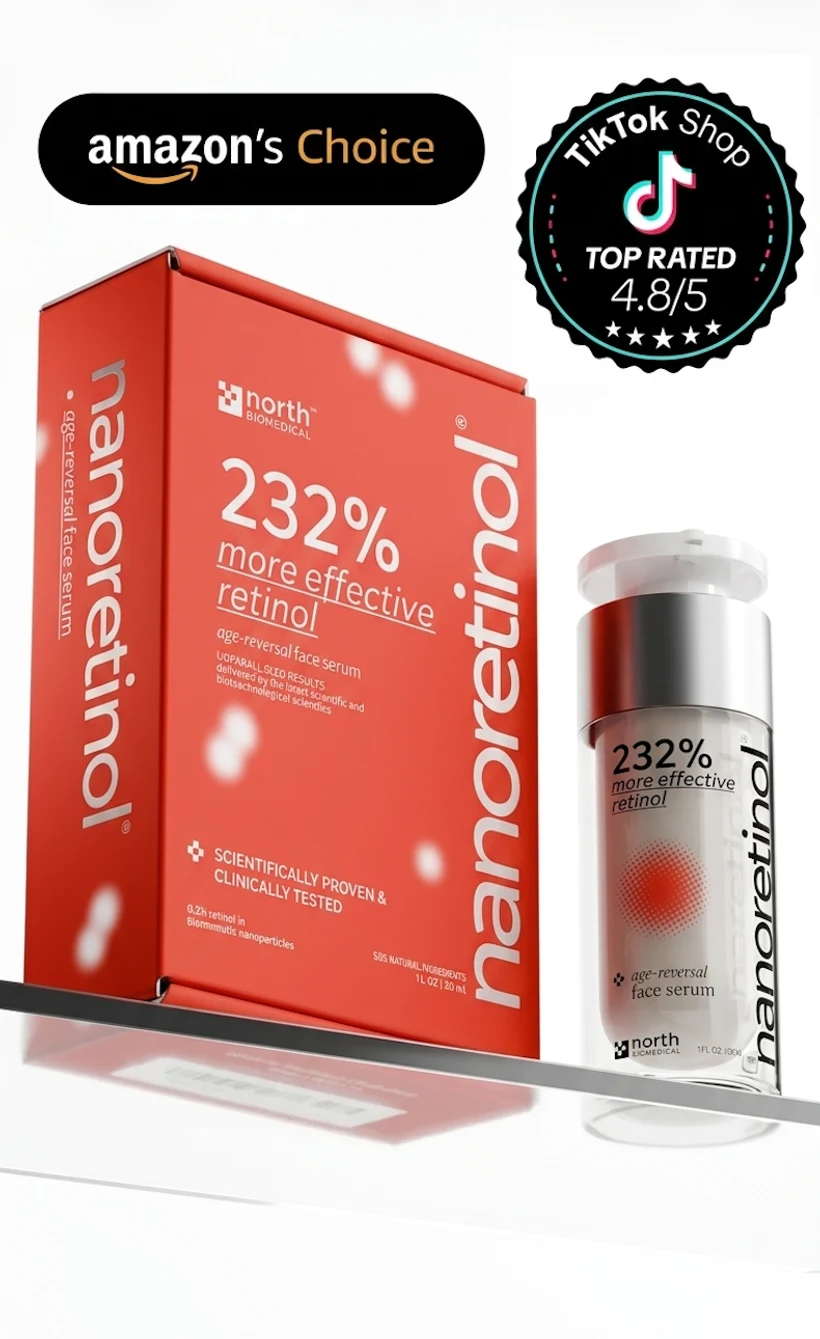
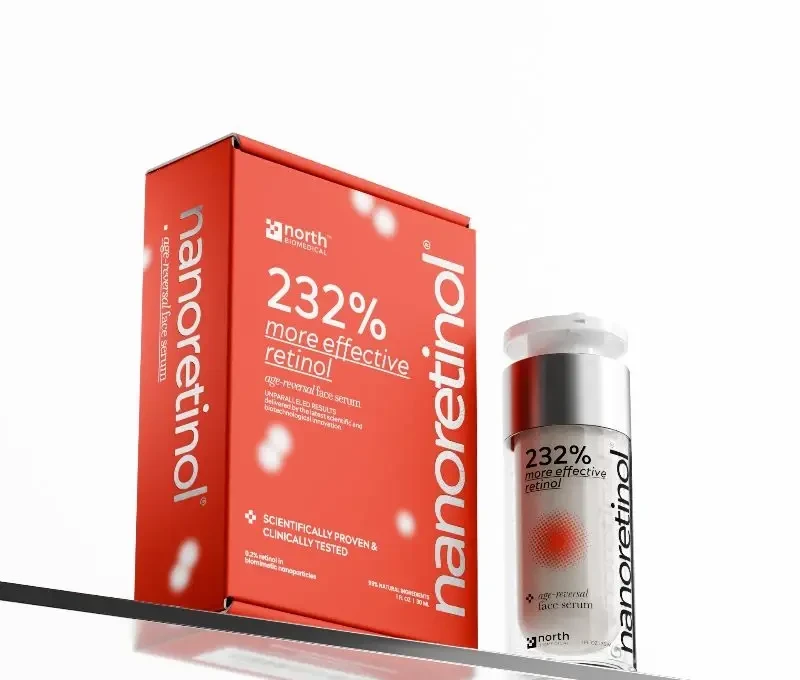
The historic problem with retinol has been that conventional formulas irritate the skin and barely penetrate — and irritation itself can worsen pigmentation, which is the last thing you want. Nanoretinol was built to sidestep that. It carries a stabilized 0.2% retinol inside biomimetic lipid nanoparticles that pass through the skin barrier by being recognized as “self,” delivering the active deep into the skin without the chemical disruption that triggers redness and rebound pigment. Because the delivery is gentle, it is realistic to use consistently — and consistency is the entire game with pigment.
A serum will not shatter a decade-old sun spot the way a picosecond pulse can. But it is what protects the result and slows the next spot from forming. For a fuller picture, see our guides to melasma treatment, how to fade hyperpigmentation on the face, and using retinol for dark spots.
Is a Pico Laser Worth It?
For well-defined sun spots and sun damage, a pico laser is one of the most effective tools available and often worth it. For melasma, temper expectations: a meaningful but partial improvement that demands lifelong maintenance. Either way, the laser is the dramatic opening act, not the whole show. What keeps your skin clear is the unglamorous nightly work — sunscreen and a retinol your skin can actually tolerate — long after the redness fades.
References
- Liang S, Shang S, Zhang W, Tan A, Zhou B, Mei X, Li L. “Comparison of the efficacy and safety of picosecond Nd:YAG laser (1,064 nm), picosecond alexandrite laser (755 nm) and 2% hydroquinone cream in the treatment of melasma: A randomized, controlled, assessor-blinded trial.” Frontiers in Medicine. 2023;10:1132823. doi:10.3389/fmed.2023.1132823
- Han R, Sun Y, Su M. “Efficacy and Safety of Low-Fluence 730-nm Picosecond Laser in the Treatment of Melasma in Chinese Patients.” Dermatologic Surgery. 2025;51(2):166-170. doi:10.1097/dss.0000000000004393
- Chehrara M, Tabavar A, Roohaninasab M, Jafary P, Mohammad AP, Mozafarpoor S, Alavi Rad E, Goodarzi A. “The Efficacy of Laser Therapy in Melasma Treatment: A Systematic Review and Meta-Analysis.” Journal of Cosmetic Dermatology. 2025;24(12):e70602. doi:10.1111/jocd.70602
- Kafi R, Kwak HS, Schumacher WE, Cho S, Hanft VN, Hamilton TA, King AL, Neal JD, Varani J, Fisher GJ, Voorhees JJ, Kang S. “Improvement of naturally aged skin with vitamin A (retinol).” Archives of Dermatology. 2007;143(5):606-612. doi:10.1001/archderm.143.5.606