Rice Face Mask: What Rice Really Does for Dull Skin, and How to Use It Well
Rice flour, rice water, fermented rice and rice bran are not the same ingredient. Here is what each one does in a mask, what the studies measured, and how to fit a rice mask into a brightening routine
Rice has a long history in East Asian beauty routines, and the rice face mask is its most popular modern form. Shops sell rice wash-off masks, rice sleeping masks and rice sheet masks, while home recipes mix rice flour with water, milk or honey. Most promise the same thing: brighter, smoother, more even skin.
The trouble is that “rice” on a label can mean four different ingredients with different effects. This guide separates them, explains what the research measured, and shows how to use a rice mask so that its glow is worth the effort.
Four kinds of rice in a mask
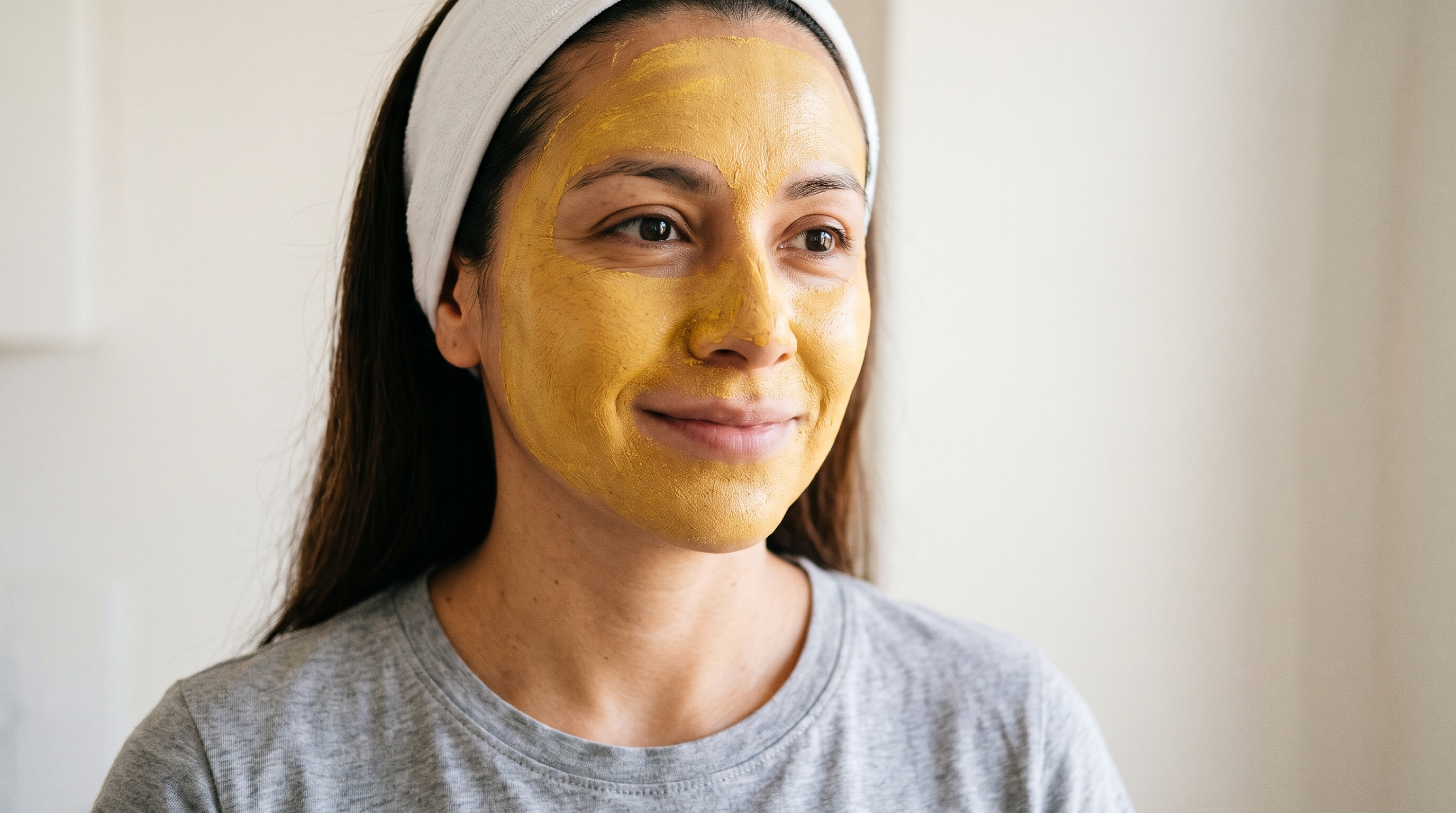
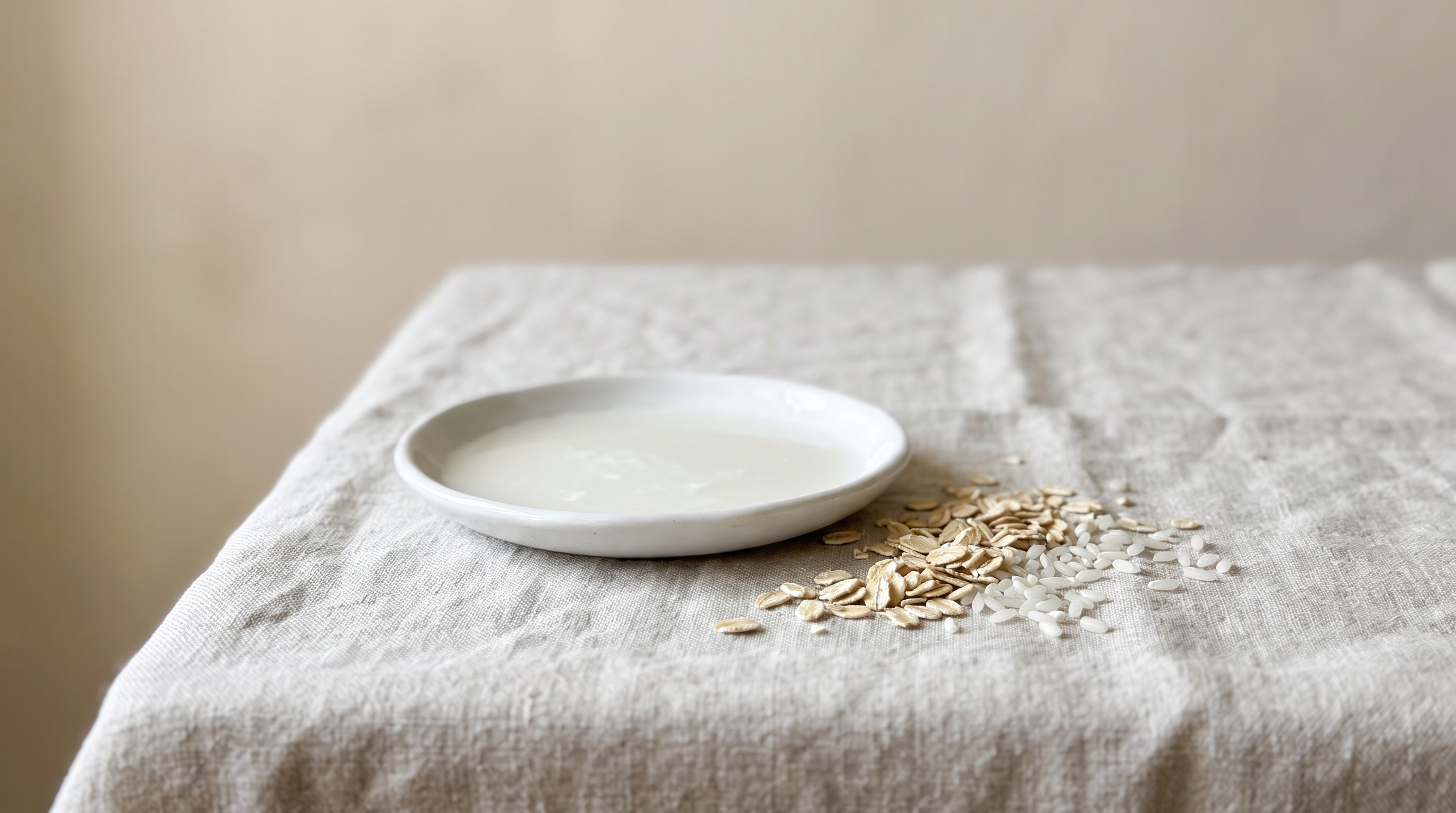
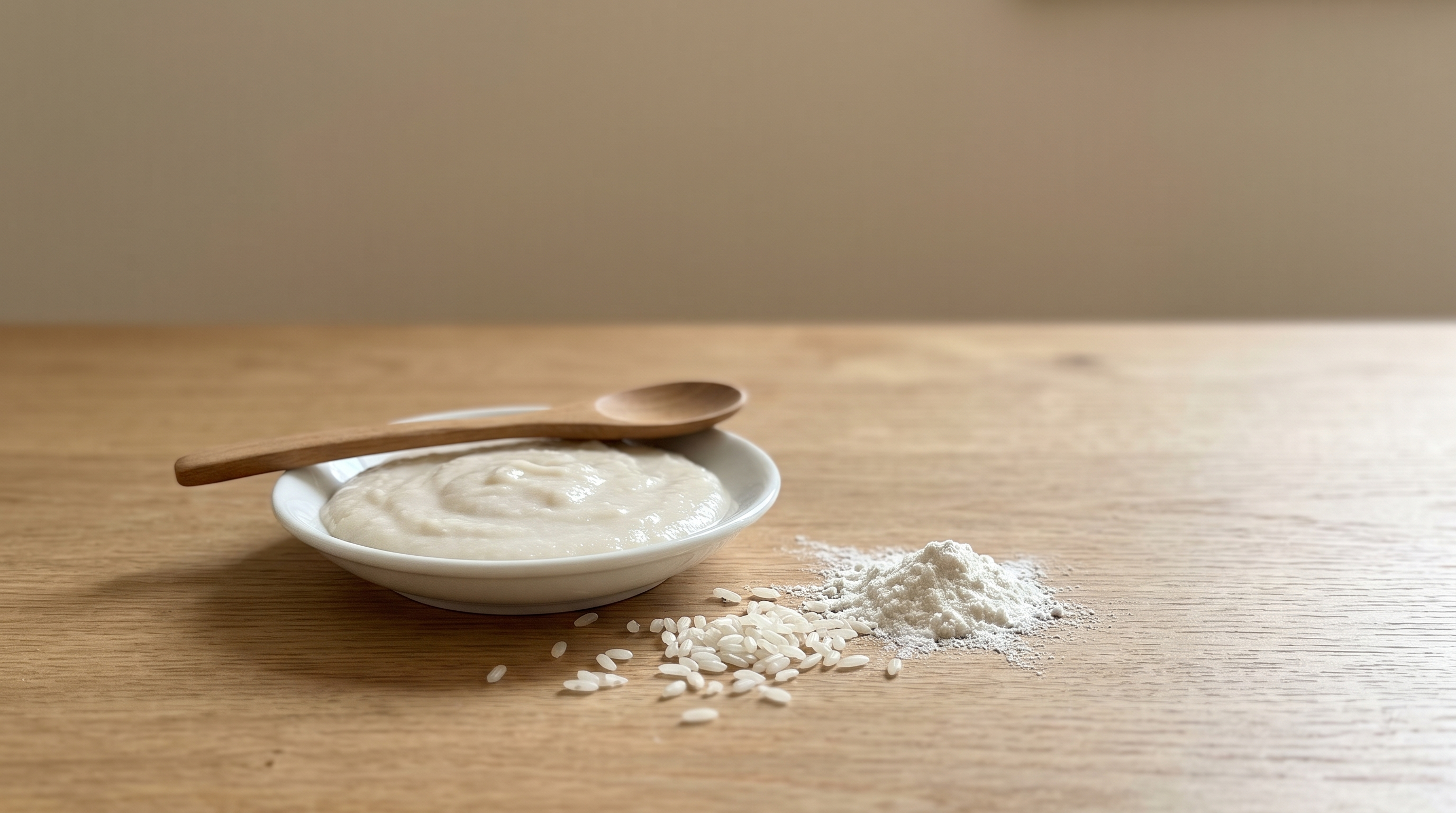
Rice flour. Finely ground rice is mostly starch. Mixed into a paste, it acts as a soft physical polish: as you massage it in or wipe it off, it lifts loose surface flakes. That is the main reason skin looks smoother straight after a rice flour mask.
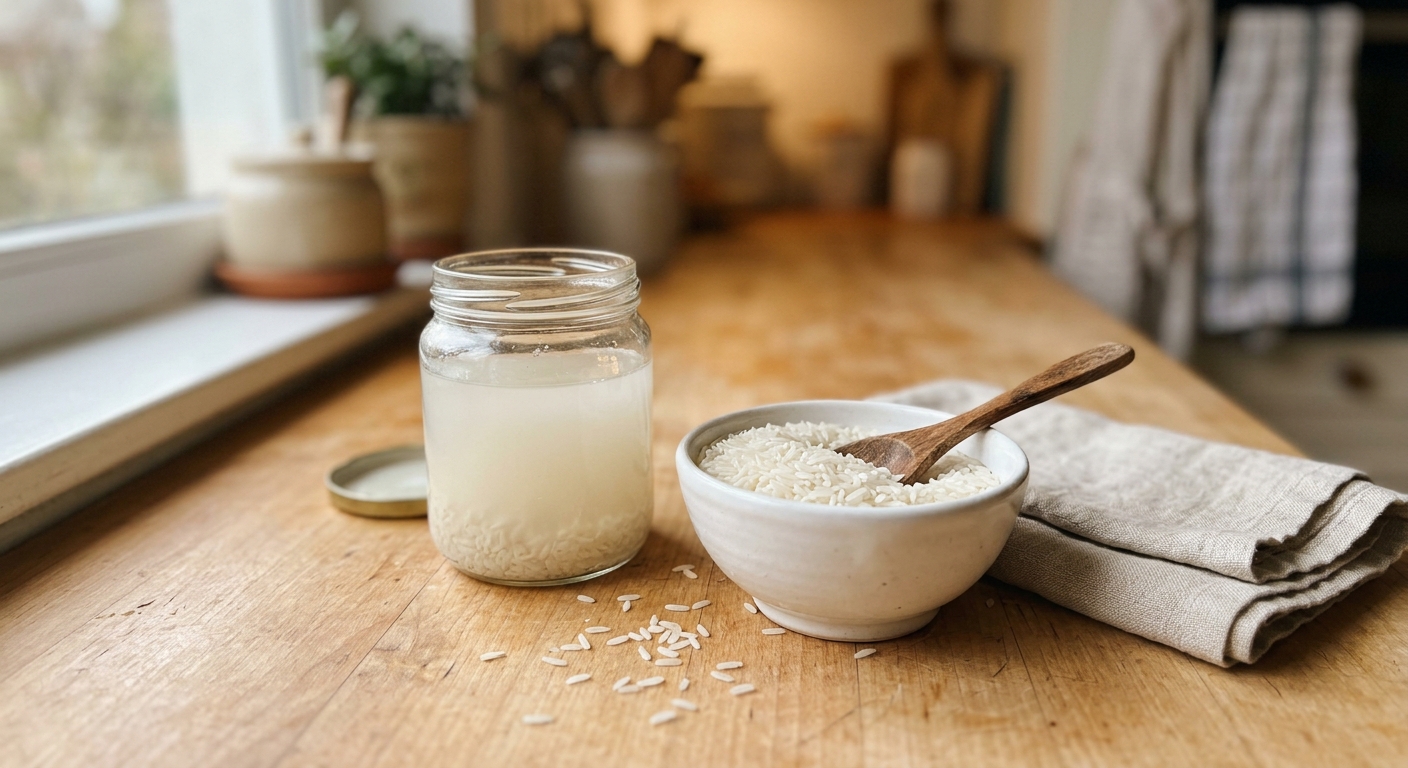
Rice water. The cloudy water left after soaking or cooking rice carries dissolved starch and small amounts of the grain’s nutrients. Our guide to rice water for skin covers its use as a toner.
Fermented rice water. Leaving rice water to ferment changes its acidity and breaks some of its components into smaller molecules. Commercial ferments are made under controlled conditions. Home versions are not, and they can grow unwanted bacteria and moulds, so they are a poor idea for skin that is already irritated.
Rice bran extract. The bran is the brown outer layer removed when white rice is polished. It is rich in antioxidants such as ferulic acid and gamma-oryzanol, along with phytic acid and plant oils [2]. This is the most researched form of rice for skin, and it appears mainly in bought masks and creams.
Your skin barrier healed about 20% better when irritated forearms soaked in rice starch water than when they did not.
What the research measured
Rice starch and the skin barrier. In a Belgian study, volunteers’ forearm skin was first irritated with a harsh detergent. Soaking it in water with added rice starch twice a day for 15 minutes improved its healing by about 20% [1]. The same benefit appeared in people with atopic skin [1].
Your skin barrier healed about 20% better when irritated forearms soaked in rice starch water than when they did not.
That supports rice starch as a gentle, soothing addition to water. It does not show that a rice paste brightens tone.
Rice bran in a cream. Researchers in Thailand packed rice bran compounds into tiny carrier vesicles and added them to a gel and a cream. In 30 volunteers, the formulas improved skin hydration, lightness, thickness, roughness and elasticity, and caused no irritation in a patch test on animal skin [2]. This was a leave-on product with an advanced delivery system, not a flour mask.
Ferulic acid. One of the best-known compounds in rice bran is ferulic acid, an antioxidant that helps neutralize the free radicals produced by UV exposure and is often combined with vitamins C and E to stabilize them [3]. It adds genuine value to a leave-on serum. In a wash-off mask, contact time is too short for much of it to stay in the skin.
Fermented rice bran. In laboratory work, rice bran fermented for 14 days with the mould used to make sake raised collagen production in skin cells and increased collagen and elastin in the skin of mice [4]. These are early findings in cells and animals, not proof that a fermented rice mask firms human skin.
Your skin needs 24 weeks of a leave-on retinol to show measurable collagen gains, far longer than the 15 minutes a rice mask stays on.
What a rice mask can and cannot do
Put together, the evidence explains the glow people notice. A rice flour mask polishes off dull surface flakes, its starch soothes and softens, and its water briefly plumps the outer layer. The skin reflects light more evenly for a day or two.
What a rice mask does not do is change the pigment that causes dark spots or the collagen loss that causes fine lines. Those sit below the surface and respond to ingredients that stay on the skin for weeks.
Your skin needs 24 weeks of a leave-on retinol to show measurable collagen gains, far longer than the 15 minutes a rice mask stays on.
How to make and use a rice face mask
- Mix two tablespoons of fine rice flour with enough cool water or plain rice water to make a smooth paste.
- Add a teaspoon of honey if your skin is dry. It makes the paste easier to spread and adds a humectant.
- Skip lemon juice, baking soda and home-fermented rice water. They can irritate, and citrus on skin can react with sunlight.
- Apply to clean, damp skin for 10 minutes, avoiding the eyes.
- Wet your fingertips and massage very lightly for 30 seconds before rinsing. Do not scrub: the flour does the work.
- Rinse with lukewarm water and moisturize.
- Use it once a week. A rice flour mask is a physical exfoliant, and our guide on how often to exfoliate your face explains why more is rarely better.
If you prefer a bought mask, check where rice sits on the ingredient list and what else is in it. Rice bran extract or rice ferment near the top is a better sign than a trace of rice and a long list of fragrance. Sheet masks with rice extracts work mainly through hydration, which our guide to sheet masks explains.
Why skin looks dull in the first place
Dullness is usually a mix of three things: a build-up of old surface cells, dehydration, and uneven pigment from years of sun. A rice mask helps with the first two for a short while. Our guide to dull skin covers all three causes and what fixes each one.
Where rice stops and retinol starts
A rice mask brightens the surface for a day or two. Lasting change in tone and texture comes from speeding up cell renewal and rebuilding collagen beneath the surface, and that is the job of a retinoid. In a controlled trial in older adults, a 0.4% retinol lotion applied up to three times a week for 24 weeks reduced fine wrinkling and increased collagen production compared with the same lotion without retinol [5].
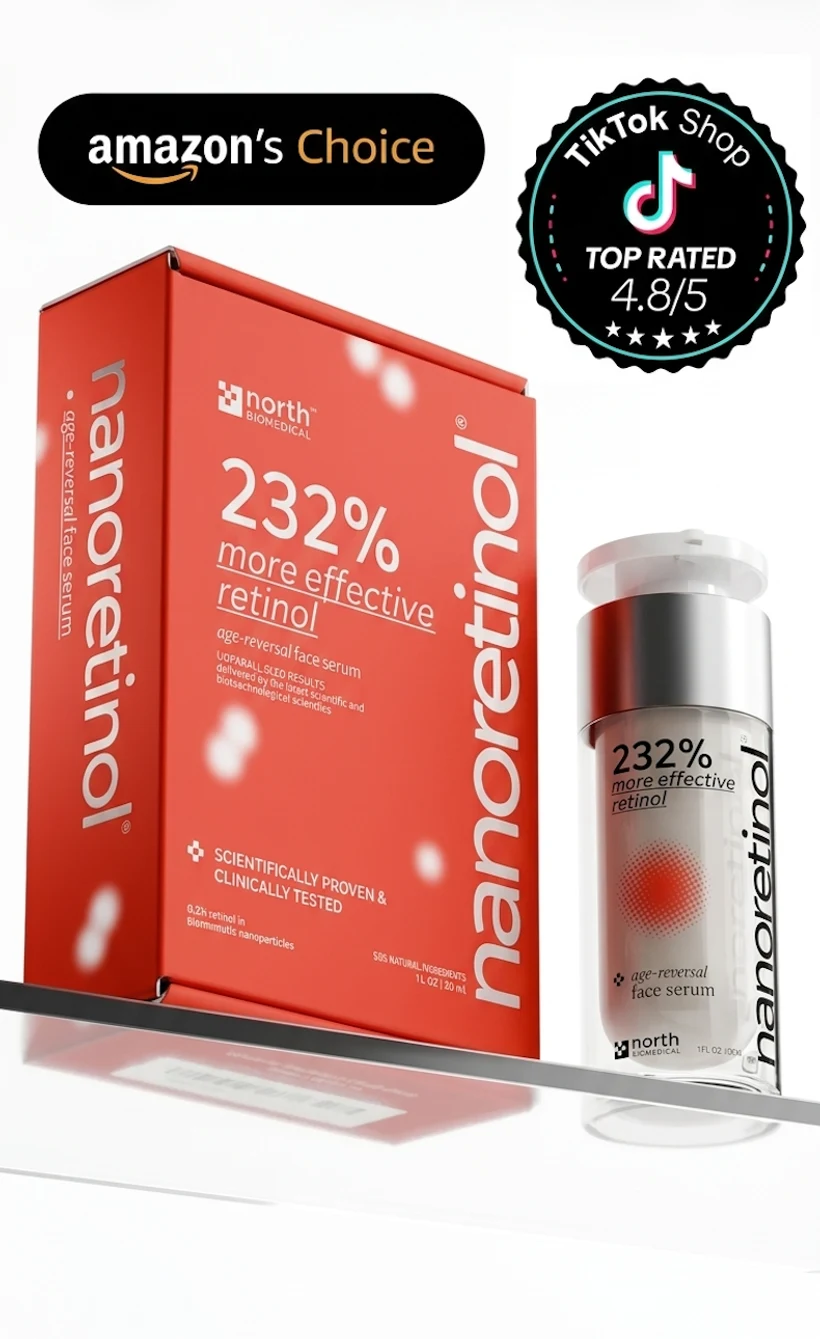
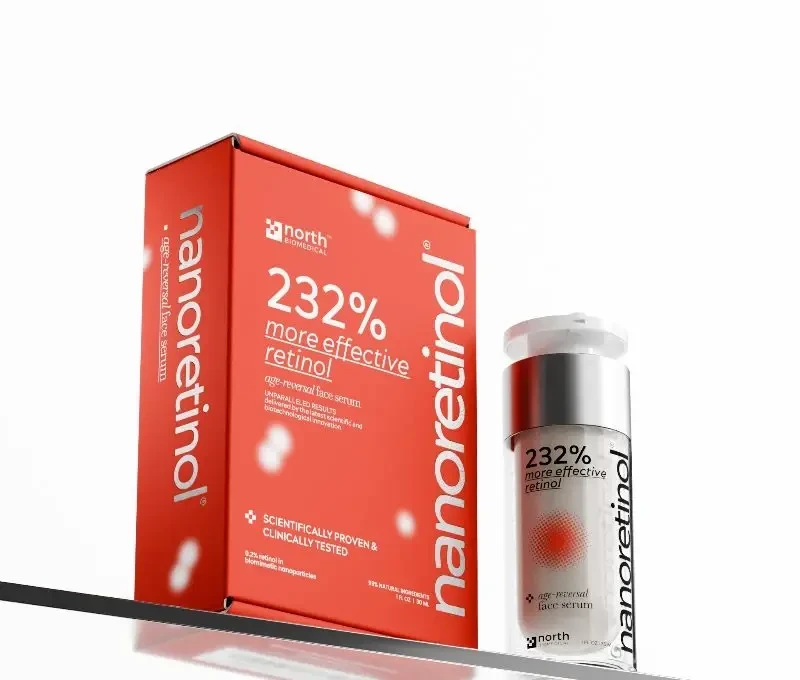
Many people give up retinol because conventional formulas leave skin red, dry and flaking. Nanoretinol was designed to avoid that. It is a light, water-based gel that carries 0.2% retinol inside biomimetic lipid nanoparticles, which the skin recognizes as its own, so the retinol passes through the barrier without damaging it. In North Biomedical’s study, it was 232% more effective in collagen recovery and 73% more effective in elastin recovery than conventional retinol, and users saw a 61% increase in skin firmness and a 56% increase in skin elasticity after 56 days [6].
The two fit together easily. Keep the rice mask for one evening a week, skip Nanoretinol that night, apply it on the other nights, and wear broad-spectrum sunscreen each morning.
References
- De Paepe K, Hachem JP, Vanpee E, Roseeuw D, Rogiers V. “Effect of rice starch as a bath additive on the barrier function of healthy but SLS-damaged skin and skin of atopic patients.” Acta Dermato-Venereologica. 2002;82(3):184-186. doi:10.1080/00015550260132460
- Manosroi A, Chutoprapat R, Abe M, Manosroi W, Manosroi J. “Anti-aging efficacy of topical formulations containing niosomes entrapped with rice bran bioactive compounds.” Pharmaceutical Biology. 2012;50(2):208-224. doi:10.3109/13880209.2011.596206
- Zduńska K, Dana A, Kolodziejczak A, Rotsztejn H. “Antioxidant properties of ferulic acid and its possible application.” Skin Pharmacology and Physiology. 2018;31(6):332-336. doi:10.1159/000491755
- Yan X, Yang M, Cai X, Shen Y, Jiang R, Huang R, et al. “Fermented rice bran extract delays skin aging by increasing the synthesis of collagen and elastin.” Frontiers in Pharmacology. 2025;16:1692491. doi:10.3389/fphar.2025.1692491
- Kafi R, Kwak HS, Schumacher WE, Cho S, Hanft VN, Hamilton TA, et al. “Improvement of naturally aged skin with vitamin A (retinol).” Archives of Dermatology. 2007;143(5):606-612. doi:10.1001/archderm.143.5.606
- North Biomedical LLC. “Nanoretinol vs. Conventional Retinol: Efficacy in Collagen and Elastin Recovery.” Clinical Study Summary, 2024. Study summary