Milk Toner: What It Is, Who It Suits and How to Use It With Retinol
Milky toners are made for skin that feels tight after cleansing. Here is what makes them different from watery toners and essences, and when they are worth adding
Toners used to mean one thing: a sharp, alcohol-heavy liquid that left skin squeaky and tight. Milk toners are close to the opposite. They look like thin milk, feel soft on the skin, and are designed to put back some of the comfort that cleansing takes away.
The name refers to the texture, not to dairy. Most milk toners contain no milk at all. This guide explains what makes a toner milky, what the evidence says about the ingredients inside them, how they compare with watery toners and essences, and why they can be especially useful if you use retinol.
What makes a toner milky
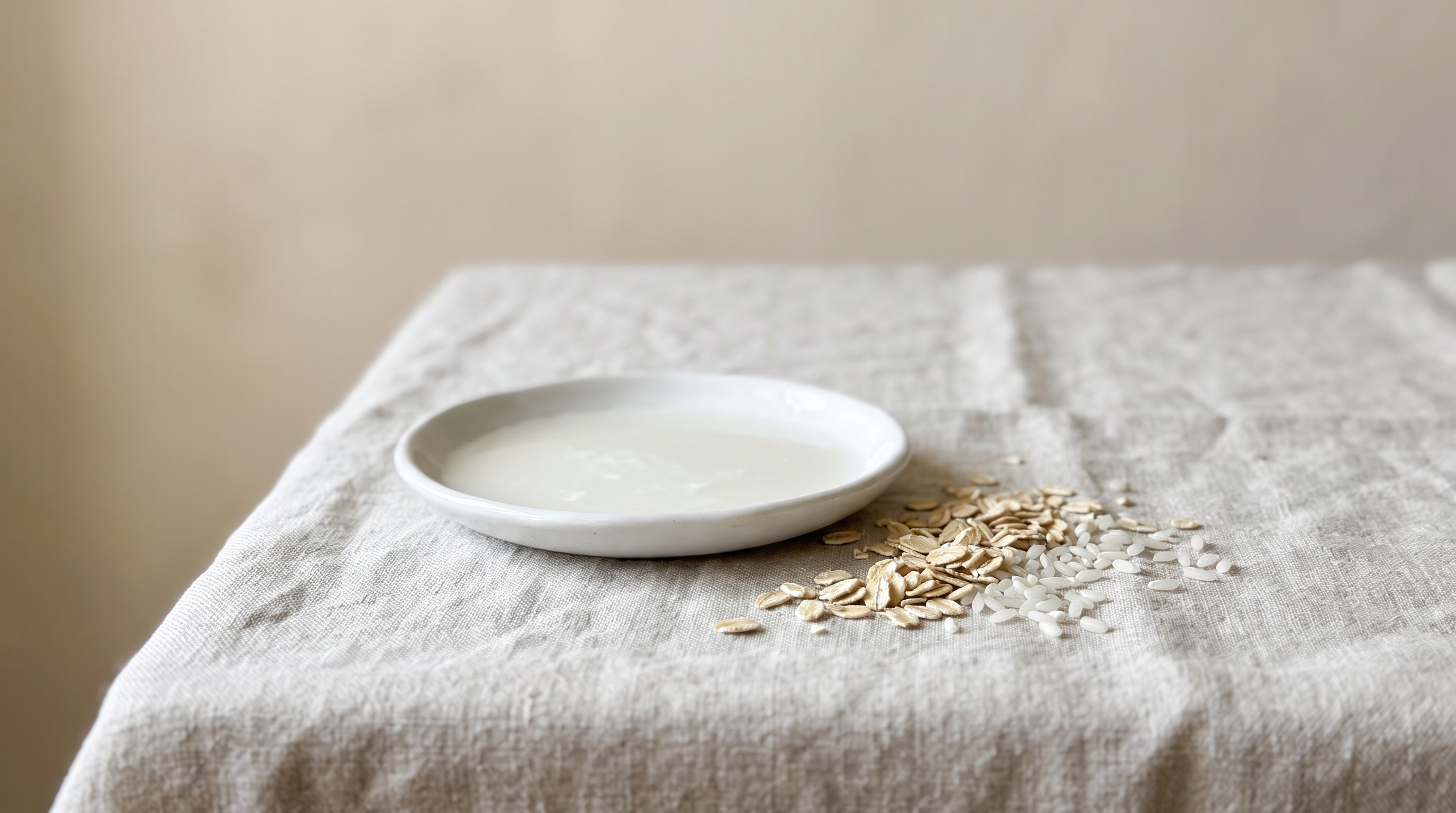
A clear toner is almost all water with some dissolved ingredients. A milk toner is a very light emulsion: tiny droplets of oil or other lipids dispersed through water and held in place by emulsifiers. Those droplets scatter light, which is what gives the liquid its white, milky look.
The lipid phase is the point of the product. Common ingredients include:
- Barrier lipids such as ceramides, cholesterol, fatty acids and squalane.
- Plant extracts such as oat, rice or soy, which add soothing or film-forming compounds.
- Humectants such as glycerin, panthenol or hyaluronic acid, which pull water into the outer layer of skin.
Why lipids matter for dry and sensitive skin
The outer layer of your skin works like a brick wall. The bricks are flattened dead cells, and the mortar between them is a carefully arranged mix of fats.
Your skin holds its barrier together with a mortar of ceramides, cholesterol and fatty acids, so a toner that carries some of those fats does more than plain water.
Your skin holds its barrier together with a mortar of ceramides, cholesterol and fatty acids, so a toner that carries some of those fats does more than plain water.
Ceramides are the main lipid in those layers and play an essential role in keeping water in. Most conditions with a weakened barrier show lower total ceramide levels, and formulas that supply skin-identical lipids in the right balance can help disturbed skin recover [1]. Glycerin, the most common humectant in milk toners, improves hydration, barrier function and the skin’s resistance to irritants [2].
Oat is one of the better-studied soothing ingredients. In laboratory tests, colloidal oatmeal extracts reduced inflammatory signals, and in a clinical study of 29 women with dry, itchy skin on their lower legs, an oat lotion significantly improved dryness, scaling, roughness and itch [3].
There is one honest caveat. Moisturizers are not all equal, and some formulas can make dry skin worse. A review of emollients for barrier disorders notes that emulsifiers can weaken the barrier, while ingredients such as petrolatum and ceramide-dominant lipid mixtures help repair it [4]. A good milk toner is simple, lightly emulsified and built around barrier lipids and humectants rather than a long list of extras.
Milk toner, hydrating toner or essence?
These three steps overlap, and the names are used loosely by brands. As a rule of thumb:
- Hydrating toner: watery, clear and mostly humectants. It adds water but little lipid. Our guide to hydrating toner explains how that watery step holds moisture.
- Milk toner: a thin emulsion with both humectants and lipids. It hydrates and leaves a light, soft film, which suits dry, tight or sensitive skin.
- Essence: usually a slightly thicker, more concentrated water-based treatment, often with ferments or actives.
If your skin is oily and you dislike any film, a clear hydrating toner is the better fit. If your skin feels tight within minutes of washing, a milk toner is the more useful choice. For a wider look at what toners can and cannot do for older skin, see our guide to the best toner for aging skin.
Your skin is most likely to sting and peel in the first 2 to 4 weeks of retinol use, which is when a cushioning milk toner earns its place more than at any other time.
What to look for, and what to avoid
Look for:
- Ceramides, cholesterol or squalane near the top half of the ingredient list
- Glycerin or panthenol for hydration
- Oat or other soothing extracts if your skin reacts easily
- A fragrance-free formula
Avoid or approach with care:
- Denatured alcohol high on the list. It evaporates quickly and works against the point of a milky toner.
- Added fragrance and essential oils. Fragrance ingredients are a common cause of contact allergy, and a leave-on product used twice a day gives them plenty of contact time.
- Hidden exfoliants. Some milky products also contain acids. That is not wrong, but it changes the product from a soothing step into an exfoliating one, which matters if you also use retinol.
Why milk toners pair well with retinol
Retinoids are among the best-studied topical ingredients for collagen loss, fine lines and uneven texture, but conventional retinol formulas have a well-known downside. Redness, dryness, itching and stinging are common in the early phase of retinoid treatment, and how bad they get depends partly on the vehicle, your skin type and whether you use a moisturizer [5].
Your skin is most likely to sting and peel in the first 2 to 4 weeks of retinol use, which is when a cushioning milk toner earns its place more than at any other time.
The research on barrier support during retinoid use is encouraging. In a split-face study, people using tretinoin cream every day who added a moisturizer containing a ceramide precursor to one side of the face had milder irritation and preferred that side [6]. In a double-blind study of acne patients using an adapalene and benzoyl peroxide gel, those given a ceramide cleanser and lotion kept water loss significantly lower at every visit and had less dryness, redness and scaling than those given a basic face wash [7].
A milk toner is not a substitute for a proper moisturizer, but it is an easy way to add hydration and barrier lipids in the same step. Our guide to skin barrier repair covers the rest of the routine if your skin is already irritated.
How to use a milk toner
- Cleanse gently, then pat your face until it is just damp.
- Apply the toner with clean hands, pressing it in rather than wiping it with cotton.
- Use a second layer on very dry days. Thin layers absorb better than one heavy one.
- At night, apply your retinol once the toner has absorbed, then finish with moisturizer.
- In the morning, follow with sunscreen.
A gentler way to get the benefits of retinol
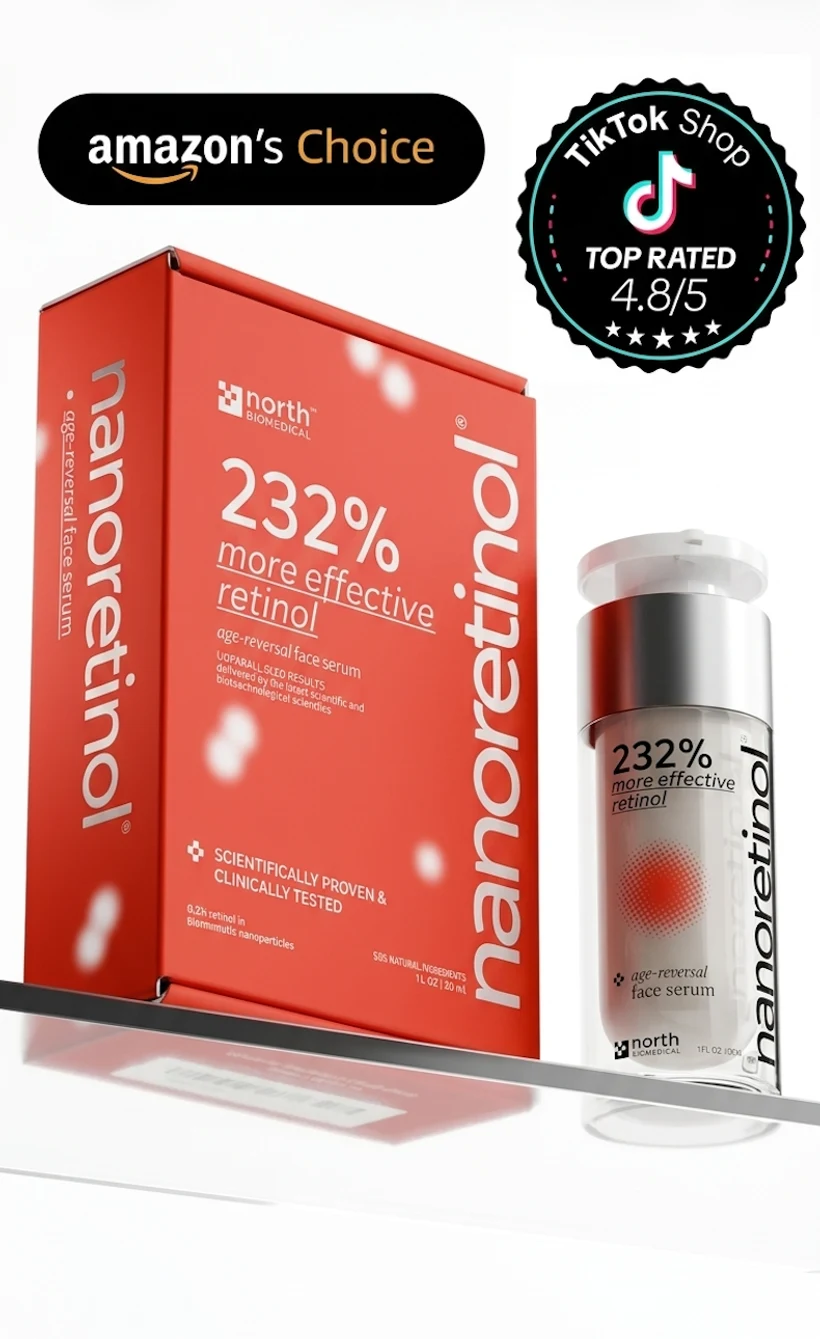
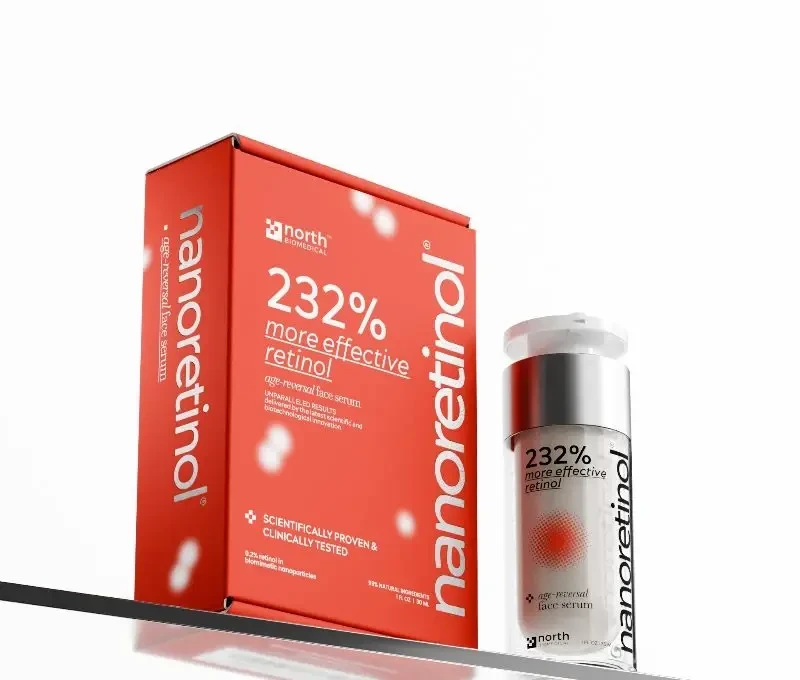
A milk toner can soften the edges of retinol irritation, but it works best when the retinol itself is not damaging the barrier to begin with. That was the thinking behind Nanoretinol.
Instead of relying on harsh penetration enhancers that break down the skin’s lipid layers, Nanoretinol delivers 0.2% retinol inside biomimetic lipid nanoparticles that the skin recognizes as its own. As the particles release their retinol, skin cells absorb the phospholipids from their membranes, nourishing the skin without a greasy residue. It is significantly gentler on skin cells than conventional retinol, and in North Biomedical’s study it was 232% more effective in collagen recovery and 73% more effective in elastin recovery [8]. Its light, water-based gel layers easily over a milk toner and suits sensitive skin. If your skin has reacted to retinol before, our guide to retinol for sensitive skin explains how to restart.
A milk toner first, Nanoretinol next, then a moisturizer at night is a simple routine for anyone whose skin is dry, sensitive or new to retinol.
References
- Coderch L, López O, de la Maza A, Parra JL. “Ceramides and skin function.” American Journal of Clinical Dermatology. 2003;4(2):107-129. doi:10.2165/00128071-200304020-00004
- Fluhr JW, Darlenski R, Surber C. “Glycerol and the skin: holistic approach to its origin and functions.” British Journal of Dermatology. 2008;159(1):23-34. doi:10.1111/j.1365-2133.2008.08643.x
- Reynertson KA, Garay M, Nebus J, Chon S, Kaur S, Mahmood K, Kizoulis M, Southall MD. “Anti-inflammatory activities of colloidal oatmeal (Avena sativa) contribute to the effectiveness of oats in treatment of itch associated with dry, irritated skin.” Journal of Drugs in Dermatology. 2015;14(1):43-48. PubMed:25607907
- Lodén M. “Role of topical emollients and moisturizers in the treatment of dry skin barrier disorders.” American Journal of Clinical Dermatology. 2003;4(11):771-788. doi:10.2165/00128071-200304110-00005
- Thielitz A, Gollnick H. “Topical retinoids in acne vulgaris: update on efficacy and safety.” American Journal of Clinical Dermatology. 2008;9(6):369-381. doi:10.2165/0128071-200809060-00003
- Schorr ES, Sidou F, Kerrouche N. “Adjunctive use of a facial moisturizer SPF 30 containing ceramide precursor improves tolerability of topical tretinoin 0.05%: a randomized, investigator-blinded, split-face study.” Journal of Drugs in Dermatology. 2012;11(9):1104-1107. PubMed:23135655
- Draelos ZD, Baalbaki N, Colon G, Dreno B. “Ceramide-Containing Adjunctive Skin Care for Skin Barrier Restoration During Acne Vulgaris Treatment.” Journal of Drugs in Dermatology. 2023;22(6):554-558. doi:10.36849/JDD.7142
- North Biomedical LLC. “Nanoretinol vs. Conventional Retinol: Efficacy in Collagen and Elastin Recovery.” Clinical Study Summary, 2024. Study summary