Salicylic Acid Pads: How They Clear Pores, Which Strength to Pick and How to Use Them
A pre-soaked pad is one of the easiest ways to get salicylic acid into your pores. Here is what the trials show, how pads differ from toners and how to use them without overdoing it
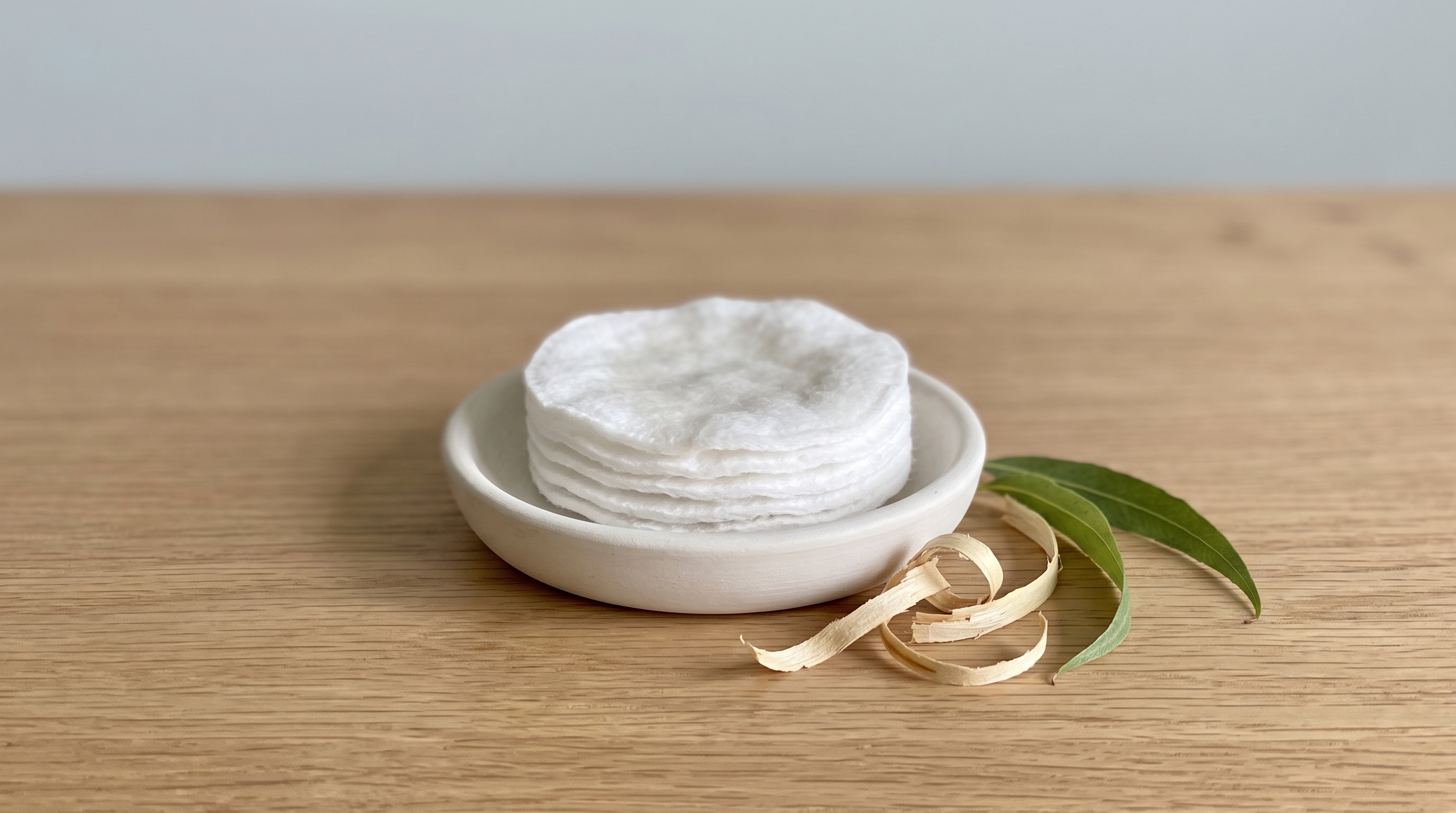
Salicylic acid pads are small cotton or fabric rounds soaked in a salicylic acid solution, sold in a tub so you can swipe one over your face and move on. They are one of the oldest over-the-counter acne formats, and for blackheads, whiteheads and oily skin they remain one of the most convenient ways to use the ingredient.
Convenience also makes them easy to overuse. This guide explains how salicylic acid works in the pore, what the pad trials found, how to pick a strength, how pads compare with toners, and how to fit them into a routine that also includes retinol.
How salicylic acid works in the pore
Salicylic acid is a beta hydroxy acid, and its key property is that it dissolves in oil. That lets it move into the sebum that fills a pore, where water-based acids struggle to reach. Once there, it loosens the bonds between the dead skin cells that pack together into a plug, which is why dermatologists describe it as comedolytic: it breaks up blackheads and whiteheads and helps prevent new ones [1].
It does more than exfoliate. In laboratory work on human oil-gland cells, salicylic acid reduced oil production and dampened an inflammatory pathway, and in an animal acne model it lowered inflammatory signals around lesions [2]. Those are early-stage findings, but they help explain why salicylic acid suits oily, congested skin so well.
Your skin often shows fewer blackheads within 4 weeks of regular pad use, which is sooner than most people expect.
What the trials show for pads
The best evidence for pads comes from the period when they were first developed as acne products. A review of four clinical studies and a laboratory pore-clearing test found that pads with 0.5% and 2% salicylic acid reduced the number of blackheads and whiteheads, and with them the number and severity of all acne lesions, in three placebo-controlled studies [3]. In comparative studies, salicylic acid was better than benzoyl peroxide at reducing total lesion counts, and side effects were generally limited to mild local irritation in a minority of users [3].
Your skin often shows fewer blackheads within 4 weeks of regular pad use, which is sooner than most people expect.
A separate four-week crossover trial in 30 people compared a 2% salicylic acid cleanser with a 10% benzoyl peroxide wash. Only the salicylic acid cleanser significantly reduced comedones, and people who switched from salicylic acid to benzoyl peroxide got worse during the second half [4].
It is fair to say the evidence is old, and much of it was funded by manufacturers. A review of over-the-counter acne products noted that many lack rigorous independent trials [5]. Even so, salicylic acid is one of the better-supported options on the shelf for comedonal acne.
Which strength to choose
Over-the-counter acne pads usually contain between 0.5% and 2% salicylic acid [5].
- 0.5% to 1%: a good starting point for sensitive, dry or combination skin, or for daily use.
- 2%: the highest strength sold without a prescription and the usual choice for oily skin, frequent blackheads or body breakouts.
Strength is not everything. The rest of the formula matters too. Pads high in alcohol feel refreshing but can dry and sting, while pads with soothing ingredients such as glycerin, panthenol or allantoin are easier to use often. If you also use a separate exfoliating acid, our comparison of AHA vs BHA explains how the two families differ and when to use each.
Pads vs toner
A salicylic acid pad and a salicylic acid toner can contain the same acid at the same strength, but they behave differently.
Your skin will tolerate a pad 3 nights a week far better than twice-daily swipes, especially in the first 2 weeks.
- Dose: a pad delivers a fairly consistent amount each time. With a toner, how much you pour onto a cotton round varies.
- Friction: a pad adds a gentle physical scrub. Textured pads add more, which helps with rough, oily skin but can irritate thin or sensitive skin. Smooth pads are kinder.
- Convenience: pads travel well and suit chest and back breakouts, where pouring a toner is awkward.
- Waste and cost: toners usually work out cheaper per use and produce less waste.
If you are deciding between pad formats more broadly, including acid blends and hydrating pads, our guide to toner pads covers the wider category.
How to use salicylic acid pads
- Start slowly. Use a pad three nights a week for the first two weeks, then build up to once a day if your skin is comfortable.
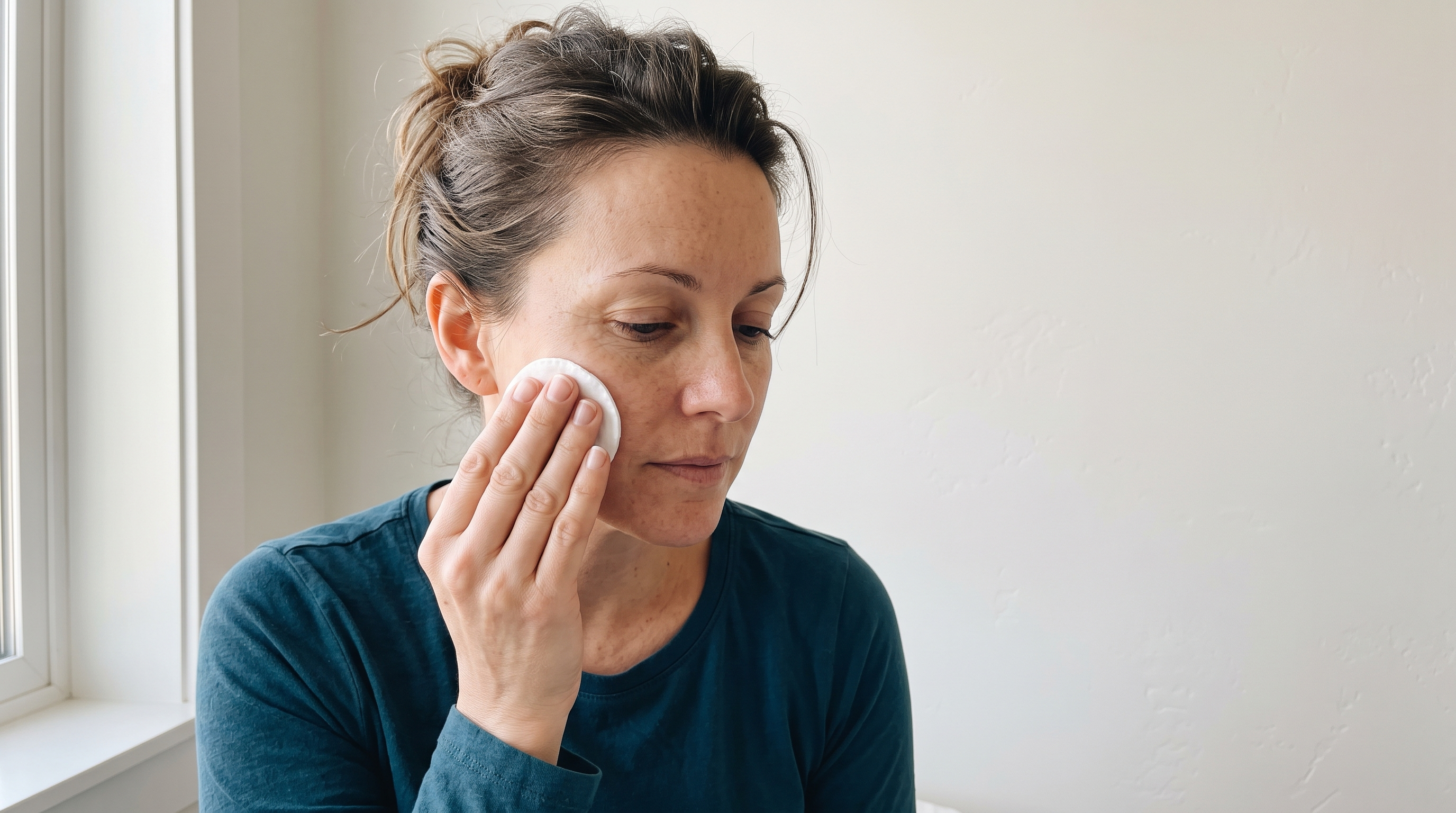
- Swipe once, gently. Wipe the pad over clean, dry skin in one pass, focusing on the nose, chin and forehead. Scrubbing back and forth adds friction without adding benefit.
- Leave it on. Most pads are meant to stay on the skin. Wait a minute or two, then follow with a light moisturizer.
- Do not stack exfoliants. Avoid using a pad on the same night as a strong acid peel, a scrub or a retinoid until you know how your skin reacts.
- Wear sunscreen. Freshly exfoliated skin is easier to irritate in the sun.
- Know when to stop. Burning, flaking or tightness that lasts more than a day means you should cut back.
Your skin will tolerate a pad 3 nights a week far better than twice-daily swipes, especially in the first 2 weeks.
Check with a doctor before using salicylic acid if you are pregnant, allergic to aspirin, or planning to cover large areas of the body, because salicylic acid can be absorbed through the skin in larger amounts when used widely [1]. Our guide to clogged pores also explains when persistent congestion needs more than an over-the-counter product.
Clear pores, then firmer skin
Salicylic acid pads are good at one job: keeping pores clear. They do not rebuild collagen, smooth fine lines or restore the firmness that adult skin gradually loses. Many people who use pads in their 30s and 40s are dealing with both congestion and the first signs of aging, and pads only address half of that.
Retinoids cover both. Acne experts recommend them as a mainstay of acne care because they clear the microscopic pore blockages that start every spot and help keep skin clear over time [6], and retinol is also one of the best-studied ingredients for collagen and fine lines. The problem is that many conventional retinol formulas break down the skin’s lipid barrier to deliver retinol, which is a poor match for skin already exfoliated by acid pads.
Nanoretinol takes a different approach. Its 0.2% stabilized retinol is carried in biomimetic lipid nanoparticles that the skin recognizes as its own, so it crosses the barrier without damaging it, in a light, water-based gel suited to oily, combination and sensitive skin. In North Biomedical’s study summary, Nanoretinol was 232% more effective in collagen recovery and 73% more effective in elastin recovery than conventional retinol, and after 56 days of use, skin firmness rose by 61% and elasticity by 56% [7].
A workable routine is a salicylic acid pad on two or three evenings a week and Nanoretinol on the other evenings, with moisturizer every night and sunscreen every morning. Do not combine Nanoretinol with another retinoid, and see a dermatologist if your breakouts are deep, painful or scarring.
References
- Arif T. “Salicylic acid as a peeling agent: a comprehensive review.” Clinical, Cosmetic and Investigational Dermatology. 2015;8:455-461. doi:10.2147/CCID.S84765
- Lu J, Cong T, Wen X, Li X, Du D, He G, Jiang X. “Salicylic acid treats acne vulgaris by suppressing AMPK/SREBP1 pathway in sebocytes.” Experimental Dermatology. 2019;28(7):786-794. doi:10.1111/exd.13934
- Zander E, Weisman S. “Treatment of acne vulgaris with salicylic acid pads.” Clinical Therapeutics. 1992;14(2):247-253. PubMed:1535287
- Shalita AR. “Comparison of a salicylic acid cleanser and a benzoyl peroxide wash in the treatment of acne vulgaris.” Clinical Therapeutics. 1989;11(2):264-267. PubMed:2525420
- Decker A, Graber EM. “Over-the-counter acne treatments: a review.” Journal of Clinical and Aesthetic Dermatology. 2012;5(5):32-40. PubMed:22808307
- Leyden J, Stein-Gold L, Weiss J. “Why topical retinoids are mainstay of therapy for acne.” Dermatology and Therapy. 2017;7(3):293-304. doi:10.1007/s13555-017-0185-2
- North Biomedical LLC. “Nanoretinol vs. Conventional Retinol: Efficacy in Collagen and Elastin Recovery.” Clinical Study Summary, 2024. Study summary