Squalane Moisturizer: Why This Skin-Identical Oil Works Better in a Cream
Squalane mimics a lipid your skin makes less of with age. Here is what a squalane moisturizer actually does, how to read the rest of the formula, and how it fits a retinol routine
Squalane has quietly moved from a niche face oil to one of the most common ingredients on moisturizer labels. The appeal is easy to understand: it feels light, it rarely irritates, and it is described as “skin-identical”. What is less obvious is why it often does more for dry, aging skin inside a well-built cream than it does as a few drops of oil on its own.
To see why, it helps to start with the oil your own skin makes.
The oil your skin already makes
The surface of your skin is coated with a thin film of lipids. Part of that film comes from the cells of the outer skin layer, which supply ceramides, cholesterol and fatty acids, the mortar between the skin’s bricks. The rest comes from your oil glands as sebum, which is made mostly of triglycerides, wax esters and a lipid called squalene [1].
Squalene is the main polyunsaturated lipid on the skin surface, and it works as both a softening emollient and an antioxidant [2]. It is also found in olive oil, rice bran oil and, most abundantly, shark liver oil, which is where its name comes from [2].
Why that oil runs low after 40
Sebum output does not stay constant. In women, sebaceous secretion falls gradually after menopause [3]. A study of 100 postmenopausal women found that the rate at which sebum reached the skin surface declined significantly over the first decade after menopause in women not taking hormone therapy, although the variation from person to person was large [4].
Your skin can lose a noticeable share of its surface oil within 10 years after menopause, which is why a once-oily face can start feeling tight.
Your skin can lose a noticeable share of its surface oil within 10 years after menopause, which is why a once-oily face can start feeling tight.
Less surface lipid means a rougher, tighter feel, more flaking around the nose and cheeks, and skin that reacts more easily to cleansers and actives. Our guide to squalane oil for skin covers the ingredient itself in more depth. Here, the question is what happens when you put it in a moisturizer.
Squalane versus squalene
Squalene has six double bonds in its structure, which is what makes it a useful antioxidant in living skin but also makes it oxidize quickly in a bottle. Squalane is the hydrogenated version, with those double bonds saturated. That small change makes it stable, odorless and long-lasting on the shelf, which is why squalane rather than squalene appears on most ingredient lists.
Squalane was once sourced mainly from shark liver. Today most cosmetic squalane comes from olives or fermented sugarcane, and many brands state the source on the label. If that matters to you, look for “plant-derived” or a vegan claim.
Why a cream can outperform the oil alone
Squalane is an emollient: it fills the gaps between rough surface cells and slows water loss. What it cannot do on its own is pull water into the skin. That job belongs to humectants.
A good moisturizer combines three types of ingredients [5]:
- Humectants such as glycerin and hyaluronic acid, which draw water into the outer skin layer.
- Emollients such as squalane, which smooth and soften.
- Occlusives such as petrolatum, shea butter or dimethicone, which form a light seal that keeps water in.
Your skin needs at least 12 weeks of steady retinol use to show visible change, and a soothing moisturizer makes those weeks easier to get through.
Glycerin is the workhorse here. It improves skin hydration, barrier function and the skin’s mechanical properties, and it helps protect against irritation [6]. A squalane moisturizer built on glycerin gives you water and oil in one step, which is why it can leave dry skin more comfortable than squalane oil alone.
The rest of the formula matters too. Moisturizers differ widely, and some excipients such as certain emulsifiers can weaken the barrier while others repair it [5]. That is why the full ingredient list deserves as much attention as the word “squalane” on the front. Our guide to hyaluronic acid moisturizers explains how humectants and seals work together in more detail.
How to choose a squalane moisturizer
- Squalane in the first third of the ingredient list. If it appears near the end, it is there for marketing rather than function.
- A humectant partner. Glycerin, hyaluronic acid or panthenol should sit near the top.
- Barrier lipids for very dry skin. Ceramides, cholesterol and fatty acids complement squalane by refilling the mortar between cells.
- No added fragrance. Fragrance is a common cause of irritation and adds nothing to hydration.
- Texture that matches your skin. Oily and combination skin usually prefer a gel-cream; dry and mature skin can take a richer cream with a light occlusive.
Squalane suits most skin types because it is lightweight and is not known for clogging pores. If you have very oily, breakout-prone skin, start with a gel texture and watch for congestion over the first few weeks.
Where it fits in a retinol routine
The best case for a squalane moisturizer may be as the buffer in a retinoid routine. Retinoids are the best-studied topical ingredients for reversing signs of aging, but irritation such as burning, scaling and dermatitis limits how many people stick with them, although retinol is considerably less irritating than stronger prescription retinoids [7]. A comfortable, fragrance-free moisturizer applied after retinol softens dryness and makes it easier to stay consistent long enough to see results.
Your skin needs at least 12 weeks of steady retinol use to show visible change, and a soothing moisturizer makes those weeks easier to get through.
A simple evening order: cleanse, apply retinol to dry skin, wait a few minutes, then smooth on a squalane moisturizer. On nights your skin feels tight, apply the moisturizer first and the retinol over it. Our guide to retinol and the skin barrier explains why a calm barrier makes retinol work better, and our skin barrier repair guide covers what to do if your skin is already irritated.
The retinol that does not need rescuing
A squalane moisturizer softens retinol’s side effects, but it cannot fix the underlying cause. Many conventional retinol products rely on solvents that loosen the skin’s lipid barrier to force retinol in, which is the same barrier you are trying to replenish. Researchers have noted that nanoparticle delivery can improve the stability and tolerability of retinoids [7].
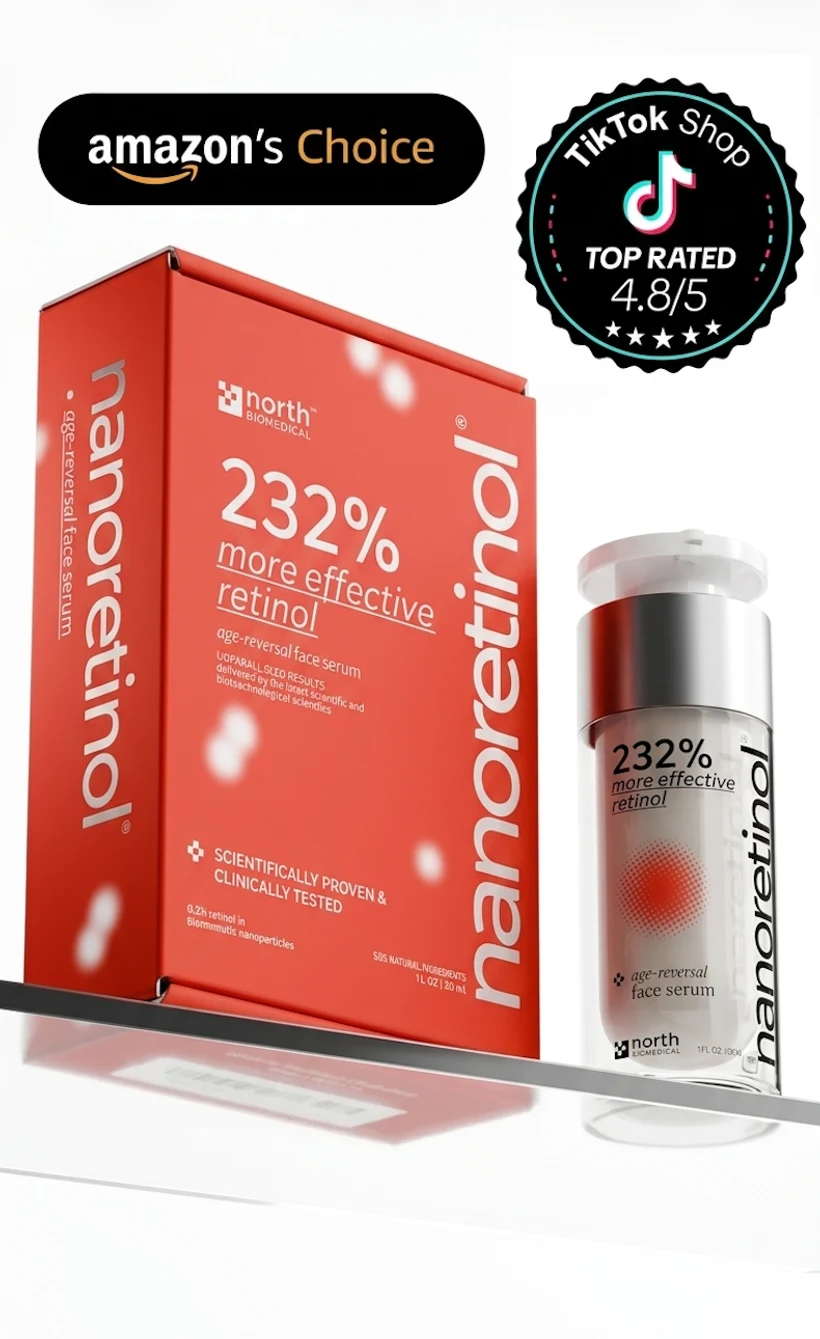
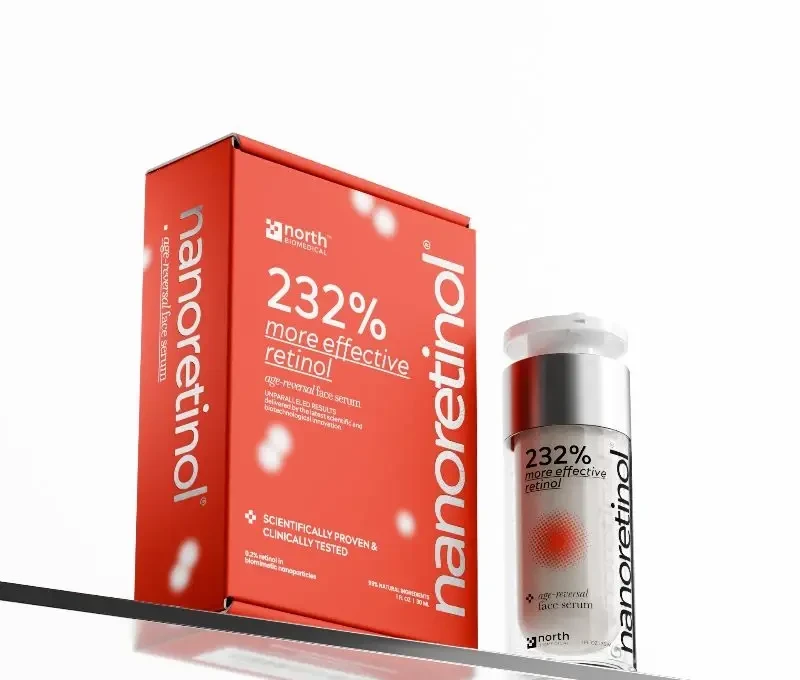
Nanoretinol is built on that idea. Its 0.2% retinol is held inside biomimetic lipid nanoparticles that the skin recognizes as its own, so the retinol passes through without breaking the barrier down, and skin cells absorb the phospholipids from the particle shells as the retinol is released. It is water-based and suitable for sensitive skin. In North Biomedical’s study, Nanoretinol was 232% more effective in collagen recovery and 73% more effective in elastin recovery than conventional retinol, and clinical side effects were minimal and milder than those of conventional retinol [8].
Comfort first, then results
A squalane moisturizer will not rebuild collagen or erase lines, and it does not need to. Its job is to replace surface oil your skin makes less of with age, keep water in, and make the active steps of your routine easier to tolerate. Choose one with a humectant partner, no fragrance and a texture you enjoy, and let a gentle retinol do the structural work at night.
References
- Pappas A. “Epidermal surface lipids.” Dermato-Endocrinology. 2009;1(2):72-76. doi:10.4161/derm.1.2.7811
- Huang ZR, Lin YK, Fang JY. “Biological and pharmacological activities of squalene and related compounds: potential uses in cosmetic dermatology.” Molecules. 2009;14(1):540-554. doi:10.3390/molecules14010540
- Pochi PE, Strauss JS, Downing DT. “Age-related changes in sebaceous gland activity.” Journal of Investigative Dermatology. 1979;73(1):108-111. doi:10.1111/1523-1747.ep12532792
- Piérard-Franchimont C, Piérard GE. “Postmenopausal aging of the sebaceous follicle: a comparison between women receiving hormone replacement therapy or not.” Dermatology. 2002;204(1):17-22. doi:10.1159/000051804
- Lodén M. “Role of topical emollients and moisturizers in the treatment of dry skin barrier disorders.” American Journal of Clinical Dermatology. 2003;4(11):771-788. doi:10.2165/00128071-200304110-00005
- Fluhr JW, Darlenski R, Surber C. “Glycerol and the skin: holistic approach to its origin and functions.” British Journal of Dermatology. 2008;159(1):23-34. doi:10.1111/j.1365-2133.2008.08643.x
- Mukherjee S, Date A, Patravale V, et al. “Retinoids in the treatment of skin aging: an overview of clinical efficacy and safety.” Clinical Interventions in Aging. 2006;1(4):327-348. doi:10.2147/ciia.2006.1.4.327
- North Biomedical LLC. “Nanoretinol vs. Conventional Retinol: Efficacy in Collagen and Elastin Recovery.” Clinical Study Summary, 2024. Study summary