Yogurt Face Mask: The Gentle Lactic Acid Mask in Your Fridge
Plain yogurt carries a little lactic acid, a creamy texture and a lot of hype about probiotics. Here is what it can do for dull, dry skin, which yogurt to use, and what to leave out
Plain yogurt is one of the oldest kitchen beauty treatments. It is cool, creamy and mild, and it turns up in recipes for brightening, soothing and “probiotic” masks all over the internet.
There is a real reason it works for some people. Yogurt is made by bacteria that turn milk sugar into lactic acid, one of the most widely used exfoliating acids in skincare. But the amount in a tub of yogurt is small, and many of the claims made for live cultures go well beyond the evidence. This guide explains what yogurt contains, what lactic acid and fermented ingredients do for skin, how to make a yogurt mask well, and where it fits in an anti-aging routine.
What is in plain yogurt
Yogurt is milk fermented by lactic acid bacteria. As they feed, they turn lactose into lactic acid, which thickens the milk and gives it its tang. Plain yogurt usually ends up with roughly 1% lactic acid and a pH of about 4 to 4.6. The rest is mostly water, milk proteins, milk fat and leftover lactose.
That makes yogurt a very weak acid treatment by skincare standards. Cosmetic lactic acid lotions and serums typically use 5% to 12%, and in-office peels go much higher. A yogurt mask is closer to a gentle polish than a peel, which is part of its appeal for sensitive or dry skin.
What lactic acid does for skin
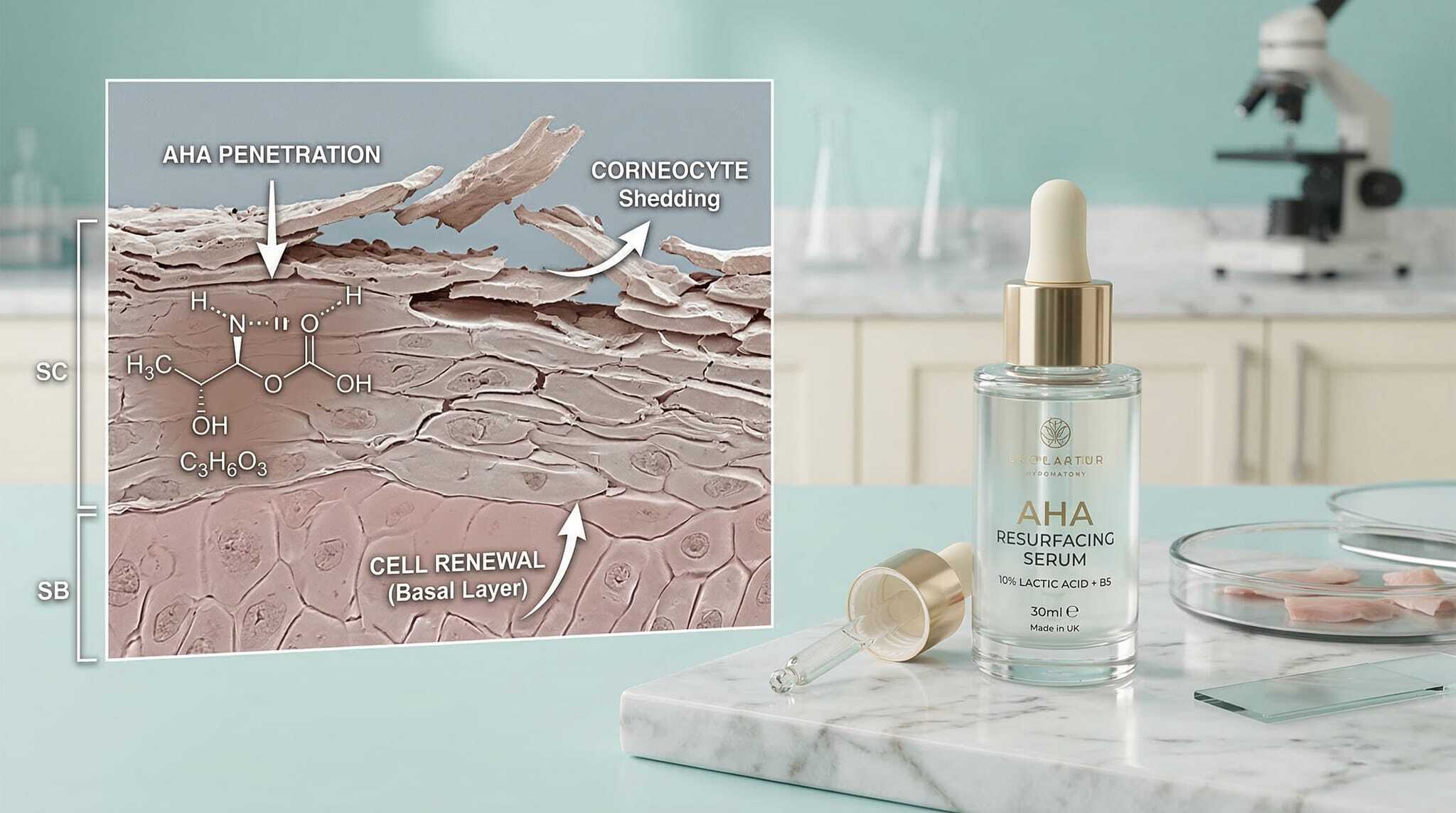
Lactic acid is an alpha hydroxy acid. It loosens the bonds between dead cells on the surface so they shed more evenly, which is why skin looks brighter and feels smoother afterwards. Our guide to lactic acid for skin covers how it compares with other acids.
At cosmetic strengths, it also does more than polish. In a 3-month study, people who applied 5% lactic acid twice a day had smoother skin and changes in the outer layer, and a 12% lotion also firmed and thickened the deeper dermis [1]. In a 22-week trial of women aged 40 to 70 with sun-damaged skin, 71% of those using an 8% lactic acid cream improved by at least one grade, compared with 40% on the inactive cream [2].
Your skin needed 22 weeks of twice-daily 8% lactic acid cream to show visible change in one trial, far more acid for far longer than a weekly yogurt mask provides.
Your skin needed 22 weeks of twice-daily 8% lactic acid cream to show visible change in one trial, far more acid for far longer than a weekly yogurt mask provides.
Lactic acid also seems to support the barrier. In lab and human studies, the natural form of lactic acid increased ceramide production by skin cells, raised ceramide levels in the outer skin by 48% and made skin more resistant to dryness [3]. Ceramides are among the fats that seal water in, which may be why lactic acid feels less harsh than many other exfoliants.
What about the probiotics
Many yogurt mask recipes promise to “feed your skin microbiome” with live cultures. The evidence here is much thinner.
Some studies have tested specific bacteria on skin. In one, 20 older women applied a cream containing a processed preparation of Streptococcus thermophilus, one of the bacteria used to make yogurt, to one forearm for 2 weeks. Ceramide levels and hydration rose significantly compared with the plain cream on the other arm [4]. Reviews of probiotics and skin describe similar early findings for selected strains, mostly in lab studies or small trials of purpose-made products [5].
A tub of yogurt is not the same thing. The bacteria are not standardized for skin, the dose is unknown, and a 15-minute mask that is rinsed away gives them little chance to settle. Think of any probiotic effect as a possible bonus, not the main event.
The one study of an actual yogurt mask tested a formulated product that also contained a cactus extract and other ingredients. Treated areas held more moisture and lost less water than untreated ones [6]. It was run by the company that made the mask, without a comparison mask, so it says more about the formula than about plain yogurt.
Which yogurt to use
Plain, unsweetened yogurt. Use plain whole-milk or low-fat yogurt with no added sugar, flavour or fruit. Sugar and fruit add nothing useful, and flavourings can irritate.
Greek yogurt. Strained yogurt is thicker, so it stays put instead of dripping. Straining removes some of the liquid whey, which makes it easier to use as a mask and less messy to rinse.
Your skin may sting more than usual if you mask on the same night as a retinoid or acid serum, so keep at least 24 hours between them.
Plant-based yogurts. Coconut, oat and soy yogurts can be fermented with similar bacteria, but their acidity varies widely and many contain added thickeners. They are a reasonable choice for people avoiding dairy, not a stronger one.
How to make and use a yogurt mask
- Start with clean, dry skin.
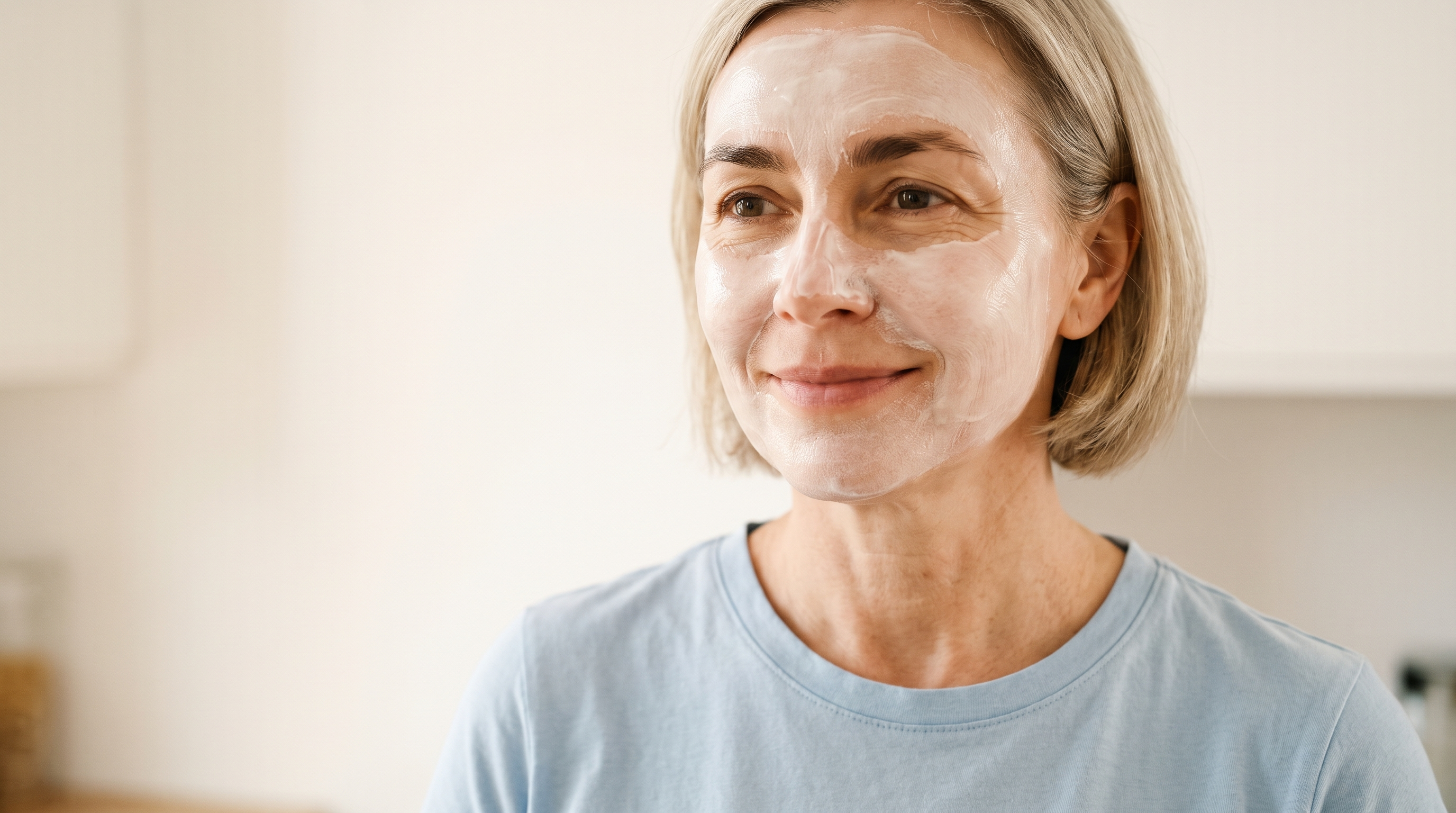
- Spread a thin layer of plain yogurt over the face, avoiding the eyes and lips.
- Leave it on for 10 to 15 minutes. It will warm to skin temperature and may tingle slightly.
- Rinse with lukewarm water and pat dry.
- Moisturize straight away, then use sunscreen the next morning.
- Repeat once or twice a week.
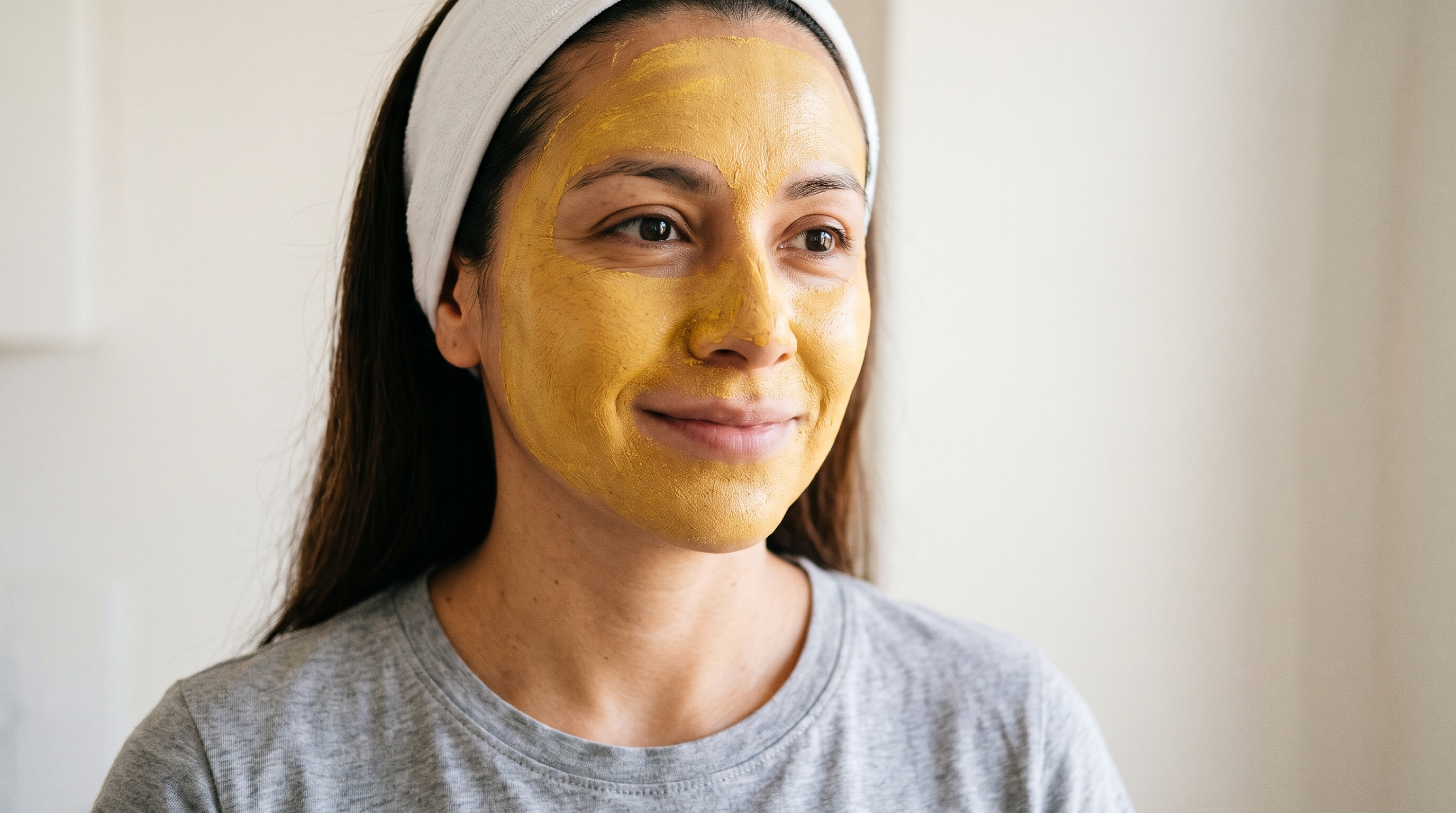
Useful add-ins are simple. A teaspoon of honey adds humectant moisture, as our guide to the honey face mask explains. A pinch of turmeric is popular for dull skin, though it can stain, as the turmeric face mask guide warns. A spoonful of fine rice flour adds a soft texture, much like a rice face mask.
Skip lemon juice, baking soda and undiluted essential oils. Lemon juice pushes the acid much lower and can cause dark marks on sun-exposed skin.
Your skin may sting more than usual if you mask on the same night as a retinoid or acid serum, so keep at least 24 hours between them.
Who should skip a yogurt mask
Anyone with a milk allergy should avoid dairy on the skin. Food proteins in cosmetics can cause contact allergy and hives, and doctors have reported cases linked to milk and other foods [7]. Patch-test any new recipe on the inner arm first, and stop if it itches or turns red.
People with eczema or very broken, raw skin should also skip it, and so should anyone the day before or after a professional peel or laser treatment.
A mask for the surface, retinol for the depth
A yogurt mask gives a mild acid polish and a few hours of softness. The effects fade within days, and at about 1% lactic acid it cannot reach the collagen that keeps skin firm and smooth.
That deeper repair is what retinoids do. In older adults, 24 weeks of 0.4% retinol significantly reduced fine wrinkles and increased collagen production compared with an inactive lotion [8]. The trouble is that conventional retinol often dries and irritates skin, and many people give up.
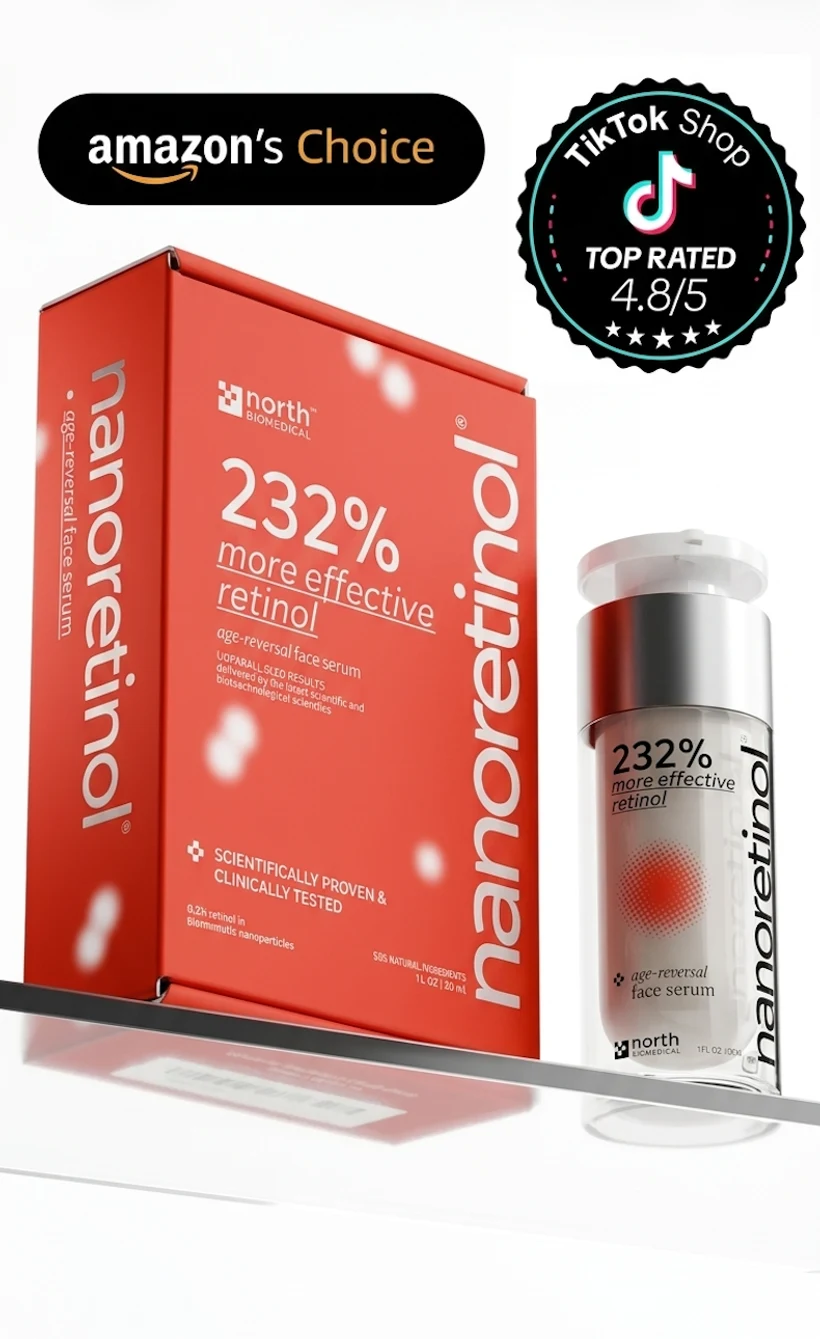
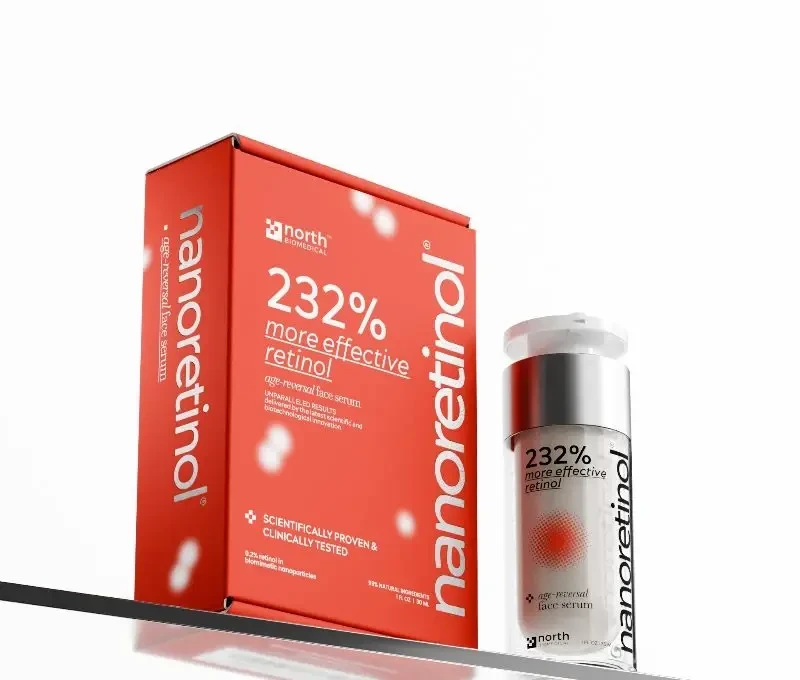
Nanoretinol was designed to avoid that. It carries 0.2% retinol inside biomimetic lipid nanoparticles that the skin recognizes as its own, so the retinol passes through the barrier without damaging it. In North Biomedical’s study, it was 232% more effective in collagen recovery and 73% more effective in elastin recovery than conventional retinol, and users saw a 61% increase in skin firmness after 56 days [9].
The two fit together easily. Use a yogurt mask on one or two evenings a week, apply Nanoretinol on the other nights, and wear broad-spectrum sunscreen every morning.
References
- Smith WP. “Epidermal and dermal effects of topical lactic acid.” Journal of the American Academy of Dermatology. 1996;35(3 Pt 1):388-391. PubMed 8784274
- Stiller MJ, Bartolone J, Stern R, Smith S, Kollias N, Gillies R, et al. “Topical 8% glycolic acid and 8% L-lactic acid creams for the treatment of photodamaged skin: a double-blind vehicle-controlled clinical trial.” Archives of Dermatology. 1996;132(6):631-636. PubMed 8651713
- Rawlings AV, Davies A, Carlomusto M, Pillai S, Zhang K, Kosturko R, et al. “Effect of lactic acid isomers on keratinocyte ceramide synthesis, stratum corneum lipid levels and stratum corneum barrier function.” Archives of Dermatological Research. 1996;288(7):383-390. doi:10.1007/BF02507107
- Di Marzio L, Cinque B, Cupelli F, De Simone C, Cifone MG, Giuliani M. “Increase of skin-ceramide levels in aged subjects following a short-term topical application of bacterial sphingomyelinase from Streptococcus thermophilus.” International Journal of Immunopathology and Pharmacology. 2008;21(1):137-143. doi:10.1177/039463200802100115
- Al-Ghazzewi FH, Tester RF. “Impact of prebiotics and probiotics on skin health.” Beneficial Microbes. 2014;5(2):99-107. doi:10.3920/BM2013.0040
- Yeom G, Yun DM, Kang YW, Kwon JS, Kang IO, Kim SY. “Clinical efficacy of facial masks containing yoghurt and Opuntia humifusa Raf. (F-YOP).” Journal of Cosmetic Science. 2011;62(5):505-514. PubMed 22152494
- Codreanu F, Morisset M, Cordebar V, Kanny G, Moneret-Vautrin DA. “Risk of allergy to food proteins in topical medicinal agents and cosmetics.” European Annals of Allergy and Clinical Immunology. 2006;38(4):126-130. PubMed 16805419
- Kafi R, Kwak HS, Schumacher WE, Cho S, Hanft VN, Hamilton TA, et al. “Improvement of naturally aged skin with vitamin A (retinol).” Archives of Dermatology. 2007;143(5):606-612. doi:10.1001/archderm.143.5.606
- North Biomedical LLC. “Nanoretinol vs. Conventional Retinol: Efficacy in Collagen and Elastin Recovery.” Clinical Study Summary, 2024. Study summary