Arbutin Cream: How to Choose One for Dark Spots, and What It Cannot Do
Arbutin is one of the gentlest pigment fighters, but labels hide three different molecules. Here is how to read them, what the trials show, and how to pair a cream with retinol
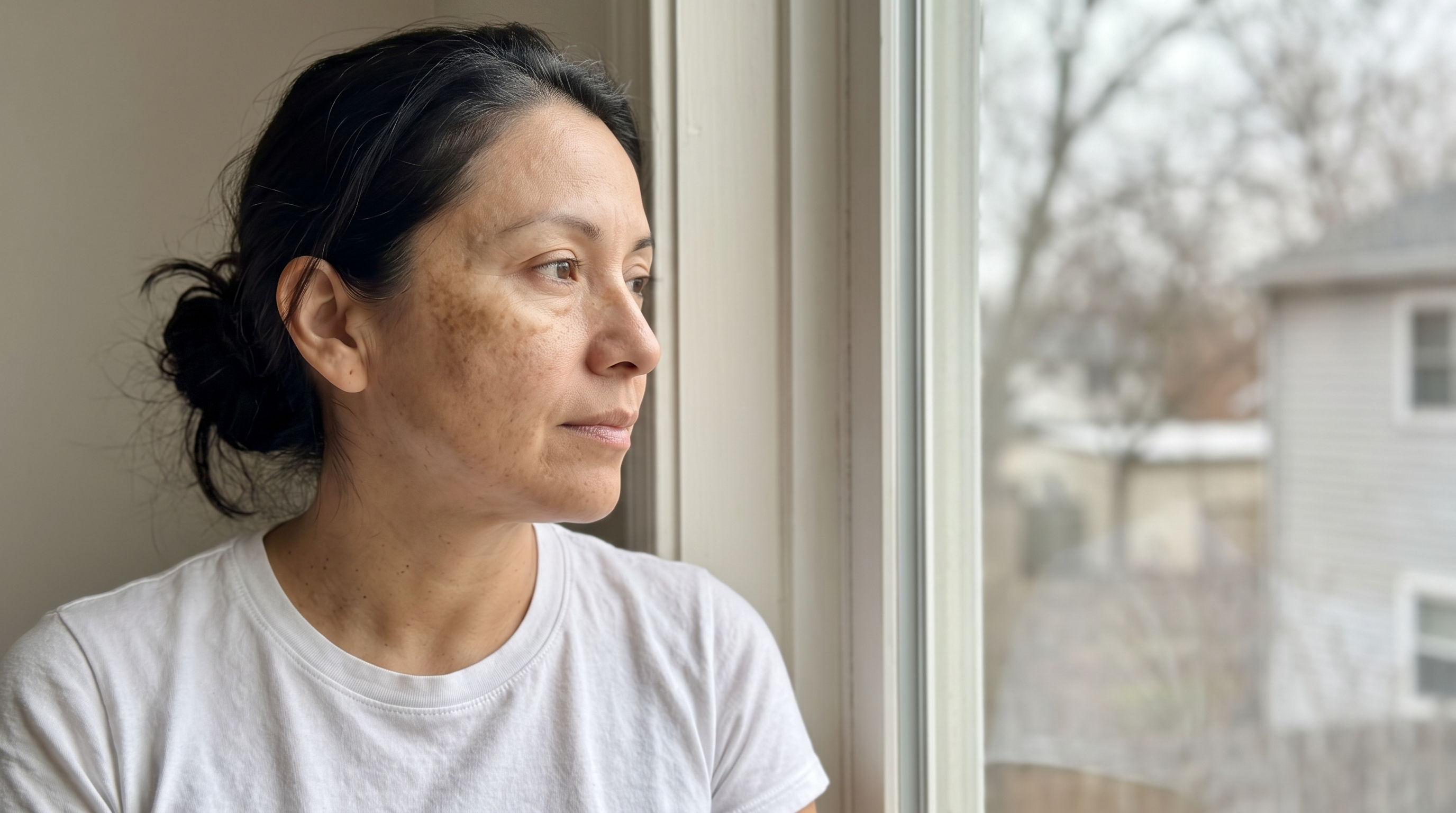
Arbutin has a gentle reputation. It comes from the leaves of bearberry and related plants, it rarely stings, and it is often sold as the soft alternative to hydroquinone for dark spots, melasma and uneven tone. In cream form it appeals to people with dry or mature skin who want brightening without a watery serum.
The word on the label can mean three different molecules, though, and they do not behave the same way. This guide explains what arbutin does, how the three forms differ, what the clinical evidence supports, and how an arbutin cream fits into a routine that also tackles the skin underneath the spots.
How arbutin works
Arbutin is a molecule of hydroquinone joined to a sugar. That structure lets it slot into tyrosinase, the enzyme that starts the chain of reactions that makes melanin, and slow it down [1]. Less tyrosinase activity means less new pigment reaching the surface.
In laboratory work on a three-dimensional human skin model, alpha arbutin cut melanin production to 40% of untreated controls without harming the cells [2]. That is a meaningful effect, but it describes new pigment. Arbutin does not dissolve melanin that has already been deposited. Existing spots fade only as pigmented cells are shed and replaced by lighter ones.
Your skin needs at least 12 weeks of steady arbutin use before you can fairly judge it, which is longer than most people give a new cream.
Alpha, beta and deoxyarbutin
Ingredient lists use these names, and the difference matters:
- Alpha arbutin: the form most brightening creams use today. It is made by enzymes rather than extracted from plants, and lab studies suggest it blocks tyrosinase more strongly than the plant form [1].
- Beta arbutin: the natural form found in bearberry, often listed simply as “arbutin”. It is cheaper and has a longer history, but it is needed at higher concentrations.
- Deoxyarbutin: a lab-made relative designed to be a much stronger tyrosinase blocker. In an animal model it lightened skin where arbutin had no visible effect, and a 12-week human trial found it lightened skin and improved age spots [3]. It also has a stability problem, which is covered below.
Your skin needs at least 12 weeks of steady arbutin use before you can fairly judge it, which is longer than most people give a new cream.
If a cream simply says “arbutin”, it most likely contains the beta form. Brands using alpha arbutin almost always say so, because it is the selling point.
The concentration limits, and why they exist
Because arbutin is built around hydroquinone, European safety assessors have looked at how much can be used without releasing too much of it. Their conclusions give a useful reference point for any buyer:
- Alpha arbutin is considered safe up to 2% in face creams and 0.5% in body lotions [4].
- Beta arbutin is considered safe up to 7% in face creams, provided that free hydroquinone in the product stays below 1 part per million [5].
- Deoxyarbutin at up to 3% in face creams was judged not safe, because it forms hydroquinone during storage and use [6].
Stability depends on the formula. When researchers tested creams, serums, gels and lotions, both alpha and beta arbutin were stable in plain water, but their stability in finished products depended on the type of formula and its pH, and harsh conditions released hydroquinone [7]. That is a reason to buy from brands that publish their concentration and to store the cream as directed, not a reason to avoid arbutin.
What the evidence shows
The best recent clinical data comes from a split-face trial in 30 people with melasma. One side of the face received a cream with 5% alpha arbutin and 2% kojic acid, and the other side received the standard prescription triple combination cream, for 12 weeks plus a 4-week follow-up [8]. Measured pigment and melasma severity scores improved similarly on both sides. Redness and stinging were more common on the prescription side, and melasma came back more strongly there after treatment stopped [8].
Your skin treated with the arbutin and kojic acid cream relapsed less after 4 weeks off treatment than skin treated with the prescription cream.
Your skin treated with the arbutin and kojic acid cream relapsed less after 4 weeks off treatment than skin treated with the prescription cream.
Two caveats keep that result in proportion. The trial was small, and its cream used 5% alpha arbutin, well above the 2% level European assessors consider safe for face creams, plus kojic acid. Most arbutin creams on the shelf use less, so expect a slower and smaller effect. Our kojic acid cream guide explains what the other half of that pairing contributes.
Cream or serum?
Arbutin dissolves well in water, so it works in both formats. The choice comes down to your skin and the rest of your routine:
- A cream suits dry, mature or easily irritated skin, because it brightens and moisturizes in one step. It is the simpler choice if you want fewer products.
- A serum layers more easily under sunscreen or other treatments and usually lists a clearer concentration. Our guide to alpha arbutin serum covers that format in depth.
If you already use a rich moisturizer you like, a serum underneath it makes more sense than replacing it with an arbutin cream.
How to judge an arbutin cream
Use a few quick checks before you buy:
- Named form: look for “alpha arbutin” with a stated percentage, ideally 1% to 2% for the face.
- Position on the list: arbutin listed after fragrance and preservatives is present at a very low level.
- Packaging: an airless pump or tube protects the formula better than a jar you open every day.
- No stacking: do not combine an arbutin cream with hydroquinone or a second arbutin product, since the safety limits do not account for combined use [4, 5].
- Supporting actives: niacinamide, vitamin C or tranexamic acid often appear alongside arbutin. Our tranexamic acid cream guide covers one of the best-studied of those partners for melasma.
Patch test first if your skin is reactive. Arbutin rarely causes dermatitis, but it is not impossible [1].
Where retinol fits
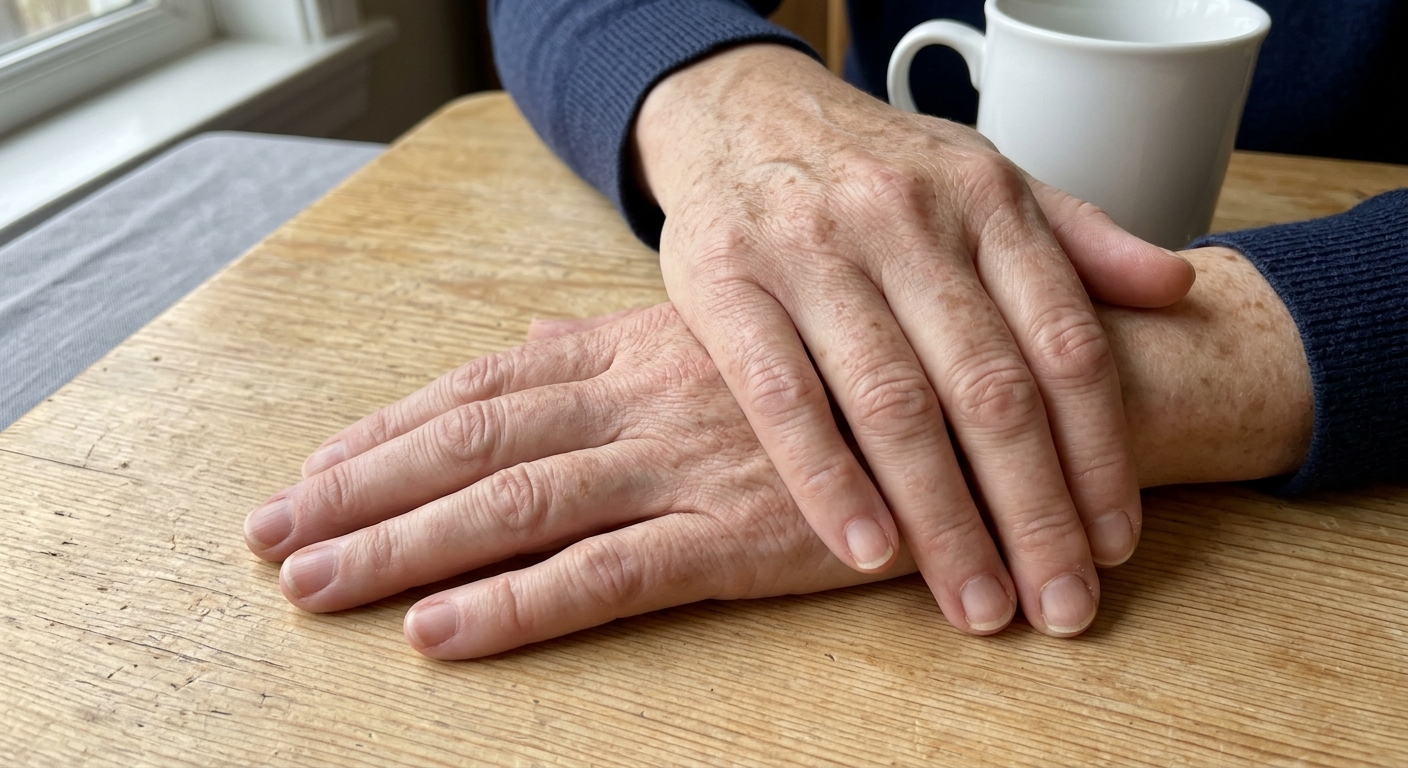
Arbutin slows new pigment, but it does nothing to speed the turnover that carries old pigment away. It also does not touch the thinning, crepey texture that often surrounds age spots on the face, chest and hands. Retinol covers both gaps. In a 24-week trial in older adults, 0.4% retinol lotion reduced fine wrinkling and increased collagen production compared with the plain base on the other arm [9].
A simple split works well: arbutin cream in the morning under sunscreen, and retinol at night. Our guide to retinol for dark spots explains how retinol helps fade pigment by moving cells to the surface faster. Daily sunscreen matters more than either product, because sun exposure restarts pigment production and can quickly undo months of slow fading.
Choosing a retinol for the night
Many people abandon retinol because of redness and peeling, and on pigment-prone skin that irritation can leave new marks behind. Much of the problem comes from how conventional formulas get retinol into the skin, by loosening the protective lipids of the barrier.
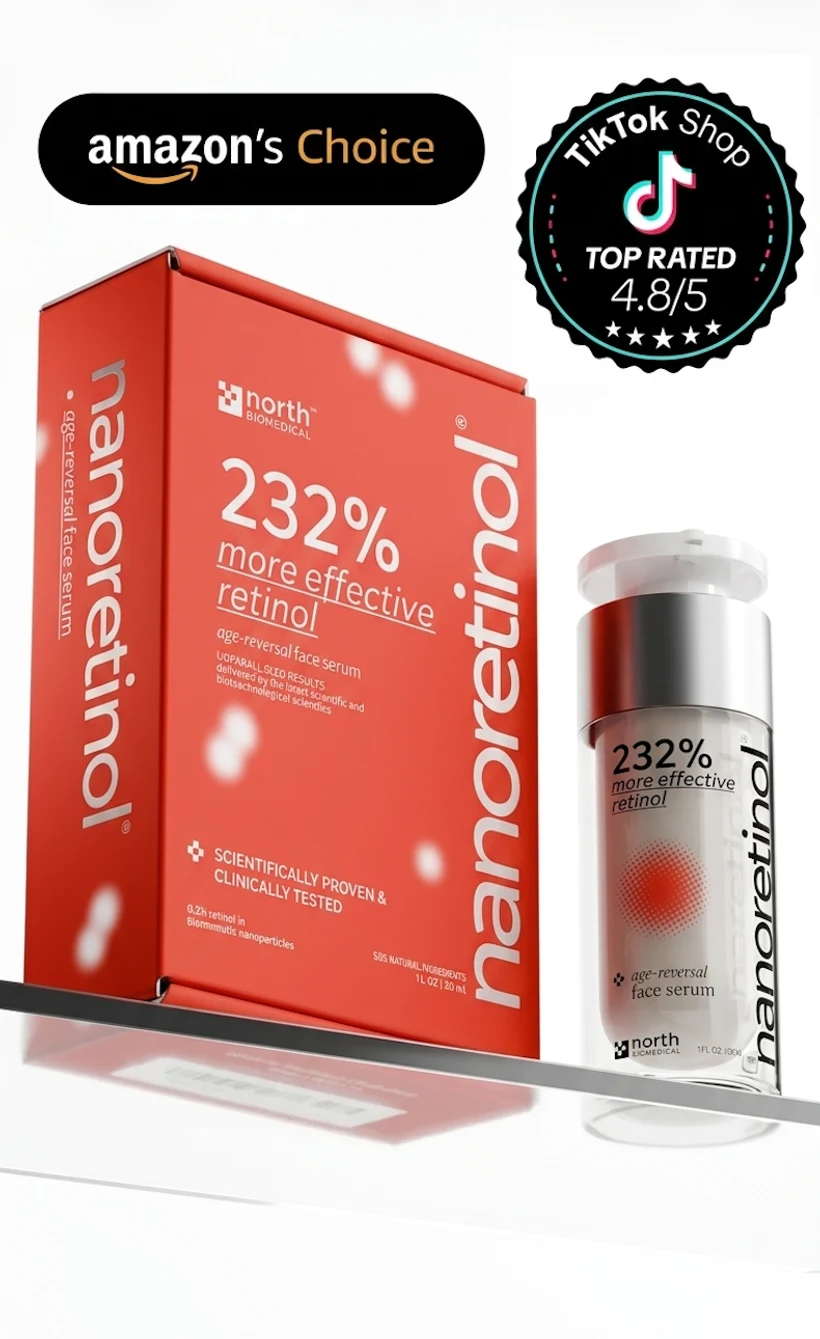
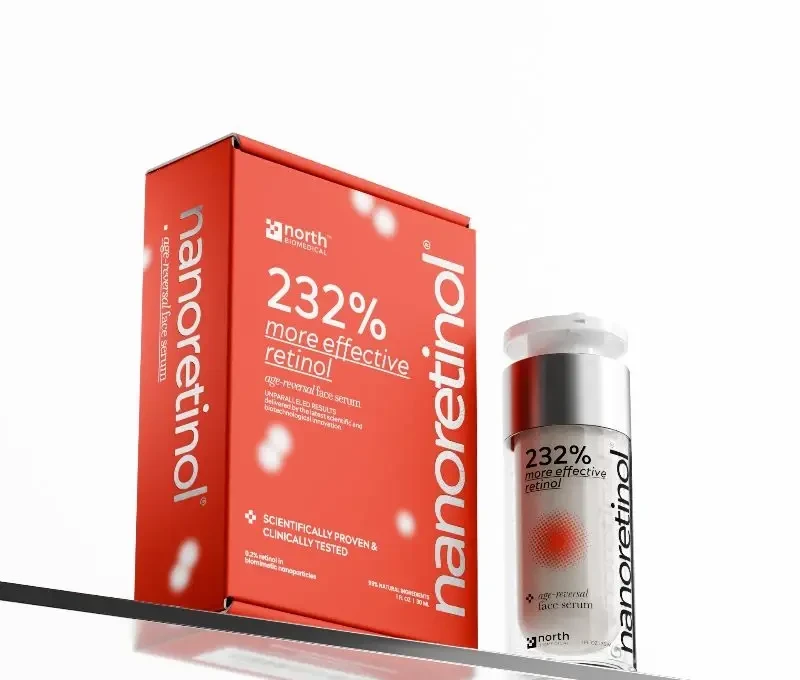
Nanoretinol takes a different route. It carries 0.2% stabilized retinol inside biomimetic lipid nanoparticles that the skin recognizes as its own, so the retinol reaches skin cells without breaking down the barrier first. In North Biomedical’s study summary, Nanoretinol was 232% more effective in collagen recovery and 73% more effective in elastin recovery than conventional retinol, and clinical testing found minimal side effects that were milder than those of conventional retinol [10].
Use it at night, keep the arbutin cream for the morning, and wear sunscreen every day. That routine slows new spots, clears old ones faster and strengthens the skin they sit on.
References
- Boo YC. “Arbutin as a Skin Depigmenting Agent with Antimelanogenic and Antioxidant Properties.” Antioxidants. 2021;10(7):1129. doi:10.3390/antiox10071129
- Sugimoto K, Nishimura T, Nomura K, Sugimoto K, Kuriki T. “Inhibitory effects of alpha-arbutin on melanin synthesis in cultured human melanoma cells and a three-dimensional human skin model.” Biological and Pharmaceutical Bulletin. 2004;27(4):510-514. doi:10.1248/bpb.27.510
- Boissy RE, Visscher M, DeLong MA. “DeoxyArbutin: a novel reversible tyrosinase inhibitor with effective in vivo skin lightening potency.” Experimental Dermatology. 2005;14(8):601-608. doi:10.1111/j.0906-6705.2005.00337.x
- SCCS, Degen GH. “Opinion of the Scientific Committee on Consumer safety (SCCS) - Opinion on the safety of the use of α-arbutin in cosmetic products.” Regulatory Toxicology and Pharmacology. 2016;74:75-76. doi:10.1016/j.yrtph.2015.11.008
- SCCS, Degen GH. “Opinion of the Scientific Committee on Consumer Safety (SCCS) - Opinion on the safety of the use of β-arbutin in cosmetic products.” Regulatory Toxicology and Pharmacology. 2015;73(3):866-867. doi:10.1016/j.yrtph.2015.10.008
- SCCS, Degen GH. “Opinion of the Scientific Committee on Consumer safety (SCCS) - Opinion on the safety of the use of deoxyarbutin in cosmetic products.” Regulatory Toxicology and Pharmacology. 2016;74:77-78. doi:10.1016/j.yrtph.2015.11.007
- Avonto C, Wang YH, Avula B, Wang M, Rua D, Khan IA. “Comparative studies on the chemical and enzymatic stability of alpha- and beta-arbutin.” International Journal of Cosmetic Science. 2016;38(2):187-193. doi:10.1111/ics.12275
- Tantanasrigul P, Sripha A, Chongmelaxme B. “The Efficacy of Topical Cosmetic Containing Alpha-Arbutin 5% and Kojic Acid 2% Compared With Triple Combination Cream for the Treatment of Melasma: A Split-Face, Evaluator-Blinded Randomized Pilot Study.” Journal of Cosmetic Dermatology. 2025;24(1):e16562. doi:10.1111/jocd.16562
- Kafi R, Kwak HS, Schumacher WE, et al. “Improvement of naturally aged skin with vitamin A (retinol).” Archives of Dermatology. 2007;143(5):606-612. doi:10.1001/archderm.143.5.606
- North Biomedical LLC. “Nanoretinol vs. Conventional Retinol: Efficacy in Collagen and Elastin Recovery.” Clinical Study Summary, 2024. Study summary