Avocado Face Mask: What Mashed Avocado Does for Dry Skin, and Who Should Skip It
Avocado is rich, soothing and full of fats, which is both its appeal and its limit. Here is what a mask can do, what the collagen claims are really based on, and how to use one well
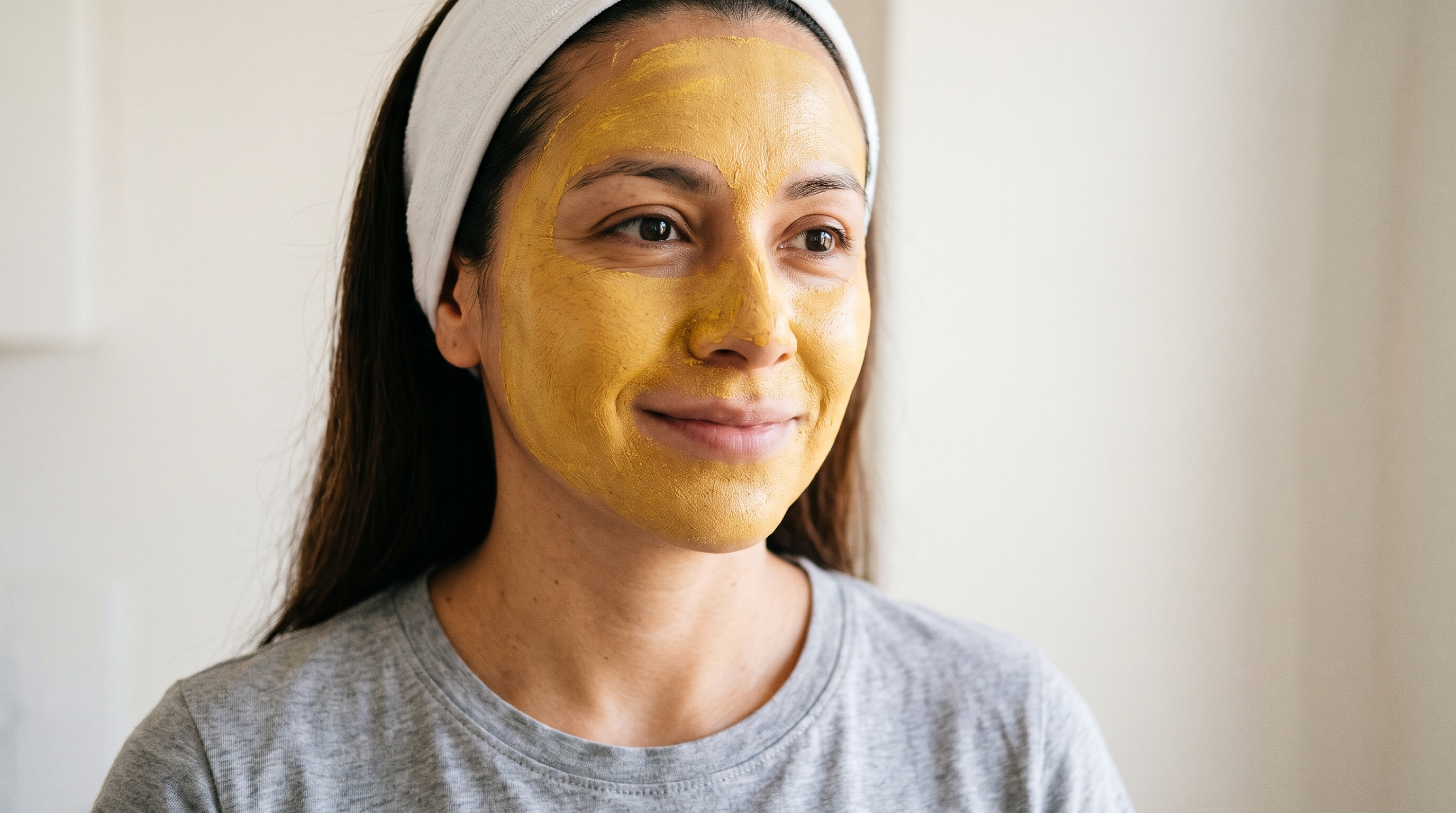
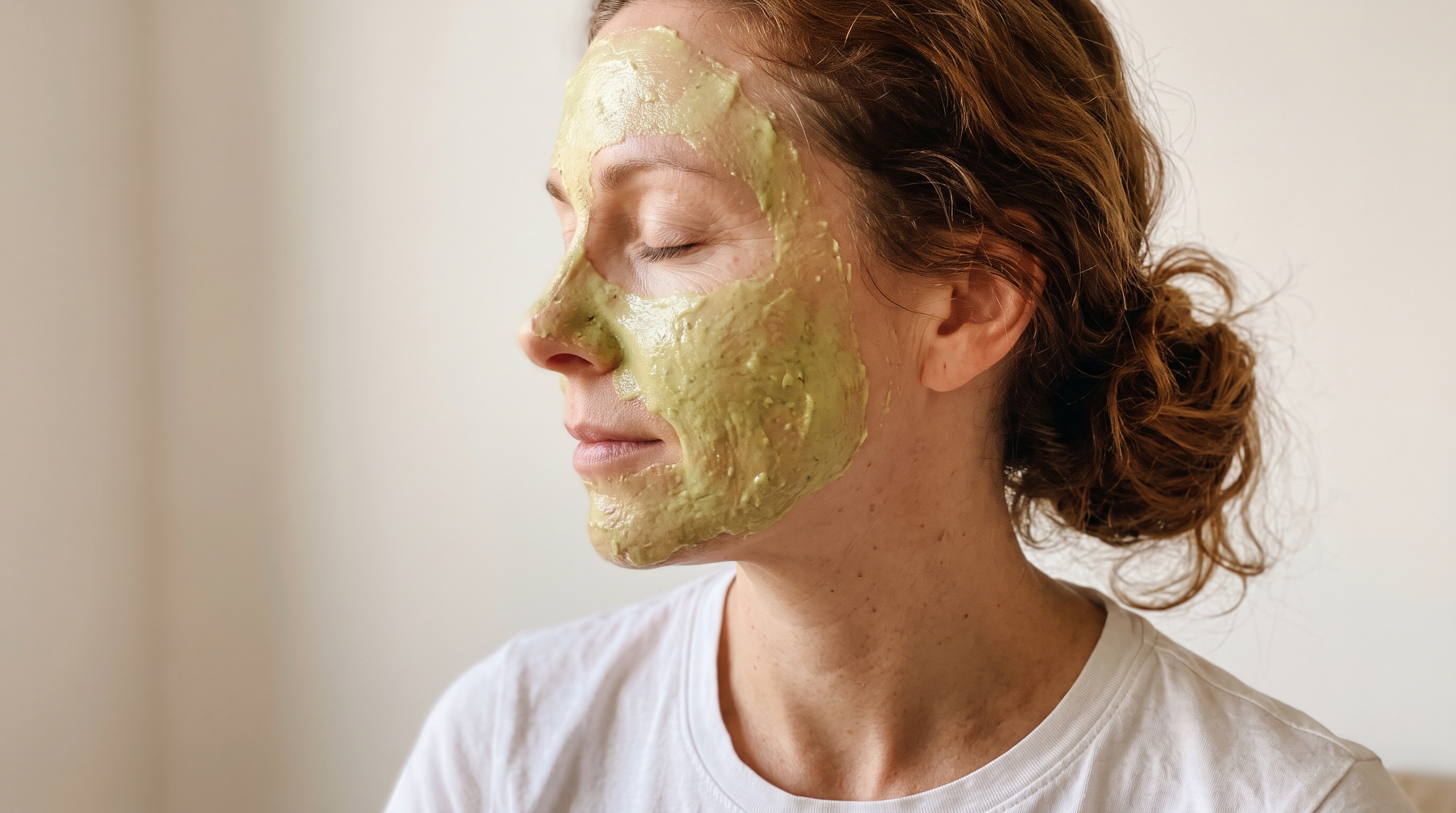
A ripe avocado is one of the easiest face masks to make. You mash it, spread it on and wait. The result feels rich and cushioning, and many people with dry, tight skin swear by it. Online recipes go further, claiming that avocado boosts collagen, fights wrinkles and clears acne.
Some of that is true, some is borrowed from studies that have nothing to do with a face mask, and one part can work against you. This guide explains what is in avocado, what the research actually tested, who should avoid it, and how to make a mask that helps rather than hinders.
What is in an avocado
Avocado flesh is mostly water and fat, with a long list of minor nutrients. Its oil is about 71% monounsaturated fat, 13% polyunsaturated fat and 16% saturated fat [1]. The main monounsaturated fat is oleic acid, the same fatty acid that dominates olive oil. Half an avocado also supplies vitamin E, carotenoids such as lutein and plant sterols [1].
On the skin, those fats act as emollients. They fill the tiny gaps between the flaking cells on the surface, so dry skin feels smoother and less tight. The water in the flesh adds a brief cooling effect. That is the honest core of what an avocado mask does, and for very dry skin it is a pleasant result.
Our guide to avocado oil for skin covers the refined oil, which is a different product from mashed fruit: it has no water and a more concentrated dose of the same fats.
Where the collagen claim comes from
Many articles say that avocado increases collagen. The study usually behind that claim fed rats diets containing 10% avocado oil. Rats fed unrefined avocado oil showed more soluble collagen in their skin, but their total collagen did not change [2]. The researchers traced the effect to a factor that probably came from the avocado seed rather than the flesh, and linked it to the blocking of an enzyme that cross-links collagen [2].
Your skin spends about 15 minutes under an avocado mask, far less time than the 12 weeks of daily cream use in a psoriasis trial of avocado oil.
In other words, the result came from rats eating oil with seed compounds in it. It says nothing about mashed avocado sitting on a human face for 15 minutes.
One of the few human trials of avocado oil on skin was very small. In 13 people with plaque psoriasis, a vitamin B12 cream containing avocado oil performed about as well as a standard prescription treatment after 12 weeks and was better tolerated [6]. That is a medicated cream with an added vitamin, used daily for months, not a kitchen mask.
Your skin spends about 15 minutes under an avocado mask, far less time than the 12 weeks of daily cream use in a psoriasis trial of avocado oil.
The oleic acid problem
The part of avocado most recipes ignore is its oleic acid. Oleic acid is a known penetration enhancer. In a laboratory study on mouse skin, oleic acid applied in a solvent disorganized the fatty layers that hold the outer skin together and increased water loss through the skin [5].
The same issue has been seen in people with a closely related oil. In adult volunteers, applying olive oil, which is also rich in oleic acid, twice daily for 4 weeks damaged the skin barrier and caused mild redness, while sunflower seed oil, which is richer in linoleic acid, preserved the barrier and improved hydration [4].
Your skin barrier fared worse after 4 weeks of an oleic-rich olive oil than after the same routine with a linoleic-rich sunflower oil.
An avocado mask once or twice a week is far less exposure than that trial, and many people with intact skin use one without trouble. But if your skin is already irritated, eczema-prone or recovering from strong actives, an oleic-rich mask is not the gentlest choice. A review of plant oils applied to the skin makes the broader point that their effects on inflammation and barrier repair vary from one oil to the next [3].
Your skin barrier fared worse after 4 weeks of an oleic-rich olive oil than after the same routine with a linoleic-rich sunflower oil.
Who should skip an avocado mask
- People with latex allergy. Between 30% and 50% of people allergic to natural rubber latex also react to certain fresh fruits, and avocado is one of the fruits most often involved [7]. This cross-reaction is called latex-fruit syndrome. If you react to latex gloves, do not put avocado on your face.
- Acne-prone skin. A thick layer of fruit fat is not what congested skin needs, and avocado has no proven effect on breakouts.
- A damaged or stinging barrier. For the oleic-acid reasons above, start with a plain fragrance-free moisturizer instead.
How to make and use an avocado mask
- Use a quarter of a ripe avocado. Mash it until completely smooth, with no lumps to drag across the skin.
- Add a teaspoon of honey if you like. Honey is a gentle humectant that pulls water into the surface, so it balances the fat; our guide to the honey face mask explains why.
- Leave out lemon juice. Citrus juice on the skin can react with sunlight and cause burns and dark patches [8].
- Apply to clean skin for 10 to 15 minutes, avoiding the eyes.
- Rinse with lukewarm water, then follow with your usual moisturizer to seal in the water.
- Use it once or twice a week. More often adds little.
If the problem is tightness rather than flaking, your skin may be short of water rather than oil. Our guide to dehydrated skin explains how to tell the difference and what to change. And if you prefer a leave-on option, our guide to overnight face masks compares the formulas that keep working while you sleep.
Where avocado stops and retinol starts
An avocado mask softens the surface for an evening. What it cannot do is reach the collagen and elastin in the deeper skin, where fine lines and loss of firmness begin.
That is the job of a retinoid. In a controlled trial in older adults, a 0.4% retinol lotion applied up to three times a week for 24 weeks reduced fine wrinkling and increased collagen production compared with the lotion without retinol [9].
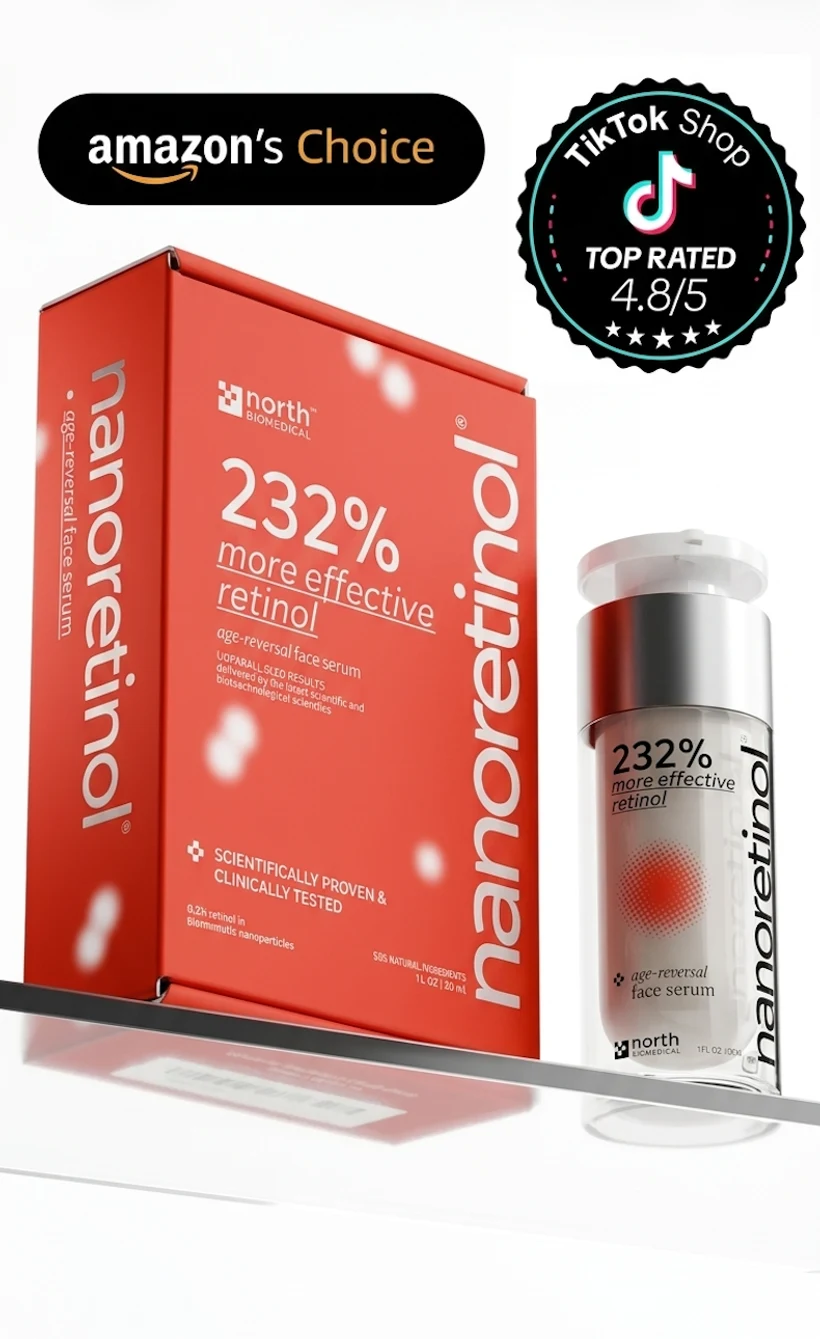
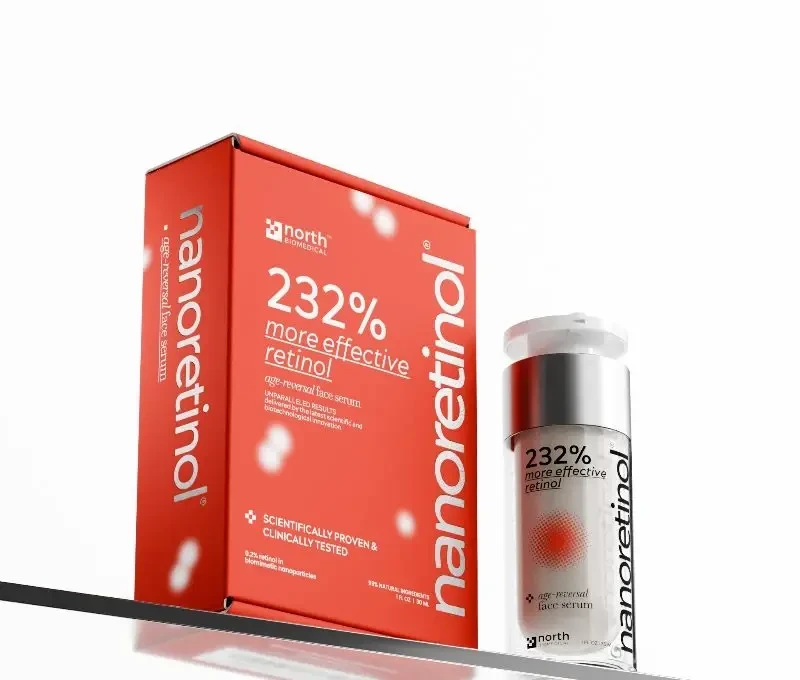
People with dry skin often avoid retinol because conventional formulas leave it flaky and sore. Nanoretinol was designed to avoid that. It is a light, water-based gel that carries 0.2% retinol inside biomimetic lipid nanoparticles, which the skin recognizes as its own, so the retinol passes through the barrier without damaging it. In North Biomedical’s study, it was 232% more effective in collagen recovery and 73% more effective in elastin recovery than conventional retinol, and users saw a 61% increase in skin firmness and a 56% increase in skin elasticity after 56 days [10].
The two fit together easily. Keep the avocado mask for one evening a week when your skin feels tight, apply Nanoretinol on the other nights, and wear broad-spectrum sunscreen each morning.
References
- Dreher ML, Davenport AJ. “Hass avocado composition and potential health effects.” Critical Reviews in Food Science and Nutrition. 2013;53(7):738-750. doi:10.1080/10408398.2011.556759
- Werman MJ, Mokady S, Nimni ME, Neeman I. “The effect of various avocado oils on skin collagen metabolism.” Connective Tissue Research. 1991;26(1-2):1-10. doi:10.3109/03008209109152159
- Lin TK, Zhong L, Santiago JL. “Anti-Inflammatory and Skin Barrier Repair Effects of Topical Application of Some Plant Oils.” International Journal of Molecular Sciences. 2017;19(1):70. doi:10.3390/ijms19010070
- Danby SG, AlEnezi T, Sultan A, Lavender T, Chittock J, Brown K, et al. “Effect of olive and sunflower seed oil on the adult skin barrier: implications for neonatal skin care.” Pediatric Dermatology. 2013;30(1):42-50. doi:10.1111/j.1525-1470.2012.01865.x
- Jiang SJ, Hwang SM, Choi EH, Elias PM, Ahn SK, Lee SH. “Structural and functional effects of oleic acid and iontophoresis on hairless mouse stratum corneum.” Journal of Investigative Dermatology. 2000;114(1):64-70. doi:10.1046/j.1523-1747.2000.00834.x
- Stücker M, Memmel U, Hoffmann M, Hartung J, Altmeyer P. “Vitamin B12 cream containing avocado oil in the therapy of plaque psoriasis.” Dermatology. 2001;203(2):141-147. doi:10.1159/000051729
- Wagner S, Breiteneder H. “The latex-fruit syndrome.” Biochemical Society Transactions. 2002;30(Pt 6):935-940. doi:10.1042/bst0300935
- Sarhane KA, Ibrahim A, Fagan SP, Goverman J. “Phytophotodermatitis.” Eplasty. 2013;13:ic57. PubMed:24106566
- Kafi R, Kwak HS, Schumacher WE, Cho S, Hanft VN, Hamilton TA, et al. “Improvement of naturally aged skin with vitamin A (retinol).” Archives of Dermatology. 2007;143(5):606-612. doi:10.1001/archderm.143.5.606
- North Biomedical LLC. “Nanoretinol vs. Conventional Retinol: Efficacy in Collagen and Elastin Recovery.” Clinical Study Summary, 2024. Study summary