BBL Laser: What Broadband Light Really Does for Aging, Sun-Damaged Skin
The science behind broadband light — from brown spots to a landmark gene-expression study
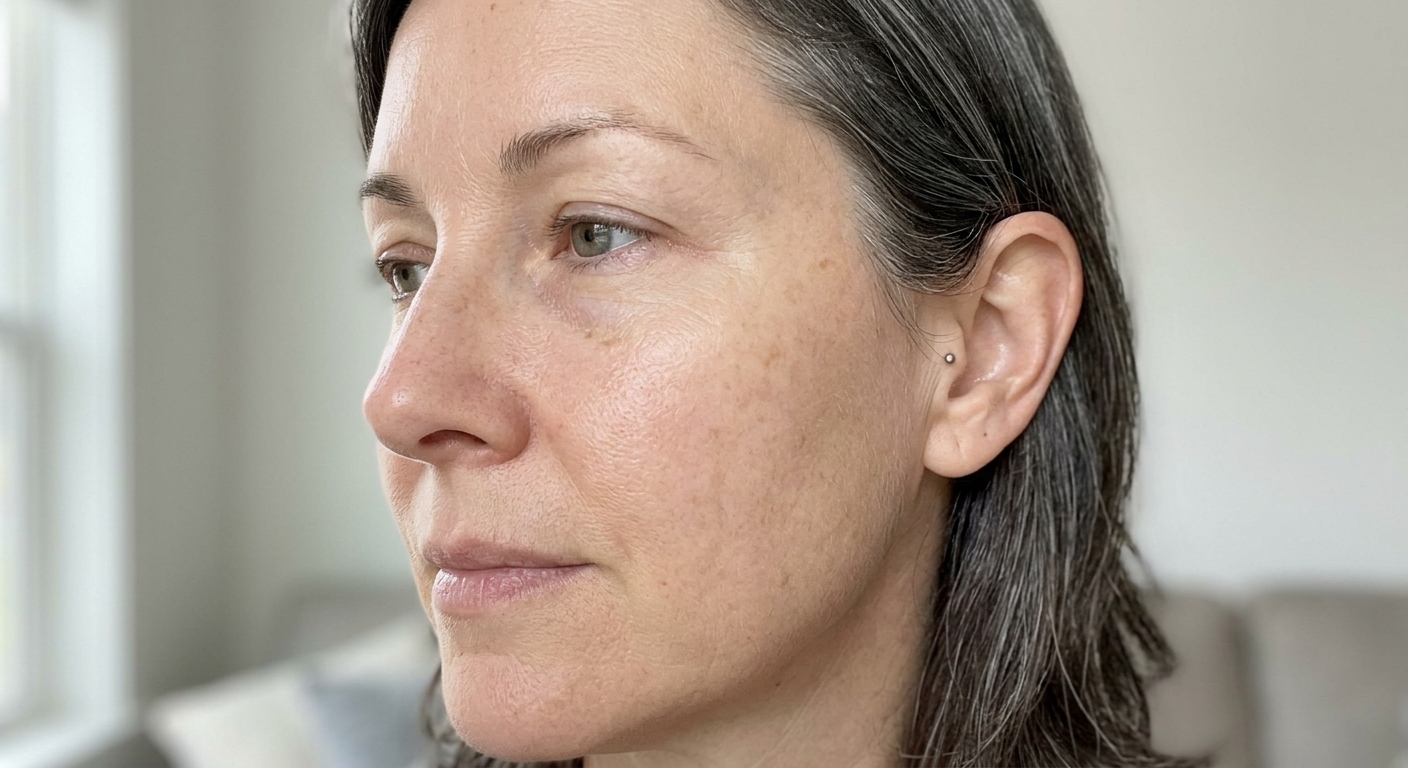
You can do everything right — sunscreen, serums, sleep — and still watch a decade of old sunny afternoons surface on your cheeks as brown blotches, broken capillaries, and a ruddiness that foundation never quite hides. That accumulated “photodamage” is the single biggest reason skin looks older than the person wearing it. BBL laser is one of the most popular in-office answers to it, and it comes wrapped in a genuinely remarkable research story. Here is what broadband light actually does, what the evidence supports, and where it stops.
What BBL Laser Actually Is
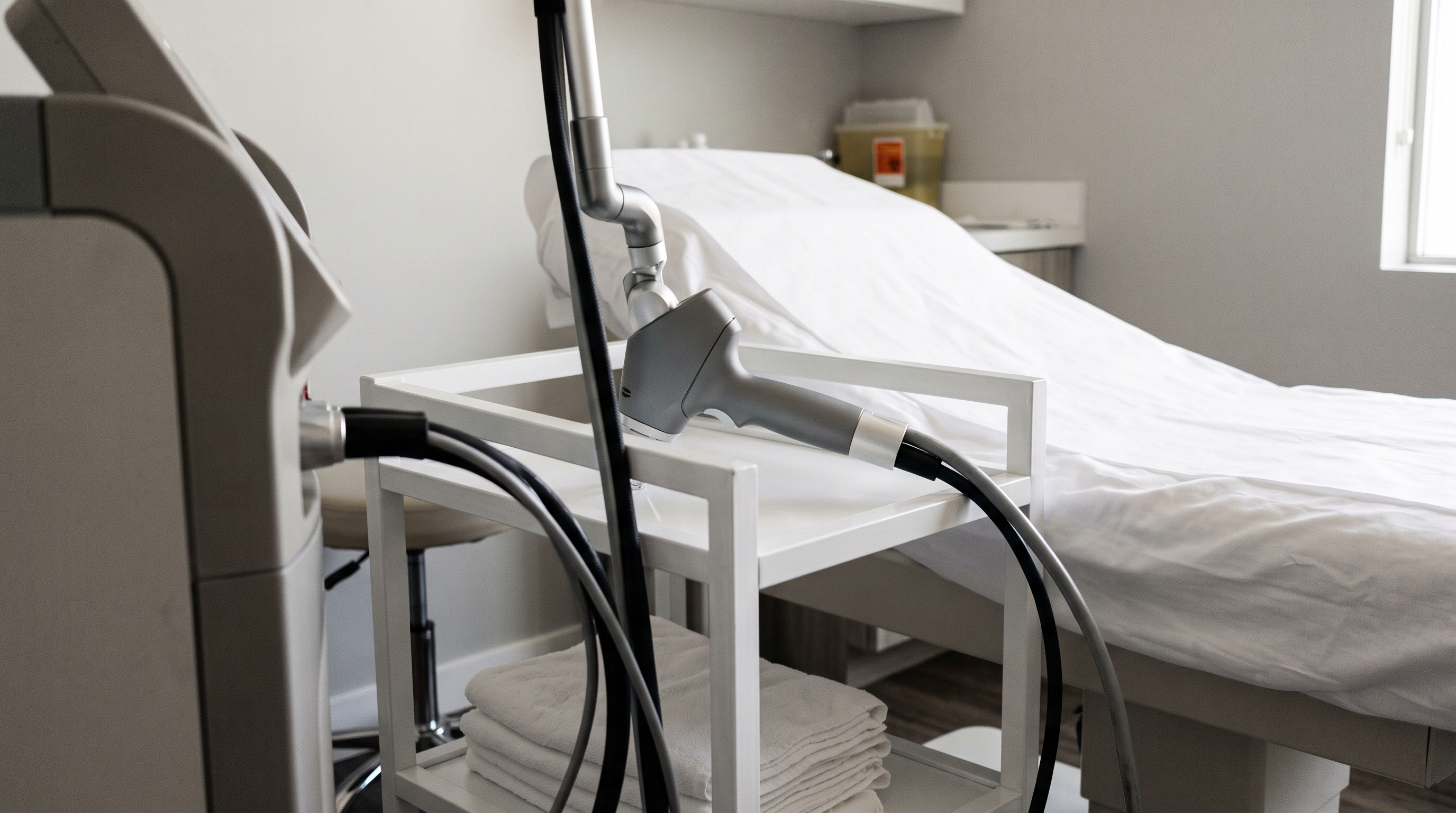
BBL stands for BroadBand Light, a device made by Sciton. Strictly speaking it is not a laser at all. A laser emits a single, precise wavelength; BBL emits a broad band of visible light and filters it to the range a clinician wants. In that sense BBL is a next-generation form of intense pulsed light (IPL) — the same family of technology, refined with better cooling, more precise filters, and higher, more even energy delivery.
The mechanism is called selective photothermolysis. The light is tuned so that specific targets in the skin absorb it and heat up while the surrounding tissue stays relatively cool. Melanin clusters (brown spots) and hemoglobin in dilated vessels (redness and broken capillaries) soak up that energy, break down, and are cleared by the body over the following days and weeks.
Because it does not vaporize the skin surface, BBL is considered non-ablative. Most people describe the sensation as a warm rubber-band snap, and the visible “downtime” is usually a day or two of mild redness and, for pigment, brown spots that darken like coffee grounds before flaking off.
The Problems It Treats — and Why They Happen
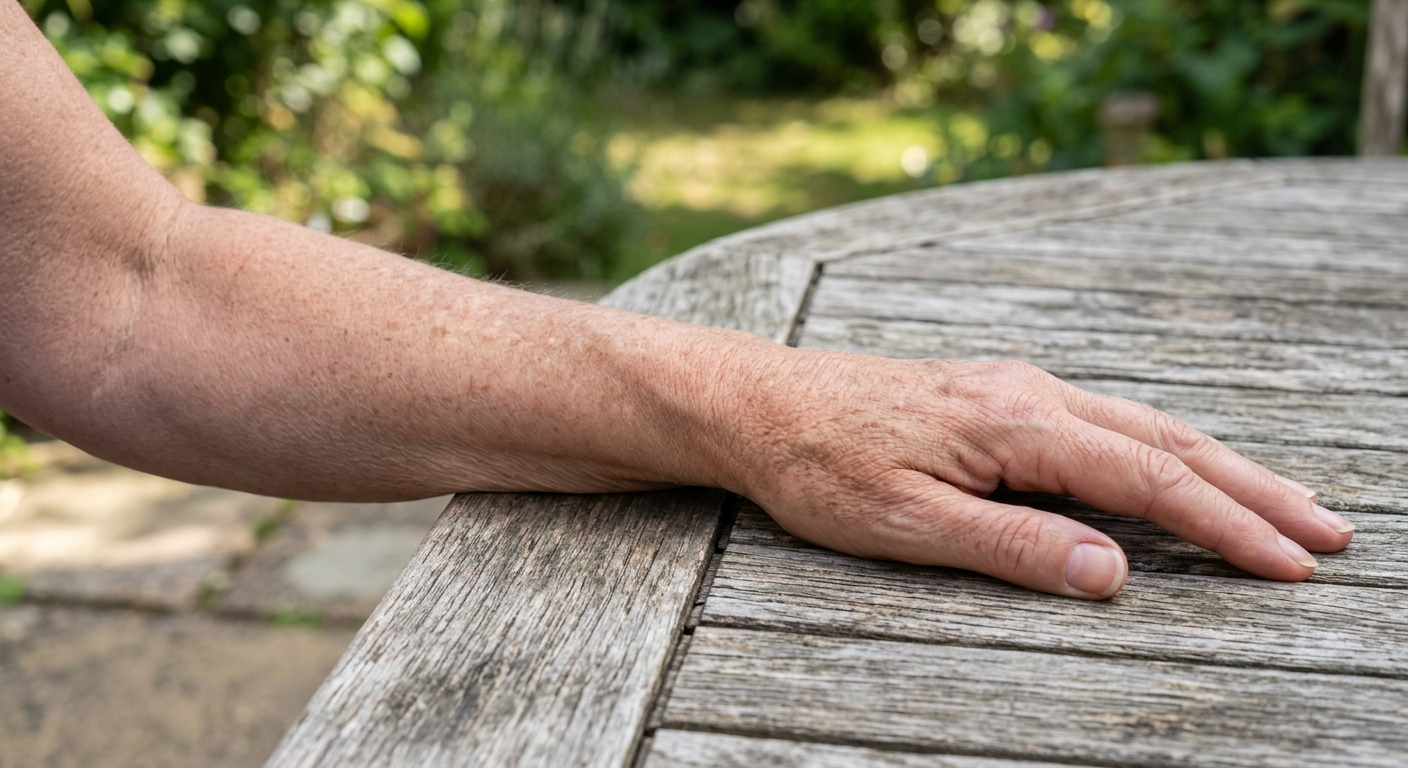
To understand why BBL helps, it helps to understand what sun actually does. Ultraviolet light drives a cascade in the skin that dermatologists call photoaging: it triggers enzymes called matrix metalloproteinases that chew through collagen, it scrambles pigment production so melanin lands in uneven clumps, and it weakens the tiny vessels near the surface [4]. The result is the familiar quartet of sun-damaged skin — uneven brown spots, diffuse redness, visible capillaries, and a rough, lax texture.
You can do everything right — sunscreen, serums, sleep — and still watch a decade of old sunny afternoons surface on your cheeks as brown blotches, broken capillaries, and a ruddiness that foundation never quite hides.
BBL is strongest against the color problems in that list. The foundational clinical work came from dermatologist Patrick Bitter, who treated photodamaged faces with a series of full-face IPL sessions and documented broad improvement: in his landmark study, most patients saw meaningful gains in pigmentation and redness, with a large share also reporting smoother fine lines and smaller-looking pores [2]. Later controlled work confirmed that intense pulsed light is a legitimate non-ablative approach to photoaging, improving mottled pigment and telangiectasias with minimal risk [3].
The Study Everyone Cites: “Forever Young BBL”
Here is where BBL’s reputation gets its shine. In 2013, a Stanford University team led by dermatologist Anne Lynn Chang published a pilot study that went beyond “it looks better” and asked a deeper question: does broadband light change the skin at the level of its genes? [1]
The researchers compared gene-expression patterns in young skin, aged skin, and aged skin after a course of BBL. Aging was associated with altered activity across more than 2,000 genes. After BBL treatment, a large subset of those genes shifted back toward a younger expression pattern — the treated skin’s molecular signature began to resemble that of youthful skin [1].
Two honest caveats matter. First, this was a small pilot study, not a large randomized trial, so it is a compelling signal rather than final proof. Second — and this is the part clinics rarely mention — those molecular results depend on maintenance. The “Forever Young” protocol involves repeated treatments over years, not a one-and-done session. The gene-expression benefit tracks with consistent, ongoing exposure.
First, this was a small pilot study, not a large randomized trial, so it is a compelling signal rather than final proof.
BBL vs. IPL: Is There Really a Difference?
Since BBL is a type of IPL, people reasonably ask whether the branded version is worth seeking out. Practically, the differences are in engineering rather than category: BBL devices tend to offer tighter wavelength filters, stronger and more uniform energy, and better skin-cooling, which can translate to more consistent results and comfort in trained hands. But a well-maintained, expertly operated traditional IPL system can deliver excellent photofacial results too. The operator’s skill and the treatment plan usually matter more than the badge on the machine.
What BBL Doesn’t Do
BBL earns its popularity honestly, but it has a clear lane. It is excellent for color — brown spots, redness, vascularity — and modest for texture and tightening. It does very little for deep wrinkles or significant sagging; those need collagen-focused tools. It is also not a one-time fix: pigment can return with sun exposure and time, which is why clinics sell packages and maintenance.
And it does nothing to prevent the next round of damage. The day after a glowing BBL result, your skin still needs the same daily defense and repair it needed before — sun protection every morning, and an ingredient at night that actively rebuilds what UV tore down.
The Daily Work Between Treatments
This is where an in-office device and a smart home routine become partners rather than rivals. Broadband light clears the evidence of photoaging; a retinoid addresses the process. Retinol is the most validated topical for exactly the damage BBL targets — in aged skin it increases type I collagen and glycosaminoglycans and visibly improves fine wrinkles [5], directly countering the collagen breakdown that UV sets in motion [4]. Used consistently, a nightly retinoid helps you keep a BBL result longer and treat the sun damage BBL can’t reach.
The catch with conventional retinol is delivery. Traditional formulas struggle to cross the skin barrier and often irritate it trying — the redness and peeling that make people quit. Nanoretinol by North Biomedical was built to solve that. It encapsulates retinol in biomimetic lipid nanoparticles that the skin recognizes as “self” and allows through the barrier, delivering the active efficiently without the barrier damage that causes irritation. In head-to-head lab testing it proved 232% more effective at collagen recovery and 73% more effective at elastin recovery than conventional retinol — the kind of daily, cumulative rebuilding that complements what a BBL session kick-starts.
Think of BBL as the reset and your nightly retinoid as the upkeep. The treatment erases the accumulated color of past sun; the serum quietly rebuilds the structure underneath, night after night, so the face that emerges from a course of broadband light doesn’t just look clearer — it stays that way longer.
Bottom Line on Broadband Light
BBL is a well-supported, low-downtime way to fade sun spots, calm redness, and — per a fascinating early study — possibly nudge skin’s gene expression back toward youth. It is not magic and not permanent, and it works best for color rather than deep lines. Pair it with disciplined sun protection and an effective nightly retinoid, and you get the most durable version of what broadband light promises.
References
- Chang ALS, Bitter PH Jr, Qu K, Lin M, Rapicavoli NA, Chang HY. “Rejuvenation of Gene Expression Pattern of Aged Human Skin by Broadband Light Treatment: A Pilot Study.” Journal of Investigative Dermatology. 2013;133(2):394-402. doi:10.1038/jid.2012.287
- Bitter PH. “Noninvasive Rejuvenation of Photodamaged Skin Using Serial, Full-Face Intense Pulsed Light Treatments.” Dermatologic Surgery. 2000;26(9):835-843. doi:10.1046/j.1524-4725.2000.00085.x
- Goldman MP, Weiss RA, Weiss MA. “Intense Pulsed Light as a Nonablative Approach to Photoaging.” Dermatologic Surgery. 2005;31(9 Pt 2):1179-1187. doi:10.1111/j.1524-4725.2005.31924
- Fisher GJ, Kang S, Varani J, et al. “Mechanisms of Photoaging and Chronological Skin Aging.” Archives of Dermatology. 2002;138(11):1462-1470. doi:10.1001/archderm.138.11.1462
- Kafi R, Kwak HSR, Schumacher WE, et al. “Improvement of Naturally Aged Skin With Vitamin A (Retinol).” Archives of Dermatology. 2007;143(5):606-612. doi:10.1001/archderm.143.5.606