
Best Body Oil for Dry Skin: What the Fatty Acids Actually Do
Occlusion, emollience, and the one fatty acid ratio that decides whether an oil rebuilds your barrier or quietly erodes it
Every autumn the same sequence plays out. The lotion stops keeping up, so you upgrade to an oil, because an oil sounds richer and more serious about the problem. Sometimes that works beautifully. Sometimes, four weeks later, your shins are flakier than when you started and you assume you simply need to apply more.
The inconsistency is not random and it has very little to do with price. It comes down to which fatty acids the oil is built from, and to what you do in the sixty seconds after you step out of the shower.
What a body oil is actually doing
Dry skin is a water problem before it is an oil problem. The stratum corneum, the outermost layer of dead but functional cells, needs a certain minimum water content to stay pliable. Below that threshold it stiffens, splits along lines of mechanical stress, and sheds in the visible flakes you are trying to get rid of.
Topical products intervene in three distinct ways. Occlusives lay down a hydrophobic film that physically slows evaporation from the surface, a quantity measured in the lab as transepidermal water loss [2]. Emollients settle into the gaps between loosening cells so the surface feels and looks smooth. Humectants attract water into the tissue from below and from the air.
Almost every body oil on the shelf is the first two and none of the third [1]. That single fact explains the failure mode. An oil applied to skin that is already water-depleted seals in a deficit rather than correcting it.
Which is genuinely useful, provided there is water there to trap.
The fatty acid that decides everything
Plant oils are mostly triglycerides, and the fatty acids hanging off that backbone determine how the oil behaves once it meets the barrier. Two of them matter more than the rest.
Sometimes, four weeks later, your shins are flakier than when you started and you assume you simply need to apply more.
Linoleic acid, an omega-6 essential fatty acid, is a structural component of the lipids that hold the barrier together. In a foundational 1980 experiment, animals made deficient in essential fatty acids developed a leaky permeability barrier, and topical linoleic acid corrected the defect while other fatty acids did not [3]. Skin cannot synthesise it, so it has to arrive from diet or from the surface.
Oleic acid, an omega-9, behaves in almost the opposite way. It inserts itself into the ordered lipid layers between corneocytes and disrupts their packing, which increases permeability. In pharmacology that property is useful, and oleic acid is deliberately used as a penetration enhancer to push drugs through skin [1]. On an already compromised shin, it is a liability.
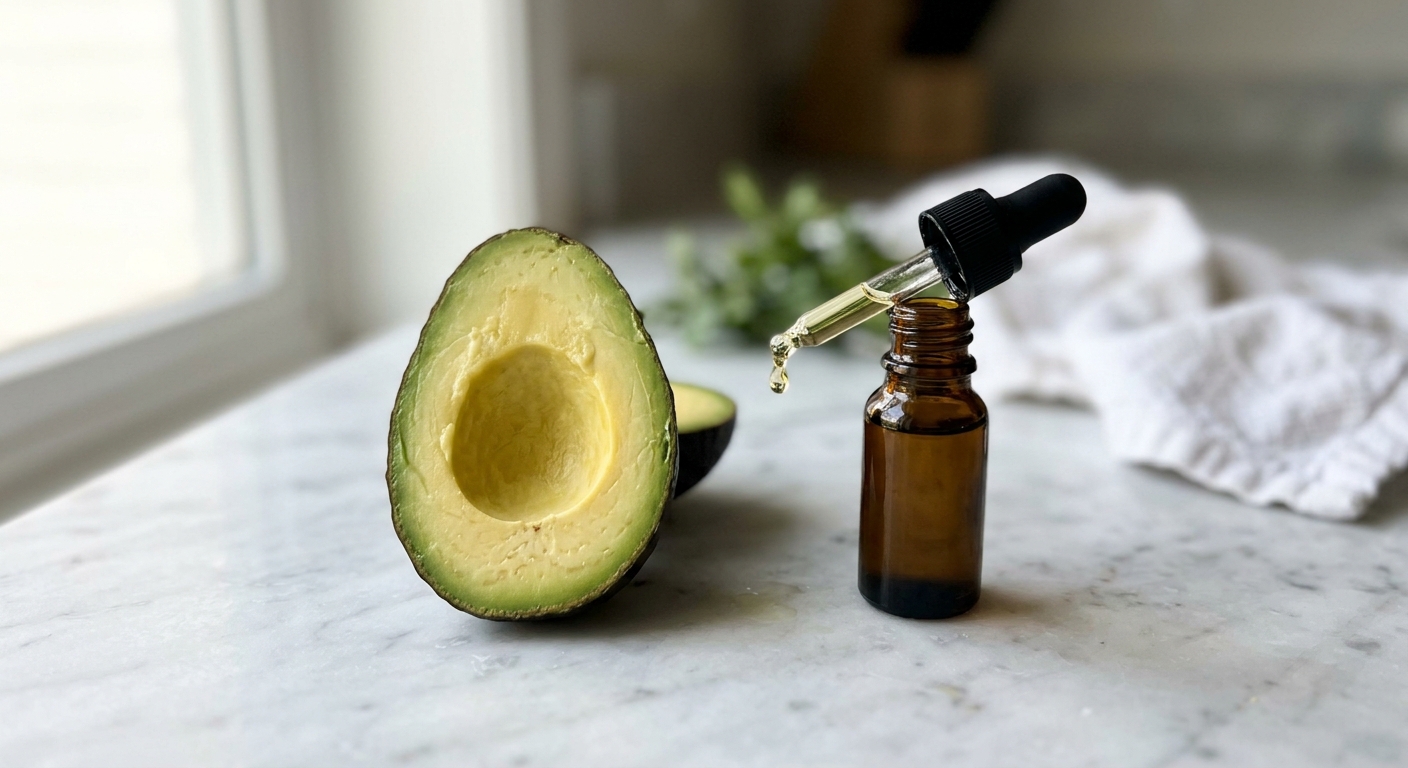
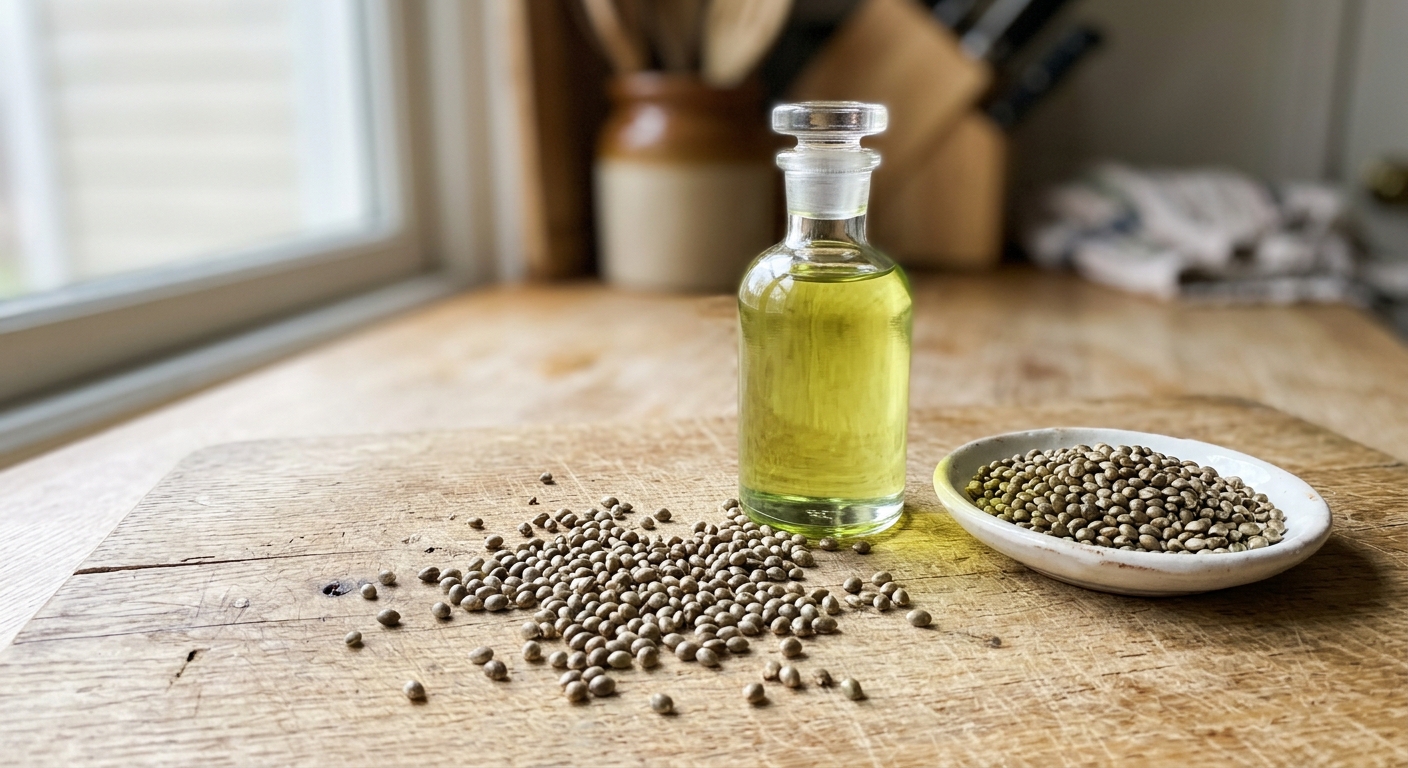
Now look at what is in the bottle. Sunflower seed, safflower, grapeseed, and hemp seed oils are linoleic-dominant. Olive, sweet almond, avocado, and marula oils are oleic-dominant [1]. The oils marketed most heavily as luxurious and nourishing sit disproportionately in the second group.
The consequences are measurable. In a four-week forearm study in adults, olive oil applied twice daily significantly reduced stratum corneum integrity and produced mild erythema, while sunflower seed oil preserved barrier integrity and improved hydration over the same period [4].
Where coconut and mineral oil actually land
Coconut oil is neither of the above. It is dominated by saturated medium-chain fats, principally lauric acid, which makes it a competent occlusive with a distinctive tendency to clog follicles on some people’s chest and back. On limbs it performs well. In a randomised double-blind trial in adults with mild to moderate xerosis, virgin coconut oil was at least as effective as mineral oil at improving skin hydration and surface lipid levels [5].
That trial is also worth reading as a defence of mineral oil, which absorbs a great deal of undeserved criticism. It contributes no barrier lipids and no fatty acids, but it is a highly effective, essentially non-irritating, non-allergenic occlusive. If your only goal is to stop water leaving, it does that job reliably.
What it cannot address is crepey skin on your arms and legs.
Squalane is a fourth category again. It is a saturated hydrocarbon rather than a triglyceride, closely resembling a lipid your own sebaceous glands already make, which is why it sits so lightly and rarely irritates.
The application rule that outperforms the oil choice
Because an oil traps water rather than supplying it, timing does more work than the ingredient list.
Skin leaving a shower is transiently saturated. Within a few minutes that water evaporates and the surface returns to, or drops below, where it started. Sealing during that window is the entire trick. Quantitative measurement in a bathing study found that applying a moisturiser immediately after bathing produced meaningfully greater skin hydration than bathing alone [6].
In practice: blot rather than rub dry, leave the skin visibly damp, and apply within about three minutes. The same oil applied to bone-dry skin four hours later is doing a fraction of the work. If you want more than sealing, layer a humectant-containing body lotion for aging skin underneath and use the oil on top of it.
Water temperature matters for the same reason. Long hot showers strip surface lipids faster than any oil can replace them.
What no oil is capable of doing
There is a point where the honest answer is that you are treating the wrong layer.
Skin gets drier with age partly because sebaceous output falls and epidermal lipid synthesis becomes less efficient, which is why xerosis is so common in older adults [7]. An oil addresses that reasonably well.
What it cannot address is crepey skin on your arms and legs. That texture comes from the dermis, from collagen and elastin loss, from decades of accumulated ultraviolet exposure changing the scaffolding beneath the surface. An oil improves the appearance temporarily by filling surface irregularity and adding light reflection, and it washes off. The structural deficit is untouched.
Distinguishing the two is the most useful thing you can do before spending money. Dryness responds to lipids and to timing. Laxity and crepe respond only to something that changes dermal protein synthesis, and the ingredient class with the strongest evidence there is the retinoids.
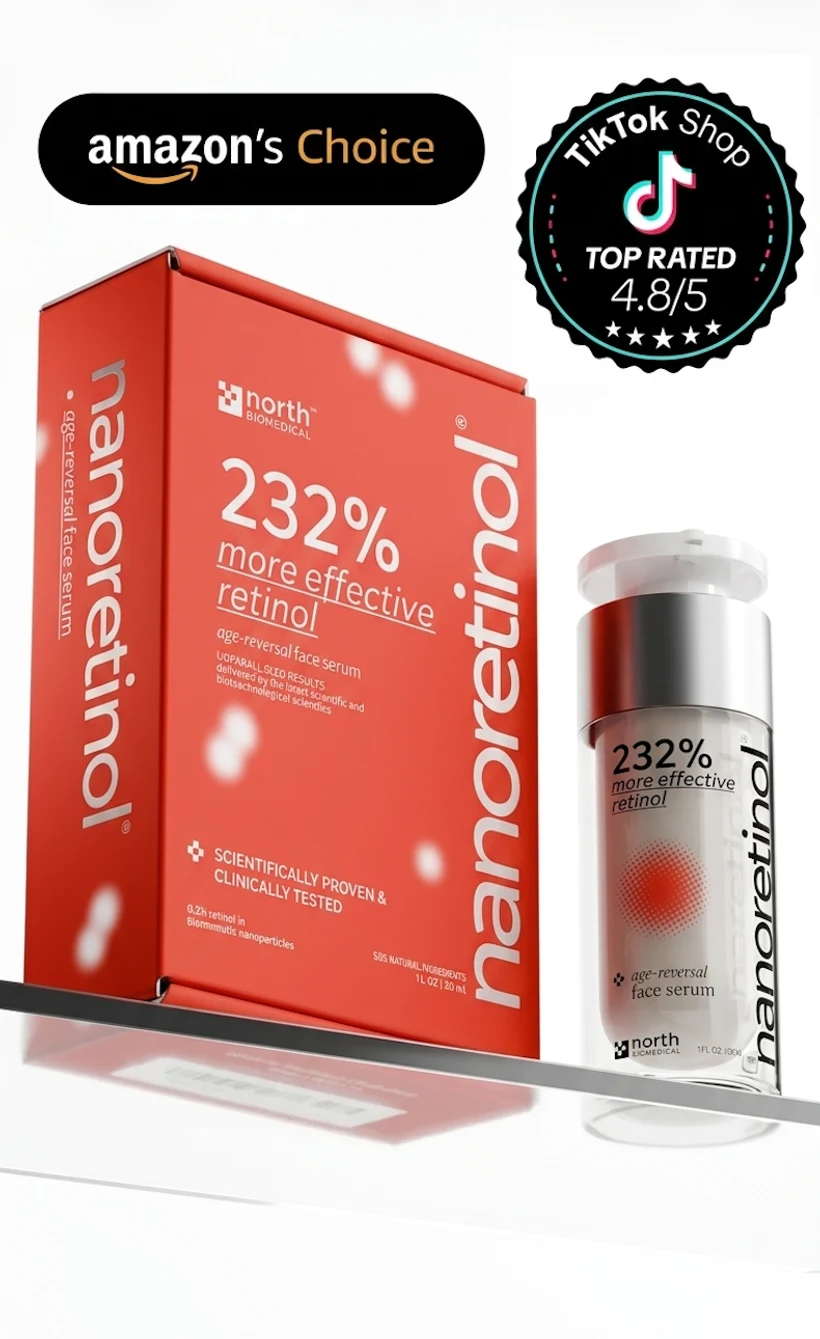
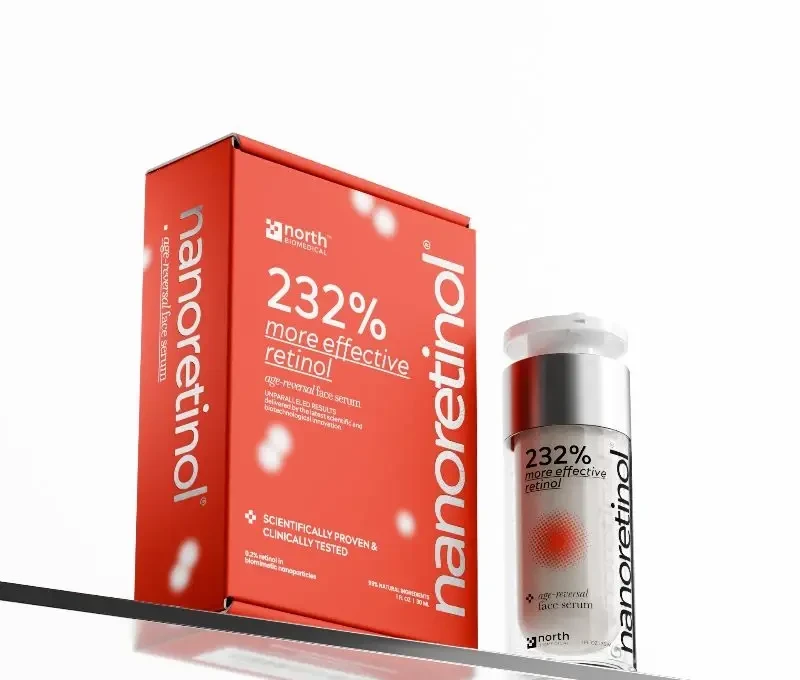
That is also where topical skincare runs into its real constraint, which is delivery rather than potency. Conventional retinol formulations struggle to cross the epithelial barrier, and the vehicles built to force the issue tend to damage the barrier on the way through. Nanoretinol was developed to solve that specific problem: retinol encapsulated in biomimetic lipid nanoparticles that the skin recognises as its own and admits without disruption. In North Biomedical’s clinical study, that delivery approach produced 232% greater collagen recovery and 73% greater elastin recovery than conventional retinol, with firmness up 61% and elasticity up 56% over 56 days of use.
Choosing yours
Turn the bottle around and read the oils, not the front label. If your skin is dry and reactive, weight the formula toward linoleic-rich oils and treat oleic-dominant ones with more caution than their marketing suggests. If the goal is purely to stop evaporation, an inexpensive occlusive will do it. Apply to damp skin, within three minutes, every time. And when the complaint is crepe rather than flaking, accept that the answer lives in a different aisle entirely.
References
- Vaughn AR, Clark AK, Sivamani RK, Shi VY. “Natural Oils for Skin-Barrier Repair: Ancient Compounds Now Backed by Modern Science.” American Journal of Clinical Dermatology. 2018;19(1):103-117. doi:10.1007/s40257-017-0301-1
- Lodén M. “Role of Topical Emollients and Moisturizers in the Treatment of Dry Skin Barrier Disorders.” American Journal of Clinical Dermatology. 2003;4(11):771-788. doi:10.2165/00128071-200304110-00005
- Elias PM, Brown BE, Ziboh VA. “The Permeability Barrier in Essential Fatty Acid Deficiency: Evidence for a Direct Role for Linoleic Acid in Barrier Function.” Journal of Investigative Dermatology. 1980;74(4):230-233. doi:10.1111/1523-1747.ep12541775
- Danby SG, AlEnezi T, Sultan A, Lavender T, Chittock J, Brown K, Cork MJ. “Effect of Olive and Sunflower Seed Oil on the Adult Skin Barrier: Implications for Neonatal Skin Care.” Pediatric Dermatology. 2013;30(1):42-50. doi:10.1111/j.1525-1470.2012.01865.x
- Agero ALC, Verallo-Rowell VM. “A Randomized Double-Blind Controlled Trial Comparing Extra Virgin Coconut Oil with Mineral Oil as a Moisturizer for Mild to Moderate Xerosis.” Dermatitis. 2004;15(3):109-116. doi:10.2310/6620.2004.04006
- Chiang C, Eichenfield LF. “Quantitative Assessment of Combination Bathing and Moisturizing Regimens on Skin Hydration in Atopic Dermatitis.” Pediatric Dermatology. 2009;26(3):273-278. doi:10.1111/j.1525-1470.2009.00911.x
- White-Chu EF, Reddy M. “Dry Skin in the Elderly: Complexities of a Common Problem.” Clinics in Dermatology. 2011;29(1):37-42. doi:10.1016/j.clindermatol.2010.07.005