Hemp Seed Oil for Skin: What the Fatty Acid Profile Actually Does
The linoleic-to-oleic ratio that separates a barrier-friendly oil from a barrier-disrupting one
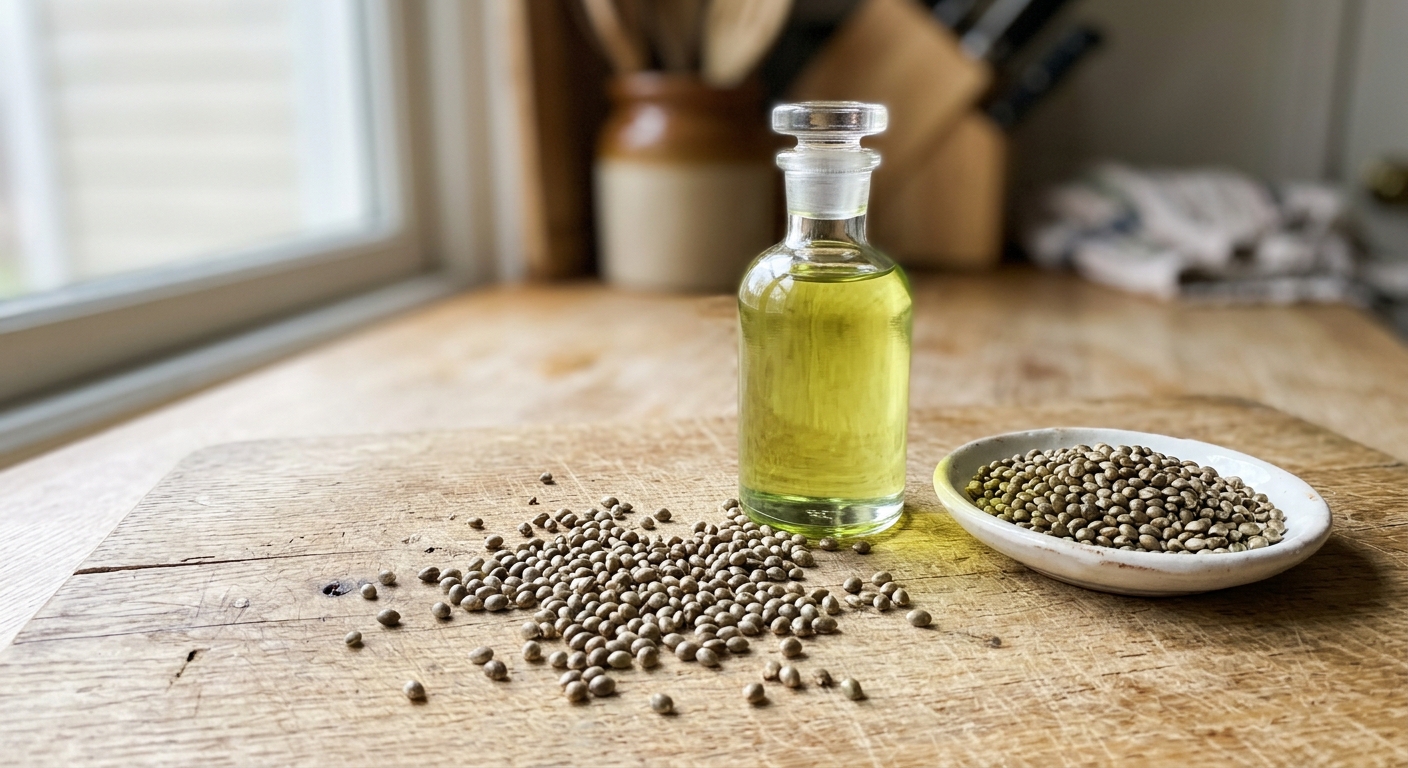
Hemp seed oil occupies an odd position in skincare. It gets sold with imagery borrowed from the cannabis industry, priced as though it were a rare active, and described with claims that belong to a different product. The genuinely interesting thing about it, the property that makes it behave differently from almost every other oil on the shelf, sits in a table of fatty acid percentages that nobody puts on the box.
That table is the whole story. Face oils are not interchangeable, and the difference between one that repairs your barrier and one that quietly degrades it comes down to which fatty acids dominate.
First, Hemp Seed Oil Is Not CBD Oil
These get conflated constantly, including by brands that should know better. CBD oil is extracted from the resin-rich flower and leaf of the cannabis plant. Hemp seed oil is cold-pressed from the seed, which produces essentially no cannabinoids of its own.
Analytical chemistry backs the distinction cleanly. Using high-resolution liquid chromatography and mass spectrometry, researchers profiling commercial cold-pressed hemp seed oil detected THC, CBD and roughly 30 other cannabinoids, but only at trace levels consistent with incidental contamination from plant surfaces during pressing [1]. The seed itself is not a cannabinoid source. If you are buying hemp seed oil expecting CBD effects, you are buying a salad oil at a skincare markup. What you are actually buying is a fatty acid profile, and it is an unusual one.
The Profile That Sets It Apart
Cold-pressed hemp seed oil is dominated by polyunsaturated fats. Across four Cannabis sativa cultivars analyzed for oil yield and composition, linoleic acid reached up to 59% and alpha-linolenic acid up to 18%, with gamma-linolenic acid at 5 to 6% in some cultivars [2].
Set that against the oils it shares a shelf with. Olive and avocado oil are dominated by oleic acid, a monounsaturated fat, typically at 60 to 70%. Hemp seed oil inverts that ratio almost exactly. Among common facial oils, it sits at the far linoleic end of the spectrum.
That inversion is not trivia. It predicts what the oil does to your barrier.
Olive and avocado oil are dominated by oleic acid, a monounsaturated fat, typically at 60 to 70%.
Why Linoleic Acid Is the Number That Matters
Your skin barrier is built from lipid layers packed between the flattened cells of the stratum corneum, and one class of those lipids, the acylceramides, requires linoleic acid to function.
The classic feeding work on this is unambiguous. Hansen and Jensen showed that linoleic acid esterified into epidermal acylglucosylceramide and acylceramide is essential for maintaining the water permeability barrier, and that in essential fatty acid deficiency, oleic acid substitutes into those ceramides and fails to restore barrier function [3]. The structure accepts the wrong fatty acid and then leaks.
This is why “moisturizing oil” is too blunt a category. An oil can soften the surface while supplying the wrong raw material underneath. If your barrier is already compromised, our guide to a damaged skin barrier covers what that looks like.
The Comparison That Proves the Point
The cleanest human evidence comes from a study that was not about hemp at all. Danby and colleagues applied olive oil to one forearm and sunflower seed oil to the other in adult volunteers, then measured barrier function directly.
Olive oil, the oleic-rich one, significantly reduced stratum corneum integrity and produced mild erythema. Sunflower seed oil, the linoleic-rich one, preserved barrier integrity and improved hydration without redness [4]. Same plant-oil category, same application protocol, opposite outcomes, and the variable that separated them was the linoleic-to-oleic ratio.
Hemp seed oil sits on the sunflower side of that divide, with more alpha-linolenic acid on top. That is the entire mechanistic case for using it on skin, and it is a reasonable one.
An oil that is roughly 55 to 59% linoleic acid is therefore an odd thing to fear on that ground.
The Clogged-Pore Question
Anyone with oily or congestion-prone skin has learned to distrust facial oils, which makes hemp’s profile worth a look.
Research on sebum composition found that people with acne have measurably low linoleic acid in their sebum, and proposed that this localized deficiency starves the cells lining the follicle of essential fatty acids, contributing to the abnormal keratinization that forms comedones [5]. Low linoleate in sebum is associated with more follicular plugging, not less.
An oil that is roughly 55 to 59% linoleic acid is therefore an odd thing to fear on that ground. Hemp seed oil is also light and non-occlusive in feel, absorbing rather than sitting on the surface. That is no guarantee for every skin type, and it is the opposite of the profile normally implicated in congestion.
What the Human Evidence Supports
Here the honest answer requires a caveat. The best-known clinical trial on hemp seed oil and skin is a dietary study, not a topical one.
In a 20-week randomized crossover trial, patients with atopic dermatitis who consumed hempseed oil rather than olive oil showed significantly improved skin dryness and itchiness and reduced use of dermal medication, alongside measurable rises in plasma linoleic acid, alpha-linolenic acid and gamma-linolenic acid [6]. That is a genuine result, and it tells you about eating the oil, not applying it.
So the topical case for hemp seed oil rests on composition and on the comparative barrier evidence for linoleic-rich oils generally, rather than on a dedicated topical trial of hemp itself. That is normal for plant oils, and worth stating plainly instead of letting a dietary study quietly do promotional work it did not earn. For the broader picture, our overview of face oils for aging skin weighs the category against lighter options such as squalane.
What an Oil Cannot Do
Here is the ceiling, and it applies to every plant oil ever bottled. Fatty acids are building material for the barrier at the very top of your skin. They repair the wall. They do not touch the foundation.
Crepey texture, laxity and lines come from collagen and elastin loss in the dermis, several layers below where any oil operates. No fatty acid profile, however elegant, instructs a fibroblast to make new collagen. An oil can make compromised skin comfortable, reduce water loss and improve how light reflects off the surface within days. It will not change the structure underneath, which is why barrier repair and anti-aging are separate projects that people routinely merge into one.
The molecule with the strongest evidence for the structural half of the job is retinol, and its long-standing problem has been delivery. Conventional formulations rely on solvents and petroleum derivatives that break down the skin barrier to force passage, producing the burning, redness and peeling that make retinol intolerable for many people. The delivery method damages the exact structure the oil in this article is trying to support.
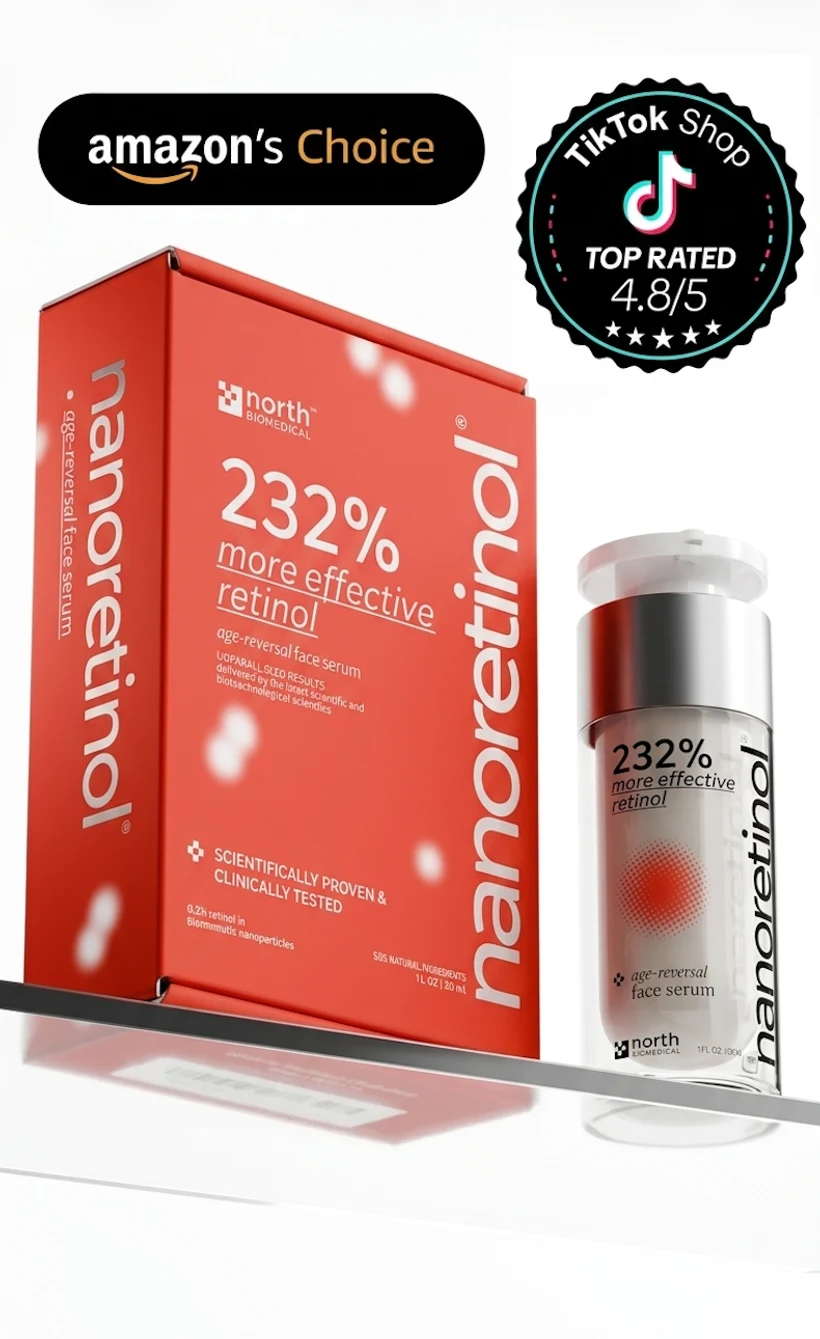
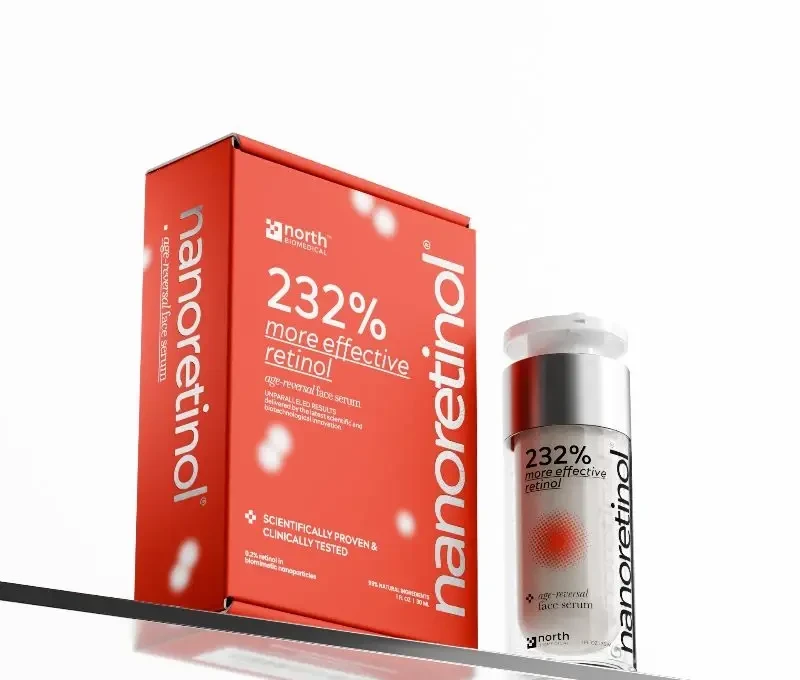
Nanoretinol resolves that conflict. Its retinol is encapsulated in biomimetic lipid nanoparticles that the skin recognizes as “self” and lets through the epithelial barrier without breaching it, the same class of nanotechnology used in modern drug delivery. In North Biomedical’s clinical study, the encapsulated form was 232% more effective than conventional retinol in collagen recovery and 73% more effective in elastin recovery, with drastically reduced cytotoxicity. At 0.2% in a water-based gel with 99% natural ingredients, it pairs with a barrier-supporting routine instead of working against it.
Where It Fits on Your Shelf
Hemp seed oil is a well-chosen emollient with an unusually favorable fatty acid profile and a reputation problem borrowed from a different product. If your skin is dry, tight or reactive, it is one of the better oils to reach for, and the linoleic content is a real reason rather than a marketing one. It restores the wall; something else has to rebuild the frame.
References
- Citti C, Linciano P, Panseri S, Vezzalini F, Forni F, Vandelli MA, Cannazza G. “Cannabinoid Profiling of Hemp Seed Oil by Liquid Chromatography Coupled to High-Resolution Mass Spectrometry.” Frontiers in Plant Science. 2019;10:120. doi:10.3389/fpls.2019.00120
- Da Porto C, Decorti D, Natolino A. “Potential Oil Yield, Fatty Acid Composition, and Oxidation Stability of the Hempseed Oil from Four Cannabis Sativa L. Cultivars.” Journal of Dietary Supplements. 2015;12(1):1-10. doi:10.3109/19390211.2014.887601
- Hansen HS, Jensen B. “Essential Function of Linoleic Acid Esterified in Acylglucosylceramide and Acylceramide in Maintaining the Epidermal Water Permeability Barrier.” Biochimica et Biophysica Acta. 1985;834(3):357-363. doi:10.1016/0005-2760(85)90009-8
- Danby SG, AlEnezi T, Sultan A, Lavender T, Chittock J, Brown K, Cork MJ. “Effect of Olive and Sunflower Seed Oil on the Adult Skin Barrier: Implications for Neonatal Skin Care.” Pediatric Dermatology. 2013;30(1):42-50. doi:10.1111/j.1525-1470.2012.01865.x
- Downing DT, Stewart ME, Wertz PW, Strauss JS. “Essential Fatty Acids and Acne.” Journal of the American Academy of Dermatology. 1986;14(2 Pt 1):221-225. doi:10.1016/S0190-9622(86)70025-X
- Callaway JC, Schwab U, Harvima I, Halonen P, Mykkanen O, Hyvonen P, Jarvinen T. “Efficacy of Dietary Hempseed Oil in Patients with Atopic Dermatitis.” Journal of Dermatological Treatment. 2005;16(2):87-94. doi:10.1080/09546630510035832