Best Cleansing Oil: How to Judge One Past the Marketing
Almost every cleansing oil claims to melt away makeup. Only two things on the label actually predict how one will behave.
Stand in front of the cleansing oil section of any beauty retailer and you will read the same sentence forty times. Melts away makeup, sunscreen, and impurities. Every bottle says it. Almost none of them tell you the two things that actually separate a cleansing oil you will finish from one that will sit in your cabinet after three uses.
Those two things are the emulsifier system and the fatty acid profile of the base oil. Everything else on the front of the box is decoration.
Why an oil step exists at all
The case for oil cleansing is not aesthetic. It is a solubility problem. Sunscreen filters, long-wear foundation, and the silicones that make both of them cling are lipophilic, and water-based surfactants struggle to lift them off in a single pass.
There is a study that puts a number on this. Researchers compared washing sunscreen off with water alone, with a standard facial cleanser, and with a cleansing oil, then measured what stayed behind. Water alone left roughly 54% of the sunscreen still on the skin. The cleanser and the cleansing oil both brought that down to the 13-16% range. For waterproof sunscreen specifically, the cleansing oil was the option that worked [1].
That is the whole argument for double cleansing, and it is a narrow one. If you wear no sunscreen and no makeup, an oil cleanser solves a problem you do not have.
The emulsifier is the part that fails
Every cleansing oil contains a surfactant blended into the oil phase. Its job is to let the oil grab water when you add it at the sink and rinse away as a thin milk instead of a slick. That transition is called emulsification, and it is where cheap formulas fall apart.
You rinse, your skin feels coated rather than clean, and by morning your face looks congested.
You will usually see the emulsifier listed as PEG-20 glyceryl triisostearate, polysorbate 20, or sorbeth-30 tetraoleate. You do not need to memorize them. You need to notice whether one is present at all, and where it sits. If nothing resembling an emulsifier appears before the preservatives, you are looking at a plain oil blend that will need a second cleanse to remove the residue it leaves.
The failure mode is specific and recognizable. You rinse, your skin feels coated rather than clean, and by morning your face looks congested. People blame the oil for clogging them when the actual culprit was an emulsifier that could not carry the oil down the drain. A cleansing balm has the same design problem in solid form.
Fatty acids decide how your barrier takes it
Here is the part almost no product page mentions. The plant oil at the top of the ingredient list has a fatty acid composition, and that composition changes what the oil does to your stratum corneum.
The clearest demonstration is a forearm-controlled trial that compared olive oil against sunflower seed oil on adult skin. Olive oil, which is high in oleic acid, significantly reduced stratum corneum integrity and produced visible erythema. Sunflower seed oil, which is high in linoleic acid, preserved barrier integrity and improved hydration [2]. Same category of product, opposite effect on the barrier.
The mechanism behind the olive oil result is well characterized. Oleic acid fluidizes the lipid lamellae between your surface cells, which increases permeability and raises water loss [3]. That property is genuinely useful when a formulator wants to drive an active deeper. It is much less welcome in a product you are rubbing across your whole face every night.
So when you scan the label, look at what the first oil is. Sunflower, safflower, grapeseed, and rosehip sit on the linoleic-rich side. Olive, marula, and many of the oils marketed as luxurious sit on the oleic-rich side. If your skin runs sensitive or your barrier is already compromised, the linoleic-leaning formulas are the safer default.
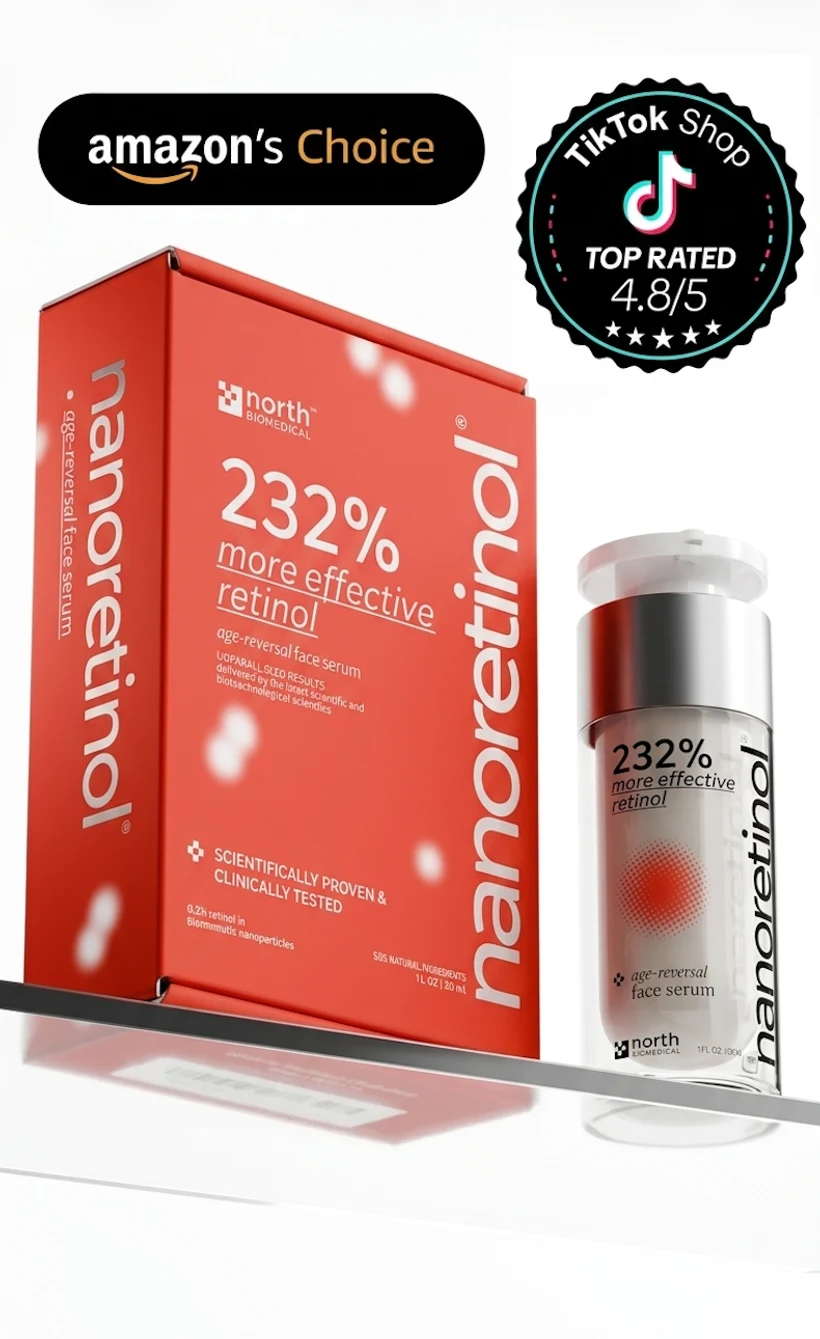
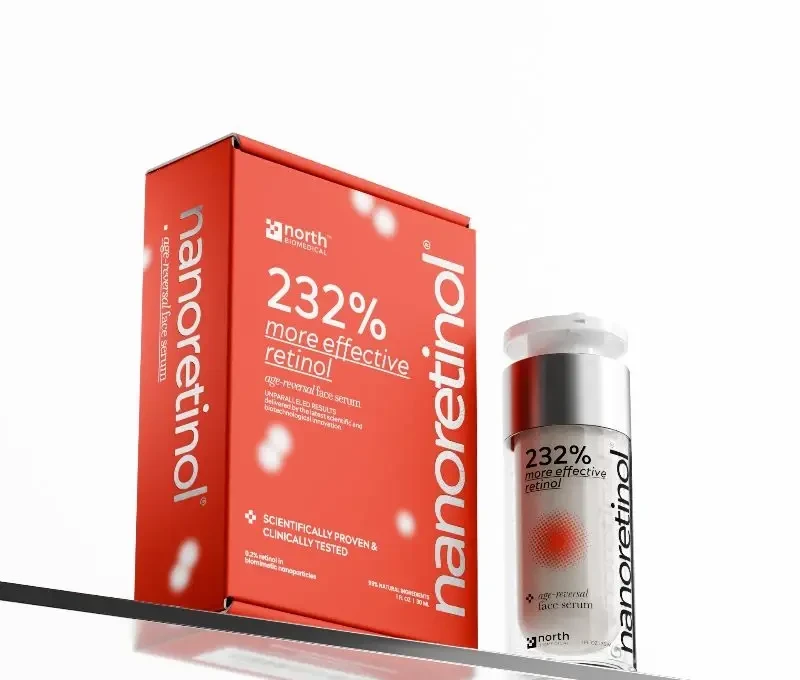
North Biomedical’s clinical study found the system 232% more effective than conventional retinol in collagen recovery and 73% more effective in elastin recovery, at a concentration of just 0.2%.
The mineral oil question
Mineral oil gets treated as a contaminant in clean beauty marketing, and the evidence does not support that. Cosmetic-grade mineral oil scored zero for comedogenicity in both rabbit-ear assay testing and human use tests, at concentrations as high as 30% [4]. It is inert, it does not oxidize, and it is one of the more reliable performers in this category.
If you avoid it on principle, that is a legitimate preference. Just do not avoid it believing it will clog your pores, because that claim has been tested and it did not hold.
What happens after the oil
The second cleanse matters more than people think, and it is where most skin gets damaged. Repeated surfactant exposure measurably raises transepidermal water loss and produces visible dryness on human volunteers [5]. Cleanser pH compounds it. Alkaline products push skin surface pH up and impair both barrier recovery and antimicrobial defense, though pH alone does not guarantee a product is mild [6].
Modern mild-cleansing technology exists precisely to solve this, using surfactant blends and moisturizing additives that clean without stripping the intercellular lipids [7]. The practical version: follow your oil with a low-pH, non-foaming or gently foaming cleanser, and stop at that. A third pass with micellar water after both is a habit worth dropping.
Mature skin changes the calculation
Sebum output falls with age, and the surface lipids that used to buffer a harsh cleanser are simply less abundant after menopause. An oil first step tends to suit mature skin well for that reason. It removes the day without a surfactant ever touching a dry face first.
There is a second reason it matters. If you use a retinoid, cleansing damage and retinoid irritation stack. Skin that arrives at the treatment step already stripped will read a well-tolerated retinoid as intolerable, and most people respond by quitting the retinoid rather than fixing the cleanser.
Where this connects to what you put on afterward
The cleansing step decides how much barrier you have left to spend on actives. That framing is what makes the retinol conversation different for people who cleanse gently.
Conventional retinol is fat-soluble and unstable, which is why it usually arrives in a heavy, occlusive cream that penetrates by disrupting the barrier you just protected. Nanoretinol takes a different route. It encapsulates retinol in biomimetic lipid nanoparticles that the skin recognizes as “self” and allows through the epithelial barrier, so the delivery does not depend on damaging that barrier. North Biomedical’s clinical study found the system 232% more effective than conventional retinol in collagen recovery and 73% more effective in elastin recovery, at a concentration of just 0.2% [8]. It is water-based and gel-like, so it layers over freshly cleansed skin without the occlusive load.
Cleansing gently and then applying something that does not undo the gentleness is the whole point.
Choosing one this week
Turn the bottle around. Confirm there is a real emulsifier in the formula. Check whether the lead oil is linoleic-rich or oleic-rich, and pick accordingly for how reactive your skin is. Ignore the word luxurious. Then use it only on the days you actually wore sunscreen or makeup, because on the other days the oil step is effort your skin did not ask for.
References
- Chen W, He M, Xie L, Li L. “The Optimal Cleansing Method for the Removal of Sunscreen: Water, Cleanser or Cleansing Oil?” Journal of Cosmetic Dermatology. 2020;19(1):180-184. doi:10.1111/jocd.12995
- Danby SG, AlEnezi T, Sultan A, Lavender T, Chittock J, Brown K, Cork MJ. “Effect of Olive and Sunflower Seed Oil on the Adult Skin Barrier: Implications for Neonatal Skin Care.” Pediatric Dermatology. 2013;30(1):42-50. PMID: 22995032
- Tanojo H, Boelsma E, Junginger HE, Ponec M, Boddé HE. “In Vivo Human Skin Permeability Enhancement by Oleic Acid: A Laser Doppler Velocimetry Study.” Journal of Controlled Release. 1999;58(1):97-104. PMID: 10021493
- DiNardo JC. “Is Mineral Oil Comedogenic?” Journal of Cosmetic Dermatology. 2005;4(1):2-3. PMID: 17134413
- Tupker RA, Pinnagoda J, Coenraads PJ, Nater JP. “The Influence of Repeated Exposure to Surfactants on the Human Skin as Determined by Transepidermal Water Loss and Visual Scoring.” Contact Dermatitis. 1989;20(2):108-114. PMID: 2706957
- Hawkins S, Dasgupta BR, Ananthapadmanabhan KP. “Role of pH in Skin Cleansing.” International Journal of Cosmetic Science. 2021;43(4):474-483. PMID: 34137035
- Ananthapadmanabhan KP, Moore DJ, Subramanyan K, Misra M, Meyer F. “Cleansing Without Compromise: The Impact of Cleansers on the Skin Barrier and the Technology of Mild Cleansing.” Dermatologic Therapy. 2004;17(Suppl 1):16-25. PMID: 14728695
- North Biomedical LLC. “Nanoretinol vs. Conventional Retinol: Efficacy in Collagen and Elastin Recovery.” Clinical Study Summary, 2024. Study summary