Kojic Acid for Skin: The Fungus-Derived Brightener That Fights Dark Spots Without Hydroquinone
How this natural tyrosinase inhibitor works, what clinical trials prove, and how to pair it with retinol for stubborn hyperpigmentation
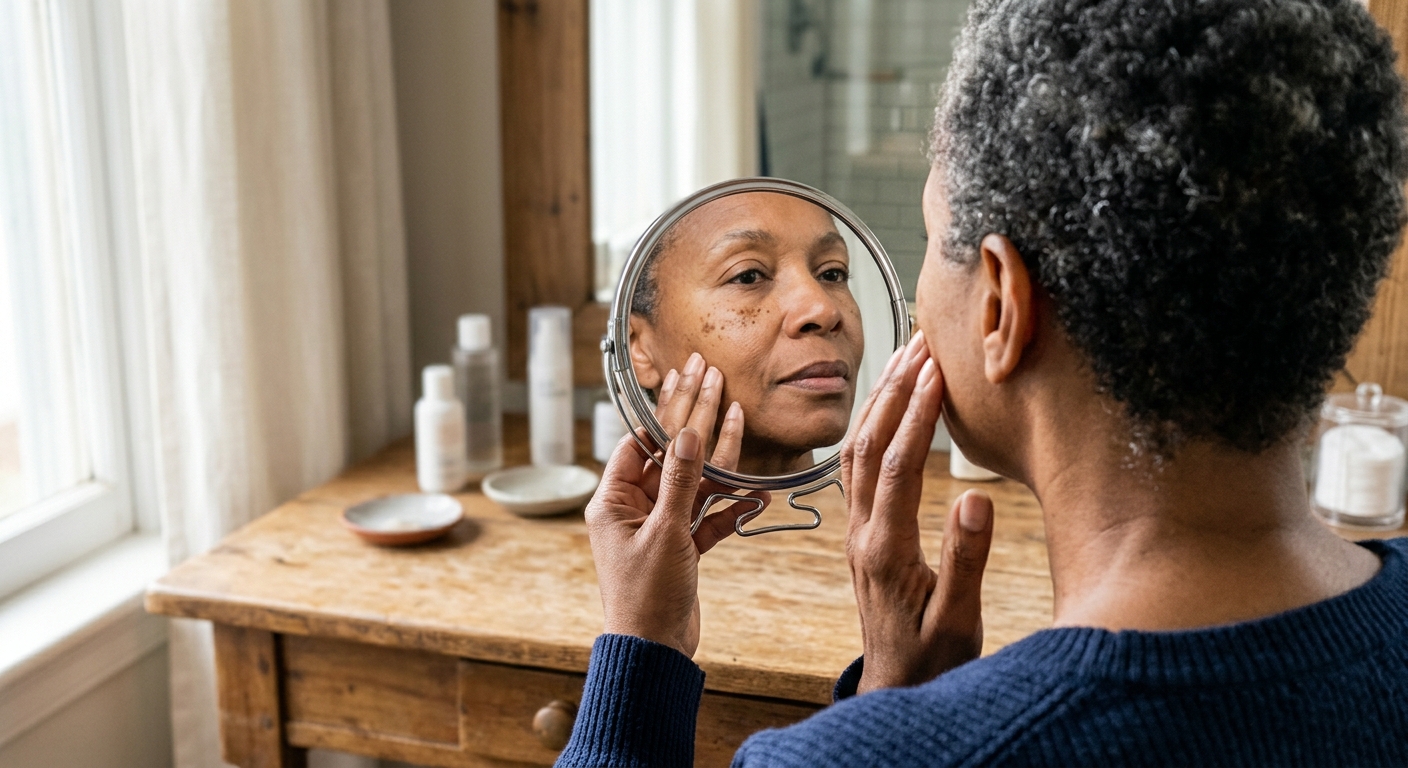
Dark spots have a way of making skin look years older than it is. Age spots, sun damage, melasma — they all share one common driver: excess melanin production. And while hydroquinone has long been the go-to treatment, many women are looking for alternatives that don’t carry the same risk profile.
Enter kojic acid. Derived from fungi — specifically from the fermentation process of malting rice for sake production — this naturally occurring compound has been used in Japanese skincare for decades. The science behind it is solid, and for women over 40 dealing with stubborn hyperpigmentation, it’s worth understanding.
How Kojic Acid Works: The Tyrosinase Connection
To understand kojic acid, you need to understand melanin production. When your skin is exposed to UV radiation, inflammation, or hormonal changes, it triggers an enzyme called tyrosinase. Tyrosinase catalyzes the oxidation of tyrosine into melanin — the pigment that creates dark spots, uneven tone, and hyperpigmentation.
Kojic acid is a competitive inhibitor of tyrosinase. A 2016 study published in Nature Scientific Reports used X-ray crystallography to visualize exactly how kojic acid binds to tyrosinase. The researchers found that kojic acid chelates the copper ions in the enzyme’s active site, physically blocking the catalytic reaction that produces melanin (Goldfeder et al., 2014).
This mechanism is fundamentally different from hydroquinone, which kills melanocytes (the cells that produce melanin). Kojic acid doesn’t destroy cells — it simply slows them down. That’s a critical safety distinction.
What the Clinical Evidence Shows
Effective for Melasma
A randomized, single-blind comparative study published in the Indian Dermatology Online Journal tested kojic acid 1% cream against various combinations in 80 melasma patients over 12 weeks. All groups showed significant decreases in MASI (Melasma Area Severity Index) scores. Notably, kojic acid alone demonstrated meaningful efficacy, though its combination with hydroquinone 2% produced the strongest results (Deo et al., 2013).
Consistent Tyrosinase Inhibition Across Cell Types
A 2022 study in the International Journal of Molecular Sciences systematically compared kojic acid against arbutin variants (alpha-arbutin, beta-arbutin, and deoxyarbutin) as tyrosinase inhibitors. Kojic acid proved to be the most consistent inhibitor — it effectively blocked both monophenolase and diphenolase activity of tyrosinase and reduced melanin content in B16F10 melanoma cells without cytotoxicity. The arbutins showed inconsistent or contradictory results depending on concentration (Wang et al., 2022).
Broad Biomedical Applications
A comprehensive review published in Biomedicine & Pharmacotherapy documented kojic acid’s established efficacy as a depigmenting agent with additional antioxidant, anti-inflammatory, and UV-protective properties. The review confirmed that kojic acid concentrations of 1% are recommended for safe human use in cosmetic formulations (Saeedi et al., 2019).
When your skin is exposed to UV radiation, inflammation, or hormonal changes, it triggers an enzyme called tyrosinase.
The Tyrosinase Inhibitor Landscape
A comprehensive review in Journal of Enzyme Inhibition and Medicinal Chemistry compared dozens of tyrosinase inhibitors and found that while kojic acid (IC50 > 500 µmol/L) is a weaker inhibitor of human tyrosinase compared to hydroquinone, it remains one of the most widely validated depigmenting agents with an acceptable safety profile for long-term cosmetic use (Zolghadri et al., 2019).
Kojic Acid vs. Other Brightening Ingredients
How does kojic acid stack up against the competition? Here’s an honest comparison:
Kojic acid vs. hydroquinone: Hydroquinone is stronger but carries risks of ochronosis (paradoxical darkening) with long-term use and is banned or restricted in many countries. Kojic acid is gentler and safer for extended use.
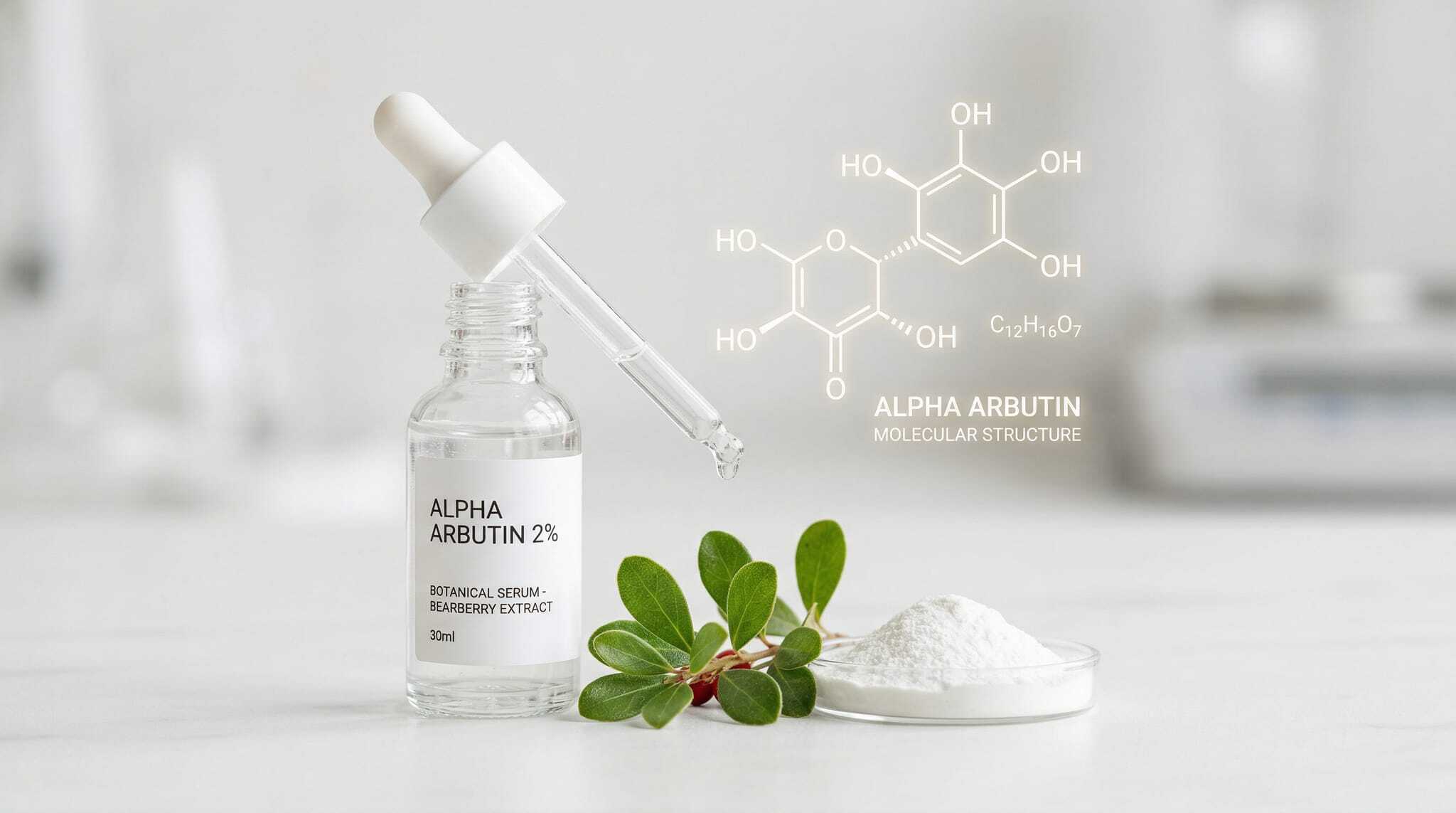
Kojic acid vs. alpha arbutin: Both inhibit tyrosinase, but alpha arbutin’s results are less consistent across studies. Kojic acid has more predictable performance.
Kojic acid vs. tranexamic acid: Tranexamic acid works through a different mechanism (blocking plasminogen activation). They complement each other and can be used together.
Kojic acid vs. vitamin C: Vitamin C primarily works as an antioxidant that interrupts melanin synthesis at a different step. Combining them can enhance brightening results.
Why Women Over 40 Should Pay Attention
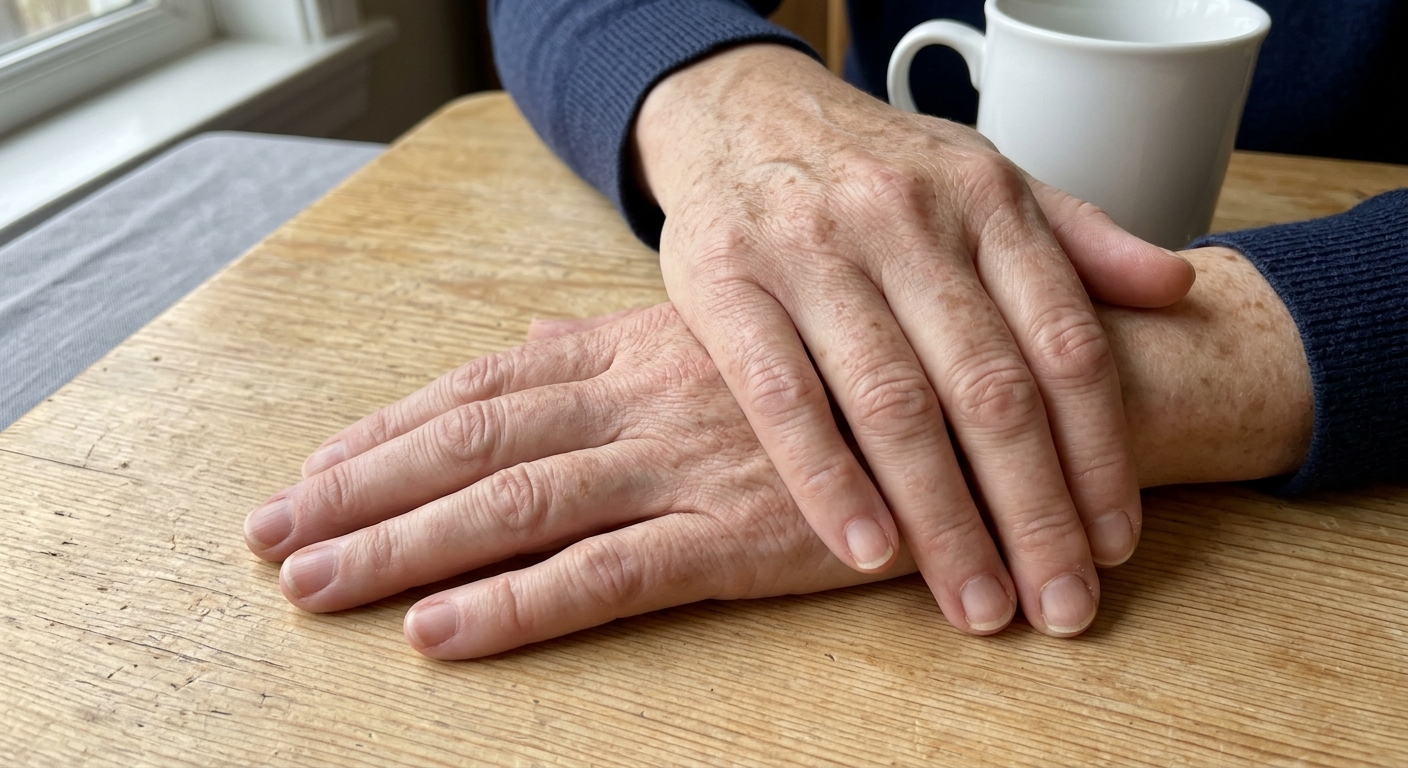
After 40, hyperpigmentation becomes one of the most visible signs of aging — often more noticeable than fine lines. Here’s why:
- Decades of UV exposure accumulate as sun damage and age spots
- Hormonal shifts during perimenopause and menopause can trigger melasma
- Slower cell turnover means pigmented cells linger on the surface longer
- Post-inflammatory hyperpigmentation from acne or skin injuries becomes harder to resolve
Concentration matters: The Cosmetic Ingredient Review recommends concentrations up to 1% for leave-on products as safe for long-term use.
Kojic acid addresses the root cause — overactive tyrosinase — rather than just exfoliating the surface. That’s why it pairs so well with exfoliating agents like glycolic acid or retinol, which speed up the removal of already-pigmented cells from the surface.
Combining Kojic Acid With Retinol
This is where the real results happen. Retinol accelerates cell turnover, pushing pigmented cells to the surface faster, while kojic acid prevents new melanin from being produced. It’s a one-two punch:
- Retinol speeds up the removal of existing dark spots
- Kojic acid prevents new pigmentation from forming underneath
For those using retinol, Nanoretinol® offers an advantage here. In North Biomedical’s study summary it was 232% more effective in collagen recovery than conventional retinol, and its lipid nanoparticle delivery is significantly gentler on skin cells — reducing the irritation risk when layering with kojic acid.
How to layer them:
- Evening: Cleanse → kojic acid serum → wait 5 minutes → retinol → moisturizer
- Morning: Cleanse → vitamin C → sunscreen (SPF 30+, non-negotiable)
Safety and Side Effects
Kojic acid is generally well-tolerated, but it’s not without limitations:
- Contact dermatitis: Some individuals develop sensitivity, especially at concentrations above 2%. Patch test first.
- Instability: Kojic acid oxidizes quickly when exposed to air and light, turning brown. Store products in opaque, air-tight containers.
- Photosensitivity: Like most brightening agents, kojic acid makes skin more sensitive to UV damage. Daily SPF is essential.
- Concentration matters: The Cosmetic Ingredient Review recommends concentrations up to 1% for leave-on products as safe for long-term use.
How to Choose the Right Kojic Acid Product
Look for these features when shopping:
- Concentration of 1-2% for leave-on products (a kojic acid cream, a kojic acid serum, or a kojic acid lotion for larger areas of the body), since a rinse-off kojic acid soap spends only seconds on the skin
- Opaque packaging to prevent oxidation
- Combination formulas — kojic acid works best alongside other brighteners like niacinamide or alpha arbutin
- pH around 4-5 — kojic acid is most effective at a slightly acidic pH
- Paired with hydrating ingredients — hyaluronic acid or ceramides offset any dryness
The Bottom Line
Kojic acid isn’t the strongest brightening ingredient on the market, but it’s one of the safest for long-term use. Its ability to consistently inhibit tyrosinase — without killing melanocytes or causing the rebound pigmentation associated with hydroquinone — makes it an ideal choice for women over 40 dealing with stubborn dark spots, melasma, and uneven skin tone.
The best approach: combine it with retinol for accelerated turnover, wear sunscreen religiously, and give it 8-12 weeks to show visible results. Hyperpigmentation didn’t appear overnight, and it won’t disappear overnight either. But the science says kojic acid works — if you use it correctly.
References
-
Goldfeder, M., et al. (2014). Determination of tyrosinase substrate-binding modes reveals mechanistic differences between type-3 copper proteins. Nature Scientific Reports, 4, 34993. DOI: 10.1038/srep34993
-
Wang, Y., et al. (2022). Kojic Acid Showed Consistent Inhibitory Activity on Tyrosinase from Mushroom and in Cultured B16F10 Cells Compared with Arbutins. International Journal of Molecular Sciences, 23(6), 3086. PMC8944748
-
Deo, K.S., et al. (2013). Kojic Acid vis-a-vis its Combinations with Hydroquinone and Betamethasone Valerate in Melasma: A Randomized, Single Blind, Comparative Study of Efficacy and Safety. Indian Dermatology Online Journal, 4(3), 190-194. PMC3726874
-
Saeedi, M., et al. (2019). Kojic acid applications in cosmetic and pharmaceutical preparations. Biomedicine & Pharmacotherapy, 110, 582-593. DOI: 10.1016/j.biopha.2018.12.006
-
Zolghadri, S., et al. (2019). A comprehensive review on tyrosinase inhibitors. Journal of Enzyme Inhibition and Medicinal Chemistry, 34(1), 279-309. PMC6327992