Best Snail Mucin Serum: How to Judge a Filtrate That Has No Standard
The percentage on the bottle is the most advertised and least informative number on the label
Walk down the serum aisle and the snail category announces itself in numbers: 92%, 94%, 96%, 97%. The implication is obvious and almost entirely wrong. That figure describes how much of the formula is snail secretion filtrate. It says nothing about what is in the filtrate, because there is no standardised active to measure.
That single fact reframes the whole purchase. Choosing well means understanding what the ingredient is actually good at, which evidence supports it, and which formulation signals separate a serum doing real work from one selling a percentage.
What You Are Actually Buying
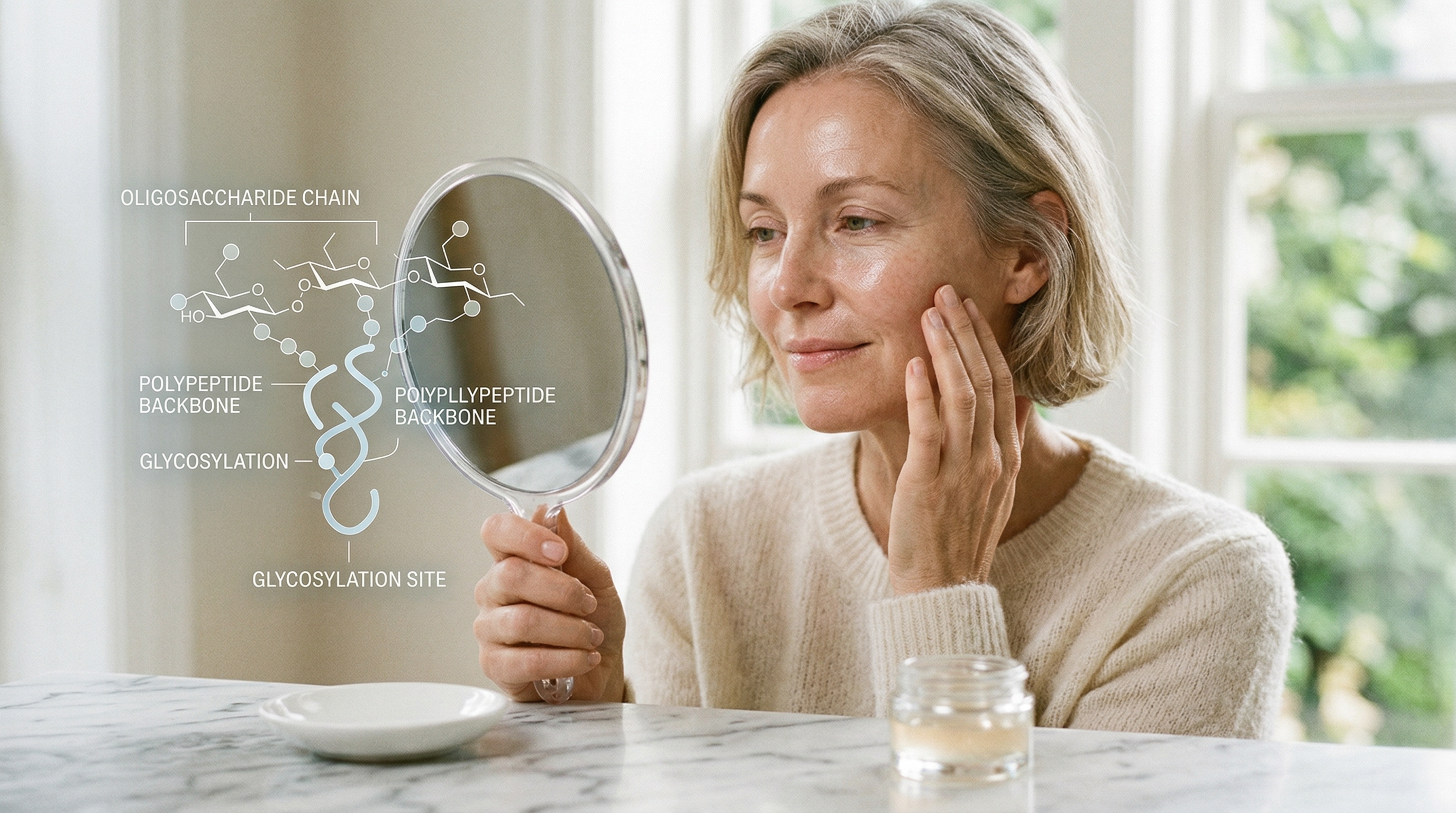
Snail secretion filtrate is the filtered mucus of the garden snail, most often Cryptomphalus aspersa. It is a mixture rather than a molecule: glycoproteins, glycosaminoglycans, allantoin, peptides and trace minerals, in proportions that shift with the species, the conditions under which the animal was stimulated, and how the raw secretion was filtered and preserved.
Compare that with a well-characterised active. A niacinamide serum at 5% contains a known quantity of a known molecule. A 96% snail mucin serum contains a lot of a variable substance.
This is not a reason to dismiss the ingredient. It is a reason to stop treating the number as a quality ranking, and to read the rest of the label instead.
What the Evidence Actually Shows
The laboratory work is more interesting than the marketing suggests. In cell culture, secretion from Cryptomphalus aspersa promoted the proliferation and migration of human keratinocytes in a time- and dose-dependent way, improved cell survival, and triggered signalling associated with tissue repair, including phosphorylation of focal adhesion kinase and nuclear localisation of β-catenin [1]. A separate group testing a snail mucus preparation on mammalian fibroblasts found no cytotoxicity, protection against apoptosis, and significant induction of both proliferation and migration [2].
Walk down the serum aisle and the snail category announces itself in numbers: 92%, 94%, 96%, 97%.
Human data exists too, and it is modest but real. A two-centre, double-blind randomised trial applied an 8% filtrate emulsion and a 40% filtrate serum to one side of the face against placebo on the other in 25 patients with facial photodamage. After twelve weeks, coarse periocular wrinkles on the active side showed significant improvement, along with fine facial rhytides [3]. A later three-month randomised, vehicle-controlled study in 50 women aged 45 to 65 reported reduced transepidermal water loss and significant improvements in skin roughness, firmness and elasticity in the active group [4].
Two caveats belong here. These trials used defined, characterised extracts at stated concentrations, not the generic high-percentage essences that dominate shelves. And the sample sizes are small. This is a good ingredient with supportive evidence, not a settled one.
The Job It Is Genuinely Good At
Read across those findings and a consistent picture emerges: hydration, barrier support, and an environment that favours repair. That is a legitimate and undervalued role. A stratum corneum with adequate water content and intact lipid organisation is more flexible, less reactive, and better at tolerating everything else you apply [5]. Anyone whose skin stings when they try actives is usually describing a barrier problem, not an actives problem.
Where snail mucin gets oversold is structural change. Plumping a fine line with water is temporary and reverses the moment the humidity drops. That is worth knowing before you spend on a serum expecting it to do a retinoid’s job.
How to Judge One Without the Hype
Read the INCI position, not the front label. Snail secretion filtrate should sit at or near the top. A product advertising 96% on the front while listing water first is telling on itself.
Look at what is alongside it. Panthenol, glycerin, hyaluronic acid, niacinamide and ceramides all complement a humectant filtrate. A short, coherent supporting cast beats a list of thirty botanical extracts at fragrance-level inclusion.
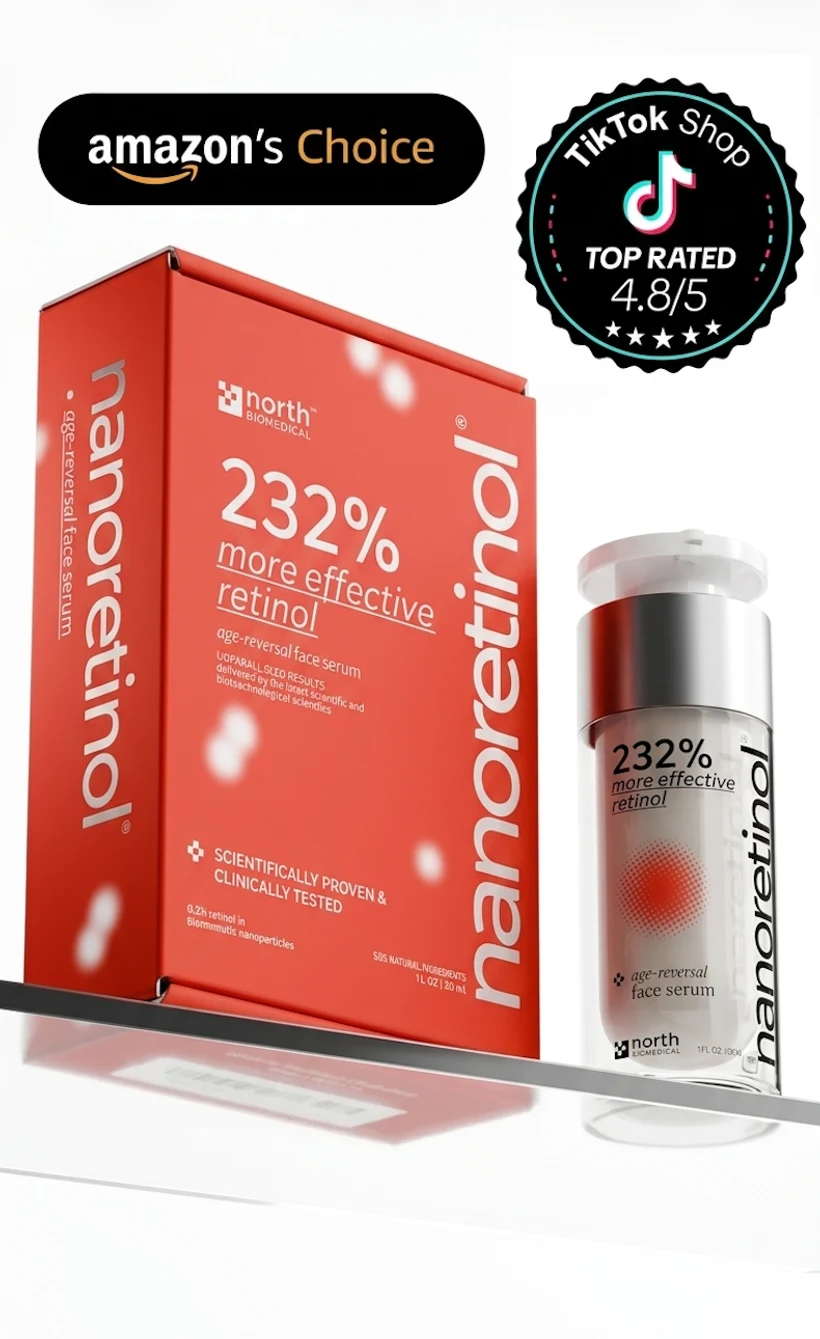
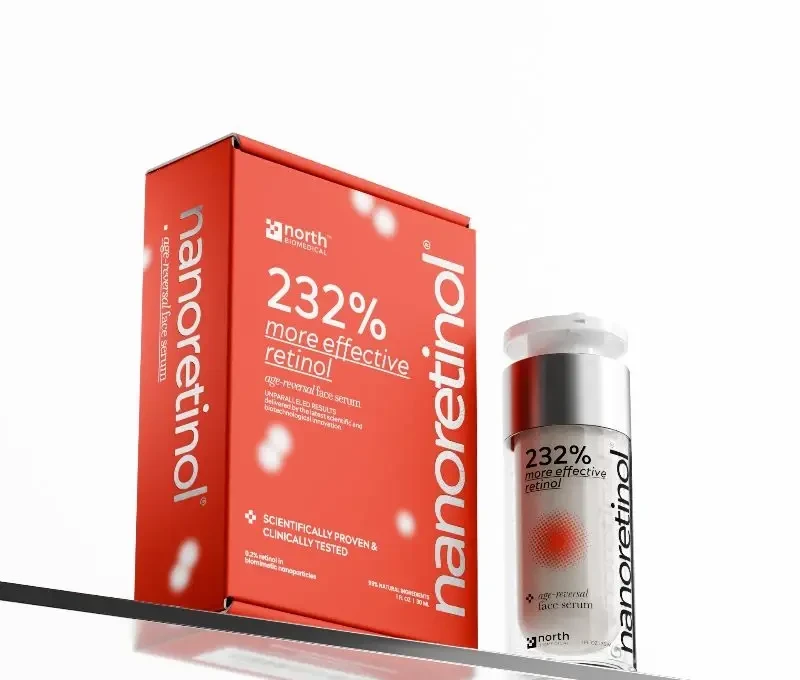
Nanoretinol resolves the contradiction by encapsulating 0.2% retinol in biomimetic lipid nanoparticles that the skin recognises as self and admits without barrier damage.
Avoid the barrier antagonists. High fragrance loads, denatured alcohol high in the list, and essential oils undercut the exact benefit you are buying, particularly on a compromised skin barrier.
Judge the texture against your climate. Mucin serums are humectant-led, and a humectant with nothing sealing it in can pull water outward in dry air. In winter, layer a moisturiser over it rather than leaving it as the final step.
Patch test properly. Allergy to mucin is uncommon but documented, and this is a raw animal-derived filtrate rather than a purified molecule. Two days on the inner forearm costs nothing.
Ignore price as a proxy for quality. There is no premium fraction to pay for. Formulation quality and the supporting ingredient list are the only things separating a $12 serum from a $60 one.
If you want the full mechanistic background on the ingredient itself, our deeper look at how snail mucin works on skin covers the biology in more detail.
Where It Fits in a Routine That Changes Skin
Snail mucin is a good foundation layer and a poor headline act. It hydrates, it supports the barrier, and it makes the rest of a routine more tolerable. What it does not do is rebuild the collagen and elastin whose loss creates a wrinkle in the first place. If your skin is chronically dehydrated, fixing that first is the right sequence. It is just not the finish line.
Retinoids remain the best-evidenced answer to structural ageing, and the practical obstacle has always been tolerance. Conventional retinol formulations rely on disrupting the skin barrier to push the molecule through, which is a strange thing to do immediately after applying a serum bought to support that barrier. Nanoretinol resolves the contradiction by encapsulating 0.2% retinol in biomimetic lipid nanoparticles that the skin recognises as self and admits without barrier damage. That delivery is why it produces 232% more effective collagen recovery and 73% more effective elastin recovery than conventional retinol, while remaining significantly gentler on skin cells.
In practice that makes the two genuinely complementary: a mucin layer at night on damp skin, Nanoretinol over it, sunscreen the next morning. Retinoid products are not stacked with one another, so this replaces any other retinol in the routine rather than joining it.
Buying It Without the Hype
Pick a serum where the filtrate leads the ingredient list, the supporting cast is short and sensible, and the fragrance is absent. Ignore the percentage on the front entirely. Then be honest with yourself about what you have bought: an excellent hydrator and barrier support that makes your skin more comfortable and more tolerant, working best underneath the product that is doing the structural work.
References
- Cruz MC, Sanz-Rodríguez F, Zamarrón A, et al. “A Secretion of the Mollusc Cryptomphalus aspersa Promotes Proliferation, Migration and Survival of Keratinocytes and Dermal Fibroblasts In Vitro.” International Journal of Cosmetic Science. 2012;34(2):183-189. doi:10.1111/j.1468-2494.2011.00699.x
- Trapella C, Rizzo R, Gallo S, et al. “HelixComplex Snail Mucus Exhibits Pro-Survival, Proliferative and Pro-Migration Effects on Mammalian Fibroblasts.” Scientific Reports. 2018;8(1):17665. doi:10.1038/s41598-018-35816-3
- Fabi SG, Cohen JL, Peterson JD, Kiripolsky MG, Goldman MP. “The Effects of Filtrate of the Secretion of the Cryptomphalus aspersa on Photoaged Skin.” Journal of Drugs in Dermatology. 2013;12(4):453-457. PMID: 23652894
- Lim VZ, Yong AA, Tan WPM, et al. “Efficacy and Safety of a New Cosmeceutical Regimen Based on the Combination of Snail Secretion Filtrate and Snail Egg Extract to Improve Signs of Skin Aging.” Journal of Clinical and Aesthetic Dermatology. 2020;13(3):31-36. PMID: 32308795
- Rawlings AV, Harding CR. “Moisturization and Skin Barrier Function.” Dermatologic Therapy. 2004;17(Suppl 1):43-48. doi:10.1111/j.1396-0296.2004.04S1005.x