Snail Mucin Benefits for Skin: What the Science Really Says
Separating K-beauty hype from peer-reviewed evidence on snail secretion filtrate
What Exactly Is Snail Mucin?
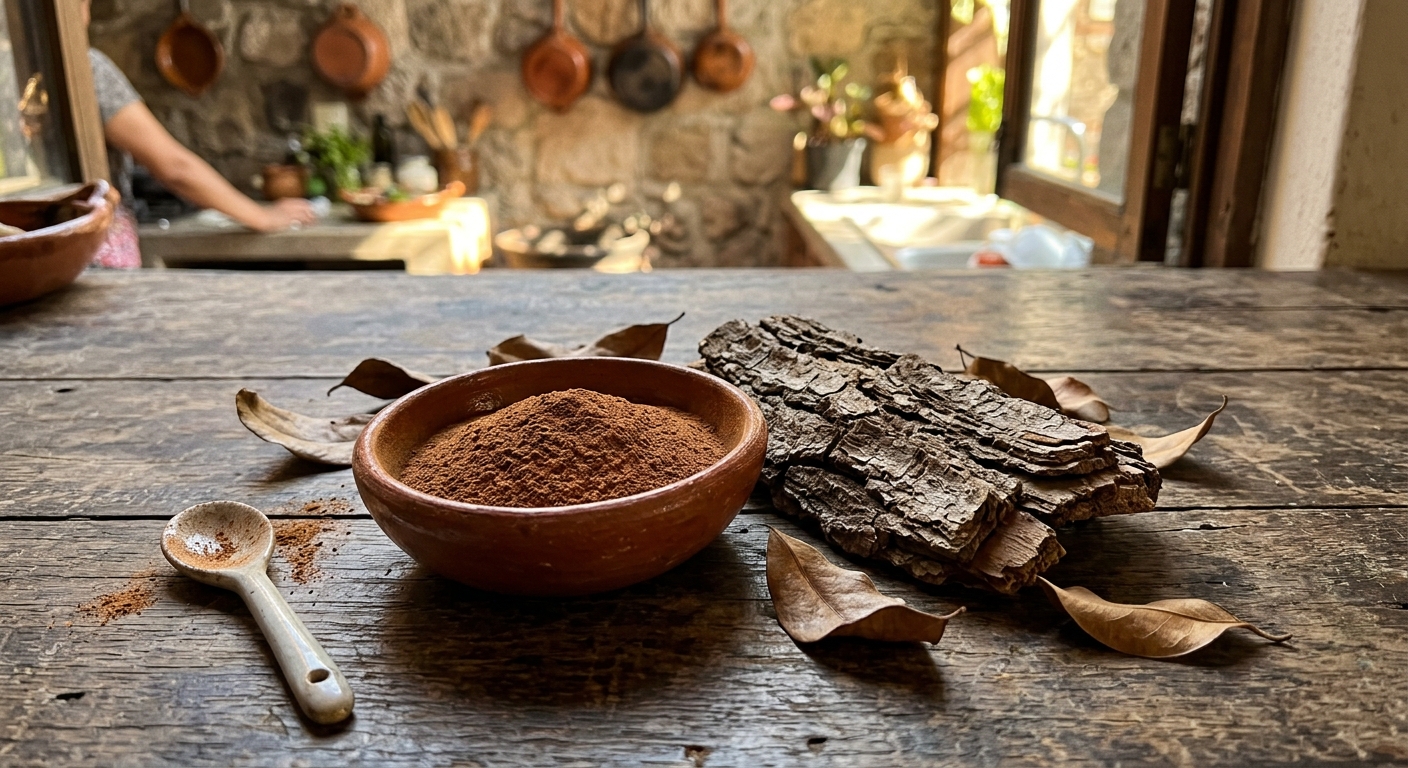
Snail mucin — technically called snail secretion filtrate (SSF) — is the clear, viscous fluid that garden snails produce to protect and repair their soft bodies as they glide across rough surfaces. The species most commonly used in skincare is Cryptomphalus aspersa (also classified as Cornu aspersum or Helix aspersa), the common garden snail native to the Mediterranean.
The ingredient shot to mainstream fame through Korean beauty (K-beauty) in the early 2010s, though its roots in skin repair go back much further. Chilean snail farmers in the 1980s noticed that handling snails left their hands unusually soft and that minor cuts seemed to heal faster — an observation that eventually attracted the attention of cosmetic chemists [1].
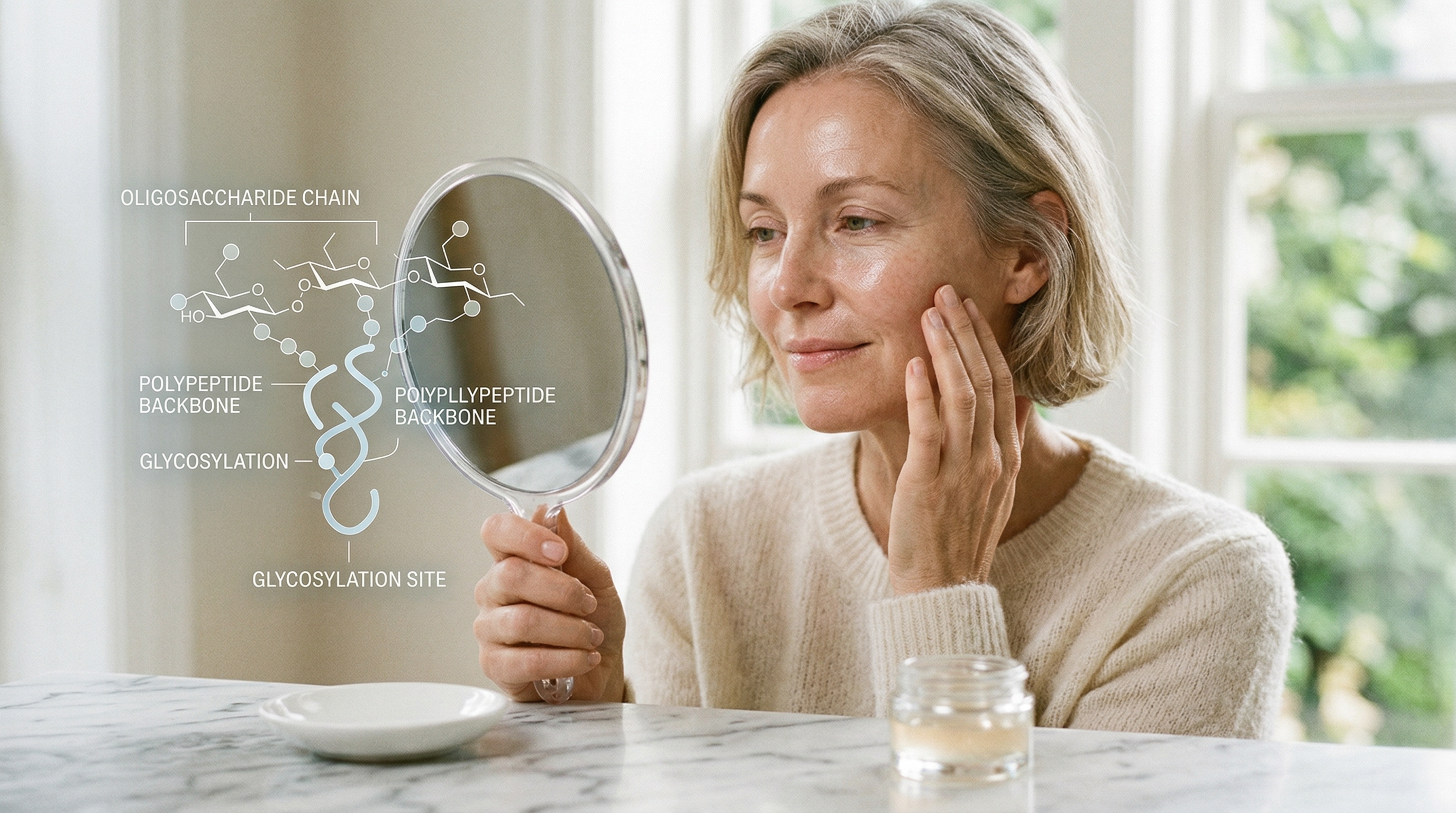
What makes snail mucin unusual is its biochemical complexity. Rather than delivering a single active molecule, it provides a cocktail of compounds the snail itself uses for tissue repair: glycoproteins, glycosaminoglycans (a family that includes hyaluronic acid), allantoin, zinc, and manganese [2]. If you are standing in front of the shelf, our guide to the best snail mucin serum turns that complexity into a buying rule. That complexity is both its appeal and its challenge — it makes the ingredient difficult to study in the clean, single-variable way researchers prefer.
The Composition: Why It Works on Multiple Levels
Understanding snail mucin’s potential starts with understanding what is actually in it. A 2008 study by Brieva and colleagues at the University of Alcalá identified the key bioactive fractions in Cryptomphalus aspersa secretion and mapped their effects on human skin cells [3]:
- Glycoproteins and glycosaminoglycans — These large molecules bind water and form a hydrating film on the skin surface, functioning similarly to how hyaluronic acid retains moisture in the extracellular matrix.
- Allantoin — A well-established skin soother that promotes cell proliferation and has been used in wound-care formulations for decades.
- Copper peptides and zinc — Trace elements involved in collagen synthesis and wound repair, overlapping with the benefits seen in dedicated copper peptide skincare.
- Antioxidant enzymes — Including superoxide dismutase (SOD) and glutathione S-transferase, which neutralize free radicals — the same oxidative stress pathway targeted by antioxidant skincare.
The Brieva study found that this secretion stimulated the proliferation and migration of both keratinocytes (the cells forming the skin’s outer barrier) and fibroblasts (the cells that produce collagen and elastin in the dermis) [3]. A follow-up study by Iglesias-de la Cruz et al. confirmed these effects were both dose-dependent and time-dependent, meaning more mucin applied for longer produced stronger cellular responses [4].
What the Clinical Evidence Actually Shows
Hydration and Barrier Repair
The most consistently supported benefit of snail mucin is hydration. A 2020 split-face trial found that a cream containing 80% snail mucin applied twice daily for four weeks significantly improved dermal density, skin elasticity, and moisture retention compared to the untreated side [5]. The effect aligns with what you would expect from an ingredient rich in glycosaminoglycans and glycoproteins — it holds water at the skin surface and reinforces the moisture barrier.
For anyone whose skin feels tight or dehydrated — especially after using active ingredients like retinoids — snail mucin’s hydrating properties make it a logical companion ingredient rather than a standalone solution.
Anti-Aging Effects
A clinical trial involving 125 women aged 40–65 evaluated Cryptomphalus aspersa secretion combined with antioxidant ingredients (ectoine, coffeeberry oil, and olive oil) applied daily for 45 days. Cutometry measurements showed improved firmness and elasticity at the dermal level [6]. However, it is important to note the formulation included multiple active ingredients, making it difficult to isolate how much of the effect came from snail mucin alone.
If you are standing in front of the shelf, our guide to the best snail mucin serum turns that complexity into a buying rule.
A separate study by Fabi et al. examined the effects of SCA filtrate on photoaged skin and found improvements in periorbital wrinkles and skin texture, though the study population was small and lacked a placebo control group [7].
Wound Healing
Wound healing is where snail mucin has some of its most compelling — and earliest — evidence. Tsoutsos et al. reported in a 2009 study that Helix aspersa extract accelerated healing in partial-thickness burn patients, reducing the time for eschar detachment and producing outcomes comparable to standard wound care protocols [8]. The authors concluded it represented “a natural, safe, and effective alternative treatment in open wound management.”
More recent research has shown that snail mucin promotes the expression of key adhesion proteins — E-cadherin, β-catenin, vinculin, and β1-integrin — suggesting it helps cells bind together more effectively during the repair process [4]. This mechanism is relevant not just for wounds but for post-procedure recovery after treatments like microneedling or laser resurfacing.
Where the Evidence Falls Short
For all its promise, snail mucin research has real limitations that honest reporting demands:
Small study sizes. Most clinical trials involve fewer than 60 participants, and several are uncontrolled or use split-face designs rather than placebo-controlled methodology.
Combination formulations. Many studies test snail mucin alongside other active ingredients (antioxidants, alpha-hydroxy acids), making it impossible to isolate snail mucin’s individual contribution.
Standardization problems. The composition of snail secretion varies depending on the snail’s diet, environment, stress level, and the extraction method used. Two products labeled “snail mucin” may contain meaningfully different concentrations of active compounds [2].
No long-term data. Most studies run four to twelve weeks. We lack data on what happens with prolonged use or whether benefits plateau.
None of this means snail mucin does not work — the biological plausibility is strong and the existing evidence is generally positive. But the ingredient is earlier in its scientific validation journey than compounds like retinol, which has over 50 years of rigorous clinical research behind it.
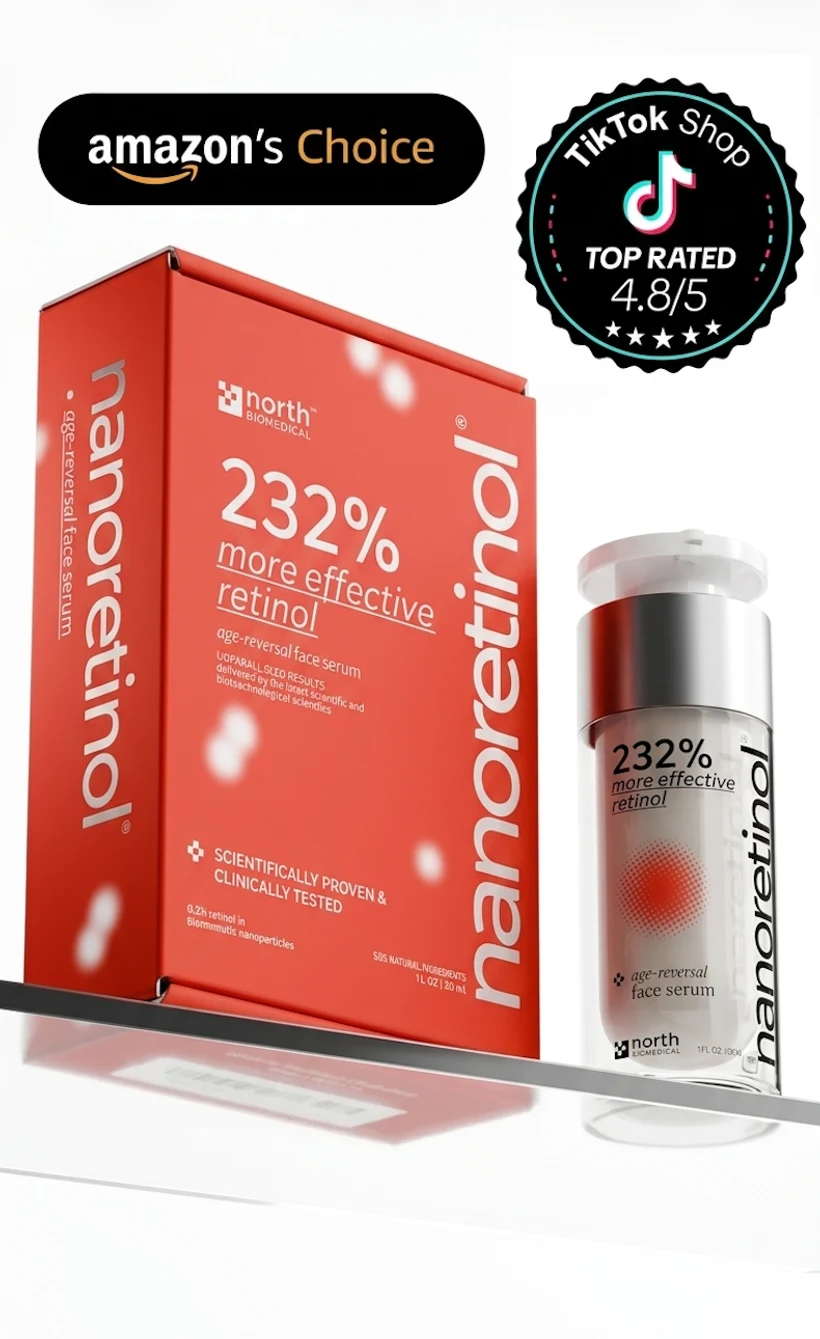
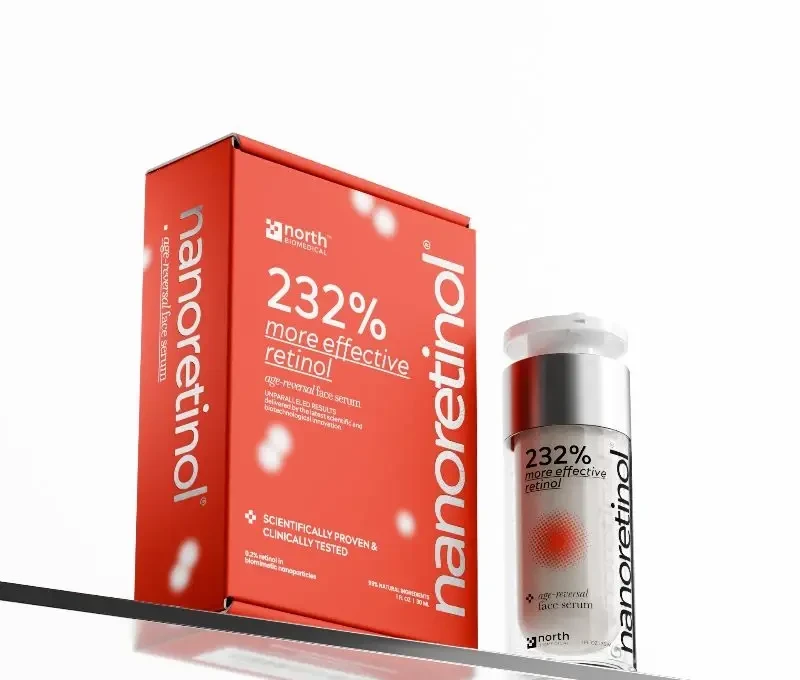
The result is 232% greater collagen recovery and 73% greater elastin recovery compared to conventional retinol, with significantly reduced irritation.
Where Snail Mucin Fits in a Serious Anti-Aging Routine
Snail mucin excels at hydration, soothing, and supporting skin repair. What it does not do — and no study has claimed — is directly stimulate collagen synthesis the way retinoids do, or provide the cellular-level turnover signal that drives measurable wrinkle reduction over time.
Think of it this way: snail mucin is an excellent support player, not a team captain. It pairs beautifully with active ingredients that drive structural change in the dermis — and in fact, its soothing and hydrating properties make it an ideal buffer against the irritation that stronger actives can cause.
This is where delivery technology becomes critical. Conventional retinol formulations often cause dryness and irritation precisely because they rely on harsh penetration enhancers to breach the skin barrier. Nanoretinol® takes a fundamentally different approach — encapsulating retinol in biomimetic lipid nanoparticles that the skin recognizes as its own. The result is 232% greater collagen recovery and 73% greater elastin recovery compared to conventional retinol, with significantly reduced irritation. Because Nanoretinol® does not damage the skin barrier to deliver its active ingredient, adding a hydrating layer of snail mucin on top creates a complementary pairing: deep structural repair from the retinoid, surface hydration and soothing from the mucin.
How to Use Snail Mucin Effectively
If you decide to incorporate snail mucin into your routine, a few practical guidelines:
Apply after actives, before moisturizer. Snail mucin serums and essences are water-based and absorb quickly. Layer them after any treatment serums (retinol, vitamin C, niacinamide) and before heavier creams or oils. Our guide to choosing a Korean moisturizer explains which cream textures suit which skin types.
Look for high concentration. Products listing snail secretion filtrate as the first or second ingredient deliver more of the bioactive compounds. The clinical studies showing positive results used formulations with 80%+ mucin content.
Patch test first. While allergic reactions are uncommon, anyone with a known shellfish or dust mite allergy should proceed cautiously — there is some cross-reactivity potential.
Be realistic about timeline. Hydration benefits appear quickly (days to weeks), but any anti-aging effects require consistent use over months.
References
-
Rashad M, Sampò S, Cataldi A, Zara S. “From Nature to Nurture: The Science and Applications of Snail Slime in Health and Beauty.” Journal of Cosmetic Dermatology. 2025;24(2):e70002. doi:10.1111/jocd.70002
-
Greistorfer S, Klepal W, Cyran N, et al. “Snail Mucus — Glandular Origin and Composition in Helix pomatia.” Zoology. 2017;122:126-138. doi:10.1016/j.zool.2017.05.001
-
Brieva A, Philips N, Tejedor R, et al. “Molecular Basis for the Regenerative Properties of a Secretion of the Mollusk Cryptomphalus Aspersa.” Skin Pharmacology and Physiology. 2008;21(1):15-22. doi:10.1159/000109084
-
Iglesias-de la Cruz MC, Sanz-Rodríguez F, Zamarrón A, et al. “A Secretion of the Mollusc Cryptomphalus Aspersa Promotes Proliferation, Migration and Survival of Keratinocytes and Dermal Fibroblasts In Vitro.” International Journal of Cosmetic Science. 2012;34(2):183-189. doi:10.1111/j.1468-2494.2011.00699.x
-
Snails and Skin: A Systematic Review on the Effects of Snail-based Products on Skin. Journal of Integrative Dermatology. 2024. doi:10.64550/joid.my5hzr63
-
Addor FAS. “Topical Effects of SCA® (Cryptomphalus Aspersa Secretion) Associated with Regenerative and Antioxidant Ingredients on Aged Skin: Evaluation by Confocal and Clinical Microscopy.” Clinical, Cosmetic and Investigational Dermatology. 2019;12:133-141. doi:10.2147/CCID.S191153
-
Fabi SG, Cohen JL, Peterson JD, Kiripolsky MG, Goldman MP. “The Effects of Filtrate of the Secretion of the Cryptomphalus Aspersa on Photoaged Skin.” Journal of Drugs in Dermatology. 2013;12(4):453-457. PMID: 23652893
-
Tsoutsos D, Kakagia D, Tamparopoulos K. “The Efficacy of Helix Aspersa Müller Extract in the Healing of Partial Thickness Burns: A Novel Treatment for Open Burn Management Protocols.” Journal of Dermatological Treatment. 2009;20(4):219-222. doi:10.1080/09546630802582037