Glutathione for Skin: The Antioxidant That Fights Aging at the Cellular Level
How the body's master antioxidant protects against photoaging, brightens skin tone, and why delivery matters
What Glutathione Actually Is — and Why Your Skin Needs It
Glutathione is a tripeptide — a molecule made of three amino acids (glutamate, cysteine, and glycine) — produced naturally by every cell in your body. Immunologists call it the “master antioxidant” because it serves as the primary line of defense against oxidative stress, the cumulative cellular damage caused by free radicals from UV exposure, pollution, and normal metabolic processes [1].
In the skin specifically, glutathione plays a dual role. First, it neutralizes reactive oxygen species (ROS) before they can degrade collagen fibers, damage cell membranes, and trigger the inflammatory cascades that accelerate visible aging. Second, it directly influences melanin production — the pigment system responsible for skin tone, dark spots, and hyperpigmentation.
What makes glutathione particularly interesting for anti-aging is that its levels decline with age. By your 40s, your cells produce measurably less glutathione than they did in your 20s, which means the antioxidant shield weakening just as cumulative sun damage intensifies [2]. This convergence helps explain why photoaging seems to accelerate in midlife — the damage is increasing while the defense is decreasing.
How Glutathione Affects Skin Pigmentation
Glutathione’s influence on skin brightness operates through two distinct mechanisms, both centered on melanin biosynthesis:
Tyrosinase inhibition. Tyrosinase is the rate-limiting enzyme in melanin production — essentially the bottleneck through which all pigment must pass. Glutathione inhibits tyrosinase activity, slowing melanin synthesis at the source. This is the same enzymatic target that alpha arbutin and tranexamic acid work on, though through different chemical mechanisms [3].
Melanin pathway switching. Your body produces two types of melanin: eumelanin (dark brown-black pigment) and pheomelanin (lighter, yellow-red pigment). Glutathione shifts the balance toward pheomelanin production by binding to the active site of tyrosinase in a way that favors the lighter pigment pathway [3]. The result is not a dramatic bleaching effect but a gradual brightening and evening of skin tone.
This dual mechanism — less melanin overall, plus a shift toward lighter pigment — is why glutathione has attracted significant research attention for treating uneven skin tone and post-inflammatory hyperpigmentation.
What the Clinical Trials Show
Oral Glutathione
The landmark study on oral glutathione for skin was conducted by Arjinpathana and Asawanonda at Chulalongkorn University in Bangkok. In this randomized, double-blind, placebo-controlled trial, 60 participants took either 500 mg/day of glutathione or placebo for four weeks. The glutathione group showed statistically significant reductions in melanin index at multiple sites, particularly sun-exposed areas like the face and forearms [4].
A subsequent study by Weschawalit et al. used a lower dose of 250 mg/day and found significant skin-lightening effects after just four weeks, along with improvements in skin elasticity and wrinkle reduction — suggesting antioxidant benefits beyond pigmentation alone [5].
Results showed melanin index reductions at all measured sites, with 90% of subjects reporting noticeable skin lightening on global assessment.
Handog et al. tested 500 mg/day delivered as a buccal lozenge (dissolved under the tongue for better absorption) in Filipino women over eight weeks. Results showed melanin index reductions at all measured sites, with 90% of subjects reporting noticeable skin lightening on global assessment [6].
Topical Glutathione
Topical delivery presents a greater challenge because glutathione is a relatively large molecule that does not easily penetrate the skin barrier. Watanabe et al. addressed this in a randomized, controlled split-face trial using 2% oxidized glutathione (GSSG) lotion applied for 10 weeks. The treated side showed significant melanin index reductions compared to the untreated side, along with improvements in skin moisture, curvature index, and keratin levels [7].
A combined approach appears to be the most effective. Wahab et al. found in a double-blind randomized trial that using both oral and topical glutathione together produced significantly greater skin-lightening effects than either route alone — a finding that makes biological sense, since you are attacking melanin production from both the systemic and local directions simultaneously [8].
The Oxidative Stress Connection: Why This Matters for Aging
While the skin-brightening studies get the headlines, glutathione’s most fundamental role in skin health is its antioxidant function — and this has broader implications for aging than pigmentation alone.
Every time UV light hits your skin, it generates a burst of reactive oxygen species. These free radicals attack collagen fibers, activate matrix metalloproteinases (MMPs, the enzymes that break down collagen), and trigger NF-κB inflammatory signaling. Over years and decades, this process — called photoaging — is responsible for roughly 80% of visible facial aging [1].
Glutathione sits at the center of the cellular defense against this damage. It works in two ways: directly scavenging free radicals, and recycling other antioxidants like vitamin C and vitamin E back to their active forms so they can continue working. When glutathione levels drop, the entire antioxidant defense network weakens — a cascading failure that accelerates collagen loss and visible aging.
This is why researchers increasingly view antioxidant skincare not as a luxury add-on but as a foundational layer of any anti-aging strategy. Glutathione is not the only antioxidant that matters — astaxanthin, ferulic acid, and niacinamide all contribute — but it functions as the system’s central coordinator.
The Delivery Problem: Why Most Glutathione Struggles to Reach Your Skin
Here is the uncomfortable truth about glutathione supplementation: the molecule faces serious bioavailability challenges regardless of how it is delivered.
Over years and decades, this process — called photoaging — is responsible for roughly 80% of visible facial aging.
Oral glutathione is broken down by digestive enzymes and first-pass liver metabolism before it reaches the bloodstream. Studies using standard oral glutathione have shown mixed results — some demonstrate clear melanin index reductions [4][5], while others find no significant changes in oxidative stress biomarkers [1]. The inconsistency likely reflects variable absorption between individuals.
Topical glutathione faces the barrier problem. At 307 daltons, glutathione is not enormous, but it is hydrophilic and charged — properties that make it difficult to cross the lipid-rich stratum corneum. The split-face trial by Watanabe et al. [7] succeeded using oxidized glutathione (GSSG), which may have different permeation characteristics, but conventional reduced glutathione (GSH) penetrates poorly.
Liposomal delivery represents the most promising frontier. By encapsulating glutathione within lipid vesicles, researchers have achieved dramatically improved cellular uptake — the same principle that underlies the most advanced skincare delivery systems today [3].
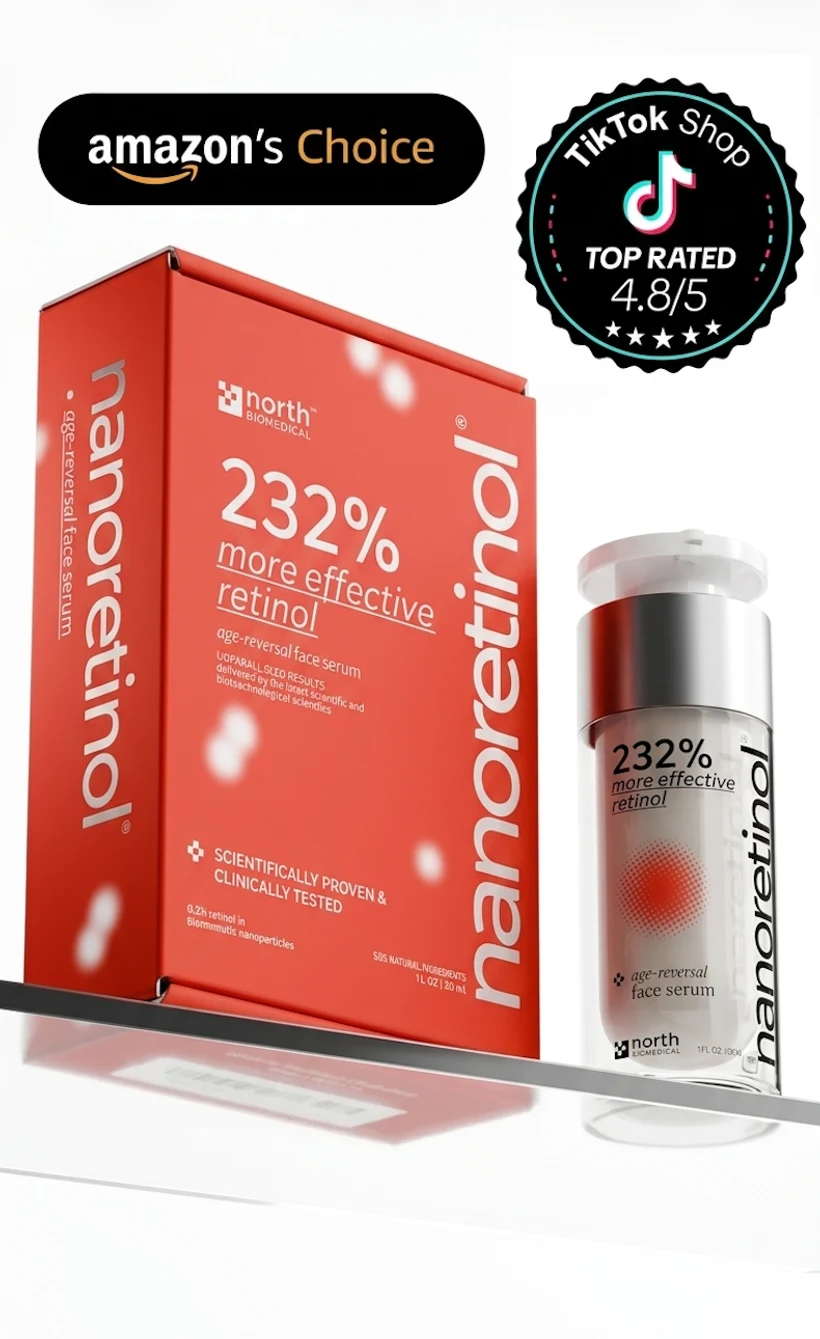
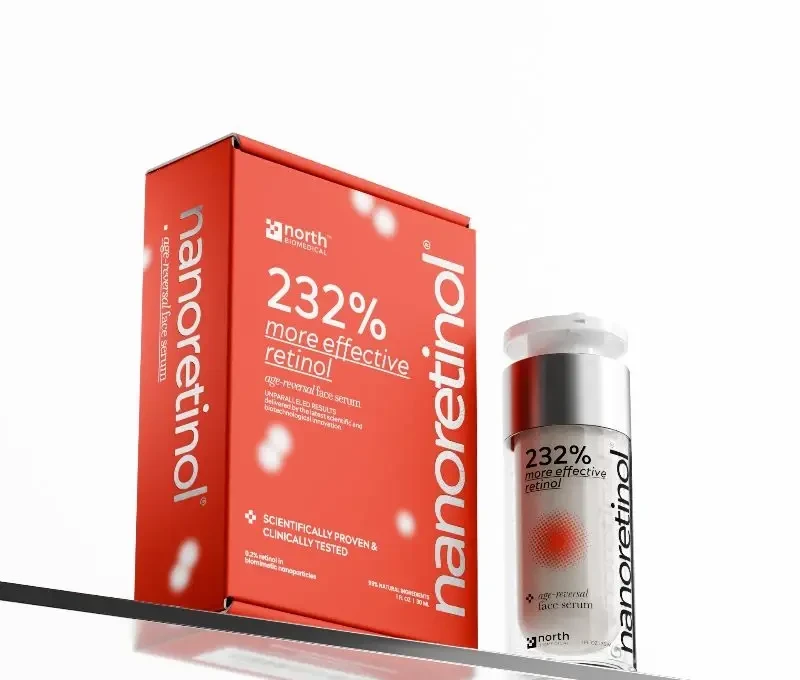
This delivery challenge is not unique to glutathione. It is the central problem in all of skincare: getting the right molecule to the right layer of skin in sufficient concentration. It is also why technologies that solve the penetration problem — like lipid nanoparticle encapsulation — represent such a significant advancement. Nanoretinol® uses biomimetic lipid nanoparticles that the skin recognizes as its own tissue, bypassing the barrier entirely. This approach delivers 232% more collagen recovery and 73% more elastin recovery compared to conventional retinol — not because it uses a different active ingredient, but because the delivery system ensures the retinol actually reaches the dermal fibroblasts where collagen synthesis occurs.
Building a Complete Anti-Aging Defense
Glutathione works best as part of a layered antioxidant strategy rather than a standalone treatment. Here is how to think about building that defense:
Morning: shield and prevent. Apply a vitamin C serum (which glutathione helps recycle), followed by niacinamide for barrier support, and always finish with broad-spectrum sunscreen. Consider oral glutathione supplementation (250–500 mg/day) if brightening is a specific goal.
Evening: repair and rebuild. This is where the structural work happens. A retinoid drives collagen synthesis and cellular turnover — the measurable, long-term changes that reverse photoaging. Follow with a hydrating serum or ceramide-based moisturizer to support barrier recovery.
The key insight: Antioxidants like glutathione protect what you have. Retinoids rebuild what you have lost. You need both — defense without offense leaves accumulated damage unaddressed, while offense without defense means you are fighting an uphill battle against ongoing free radical assault.
References
-
Sies H, Jones DP. “Reactive Oxygen Species (ROS) as Pleiotropic Physiological Signalling Agents.” Nature Reviews Molecular Cell Biology. 2020;21(7):363-383. doi:10.1038/s41580-020-0230-3
-
Forman HJ, Zhang H, Rinna A. “Glutathione: Overview of Its Protective Roles, Measurement, and Biosynthesis.” Molecular Aspects of Medicine. 2009;30(1-2):1-12. doi:10.1016/j.mam.2008.08.006
-
Sonthalia S, Daulatabad D, Sarkar R. “Glutathione as a Skin Whitening Agent: Facts, Myths, Evidence and Controversies.” Indian Journal of Dermatology, Venereology and Leprology. 2016;82(3):262-272. doi:10.4103/0378-6323.179088
-
Arjinpathana N, Asawanonda P. “Glutathione as an Oral Whitening Agent: A Randomized, Double-Blind, Placebo-Controlled Study.” Journal of Dermatological Treatment. 2012;23(2):97-102. doi:10.3109/09546631003801619
-
Weschawalit S, Thongthip S, Phutrakool P, Asawanonda P. “Glutathione and Its Antiaging and Antimelanogenic Effects.” Clinical, Cosmetic and Investigational Dermatology. 2017;10:147-153. doi:10.2147/CCID.S128339
-
Handog EB, Datuin MSL, Singzon IA. “An Open-Label, Single-Arm Trial of the Safety and Efficacy of a Novel Preparation of Glutathione as a Skin-Lightening Agent in Filipino Women.” International Journal of Dermatology. 2016;55(2):153-157. doi:10.1111/ijd.12999
-
Watanabe F, Hashizume E, Chan GP, Kamimura A. “Skin-Whitening and Skin-Condition-Improving Effects of Topical Oxidized Glutathione: A Double-Blind and Placebo-Controlled Clinical Trial in Healthy Women.” Clinical, Cosmetic and Investigational Dermatology. 2014;7:267-274. doi:10.2147/CCID.S68424
-
Wahab S, et al. “Combination of Topical and Oral Glutathione as a Skin-Whitening Agent: A Double-Blind Randomized Controlled Clinical Trial.” International Journal of Dermatology. 2021;60(8):1013-1018. doi:10.1111/ijd.15573