Kojic Acid Serum: What the Studies Tested, and How to Choose One
Kojic acid is one of the most popular gentle brighteners on the shelf. Here is what the trials actually used, why the formula matters as much as the percentage, and how to get results without irritation
Kojic acid has an unusual origin story for a skincare ingredient. It was first isolated from Aspergillus oryzae, the same mold used to ferment sake and soy sauce, and Japanese brewery workers were said to have noticeably soft, even-toned hands. Decades later, a kojic acid serum is one of the most common dark spot treatments sold, usually marketed as a gentler alternative to hydroquinone.
Part of that reputation is earned. Kojic acid genuinely slows pigment production, and it has been tested against and alongside hydroquinone in real patients. But the research is smaller and more specific than the marketing suggests, and kojic acid has two practical weaknesses, instability and allergy, that should shape which serum you buy.
How kojic acid fades pigment
Melanin is made by an enzyme called tyrosinase, and tyrosinase needs copper at its core to work. Kojic acid binds that copper, which switches the enzyme off and slows the conversion of tyrosine into pigment [1]. It also has mild antioxidant activity, which matters because oxidative stress from UV light is one of the triggers that pushes melanocytes into overdrive.
That mechanism tells you what to expect. Your existing dark spot is pigment that has already been made and handed to surface skin cells, so a tyrosinase blocker cannot erase it directly. Kojic acid slows the supply of new melanin while your skin gradually sheds the old. For a deeper look at the enzyme behind most brighteners, see our guide to tyrosinase inhibitors.
What the studies actually tested
Kojic acid has never been through the large, multi-center trials that support prescription treatments. What exists is a handful of focused studies, mostly in melasma:
- 2% kojic acid with 5% glycolic acid was compared with 2% hydroquinone plus glycolic acid on opposite sides of the face in 39 patients. Both combinations improved pigmentation, and neither side clearly outperformed the other [2].
- 2% kojic acid added to a gel already containing 10% glycolic acid and 2% hydroquinone was tested in 40 women with melasma over 12 weeks. The side with kojic acid did better: 24 of 40 had more than half of their melasma cleared, compared with 19 of 40 on the side without it [3].
- 0.75% kojic acid cream (with 2.5% vitamin C) was compared with 4% hydroquinone in 60 patients over 12 weeks. Hydroquinone worked faster and more strongly; kojic acid helped, but more slowly [4].
If your serum has darkened noticeably since you opened it, it is weaker than when you bought it.
The pattern is consistent. Kojic acid is a real but modest brightener that performs best as part of a combination, usually with an exfoliating acid, rather than as a solo miracle. Most of the positive evidence uses 1% to 2%, and 12 weeks is the standard test period.
The two problems a good serum has to solve
Stability
Pure kojic acid is fragile. It reacts with light, heat and air, and as it oxidizes it turns a yellow-brown color and loses its ability to block tyrosinase [1]. If your serum has darkened noticeably since you opened it, it is weaker than when you bought it.
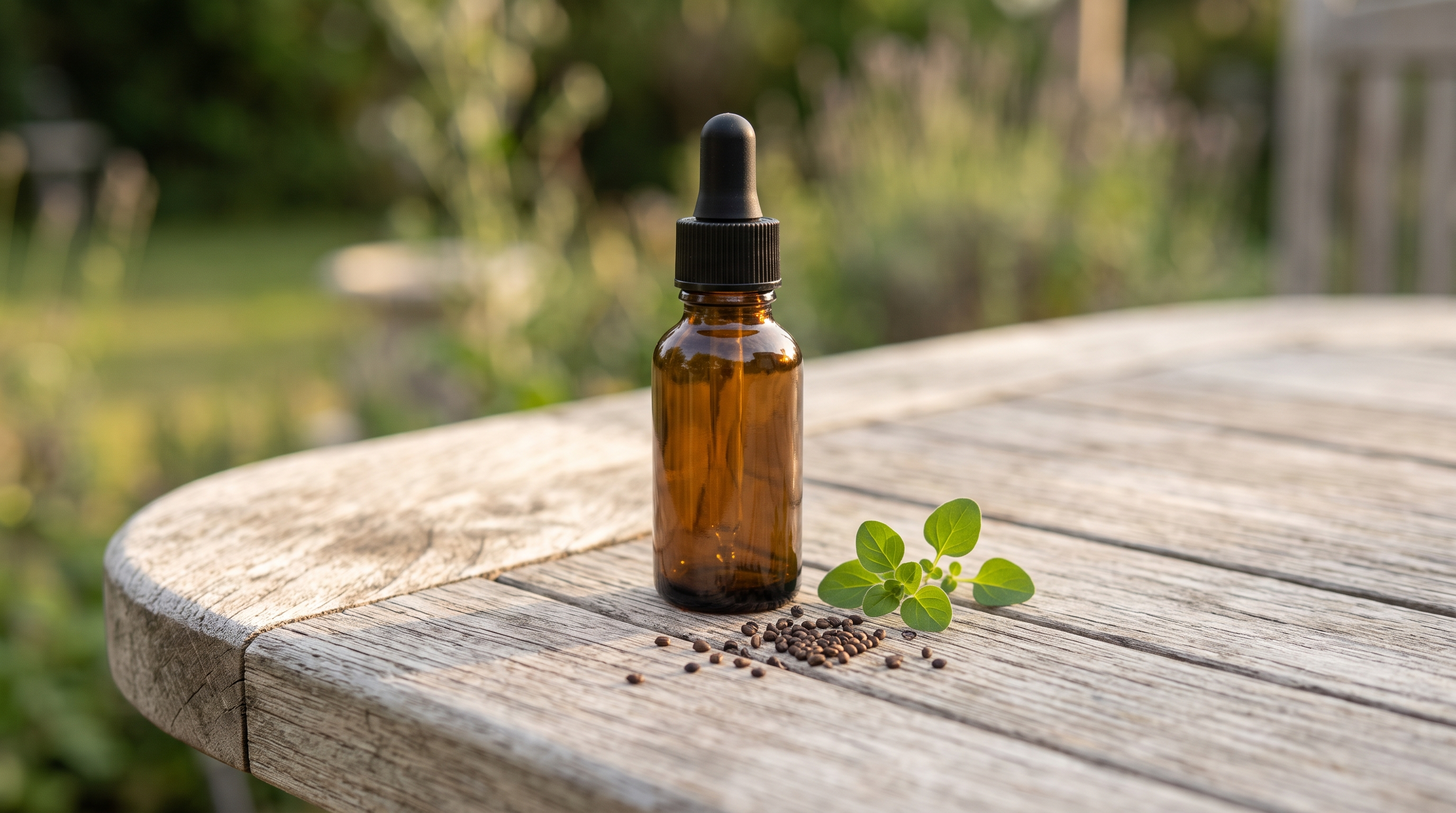
Formulators address this in two ways. One is protective packaging: opaque, airless pumps rather than clear dropper bottles. The other is using an ester such as kojic dipalmitate, which is far more stable and oil-compatible. The trade-off is that the ester must be converted back to kojic acid in the skin to work, and it has far less clinical data than the parent molecule.
Sensitization
Kojic acid can trigger allergic contact dermatitis. In Japan, a series of patients developed contact allergy from kojic acid skin care products, and patch testing confirmed the ingredient as the cause [5]. This is uncommon, but because allergy builds with repeated exposure, it can appear after weeks of uneventful use.
The Cosmetic Ingredient Review expert panel, which assesses ingredient safety in the United States, concluded that kojic acid is safe in cosmetics at concentrations up to 1% [6]. Higher-strength products exist, but that 1% figure is a sensible ceiling for a leave-on serum used daily.
In adults over 80, a 0.4% retinol lotion improved fine wrinkling and stimulated new collagen within 24 weeks.
Choosing a kojic acid serum
Use the evidence as a checklist:
- A stated concentration around 1%. That sits within the safety panel’s limit and close to the strengths studied. Products that list kojic acid near the end of the ingredients without a number may contain very little.
- Opaque, airless packaging. Light and air are the enemy. Skip clear bottles stored on a sunny windowsill.
- A supporting cast. The best results in studies came from combinations. Glycolic acid, niacinamide and vitamin C derivatives all work at different steps of the pigment process. Our guide to the best brightening serums explains how these mechanisms stack.
- Fragrance-free. Fragrance adds sensitization risk to an ingredient that already carries some.
- A patch test first. Apply a small amount behind the ear or on the inner arm for a few days before using it on your face.
How to use it
Apply your kojic acid serum once daily to clean, dry skin, then moisturize. Many people use it at night to protect it from light, though a well-packaged formula can also be used in the morning under sunscreen.
Sunscreen is not optional. Every brightener works against the steady push of UV and visible light, and a few unprotected afternoons can cancel weeks of progress. If redness, itching or a rash appears, stop and let your skin settle; persistent reactions are worth a patch test with a dermatologist. Expect gradual change and judge the serum at around 12 weeks. If you want more background on the ingredient itself, our guide to kojic acid for skin covers its full history and uses.
Where kojic acid stops, and retinol starts
Kojic acid is a brake on pigment production. It does nothing to speed up the cell turnover that carries existing pigment to the surface and away, and that is exactly the job retinoids do well.
In a 40-week vehicle-controlled trial, prescription tretinoin improved melasma in most of the women who used it, compared with very few on the plain vehicle, and reduced pigment in the outer layer of skin [7]. Over-the-counter retinol works through the same pathway more gently. In adults over 80, a 0.4% retinol lotion improved fine wrinkling and stimulated new collagen within 24 weeks [8]. Our guide to retinol for dark spots explains the turnover mechanism in more detail.
The catch is irritation. Redness and peeling are common with conventional retinoids, and inflamed skin is prone to producing more pigment, not less.
A routine that respects reactive skin
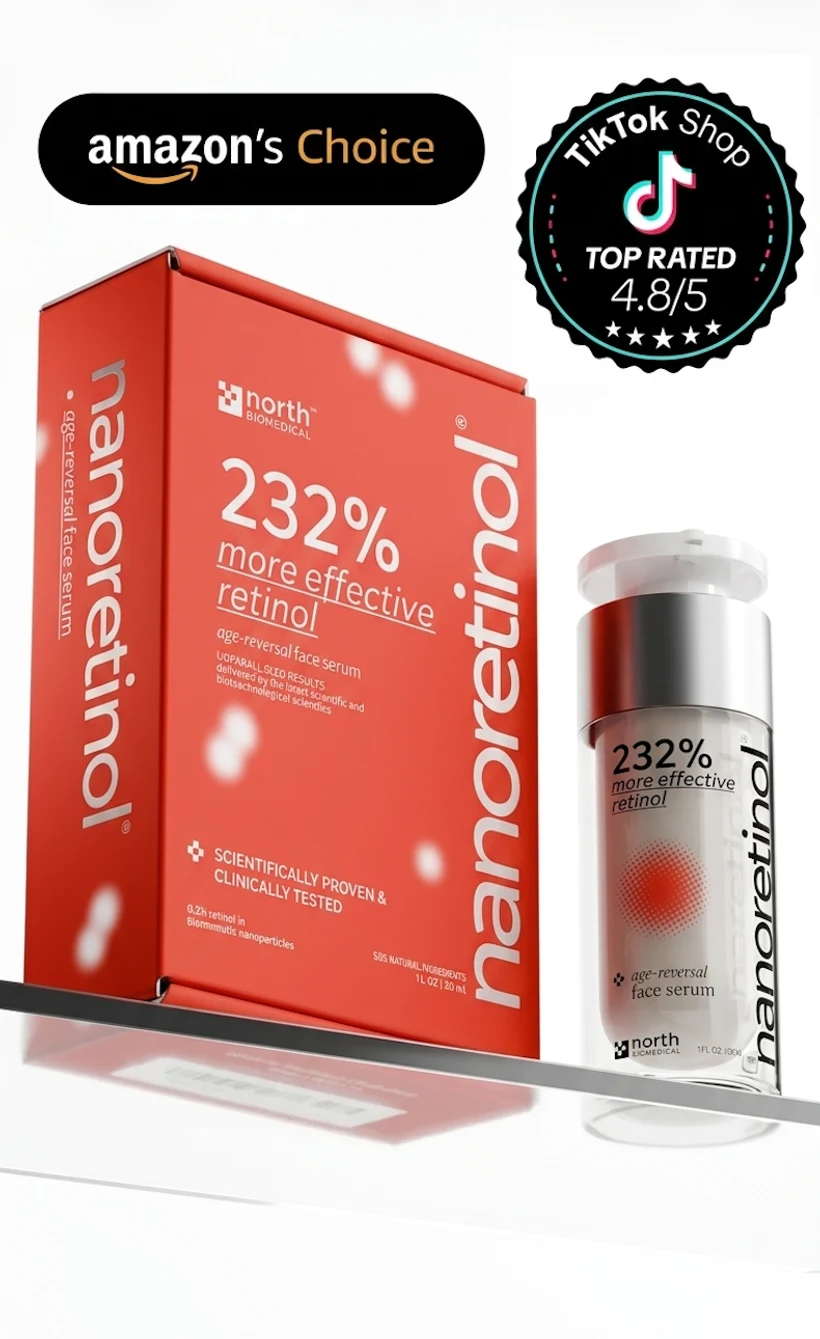
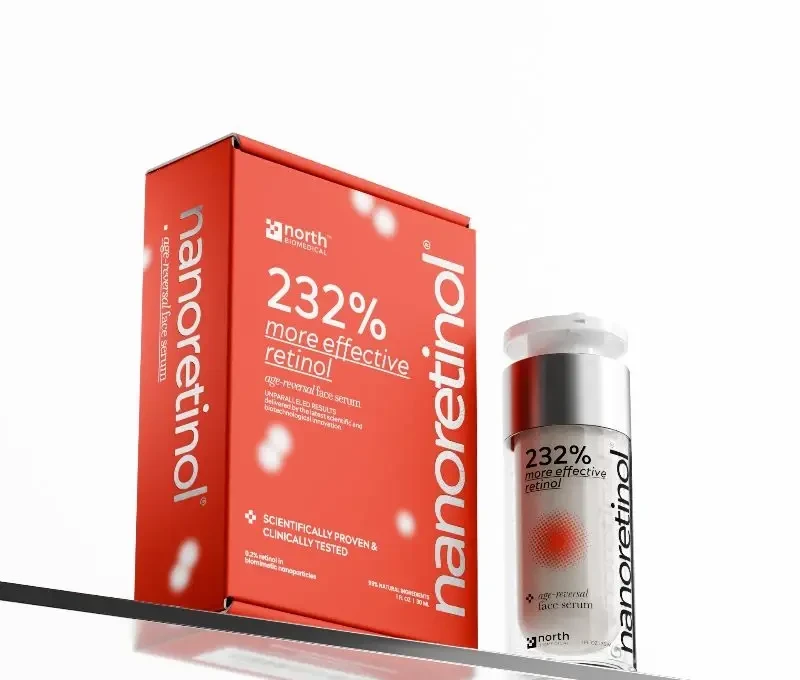
That is where Nanoretinol fits. It delivers 0.2% stabilized retinol inside biomimetic lipid nanoparticles that the skin recognises as its own, so the retinol reaches skin cells without breaking down the barrier the way conventional formulations can. In North Biomedical’s study summary, Nanoretinol was 232% more effective in collagen recovery than conventional retinol, with side effects that were minimal and milder than those of conventional retinol [9].
A practical split is kojic acid in the morning under broad-spectrum sunscreen, and Nanoretinol at night on clean skin. Kojic acid slows the new pigment, retinol clears the old, and sunscreen keeps the cycle from restarting. Give it 12 weeks before you decide.
References
- Saeedi M, Eslamifar M, Khezri K. “Kojic acid applications in cosmetic and pharmaceutical preparations.” Biomedicine & Pharmacotherapy. 2019;110:582-593. doi:10.1016/j.biopha.2018.12.006
- Garcia A, Fulton JE Jr. “The combination of glycolic acid and hydroquinone or kojic acid for the treatment of melasma and related conditions.” Dermatologic Surgery. 1996;22(5):443-447. doi:10.1111/j.1524-4725.1996.tb00345.x
- Lim JT. “Treatment of melasma using kojic acid in a gel containing hydroquinone and glycolic acid.” Dermatologic Surgery. 1999;25(4):282-284. doi:10.1046/j.1524-4725.1999.08236.x
- Monteiro RC, Kishore BN, Bhat RM, Sukumar D, Martis J, Ganesh HK. “A comparative study of the efficacy of 4% hydroquinone vs 0.75% kojic acid cream in the treatment of facial melasma.” Indian Journal of Dermatology. 2013;58(2):157. doi:10.4103/0019-5154.108070
- Nakagawa M, Kawai K, Kawai K. “Contact allergy to kojic acid in skin care products.” Contact Dermatitis. 1995;32(1):9-13. doi:10.1111/j.1600-0536.1995.tb00832.x
- Burnett CL, Bergfeld WF, Belsito DV, et al. “Final report of the safety assessment of kojic acid as used in cosmetics.” International Journal of Toxicology. 2010;29(6 Suppl):244S-273S. doi:10.1177/1091581810385956
- Griffiths CE, Finkel LJ, Ditre CM, Hamilton TA, Ellis CN, Voorhees JJ. “Topical tretinoin (retinoic acid) improves melasma. A vehicle-controlled, clinical trial.” British Journal of Dermatology. 1993;129(4):415-421. doi:10.1111/j.1365-2133.1993.tb03169.x
- Kafi R, Kwak HS, Schumacher WE, et al. “Improvement of naturally aged skin with vitamin A (retinol).” Archives of Dermatology. 2007;143(5):606-612. doi:10.1001/archderm.143.5.606
- North Biomedical LLC. “Nanoretinol vs. Conventional Retinol: Efficacy in Collagen and Elastin Recovery.” Clinical Study Summary, 2024. Study summary