Tyrosinase Inhibitors: The Skincare Ingredients That Actually Fade Dark Spots, Ranked by Evidence
Hydroquinone, thiamidol, kojic acid, arbutin, azelaic acid — what each one does to the enzyme that drives pigmentation, and which actually outperforms the rest
Every dark spot on your face — sun spot, melasma patch, post-acne mark — is the visible end product of one enzyme. Tyrosinase. It sits inside the melanocytes scattered along the basement membrane of your epidermis, and its job is to convert the amino acid L-tyrosine into melanin pigment, one molecule at a time.
If you slow that enzyme down, you slow pigment production. If you slow it down enough, existing pigment fades faster than new pigment is made, and the dark spot lightens. That is the entire scientific basis of every brightening serum on the market.
The catch is that not all “brightening” ingredients actually inhibit tyrosinase, and the ones that do vary by roughly a thousand-fold in potency. This article walks through the major tyrosinase inhibitors with published clinical evidence, ranks them honestly, and explains where each one fits in a real routine.
How tyrosinase actually works
The melanogenesis cascade is well mapped. Tyrosinase performs two sequential reactions: it first hydroxylates L-tyrosine to L-DOPA, then oxidizes L-DOPA to dopaquinone [1]. Dopaquinone is the molecular fork in the road. Without cysteine present, it cyclizes intramolecularly and is shunted toward brown-black eumelanin. With cysteine or glutathione present, it routes toward yellow-red pheomelanin.
The enzyme requires two copper atoms in its active site — designated CuA and CuB — each coordinated by histidine residues [3]. Those copper atoms are what allow the molecular oxygen chemistry that turns L-tyrosine into pigment. Almost every successful tyrosinase inhibitor either blocks the substrate-binding pocket, chelates the copper, acidifies the cytoplasm so the enzyme cannot function, or interferes with the regulatory pathways (MITF, cAMP/PKA/CREB, UV-activated MAP kinase) that turn tyrosinase expression up or down [1].
The remainder of the article ranks the major depigmenting actives by how each one interferes with that cascade — and how much clinical evidence backs the ingredient.
The legacy gold standard: hydroquinone
For decades, dermatologists prescribed 4% hydroquinone for melasma and hyperpigmentation, and lower-strength versions sat on US drugstore shelves. A 2023 narrative review confirms that hydroquinone remains the most potent topical depigmenting agent ever commercialized [2]. It blocks tyrosinase directly, disrupts melanosome formation, and can damage melanocyte DNA and structural proteins at higher concentrations. In melasma trials, 3% hydroquinone combined with daily sunscreen produced up to 96% improvement; hydroquinone alone yielded around 81% [2].
The reason hydroquinone is no longer a casual recommendation is the safety profile. Side effects include contact dermatitis, nail and tooth hyperpigmentation, and most concerningly, exogenous ochronosis — a paradoxical blue-black discoloration that develops with chronic use and can be permanent [2]. Over-the-counter hydroquinone has been banned in Japan, Australia, and the European Union, and the US Food and Drug Administration removed it from OTC monographs in 2020. It is still available by prescription, typically for short, supervised courses with frequent breaks.
Hydroquinone deserves the historical pedestal it has been given. It also deserves the regulatory caution. Most of the ingredients below are attempts to match its efficacy with a better safety profile.
Each ingredient was applied to opposite sides of the face and hands for 12 weeks.
The modern frontrunner: thiamidol
Thiamidol — chemically isobutylamido thiazolyl resorcinol — was identified in a screen of roughly 50,000 compounds at Beiersdorf as the most potent inhibitor of human tyrosinase ever measured. The relevant word is “human.” Most older tyrosinase studies used mushroom tyrosinase as a convenient surrogate, but the human enzyme has a different active-site geometry, and many ingredients that look potent on mushroom enzyme do not translate to human skin.
The pivotal clinical evidence comes from a 24-week randomized, double-blind, vehicle-controlled trial in Fitzpatrick III-V subjects with moderate-to-severe melasma. Thiamidol significantly improved MASI scores, skin lightness, and patient-reported quality of life versus vehicle, with improvements partially regressing after discontinuation [6]. A separate suction-blister-induced post-inflammatory hyperpigmentation model showed that Thiamidol-treated sites were measurably lighter than control sites after just two weeks, with continued improvement through 12 weeks [7]. The PIH evidence is particularly valuable for skin of color, where conventional treatments often cause additional irritation that drives more pigmentation.
Thiamidol’s safety profile in the published trials is good — no serious adverse events, no ochronosis risk, no melanocyte toxicity. The agent is sold OTC in markets where Beiersdorf operates (notably Eucerin Anti-Pigment in Europe) and is increasingly available in the US.
The under-rated alternative: hexylresorcinol
If thiamidol is the new prescription-tier option, hexylresorcinol is the OTC option that quietly matches the old gold standard in head-to-head trials. A 2023 prospective, randomized, double-blind, split-body study compared 1% hexylresorcinol against 2% hydroquinone in 32 women aged 35 to 65 [8]. Each ingredient was applied to opposite sides of the face and hands for 12 weeks. Colorimeter readings and standardized clinical grading showed statistically significant pigment reduction at four and twelve weeks versus baseline — with no significant difference between the two ingredients.
That result is more remarkable than it sounds. Beating hydroquinone is not the headline; matching it with a safer molecule is. Hexylresorcinol does not carry the cytotoxicity, systemic absorption, or ochronosis risks that have driven hydroquinone out of OTC markets. It appears in a growing number of cosmetic serums (often paired with niacinamide for the synergy discussed below) and represents one of the cleanest evidence-to-risk ratios in the category.
Kojic acid: copper chelation done right
Kojic acid takes a different mechanistic route. Rather than blocking the substrate pocket, it binds the copper atoms at the tyrosinase active site, removing the enzyme’s ability to coordinate molecular oxygen [3]. A 2023 review classifies kojic acid among the canonical copper-chelating tyrosinase inhibitors, a class that includes various chalcones and natural polyphenols.
Clinically, kojic acid, usually applied as a kojic acid serum or cream, is gentler than hydroquinone and reasonably effective at 1-4% concentrations, though it tends to act more slowly. It pairs particularly well with hydroquinone for dark spots in compounded prescription formulas, and on its own works for mild to moderate hyperpigmentation. The main caveat is that some users develop contact sensitivity to it over time. For a more in-depth look at the mechanism and clinical use, see our kojic acid for skin article.
Arbutin: a glycoside with a hidden mechanism
Both alpha- and beta-arbutin are widely marketed as “natural” hydroquinone alternatives. A 2017 kinetic study reveals something the marketing tends to gloss over: both arbutin isomers act as substrates of tyrosinase, not pure inhibitors [4]. The enzyme hydroxylates each compound, generating unstable o-quinones that slowly release hydroquinone. In other words, topical arbutin partially works by liberating hydroquinone on the skin, at slow and presumably safer rates.
Niacinamide instead stops packets of pigment from moving into the surrounding skin cells, cutting that transfer by 35-68% in lab studies.
Tyrosinase shows higher affinity for beta-arbutin (Km ≈ 3 mM) than alpha-arbutin (Km ≈ 6.5 mM), and both undergo hydroxylation at comparable catalytic rates [4]. The clinical implication is that arbutin is mild and gradual — appropriate for sensitive skin and long-term use — but its safety advantage over hydroquinone is partly about the kinetics of release rather than a fundamentally different mechanism.
Azelaic acid: the indirect blocker
Azelaic acid is one of the few brightening ingredients that also treats acne and rosacea, which makes it a workhorse for complex skin profiles. Its mechanism is unusual. Schallreuter and Wood’s foundational 1990 paper established azelaic acid as a competitive tyrosinase inhibitor — but at clinically tolerated 15-20% concentrations, the direct inhibition is modest [5]. The more important effect is on the membrane-associated thioredoxin reductase/thioredoxin system, where azelaic acid is roughly 200-fold more potent than it is against tyrosinase itself. Inhibiting that electron-transfer pathway indirectly suppresses tyrosinase activity, with a selectivity for hyperactive melanocytes (such as those in melasma or lentigo maligna) over normal ones.
This selectivity is why azelaic acid lightens pathological pigmentation without bleaching healthy skin. It also explains why the depigmenting effect builds slowly — over months rather than weeks — but is generally well tolerated, even during pregnancy.
Vitamin C: pH-based inhibition
Topical vitamin C is often described as a “tyrosinase inhibitor,” but the actual mechanism is more nuanced. A 2019 mechanistic study demonstrated that L-ascorbic acid, magnesium ascorbyl phosphate, and 3-O-ethyl L-ascorbic acid all suppress tyrosinase activity by acidifying the melanocyte cytoplasm — tyrosinase activity drops sharply in acidic environments [9]. When the researchers neutralized intracellular pH with ammonium chloride or concanamycin A, tyrosinase activity rebounded, proving the inhibition is pH-driven rather than transcriptional. The molecule also scavenges UVA-induced reactive oxygen species, which would otherwise upregulate tyrosinase via inflammatory signaling.
Vitamin C therefore inhibits melanogenesis at a slower pace than hydroquinone or thiamidol, but its antioxidant effect simultaneously addresses upstream UV damage. It is best understood as a daily preventive tool layered into a broader brightening protocol rather than a standalone heavy hitter.
Niacinamide: not a tyrosinase inhibitor at all
Niacinamide is widely sold for “brightening” and pigment reduction, and the clinical evidence is solid — but the mechanism is completely separate from everything above. The seminal 2002 Procter & Gamble paper showed that niacinamide has no direct inhibitory effect on tyrosinase or on melanin synthesis within cultured melanocytes [10]. Niacinamide instead stops packets of pigment from moving into the surrounding skin cells, cutting that transfer by 35-68% in lab studies. Topical niacinamide significantly reduced hyperpigmentation versus vehicle in vivo after four weeks.
The practical implication is that niacinamide combines synergistically with true tyrosinase inhibitors — they block pigment from being made, niacinamide blocks the pigment that does get made from being distributed. Most modern brightening serums pair the two for exactly this reason. The combination of niacinamide with hexylresorcinol or thiamidol is one of the better evidence-based stacks in the brightening category.
Tranexamic acid: upstream of the whole pathway
Tranexamic acid (TXA) operates further upstream than any of the others. A 2017 review across 15 clinical studies of TXA for melasma showed that the molecule competitively inhibits plasminogen activator, which blocks plasmin formation in UV-exposed keratinocytes [11]. Less plasmin means less arachidonic acid release, less prostaglandin synthesis, and therefore less of the inflammatory signaling that stimulates melanocytes and upregulates tyrosinase. TXA also reduces VEGF-driven dermal angiogenesis — the vascular component that contributes to melasma redness and recurrence.
TXA can be delivered orally (off-label, with risk of thrombosis in predisposed patients), intradermally, or topically (where it remains a developing area). The published data suggest topical TXA matches or exceeds hydroquinone, kojic acid, and topical retinoids for melasma, with fewer adverse effects. See our deeper dive on tranexamic acid for dark spots for usage specifics.
Where Nanoretinol fits
Retinoids are not classified as primary tyrosinase inhibitors, but they meaningfully enhance the depigmenting effect of every ingredient above. They accelerate epidermal turnover, which sloughs off melanin-containing keratinocytes faster than they can be re-pigmented. They also down-regulate tyrosinase expression at the transcriptional level and inhibit melanosome transfer in some models.
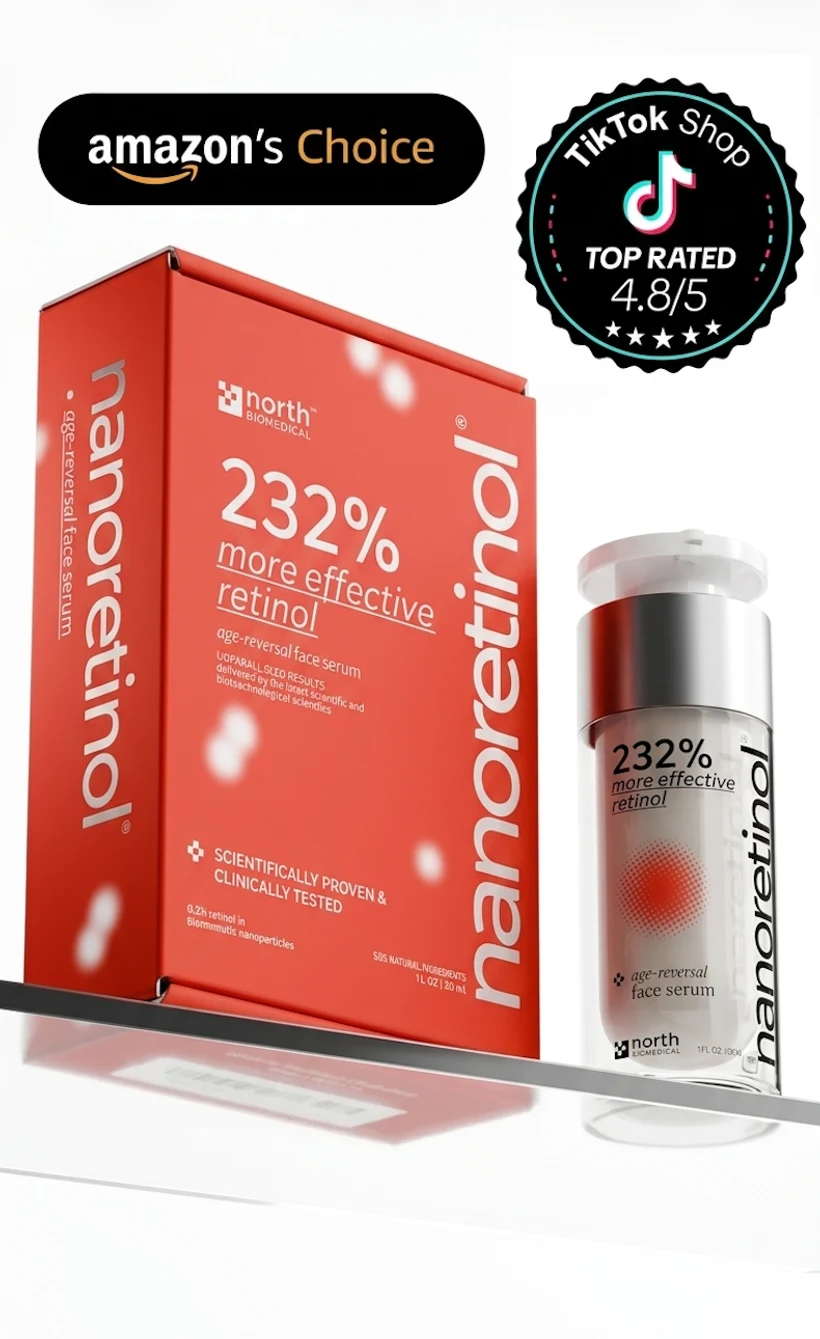
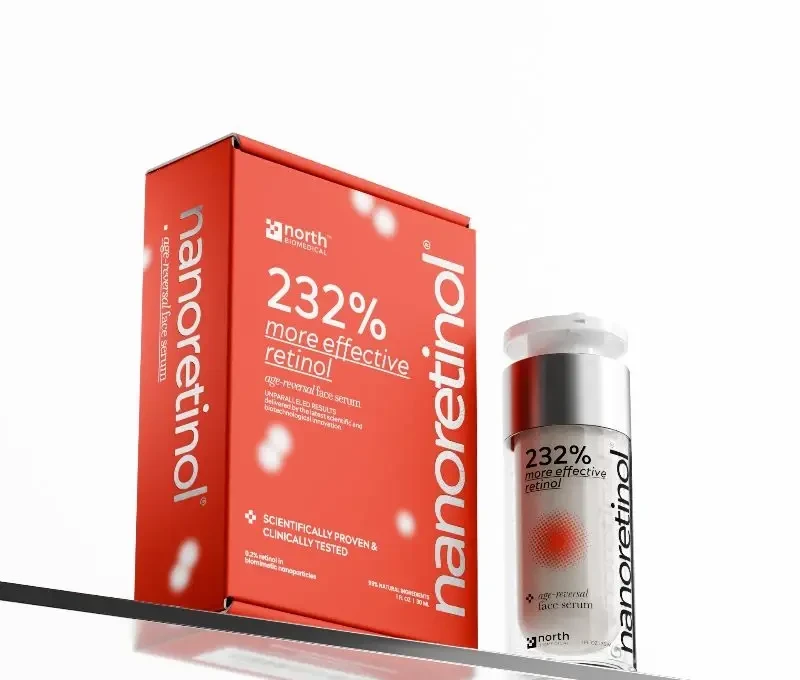
The historical problem with combining retinol and a brightening protocol is irritation. Tyrosinase inhibitors plus a retinoid plus daily sunscreen is a stack that overwhelms many sensitive skin barriers, and any inflammation triggered by the routine can paradoxically drive more pigment through post-inflammatory hyperpigmentation. Nanoretinol addresses this directly. The lipid nanoparticle encapsulation bypasses the barrier-disruption mechanism that conventional retinol uses to penetrate, delivering 0.2% retinol with significantly reduced cytotoxicity compared with standard formulations [North Biomedical LLC, 2024]. In a brightening routine, that matters specifically because it lets you add the cell-turnover and tyrosinase-modulation benefits of retinol without amplifying the irritation that creates new pigment.
A defensible evidence-based dark spot routine for skin over 40 might look like this: a tyrosinase inhibitor (thiamidol or hexylresorcinol) and niacinamide in the morning, layered under broad-spectrum sunscreen; a retinoid at night; vitamin C and azelaic acid rotated in as tolerance allows. The science behind every component is real. The execution — consistency, sun protection, and patience for the three-to-six-month timeline — is where most people lose.
What to take away
Tyrosinase inhibitors are not interchangeable. Hydroquinone remains the most potent, with the worst safety profile. Thiamidol is the modern human-enzyme-optimized successor, with strong clinical data and a clean safety record. Hexylresorcinol quietly matches hydroquinone in head-to-head trials at a fraction of the risk. Kojic acid, arbutin, azelaic acid, and vitamin C are mechanistically distinct and useful as adjuncts. Niacinamide and tranexamic acid attack different parts of the same pathway and stack well with the rest.
Pick one primary tyrosinase inhibitor based on your skin’s tolerance, pair it with a complementary mechanism (niacinamide is the easy choice), wear sunscreen every day without exception, and give the protocol three to six months before judging results.
References
- Rzepka Z, Buszman E, Beberok A, Wrześniok D. “From tyrosine to melanin: Signaling pathways and factors regulating melanogenesis.” Postepy Higieny i Medycyny Doswiadczalnej (Online). 2016;70:695-708. PubMed: 27356601
- Fabian IM, Sinnathamby ES, Flanagan CJ, Lindberg A, Tynes B, Kelkar RA, Varrassi G, Ahmadzadeh S, Shekoohi S, Kaye AD. “Topical Hydroquinone for Hyperpigmentation: A Narrative Review.” Cureus. 2023;15(11):e48840. doi:10.7759/cureus.48840
- Kim HD, Choi H, Abekura F, Park JY, Yang WS, Yang SH, Kim CH. “Naturally-Occurring Tyrosinase Inhibitors Classified by Enzyme Kinetics and Copper Chelation.” International Journal of Molecular Sciences. 2023;24(9):8226. doi:10.3390/ijms24098226
- Garcia-Jimenez A, Teruel-Puche JA, Berna J, Rodriguez-Lopez JN, Tudela J, Garcia-Canovas F. “Action of tyrosinase on alpha and beta-arbutin: A kinetic study.” PLoS One. 2017;12(5):e0177330. doi:10.1371/journal.pone.0177330
- Schallreuter KU, Wood JW. “A possible mechanism of action for azelaic acid in the human epidermis.” Archives of Dermatological Research. 1990;282(3):168-171. doi:10.1007/BF00372617
- Roggenkamp D, Sammain A, Fürstenau M, Kausch M, Passeron T, Kolbe L. “Thiamidol® in moderate-to-severe melasma: 24-week, randomized, double-blind, vehicle-controlled clinical study with subsequent regression phase.” Journal of Dermatology. 2021;48(12):1871-1876. doi:10.1111/1346-8138.16080
- Roggenkamp D, Dlova N, Mann T, Batzer J, Riedel J, Kausch M, Zoric I, Kolbe L. “Effective reduction of post-inflammatory hyperpigmentation with the tyrosinase inhibitor isobutylamido-thiazolyl-resorcinol (Thiamidol).” International Journal of Cosmetic Science. 2021;43(3):292-301. doi:10.1111/ics.12694
- Wu H, Gabriel TA, Burney WA, Chambers CJ, Pan A, Sivamani RK. “Prospective, randomized, double-blind clinical study of split-body comparison of topical hydroquinone and hexylresorcinol for skin pigment appearance.” Archives of Dermatological Research. 2023;315(5):1207-1214. doi:10.1007/s00403-022-02514-0
- Miao F, Su MY, Jiang S, Luo LF, Shi Y, Lei TC. “Intramelanocytic Acidification Plays a Role in the Antimelanogenic and Antioxidative Properties of Vitamin C and Its Derivatives.” Oxidative Medicine and Cellular Longevity. 2019;2019:2084805. doi:10.1155/2019/2084805
- Hakozaki T, Minwalla L, Zhuang J, Chhoa M, Matsubara A, Miyamoto K, Greatens A, Hillebrand GG, Bissett DL, Boissy RE. “The effect of niacinamide on reducing cutaneous pigmentation and suppression of melanosome transfer.” British Journal of Dermatology. 2002;147(1):20-31. doi:10.1046/j.1365-2133.2002.04834.x
- Perper M, Eber AE, Fayne R, Verne SH, Magno RJ, Cervantes J, ALharbi M, ALOmair I, Alfuraih A, Nouri K. “Tranexamic Acid in the Treatment of Melasma: A Review of the Literature.” American Journal of Clinical Dermatology. 2017;18(3):373-381. doi:10.1007/s40257-017-0263-3