Mandelic Acid Toner: The Gentle Exfoliant for Sensitive and Aging Skin
Mandelic acid is the slow, gentle member of the acid family. Here is what a mandelic acid toner can do for texture, breakouts and dark marks, who should choose it and how to use it with retinol
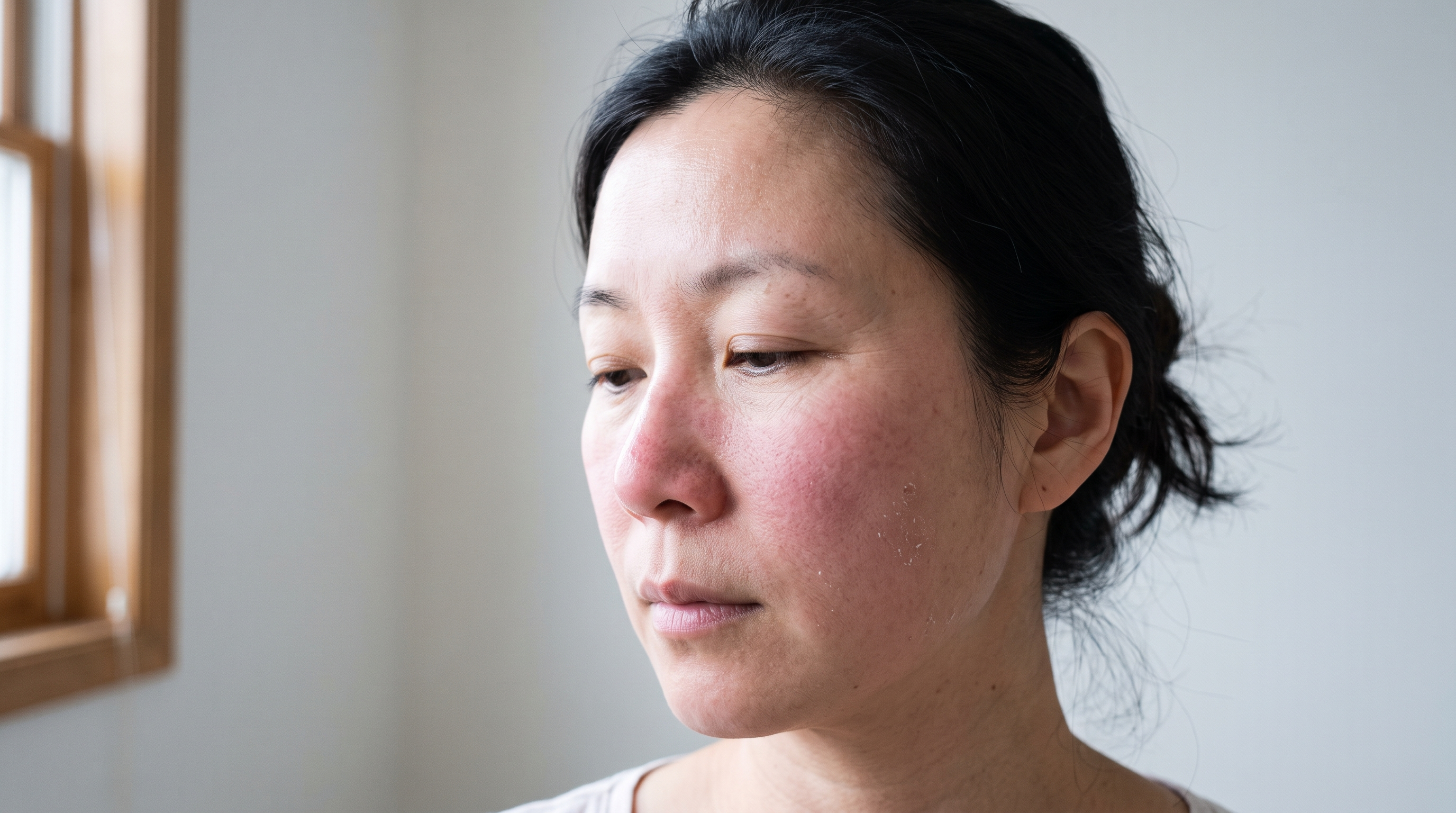
Most exfoliating toners are built around glycolic acid, the smallest and fastest of the alpha hydroxy acids. That speed is exactly why so many people find them too much. A few swipes and the skin stings, flushes or starts to flake.
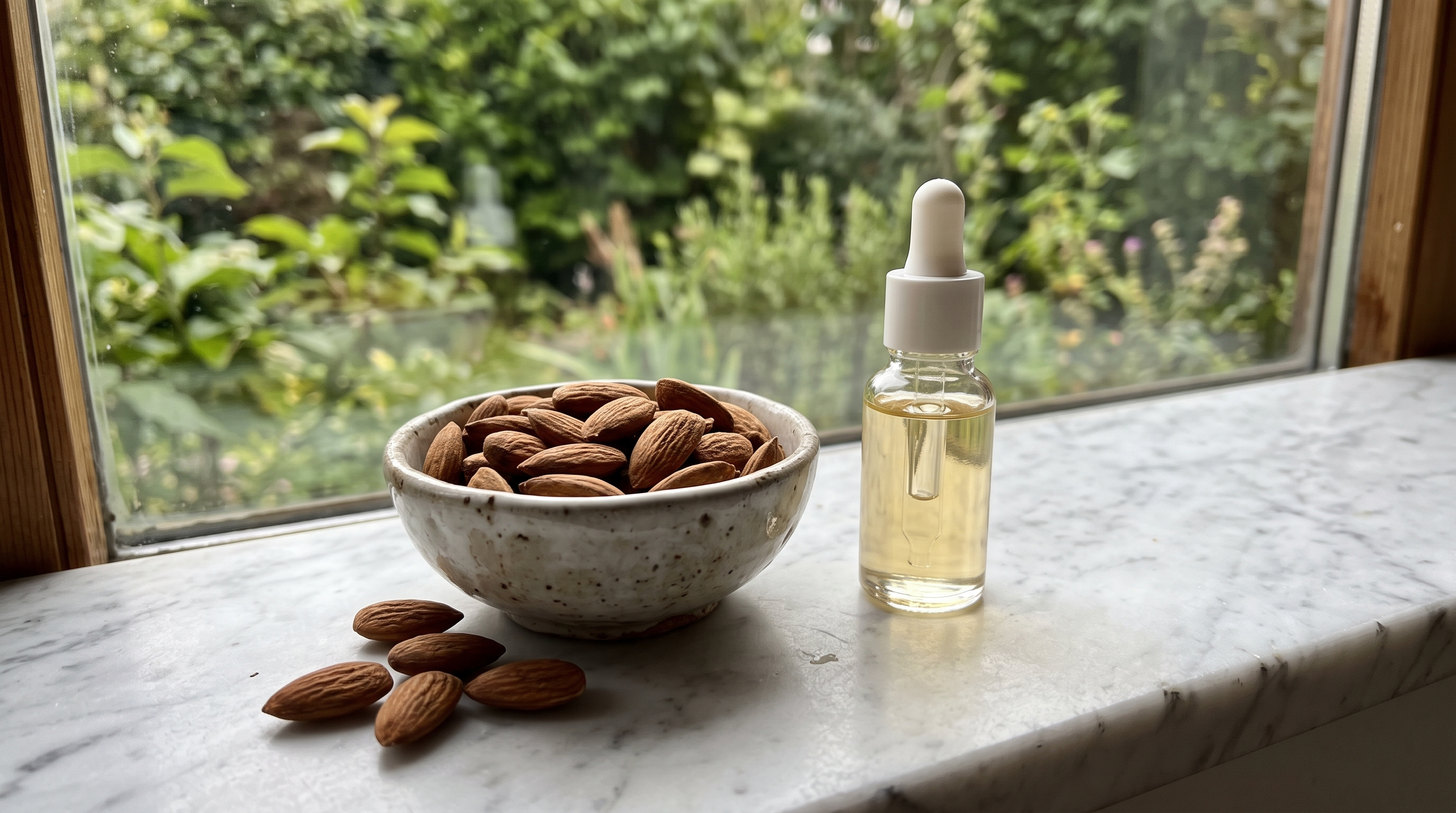
Mandelic acid works on the same principle at a slower pace. It comes from bitter almonds, it loosens dead skin cells like other alpha hydroxy acids, and its larger molecule spreads the effect out over time.
Your skin may tolerate mandelic acid better than glycolic acid because its molecule is twice the size, so it soaks in more slowly and stings less.
This guide explains what a mandelic acid toner can realistically do, who should choose one, how it differs from a peel or a serum, and how to schedule it around retinol.
How mandelic acid works
All alpha hydroxy acids weaken the bonds that hold dead cells to the skin’s surface, so those cells shed more evenly. The result is smoother texture, a brighter look and fewer clogged pores. At higher concentrations and lower pH, the same acids reach deeper and can stimulate the skin’s repair processes [1].
The catch is that the effect of these acids depends heavily on concentration. A review of how they act on skin cells concluded that whether an alpha hydroxy acid helps or harms depends largely on how much is used [2].
Mandelic acid has a molecular weight of about 152, roughly twice that of glycolic acid. Larger molecules move into the skin more slowly, which is the main reason mandelic acid is described as the gentle option. It is also slightly oil-soluble and has mild antibacterial activity, which makes it useful for breakout-prone skin.
Your skin may tolerate mandelic acid better than glycolic acid because its molecule is twice the size, so it soaks in more slowly and stings less.
Toner vs peel vs serum
A toner is the lowest-intensity way to use mandelic acid: a light, watery liquid that you sweep across your face with a cotton pad or your hands and simply leave on.
- Toner: usually 2% to 10%, daily or every-other-day use, gradual results.
- Serum: usually 5% to 12% in a thicker base, often used a few nights a week, and our guide to mandelic acid serum covers when stepping up to a serum makes sense for stubborn texture or marks.
- In-office peel: 30% to 45% or more, applied by a professional and timed to the minute.
Most published research uses peel-strength mandelic acid, so the trial results below describe what the acid can do at its strongest. A daily toner aims for a smaller version of the same effect, delivered consistently.
What the research shows
- Acne: in a randomized study of 50 patients with mild to moderate acne, six sessions of a 45% mandelic acid peel worked as well as a 30% salicylic acid peel. Salicylic acid was better for blackheads and whiteheads, mandelic acid was better for inflamed spots, and mandelic acid caused fewer side effects [3].
- Melasma: in a study of 90 patients, a combined 20% salicylic and 10% mandelic acid peel reduced melasma severity by 61%, close to the 62% achieved by a 35% glycolic acid peel, and was better tolerated in Indian skin [4].
- Maintaining results: in a long-term study of patients with melasma and post-inflammatory marks, a home routine of mandelic and malic acid products with strict sun protection helped maintain the improvement after an initial in-office treatment [5].
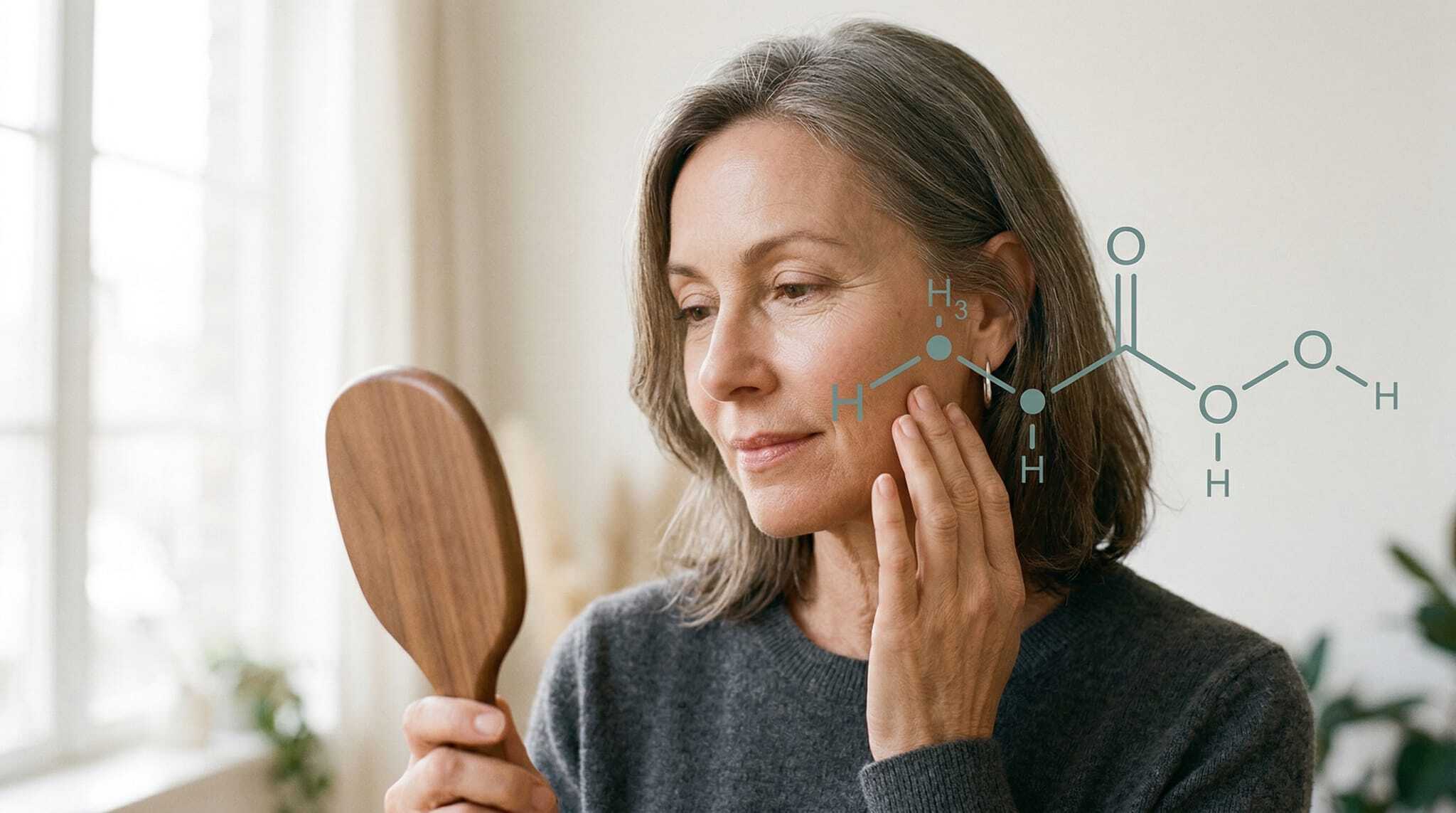
The anti-aging evidence is smaller but encouraging. In 24 adults aged 42 to 68 who applied a mandelic acid product to the face twice daily, lower eyelid skin became measurably more elastic and firmer within four weeks [6].
Your skin can look firmer after 4 weeks of twice-daily mandelic acid, with elasticity up by about a quarter in one small study of adults over 40.
Your skin can look firmer after 4 weeks of twice-daily mandelic acid, with elasticity up by about a quarter in one small study of adults over 40.
One more finding is relevant to mature skin. In women aged 49 to 71, a series of mandelic acid peels increased oil production on the cheeks and chin, which may help skin that has become drier with age [7].
Who should choose a mandelic acid toner
A mandelic acid toner is the best acid toner for you if:
- Your skin is sensitive or reactive and glycolic acid has stung or flushed it in the past.
- You have medium to deep skin tone and want to fade marks without risking new dark spots from irritation. Our guide to post-inflammatory hyperpigmentation explains why inflammation itself can trigger the marks you are trying to fade, which is why a gentle acid matters more for darker skin.
- You have adult breakouts and early fine lines at the same time.
- You are new to acids and want a low-risk way to start.
If your skin is resilient and your main goal is maximum smoothing, a glycolic acid toner works faster, and our guide to glycolic acid toner covers when its stronger, quicker action is worth the higher irritation risk for tougher, sun-damaged skin.
How to use it
- Start with three evenings a week after cleansing, on dry skin.
- Follow with a plain moisturizer. Skip other acids, scrubs and vitamin C on the same night.
- Build up slowly. After two to three weeks without stinging or flaking, you can move to every other day or daily.
- Wear sunscreen every morning. In a controlled study, four weeks of 10% glycolic acid made skin more sensitive to ultraviolet damage, an effect that disappeared within a week of stopping, so the same caution is sensible for any alpha hydroxy acid [8].
- Back off at the first sign of tightness, redness or flaking.
How often is right depends on the rest of your routine, and our guide on how often to exfoliate your face gives a practical schedule by skin type and by how many other active ingredients you already use each week.
Fitting it around retinol
Mandelic acid and retinol make a strong team, but not on the same night. The toner smooths the surface and helps even tone. Retinol works deeper, changing how cells renew and stimulating collagen. Layering both at once is the fastest route to irritation, especially with conventional retinol.
The simplest plan is to alternate: mandelic acid toner on one night, retinol on the next, with a rest night whenever your skin feels tight.
Where Nanoretinol fits
A mandelic acid toner gives your skin a smoother surface, but it does little for the collagen and elastin loss behind wrinkles and sagging. That is retinol’s job. The problem is that many retinol formulas use chemicals that break down the skin’s protective lipids to get retinol through, which is what causes redness and peeling, and that matters even more when your routine includes an acid.
Nanoretinol uses a different delivery system. Its 0.2% stabilized retinol is carried in biomimetic lipid nanoparticles that the skin recognizes as its own, so it crosses the barrier without damaging it. The water-based gel suits sensitive skin, and in North Biomedical’s study summary, Nanoretinol was 232% more effective in collagen recovery and 73% more effective in elastin recovery than conventional retinol, with a 61% increase in skin firmness and a 56% increase in elasticity over 56 days of clinical use [9].
Alternate your mandelic acid toner with Nanoretinol on separate nights, and wear sunscreen every morning.
References
- Kornhauser A, Coelho SG, Hearing VJ. “Applications of hydroxy acids: classification, mechanisms, and photoactivity.” Clinical, Cosmetic and Investigational Dermatology. 2010;3:135-142. doi:10.2147/CCID.S9042
- Tang SC, Yang JH. “Dual Effects of Alpha-Hydroxy Acids on the Skin.” Molecules. 2018;23(4):863. doi:10.3390/molecules23040863
- Dayal S, Kalra KD, Sahu P. “Comparative study of efficacy and safety of 45% mandelic acid versus 30% salicylic acid peels in mild-to-moderate acne vulgaris.” Journal of Cosmetic Dermatology. 2020;19(2):393-399. doi:10.1111/jocd.13168
- Sarkar R, Garg V, Bansal S, et al. “Comparative Evaluation of Efficacy and Tolerability of Glycolic Acid, Salicylic Mandelic Acid, and Phytic Acid Combination Peels in Melasma.” Dermatologic Surgery. 2016;42(3):384-391. doi:10.1097/DSS.0000000000000642
- Taylor MB, Yanaki JS, Draper DO, et al. “Successful short-term and long-term treatment of melasma and postinflammatory hyperpigmentation using vitamin C with a full-face iontophoresis mask and a mandelic/malic acid skin care regimen.” Journal of Drugs in Dermatology. 2013;12(1):45-50. PubMed: 23377327
- Jacobs SW, Culbertson EJ. “Effects of Topical Mandelic Acid Treatment on Facial Skin Viscoelasticity.” Facial Plastic Surgery. 2018;34(6):651-656. doi:10.1055/s-0038-1676048
- Wójcik A, Kubiak M, Rotsztejn H. “Influence of azelaic and mandelic acid peels on sebum secretion in ageing women.” Postepy Dermatologii i Alergologii. 2013;30(3):140-145. doi:10.5114/pdia.2013.35614
- Kaidbey K, Sutherland B, Bennett P, et al. “Topical glycolic acid enhances photodamage by ultraviolet light.” Photodermatology, Photoimmunology & Photomedicine. 2003;19(1):21-27. doi:10.1034/j.1600-0781.2003.00013.x
- North Biomedical LLC. “Nanoretinol vs. Conventional Retinol: Efficacy in Collagen and Elastin Recovery.” Clinical Study Summary, 2024. Study summary