Mud Mask Guide: What Mud Does for Oily Skin, Pores and Aging Skin
Dead Sea, volcanic and marine muds all promise deep cleansing and minerals. Here is what a mud mask really does, how it differs from a clay mask, and how to use one without drying your skin out
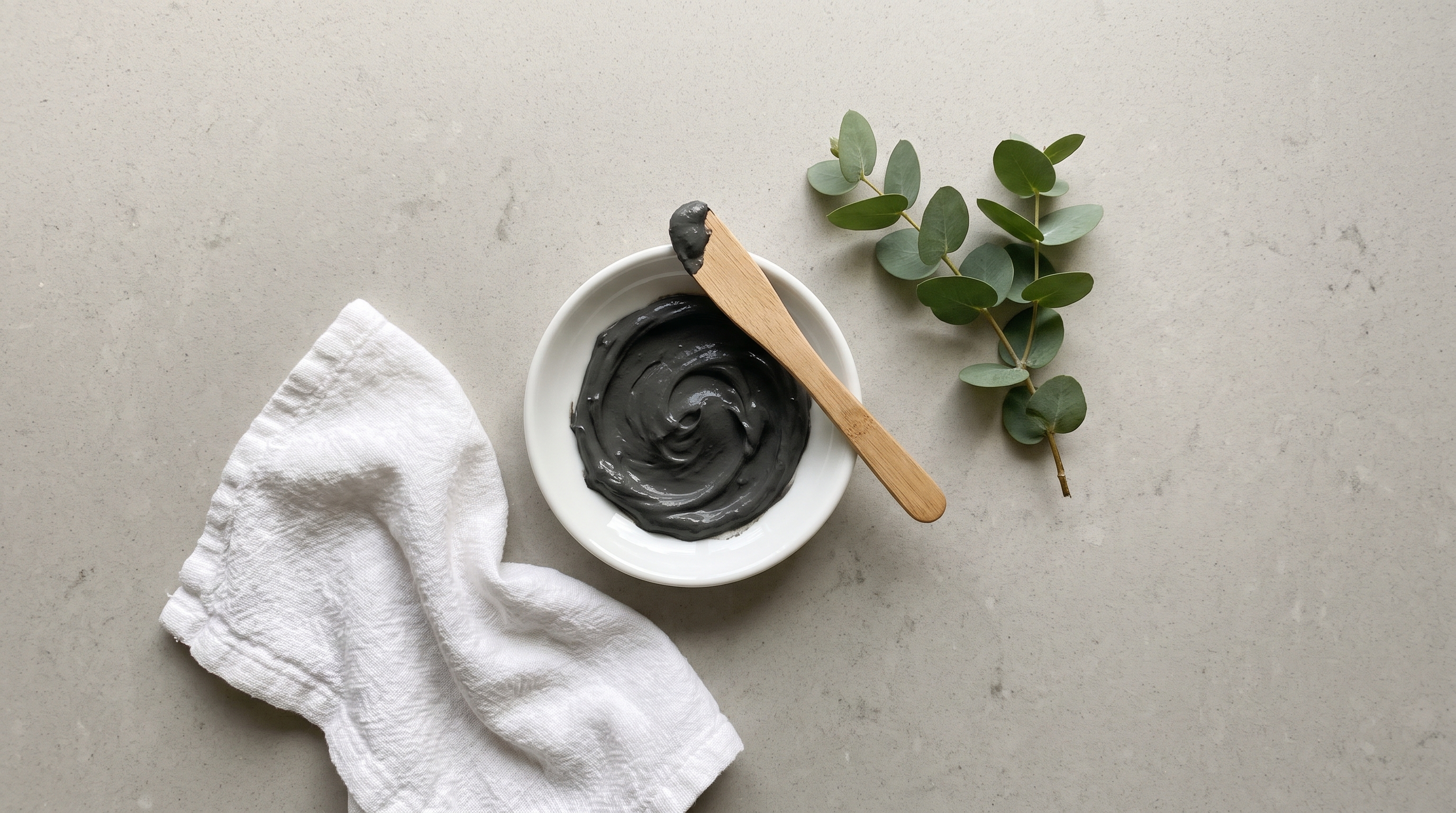
A mud mask is one of the most satisfying ten minutes in skincare. It goes on cool and dark, tightens as it dries, and rinses off to reveal skin that looks matte, clean and a little smoother. Jars from the Dead Sea, volcanic islands and the ocean floor promise to draw out impurities and feed the skin with minerals.
Some of that is real and some is packaging. Mud does absorb oil and surface grime, and it is gentler than its gritty look suggests. But the mineral claims are thin, and no mask changes pore size for more than a day or two. This guide explains what mud is, how it differs from clay, what the research shows, and how to use a mud mask well.
Mud is not just wet clay
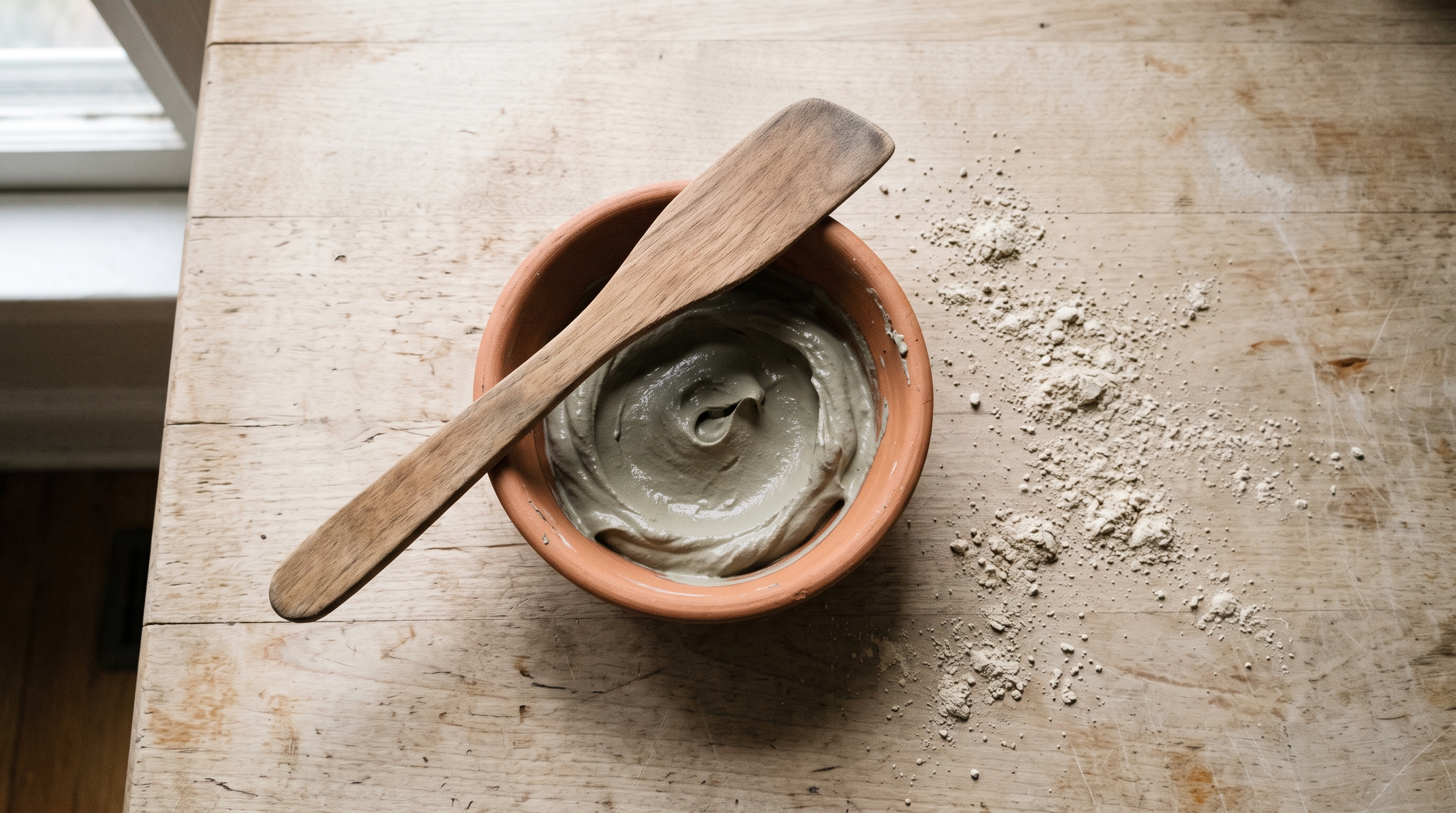
Clay is a fine mineral powder, mostly silicate minerals such as kaolinite, bentonite or illite. A mud is clay that has spent a long time in water. Natural muds from spas, lakes and seabeds carry dissolved salts, organic matter from plants and microbes, and whatever minerals the local water holds. Therapeutic muds, often called peloids, are usually left to mature in mineral water for months before use.
That is why muds vary so much. When researchers analysed twelve spa muds from Greece and one from the Dead Sea, they had to profile each one separately for minerals, particle structure, salts and antioxidant compounds, and only some proved suitable for cosmetic use [1]. A “mud mask” can be almost anything from a raw seabed sediment to a kaolin cream tinted with a little mud extract. If you want to compare the clays themselves, our clay mask guide breaks down kaolin, bentonite and rhassoul.
Your skin needs only 10 to 15 minutes under a mud mask, and leaving it on until it cracks dries the surface more than it cleans the pores.
Your skin needs only 10 to 15 minutes under a mud mask, and leaving it on until it cracks dries the surface more than it cleans the pores.
What a mud mask does
The main action is physical. Clay particles have a large surface area that soaks up oil, sweat and loose debris, so skin looks less shiny after rinsing. As the mask dries and is washed away, it also lifts some dead surface cells, which is where the smoother feel comes from.
That shine control matters for pores. In a study of 60 adults, the amount of oil skin produced was the single factor most strongly linked to pore size, ahead of age and sex [2]. Soaking up surface oil makes pores look smaller for a while, although they refill as oil production picks up again. Our guide to shrinking pores covers the longer-term options.
What the Dead Sea studies show
Dead Sea mud is the best studied, mostly because of the region’s cosmetics industry.
- Barrier safety. In a four-week trial, healthy volunteers applied three kinds of Dead Sea mud to their forearms every other day. Barrier function, skin pH, redness and pigment did not change, and the muds were well tolerated [3]. Plain mud had a slight drying effect, while a commercial mud product was slightly hydrating.
- The magnesium idea. Dead Sea water is rich in magnesium salts. People with dry, atopic skin who soaked a forearm in a 5% Dead Sea salt bath for 15 minutes a day had better hydration and less roughness and redness than the forearm soaked in tap water [4]. That was a salt solution, not a mask, so it is only indirect support for mud.
- Minerals rarely get far. Most minerals in mud are large, charged ions that do not pass through intact skin in useful amounts. Their benefit, if any, is at the surface.
Your skin tolerated 4 weeks of every-other-day Dead Sea mud in one study with no barrier damage, far gentler than its drying reputation suggests.
Your skin tolerated 4 weeks of every-other-day Dead Sea mud in one study with no barrier damage, far gentler than its drying reputation suggests.
Is mud safe?
For most people, yes, but natural mud carries natural metals. A safety review of Dead Sea mud concluded that traces of nickel and chromium posed no concern for healthy skin, though it advised people already sensitized to those metals to avoid it [5]. A 2025 analysis of 95 samples of raw Dead Sea mud, mud cosmetics and comparison products found metal levels in the cosmetics were generally within European and North American guidance, with occasional lead and cadmium readings above the strictest limits [6]. Buy from brands that test their raw material, and skip raw mud scooped from a shoreline.
Volcanic, marine, charcoal: does the type matter?
- Volcanic mud is usually volcanic ash or clay with high surface area, good for oil absorption.
- Marine mud brings sea salts and some organic matter, and tends to feel softer.
- Charcoal mud masks add activated charcoal, which adsorbs oil much like clay does. The same principle applies to rinse-off washes; see our review of charcoal face wash.
In practice, the formula matters more than the origin. Added humectants such as glycerin or aloe make a mask less drying, while alcohol and strong fragrance make it more irritating.
How to use a mud mask
- Cleanse and pat dry.
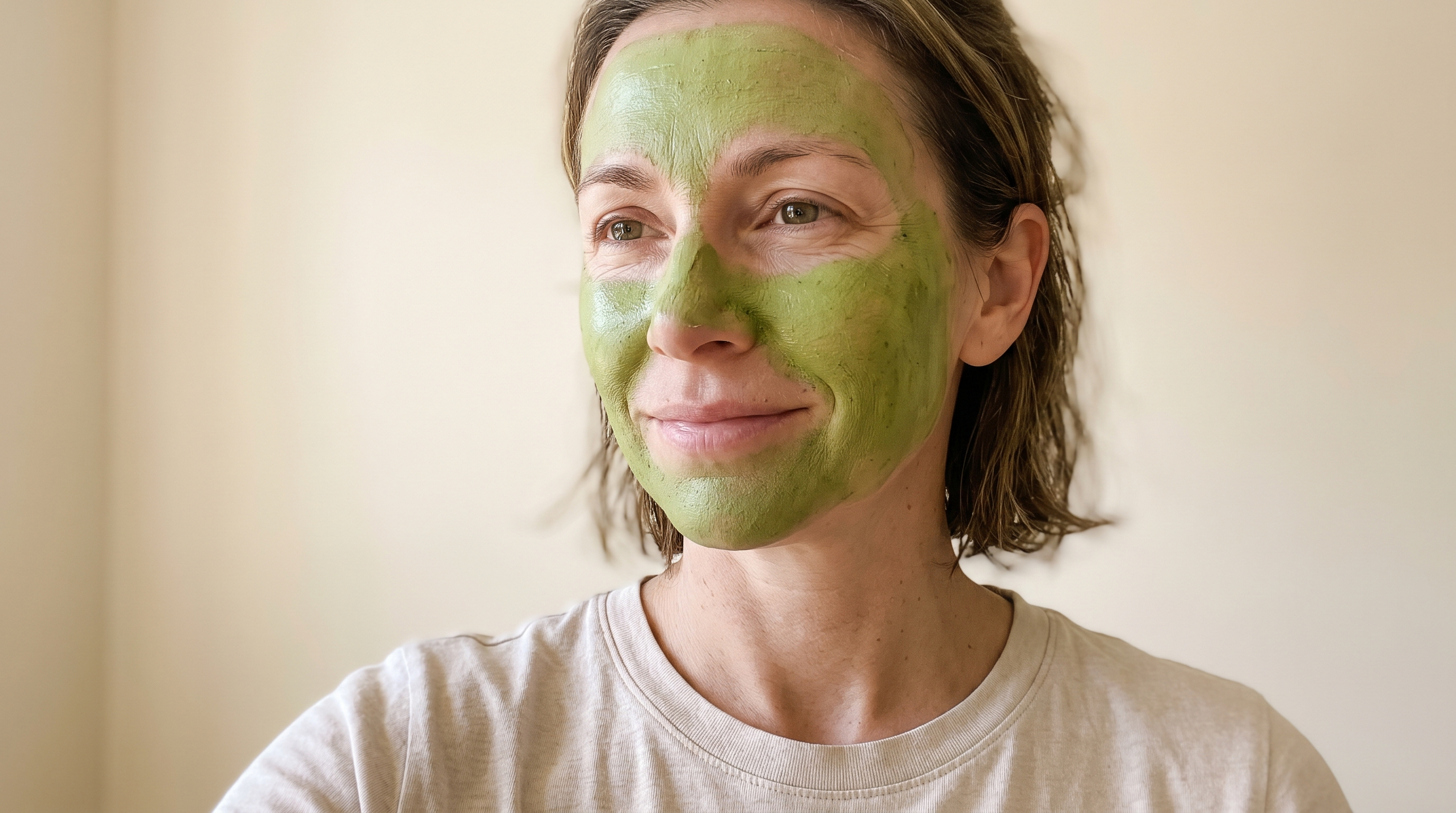
- Spread a thin, even layer, avoiding the eyes, lips and any broken skin.
- Leave it for 10 to 15 minutes, or less if the label says so. Rinse while it is still slightly damp; you do not need to wait until it cracks.
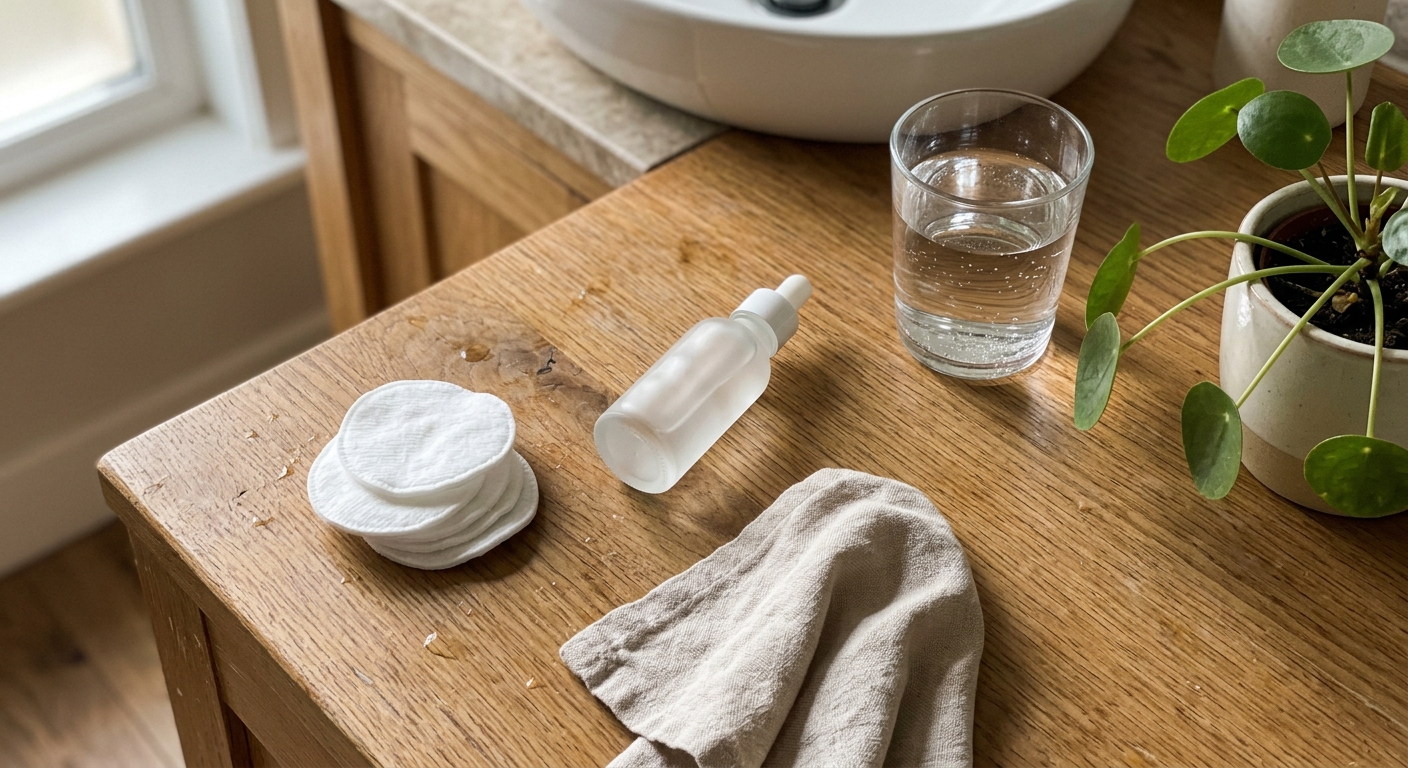
- Rinse with lukewarm water and a soft cloth, then moisturize straight away.
How often: oily skin can use one two or three times a week, normal skin once a week, and dry or sensitive skin every week or two, ideally as a spot treatment on the T-zone. A mud mask fits well into an oily skin routine on nights when you are not using a retinoid or acid.
Who should go easy
Skip or limit mud masks if you have very dry skin, active eczema, a sunburn, or a known nickel or chromium allergy. Patch test any new mask on the jawline first.
A clean slate for longer-term change
A mud mask is a good reset: it lifts oil, makes pores look tighter for a day or two, and is gentle enough for weekly use. It cannot change the structure that keeps pores small and skin firm over the years. That structure is collagen, and as it thins, pore walls slacken and look larger.
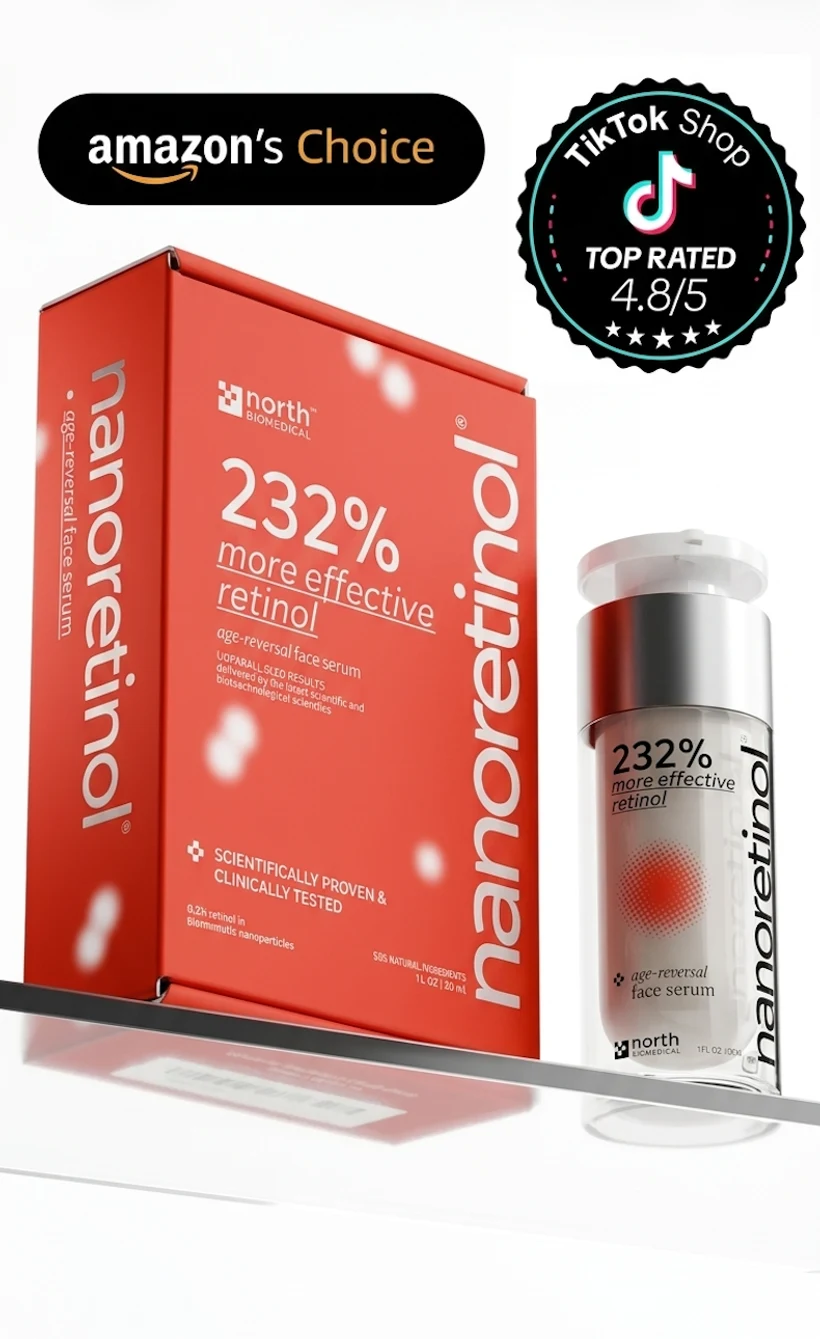
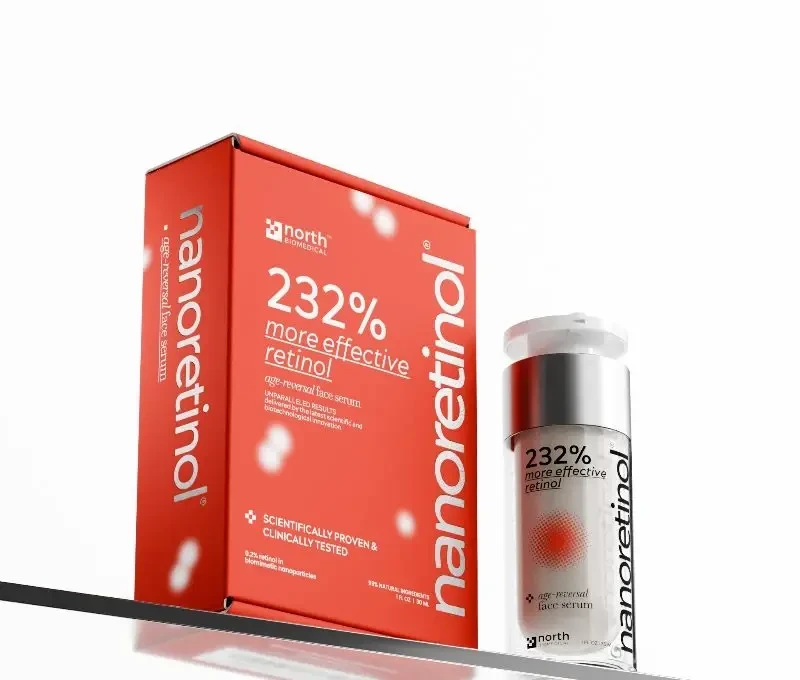
Retinol is the best-studied topical way to rebuild it; in one trial, retinol increased collagen production in aged skin within 24 weeks [7]. Nanoretinol carries 0.2% retinol in biomimetic lipid nanoparticles, in a light, water-based gel that suits oily and combination skin. In North Biomedical’s clinical study, it was 232% more effective in collagen recovery than conventional retinol and produced a 61% increase in firmness after 56 days, with milder side effects [8]. Use the mud mask on one evening and Nanoretinol on the others.
References
- Kamitsou MD, Sygouni V, Kanellopoulou DG, Gardikis K, Koutsoukos PG. “Physicochemical Characterization of Sterilized Muds for Pharmaceutics/Cosmetics Applications.” Environmental Geochemistry and Health. 2018;40(4):1449-1464. doi:10.1007/s10653-017-0066-8
- Roh M, Han M, Kim D, Chung K. “Sebum Output as a Factor Contributing to the Size of Facial Pores.” British Journal of Dermatology. 2006;155(5):890-894. doi:10.1111/j.1365-2133.2006.07465.x
- Hamed S, Almalty AM, Alkhatib HS. “The Cutaneous Effects of Long-Term Use of Dead Sea Mud on Healthy Skin: A 4-Week Study.” International Journal of Dermatology. 2021;60(3):332-339. doi:10.1111/ijd.15304
- Proksch E, Nissen HP, Bremgartner M, Urquhart C. “Bathing in a Magnesium-Rich Dead Sea Salt Solution Improves Skin Barrier Function, Enhances Skin Hydration, and Reduces Inflammation in Atopic Dry Skin.” International Journal of Dermatology. 2005;44(2):151-157. doi:10.1111/j.1365-4632.2005.02079.x
- Ma’or Z, Halicz L, Portugal-Cohen M, Russo MZ, Robino F, Vanhaecke T, Rogiers V. “Safety Evaluation of Traces of Nickel and Chrome in Cosmetics: The Case of Dead Sea Mud.” Regulatory Toxicology and Pharmacology. 2015;73(3):797-801. doi:10.1016/j.yrtph.2015.10.016
- Massadeh R, Al-Momani I, Albals D. “Analysis of Heavy Metal Concentrations in Cosmetics Derived from Dead Sea Mud and Comparative Products.” Biological Trace Element Research. 2026;204(6):3776-3787. doi:10.1007/s12011-025-04932-3
- Kafi R, Kwak HS, Schumacher WE, Cho S, Hanft VN, Hamilton TA, et al. “Improvement of Naturally Aged Skin with Vitamin A (Retinol).” Archives of Dermatology. 2007;143(5):606-612. doi:10.1001/archderm.143.5.606
- North Biomedical LLC. “Nanoretinol vs. Conventional Retinol: Efficacy in Collagen and Elastin Recovery.” Clinical Study Summary, 2024. Study summary