
Ozempic Face: What GLP-1 Weight Loss Does to Your Skin and How to Rebuild
The rapid fat loss behind semaglutide reveals a hidden skin crisis — here's the science of what's happening and what actually helps
The Face Nobody Warned You About
Millions of people have turned to GLP-1 receptor agonists like semaglutide (sold as Ozempic and Wegovy) for weight management. The results on the scale have been remarkable — participants in clinical trials lost an average of 14.9% of their body weight over 68 weeks [1]. But a different kind of result has been showing up in the mirror.
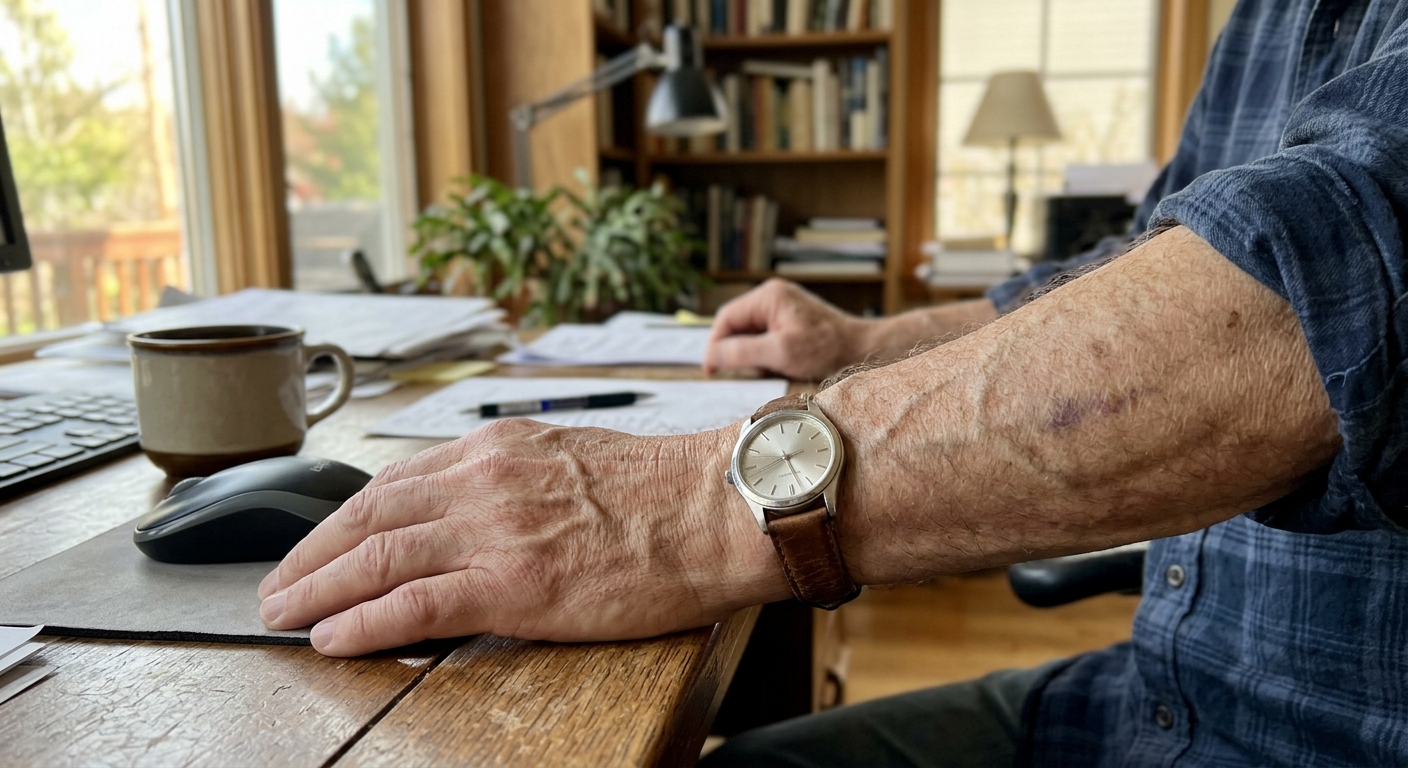
“Ozempic face” is the colloquial term for the visible facial aging that accompanies rapid GLP-1-induced weight loss: hollowed cheeks, deepened nasolabial folds, sagging skin around the jaw and neck, and an overall appearance that can age someone by a decade in a matter of months [2]. Google searches for “Ozempic face” now rival searches for general Ozempic side effects, signaling just how widespread the concern has become [3].
But this isn’t a cosmetic curiosity. It’s a biological event with measurable consequences for your skin’s structural proteins — and understanding it is the first step toward doing something about it.
Why Rapid Weight Loss Ages the Face
Your face relies on three structural pillars to maintain its shape: subcutaneous fat pads, collagen and elastin in the dermis, and the underlying muscle. GLP-1 medications disrupt all three simultaneously.
The most immediate effect is fat loss. The subcutaneous fat pads that give your cheeks, temples, and under-eyes their fullness deflate rapidly. Unlike gradual weight loss, where the skin has months or years to adapt, semaglutide-driven loss happens fast enough that the skin simply cannot retract in time [2]. The result is excess skin draped over a diminished frame — visible as sagging and deepened creases.
But the damage goes deeper than fat. Studies show that rapid weight loss triggers collagen remodeling disturbances in the dermis. Research on post-weight-loss patients found a shift toward type III collagen — an immature, less structured form — at the expense of the organized type I collagen that gives skin its firmness [4]. The collagen fibers become thinner, more loosely arranged, and less capable of supporting skin structure.
Elastin takes a hit too. The elastic fiber content of the dermis measurably decreases following significant weight loss, further reducing the skin’s ability to bounce back [4]. And compounding all of this, semaglutide-induced weight loss involves substantial muscle mass reduction — studies suggest 20 to 50% of total weight lost comes from lean mass, including the facial muscles that provide underlying support [5].
Your face relies on three structural pillars to maintain its shape: subcutaneous fat pads, collagen and elastin in the dermis, and the underlying muscle.
The Collagen Crisis Beneath the Surface
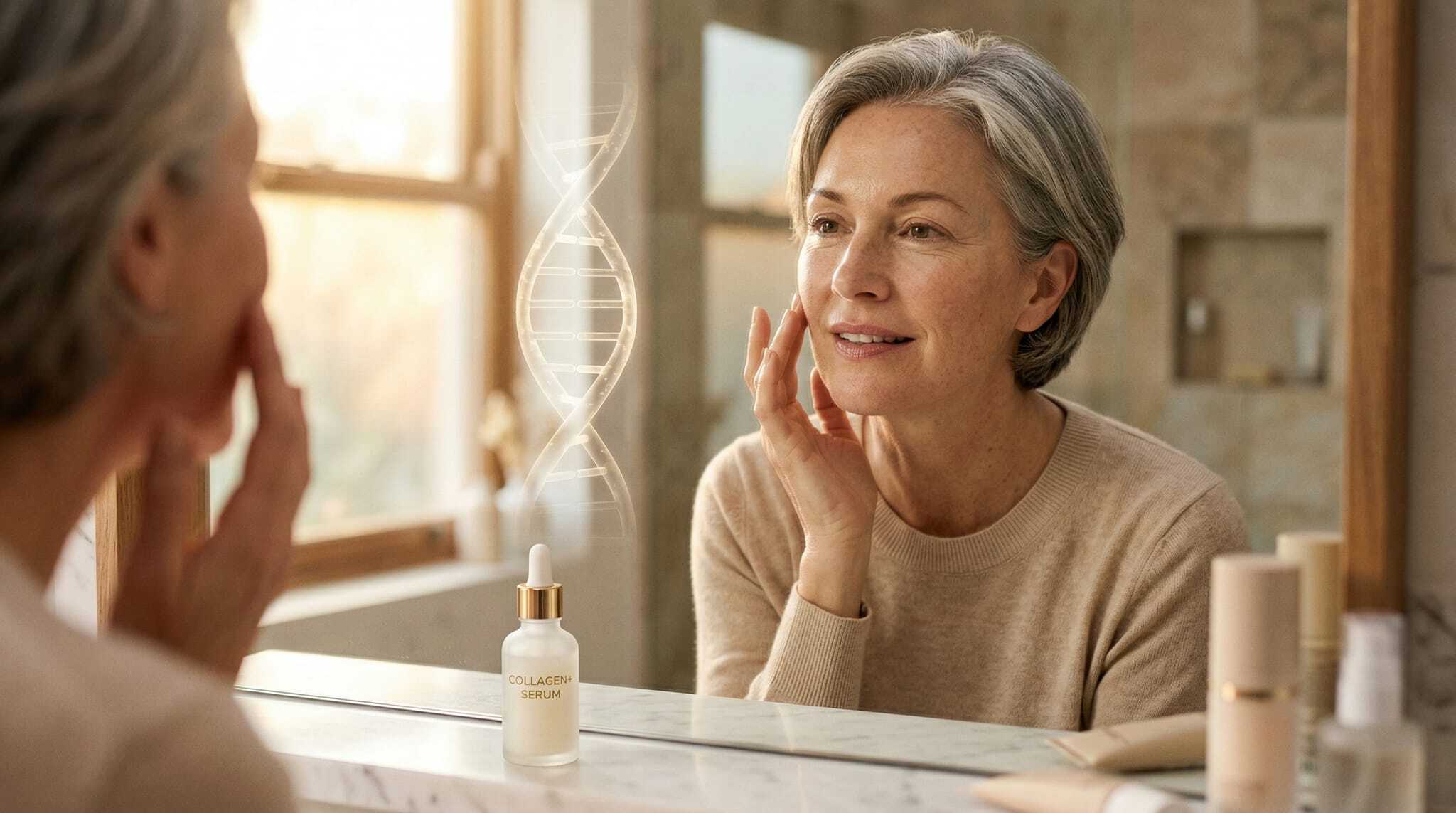
What makes Ozempic face particularly challenging is that it compounds the collagen loss already happening with age. After 30, collagen production naturally declines at roughly 1% per year. After menopause, women experience an accelerated drop — losing up to 30% of their dermal collagen in the first five years [6].
Layer GLP-1-driven weight loss on top of this existing decline, and the deficit becomes severe. The skin loses structural support from above (fat depletion), from within (collagen and elastin degradation), and from below (muscle wasting) — all at the same time.
This is why patients in their 40s and 50s tend to experience the most visible Ozempic face effects. Their baseline collagen reserves are already diminished, leaving less buffer against rapid depletion [2].
Dermatologists have noted that the skin changes aren’t limited to the face. Neck sagging, arm laxity, and abdominal skin folds are common — but the face, being the most visible and hardest to conceal, draws the most attention and distress [3].
What Actually Helps — Building Back Collagen
The standard dermatological approach to Ozempic face has focused on volume replacement: dermal fillers for lost fat, skin-tightening devices for laxity, and in severe cases, surgical intervention. These treat the symptoms but don’t address the underlying collagen deficit.
A more foundational strategy targets collagen synthesis itself. This is where topical retinoids — the most evidence-backed class of ingredients for stimulating collagen production — become relevant. Retinol activates fibroblasts in the dermis, upregulates procollagen gene expression, and has been shown in decades of clinical research to measurably increase dermal collagen density [7].
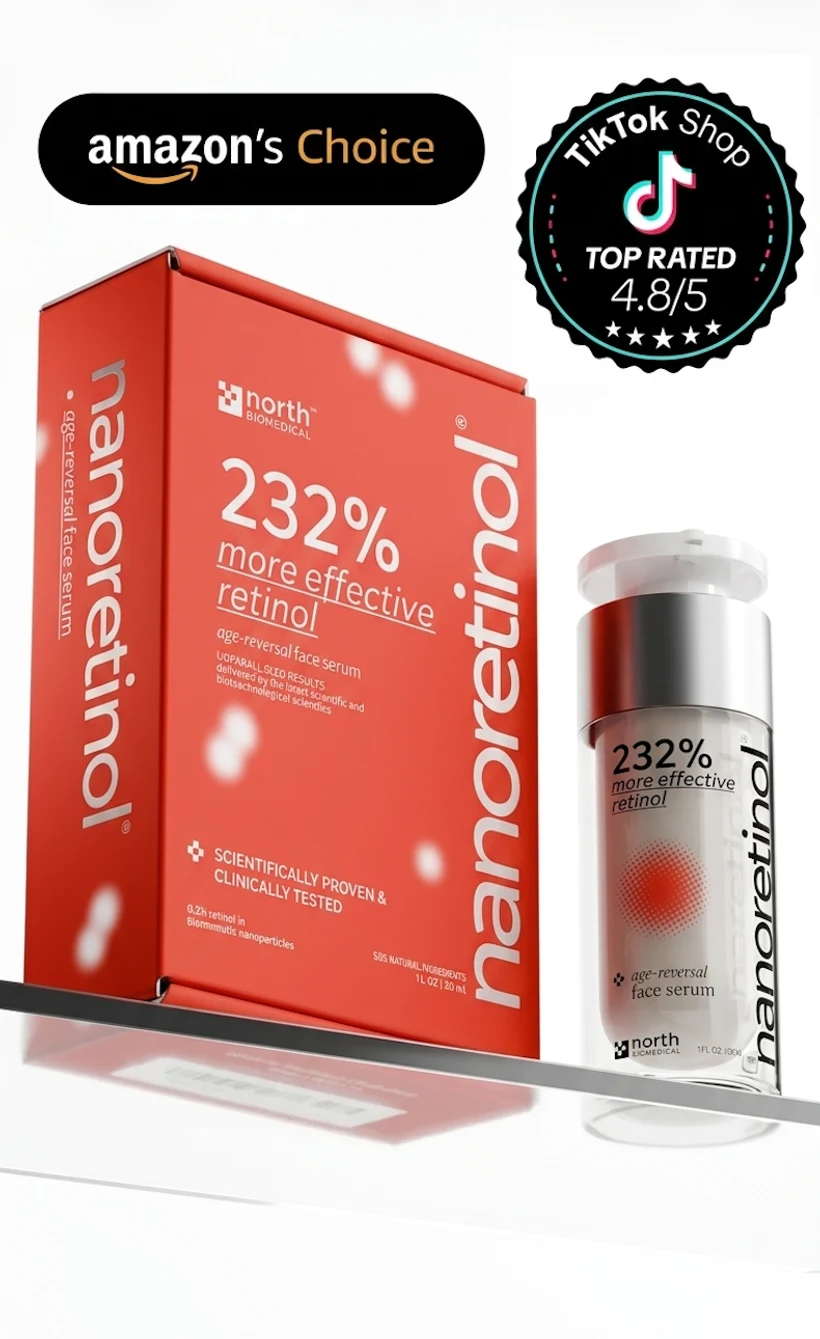
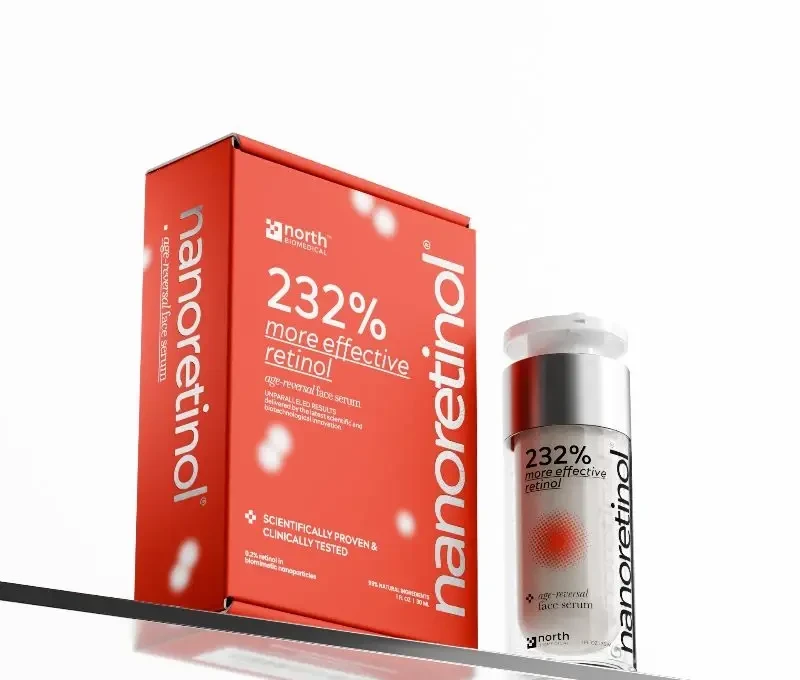
In clinical testing, Nanoretinol® demonstrated 232% greater collagen recovery compared to conventional retinol, with significantly reduced side effects.
For GLP-1 patients specifically, the challenge is tolerability. The same skin that’s been thinned and sensitized by rapid structural loss is often too fragile for conventional retinol formulations. Traditional retinol requires chemical penetration enhancers — often petroleum derivatives — that can further compromise an already weakened barrier, causing the redness, peeling, and irritation that many users know well.
This is precisely the problem that Nanoretinol® was engineered to solve. By encapsulating retinol in biomimetic lipid nanoparticles — particles that the skin recognizes as its own cell membranes — the active ingredient bypasses the barrier without damaging it. In clinical testing, Nanoretinol® demonstrated 232% greater collagen recovery compared to conventional retinol, with significantly reduced side effects [8]. For skin that’s already compromised by rapid weight loss, that gentleness isn’t a luxury — it’s a requirement.
A Proactive Protocol for GLP-1 Users
If you’re currently using or considering a GLP-1 medication, skin health should be part of the conversation from day one — not an afterthought. Here’s what the evidence supports:
Start collagen-stimulating actives early. Don’t wait until you see visible changes. Begin a retinol protocol before or concurrent with your GLP-1 treatment so collagen synthesis is being actively supported as structural losses occur.
Choose delivery over concentration. A retinol that actually reaches the dermis at a lower concentration will outperform a higher-concentration product that sits on the surface. Delivery technology — not percentage on the label — determines real-world efficacy.
Support the barrier. Pair your retinol with ceramides and hyaluronic acid to reinforce the skin barrier that’s under stress from both weight loss and active ingredients.
Protect from UV. Sun damage accelerates collagen breakdown through a completely separate pathway (matrix metalloproteinase activation). Daily broad-spectrum SPF is non-negotiable, especially when your collagen reserves are already depleted.
Be patient and consistent. Collagen rebuilding is measured in months, not days. Clinical studies show visible improvements in skin firmness and wrinkle depth at 12 to 24 weeks of consistent retinol use.
The Bigger Picture
Ozempic face is not a reason to avoid GLP-1 medications if they’re medically appropriate. The cardiovascular, metabolic, and quality-of-life benefits of achieving a healthy weight are significant and well-documented [1]. But it is a reason to take skin health seriously as part of the weight loss journey — not as vanity, but as structural maintenance.
The science is clear: rapid weight loss depletes the dermal infrastructure that keeps skin looking firm and resilient. The most effective countermeasure is to actively rebuild that infrastructure with ingredients proven to stimulate collagen and elastin — and to do so with formulations gentle enough for skin that’s already under stress.
References
- Wilding JPH, Batterham RL, Calanna S, et al. “Once-Weekly Semaglutide in Adults with Overweight or Obesity.” New England Journal of Medicine. 2021;384(11):989-1002. doi:10.1056/NEJMoa2032183
- Ridha Z, Fabi SG, Zubar R, Dayan SH. “Decoding the Implications of Glucagon-Like Peptide-1 Receptor Agonists on Accelerated Facial and Skin Aging.” Aesthetic Surgery Journal. 2024;44(11):NP809-NP818. doi:10.1093/asj/sjae132
- Montecinos K, Kania B, Goldberg DJ. “Semaglutide ‘Ozempic’ Face and Implications in Cosmetic Dermatology.” Dermatological Reviews. 2024;5:e70003. doi:10.1002/der2.70003
- Sataray-Rodriguez A, Pham D, Severini C, et al. “Investigating the Impact of GLP-1 Receptor Agonist-Induced Fat Loss on Collagen Synthesis and Skin Elasticity.” Journal of Biomedical Science and Engineering. 2025;18:45-59. doi:10.4236/jbise.2025.183003
- Cosmoderma Editorial. “Semaglutide and the Skin: A Brief Review of Dermatologic Implications.” CosmoDerma. 2024. Link
- Brincat M, Moniz CJ, Studd JWW, et al. “Long-term Effects of the Menopause and Sex Hormones on Skin Thickness.” British Journal of Obstetrics and Gynaecology. 1985;92(3):256-259. doi:10.1111/j.1471-0528.1985.tb01091.x
- Mukherjee S, Date A, Patravale V, et al. “Retinoids in the Treatment of Skin Aging: An Overview of Clinical Efficacy and Safety.” Clinical Interventions in Aging. 2006;1(4):327-348. PMID: 18046911
- North Biomedical LLC. “Nanoretinol® vs. Conventional Retinol: Efficacy in Collagen and Elastin Recovery.” Clinical Study Summary, 2024. Study PDF