Sulfur Mask Guide: How Sulfur Clears Breakouts and Clogged Pores
Sulfur is one of the oldest acne ingredients still on the shelf. Here is how a sulfur mask works, what the studies show, how long to leave it on and how to fit it around retinol
Sulfur has been used on skin for well over a century, long before anyone had heard of salicylic acid or benzoyl peroxide. It smells faintly of struck matches, it comes in pale yellow powders and pastes, and it still shows up in some of the most popular acne masks on the market.
There is a reason it has lasted. Sulfur dries out angry spots, loosens the plugs in clogged pores and is unusually gentle for an acne ingredient. It also has limits that the packaging rarely mentions. This guide explains how sulfur works, what the research shows, and how to use a sulfur mask without drying your skin out.
How sulfur works on skin
Sulfur does three useful things at once. It is antibacterial, it is antifungal, and it is keratolytic, which means it softens and loosens the dead cells that build up on the skin and inside pores [1].
The loosening effect has a neat bit of chemistry behind it. When sulfur particles touch skin cells, they react to form small amounts of hydrogen sulfide, and that is what breaks down the hardened surface layer [2]. The smaller the particles, the more contact they make with the skin and the better sulfur works [2]. That is why well-made sulfur products use finely milled sulfur rather than coarse powder.
Your skin needs only 10 minutes under most sulfur masks, and leaving one on longer than the label says mostly adds dryness and a stronger smell.
What the evidence shows
Sulfur is old, so most of its research is old too. Reviews describe it as effective for acne, especially in combination with sodium sulfacetamide or salicylic acid, with side effects that are rare and usually limited to mild irritation where it was applied [1].
Your skin needs only 10 minutes under most sulfur masks, and leaving one on longer than the label says mostly adds dryness and a stronger smell.
The best-known pairing is 10% sodium sulfacetamide with 5% sulfur. It has been used for acne, rosacea and flaky, irritated skin since the mid-1950s and is sold as lotions, creams, cleansers and foams [3]. Sodium sulfacetamide adds antibacterial action, and sulfur adds the drying and loosening.
What sulfur lacks is large modern trials. The American Academy of Dermatology’s acne guidelines recommend benzoyl peroxide, topical retinoids and topical antibiotics as core treatments, and note that the published evidence for sulfur is more limited [4]. That makes a sulfur mask a reasonable supporting step rather than a complete acne plan.
Why most sulfur masks contain clay
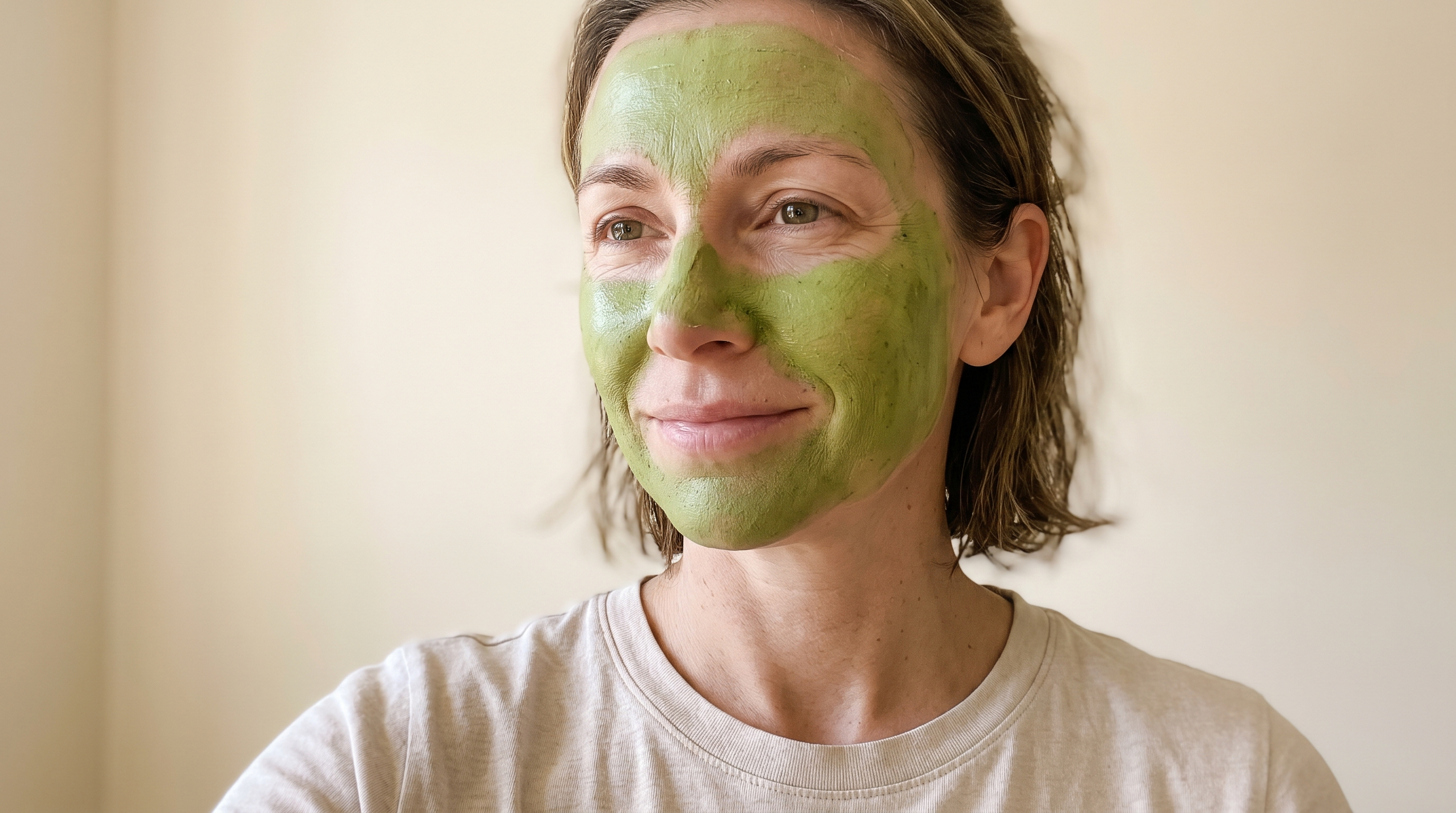
Look at the ingredient list of almost any sulfur mask and you will find kaolin or bentonite near the top. The pairing makes sense. Clay soaks up surface oil while the sulfur works on the plugs underneath, so you get a mattifying effect that day and softer clogs over the following week. If you want to understand the clays themselves, our clay mask guide compares kaolin, bentonite and rhassoul.
The same pairing explains why sulfur masks can feel drying. Clay draws oil, sulfur dries spots, and together they can leave the surface tight if you leave the mask on too long or use it too often.
How long to leave a sulfur mask on
Follow the label, which usually says 5 to 10 minutes for a full-face mask. Longer is not better. Even with mild water and hyaluronan sheet masks, a trial found that wearing time changed the outcome: masks worn for under 25 minutes improved hydration, while longer wear brought more dryness and redness [5]. A drying sulfur and clay formula leaves even less room for error.
Your skin usually tolerates sulfur well, so a 10 minute sulfur mask 2 times a week is a fair option for anyone who finds benzoyl peroxide masks too harsh.
Many people use sulfur masks in two ways:
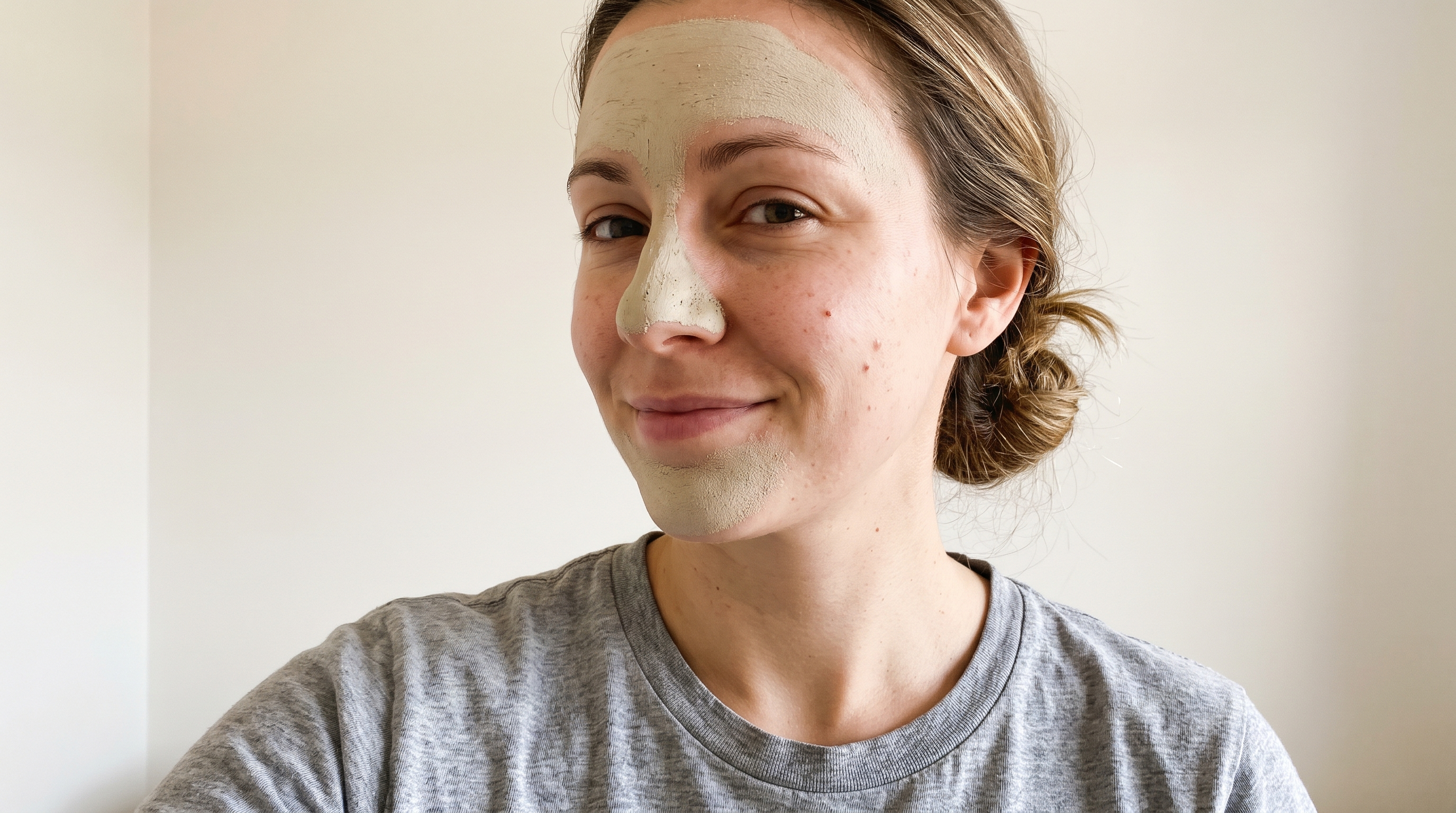
- Full-face mask: a thin layer on clean skin for the time on the label, then a thorough lukewarm rinse and a moisturizer.
- Spot treatment: a small dab left on a single breakout, either for an hour or overnight if the product is designed for it.
Sulfur mask versus other acne masks
Your skin usually tolerates sulfur well, so a 10 minute sulfur mask 2 times a week is a fair option for anyone who finds benzoyl peroxide masks too harsh.
- Benzoyl peroxide is the stronger antibacterial and is a first-line acne treatment, but it can bleach towels and pillowcases and irritate dry skin.
- Salicylic acid dissolves oil inside pores and is a good fit for blackheads. Our guide on how to get rid of blackheads explains how it compares with other options.
- Sulfur sits in between: gentler than benzoyl peroxide, with a drying action that suits red, inflamed spots.
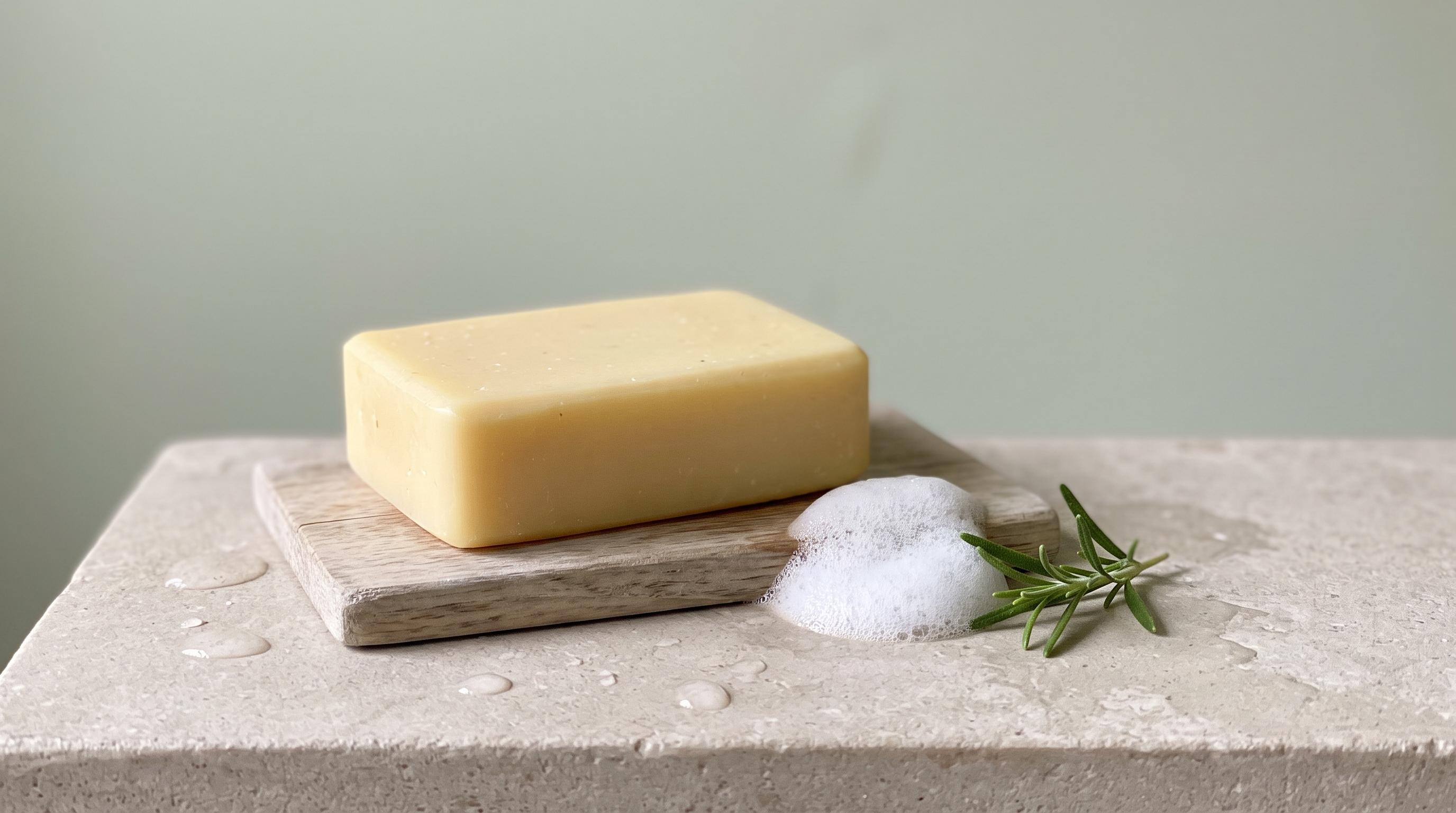
If you prefer a rinse-off format, a sulfur soap or face wash gives a lighter daily dose, while a mask gives a stronger, occasional one.
Smell, dryness and who should be careful
The smell is the biggest complaint. It comes from the sulfur itself and fades after rinsing, though some formulas mask it with fragrance, which can irritate sensitive skin.
Dryness and mild flaking are the most common side effects. Use a sulfur mask once or twice a week at first and moisturize straight after. Skip it if your skin has reacted to sulfur before, avoid sodium sulfacetamide formulas if you have a sulfa drug allergy, and check with your doctor first if you already use a prescription acne cream. Never apply it to broken or sunburned skin. Only about 1% of sulfur applied to skin is absorbed into the body, and serious reactions are rare [2].
Using sulfur alongside retinol
A sulfur mask treats the clogs you can see. It does not stop new ones from forming, because clogged pores start as tiny plugs of sticky dead cells long before they show. Our explainer on clogged pores covers why they keep coming back.
That prevention job belongs to retinoids. Acne guidelines put them at the core of topical therapy because they clear the early microscopic plugs, calm inflammation and help keep skin clear once it improves [6]. Retinol also rebuilds collagen over time: in one trial it increased collagen production in aged skin within 24 weeks [7].
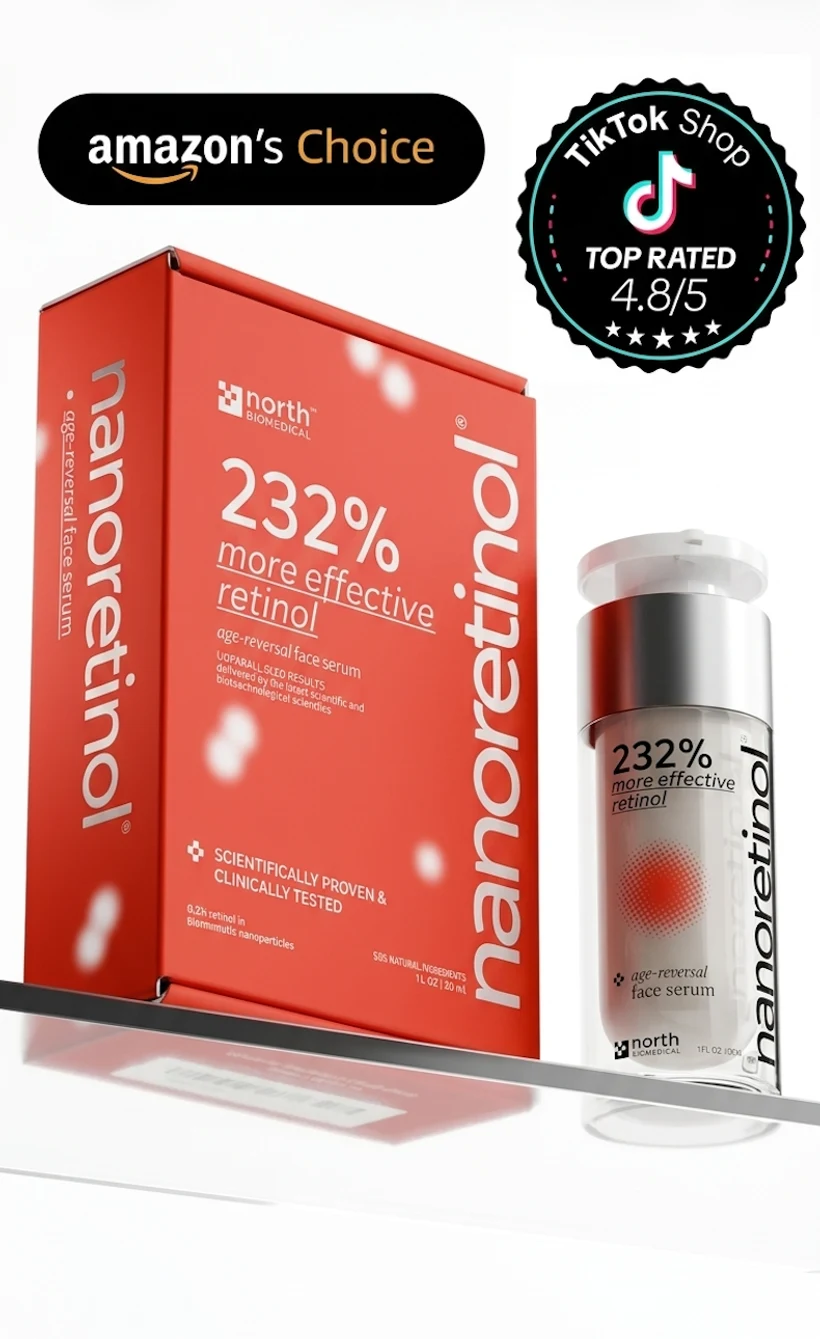
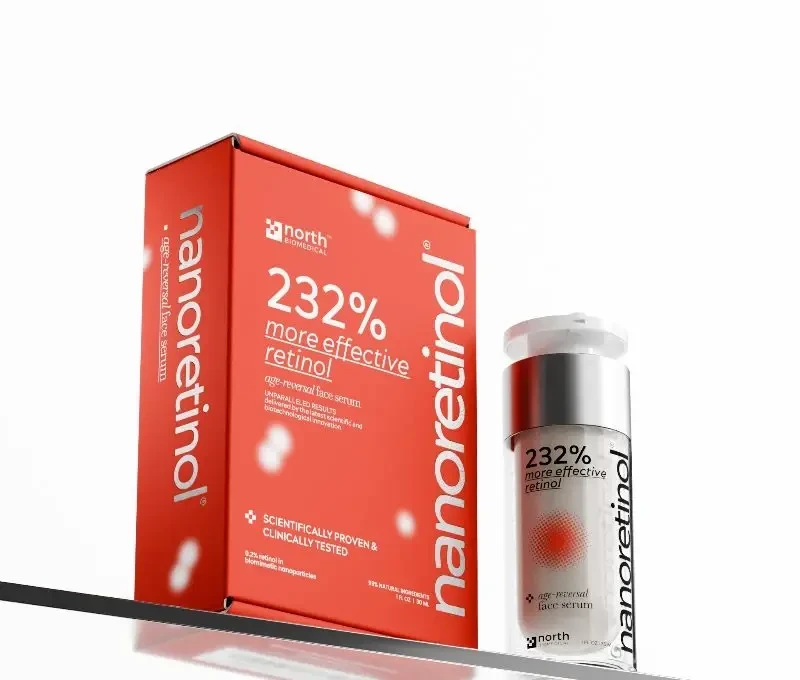
Nanoretinol carries 0.2% retinol in biomimetic lipid nanoparticles, in a light, water-based gel that suits oily and combination skin. In North Biomedical’s clinical study, it was 232% more effective in collagen recovery than conventional retinol and produced a 61% increase in firmness after 56 days, with milder side effects than conventional retinol [8]. Keep the sulfur mask for one or two evenings a week, and use Nanoretinol on the other nights rather than layering the two on the same evening.
References
- Gupta AK, Nicol K. “The Use of Sulfur in Dermatology.” Journal of Drugs in Dermatology. 2004;3(4):427-431. PubMed: 15303787
- Lin AN, Reimer RJ, Carter DM. “Sulfur Revisited.” Journal of the American Academy of Dermatology. 1988;18(3):553-558. PubMed: 2450900
- Del Rosso JQ. “The Use of Sodium Sulfacetamide 10%-Sulfur 5% Emollient Foam in the Treatment of Acne Vulgaris.” Journal of Clinical and Aesthetic Dermatology. 2009;2(8):26-29. PubMed: 20729951
- Zaenglein AL, Pathy AL, Schlosser BJ, Alikhan A, Baldwin HE, Berson DS, et al. “Guidelines of Care for the Management of Acne Vulgaris.” Journal of the American Academy of Dermatology. 2016;74(5):945-973. doi:10.1016/j.jaad.2015.12.037
- Wang Y, Cao Y, Huang X, Zhang M, Hu J, Li L, Xiong L. “Short-Term Skin Reactions and Changes in Stratum Corneum Following Different Ways of Facial Sheet Mask Usage.” Journal of Tissue Viability. 2024;33(4):831-839. doi:10.1016/j.jtv.2024.06.012
- Leyden J, Stein-Gold L, Weiss J. “Why Topical Retinoids Are Mainstay of Therapy for Acne.” Dermatology and Therapy. 2017;7(3):293-304. doi:10.1007/s13555-017-0185-2
- Kafi R, Kwak HS, Schumacher WE, Cho S, Hanft VN, Hamilton TA, et al. “Improvement of Naturally Aged Skin with Vitamin A (Retinol).” Archives of Dermatology. 2007;143(5):606-612. doi:10.1001/archderm.143.5.606
- North Biomedical LLC. “Nanoretinol vs. Conventional Retinol: Efficacy in Collagen and Elastin Recovery.” Clinical Study Summary, 2024. Study summary