Aging Hands: Why They Give Away Your Age and How to Make Them Look Younger
Your hands age faster than your face — science explains why, and what actually reverses it
The Part of Your Body That Tells the Truth
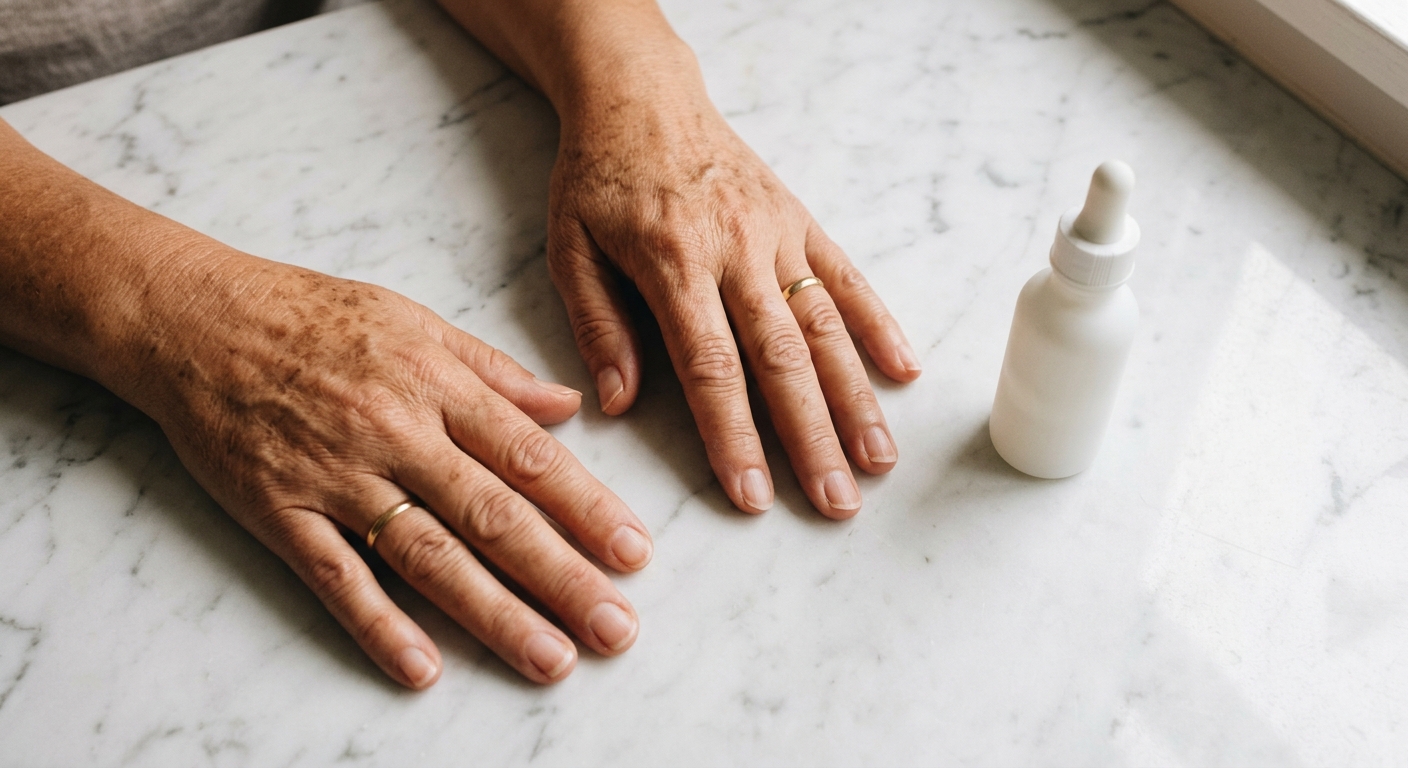
You can invest thousands in facial rejuvenation — retinol, peels, Botox, fillers — and still be betrayed by your hands. They sit on the table during meetings. They gesture while you talk. They hand over your credit card at checkout. And they tell a story your face no longer does.
The hands are among the most reliable indicators of chronological age, and dermatologists have known this for decades. A pilot study developing validated aging scales for the dorsal hand found that wrinkling, pigmentation changes, and volume loss form distinct, measurable patterns that progress predictably with age [1]. Unlike the face, which benefits from a robust cosmetic industry and decades of attention, hands have been largely neglected — exposed to everything, protected from nothing.
Understanding why hands age so aggressively is the key to reversing it.
Why Hands Age Faster Than Almost Anywhere Else
Extreme UV Exposure With Zero Protection
Think about how often your hands see sunlight. Driving, walking, gardening, washing dishes by a sunny window — hands receive enormous cumulative UV doses. Yet unlike the face, which most women protect with daily moisturizer or makeup containing SPF, hands almost never receive sunscreen.
UV radiation triggers the same collagen-destroying cascade on the dorsal hand as it does on the face: reactive oxygen species generation, MMP upregulation, and progressive degradation of the dermal collagen matrix [2]. But on the hands, this process goes unchecked by any photoprotective habit. The result is accelerated photoaging that compounds year after year.
Minimal Subcutaneous Fat
The dorsal (back) surface of the hand has almost no subcutaneous fat pad. As intrinsic aging and UV damage thin the dermis, there’s no fat cushion underneath to maintain a plump, youthful appearance. Tendons, veins, and bone become increasingly prominent — creating that skeletal look that immediately signals aging [1].
Volume loss accelerates in the forties and fifties, especially for women experiencing menopausal collagen decline. The combination of thinning skin over zero fat reserve makes hands one of the first body areas to look visibly aged.
Constant Chemical and Mechanical Stress
Hands endure daily assaults that no other body part faces: frequent handwashing strips natural oils, cleaning products expose skin to harsh chemicals, and constant movement creates mechanical wear. Each hand wash disrupts the lipid barrier, increasing transepidermal water loss and leaving skin drier and more vulnerable to further damage [3].
This daily barrier disruption means hand skin has less recovery time than facial skin, which typically gets pampered with serums and moisturizers morning and night.
Signs of Hand Aging: What You’re Actually Seeing
Dorsal hand aging manifests through four distinct changes, often occurring simultaneously:
You can invest thousands in facial rejuvenation — retinol, peels, Botox, fillers — and still be betrayed by your hands.
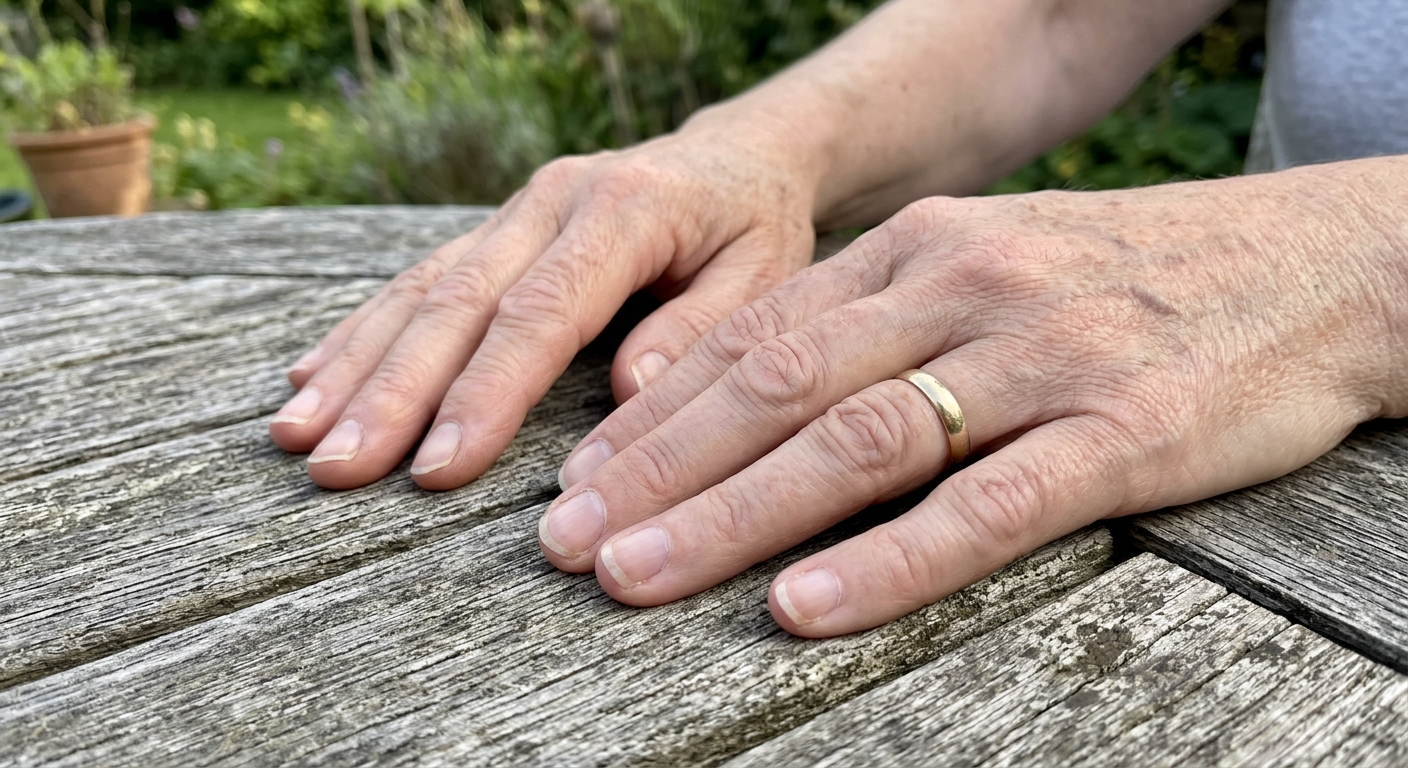
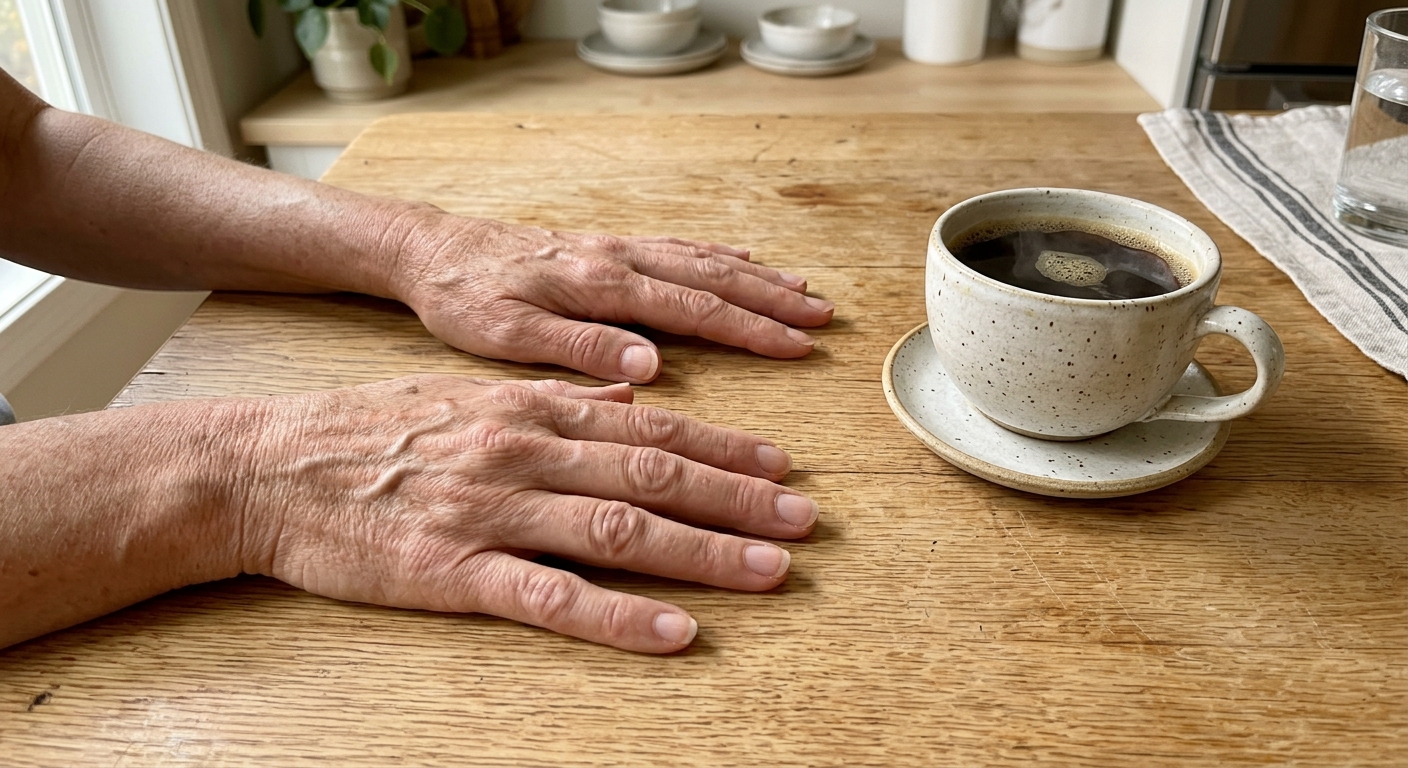
Wrinkles and crepiness. Collagen and elastin loss creates a crinkled, tissue-paper texture. Crepey skin on the hands results from the same dermal thinning that affects the face and neck — but progresses faster due to greater environmental exposure.
Dark spots and lentigines. Age spots on hands are solar lentigines — clusters of overactive melanocytes that produce excess melanin in response to cumulative UV damage. They’re among the most visible signs of hand aging.
Visible veins and tendons. As the dermis thins and subcutaneous fat diminishes, underlying structures become visible through the skin. This is structural aging that topical treatments alone can’t fully address — though improving skin thickness can reduce prominence.
Dryness and roughness. The natural decline in sebaceous gland activity, combined with frequent handwashing and chemical exposure, leads to chronically rough, dry texture.
Treatments That Actually Work
Retinoids: The Foundation
A 120-day clinical trial evaluating an anti-aging hand cream containing retinol found statistically significant improvements in texture, wrinkles, and pigmentation compared to baseline (P <0.001) [4]. Retinol works on hands through the same mechanisms as on the face: accelerating cell turnover, stimulating collagen synthesis, and inhibiting tyrosinase to fade dark spots.
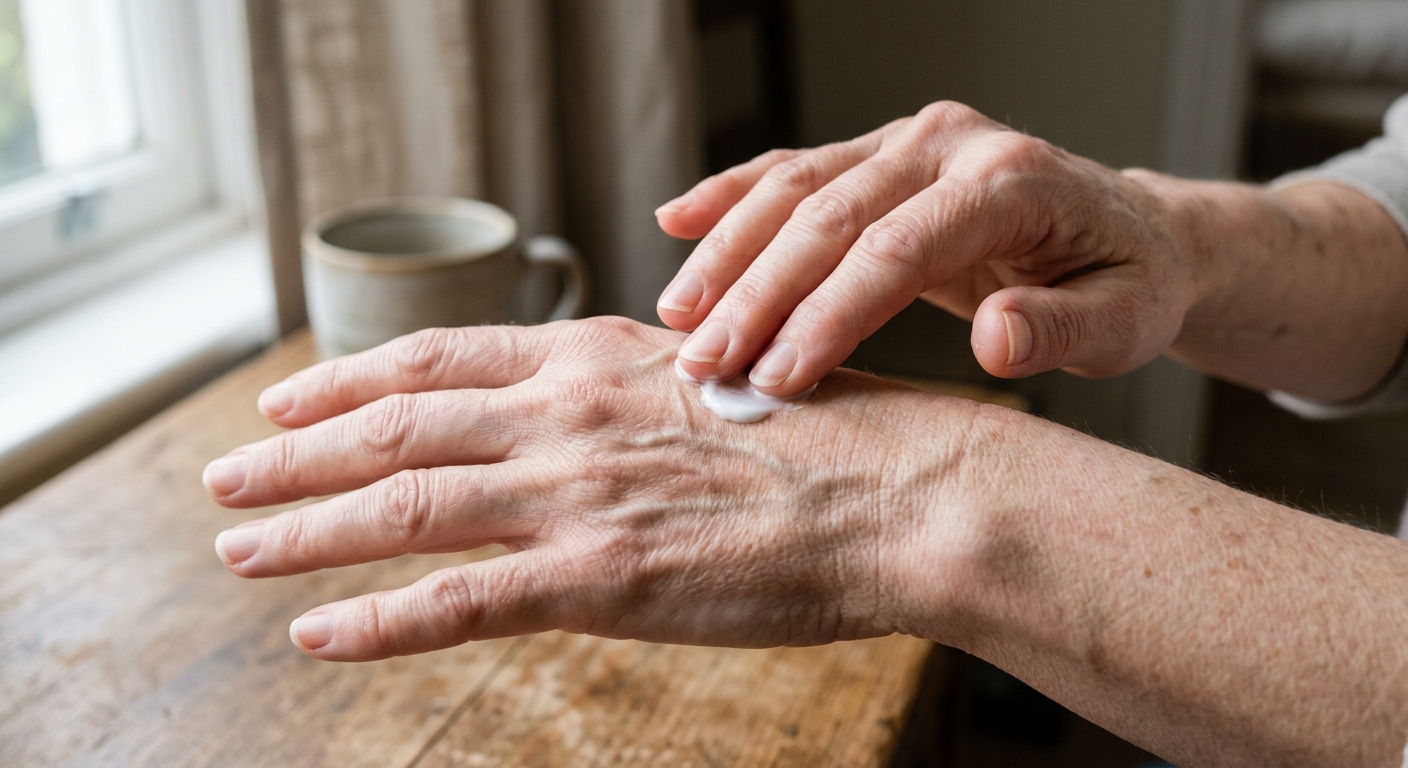
The key challenge is compliance. Hand skin is constantly washed, meaning topical treatments are stripped away repeatedly throughout the day. Evening application — after the last hand wash of the day — is the most practical approach, ideally under occlusive gloves for 30–60 minutes to maximize absorption.
Targeted Brightening Agents
For dark spots specifically, combining retinol with targeted depigmenting agents accelerates results:
- Alpha arbutin: Inhibits tyrosinase without the irritation of hydroquinone
- Kojic acid: Chelates copper ions required for melanin synthesis
- Vitamin C: Both inhibits tyrosinase and provides antioxidant protection against further UV-induced pigmentation
Sunscreen — The Non-Negotiable
Every dermatologist will tell you the same thing: the single most effective anti-aging treatment for hands is daily SPF application. Apply broad-spectrum sunscreen to the backs of your hands every morning, and reapply after washing. This one habit prevents more aging than every treatment combined [5].
Here’s the practical problem with retinol on hands: the skin is drier, thinner, and constantly disrupted by washing.
The Delivery Problem — And How Nanoparticles Solve It
Here’s the practical problem with retinol on hands: the skin is drier, thinner, and constantly disrupted by washing. Conventional retinol formulations — which rely on chemical penetration enhancers that damage the skin barrier — are poorly suited to an area already under barrier stress. The irritation drives many women to abandon hand retinol before seeing results.
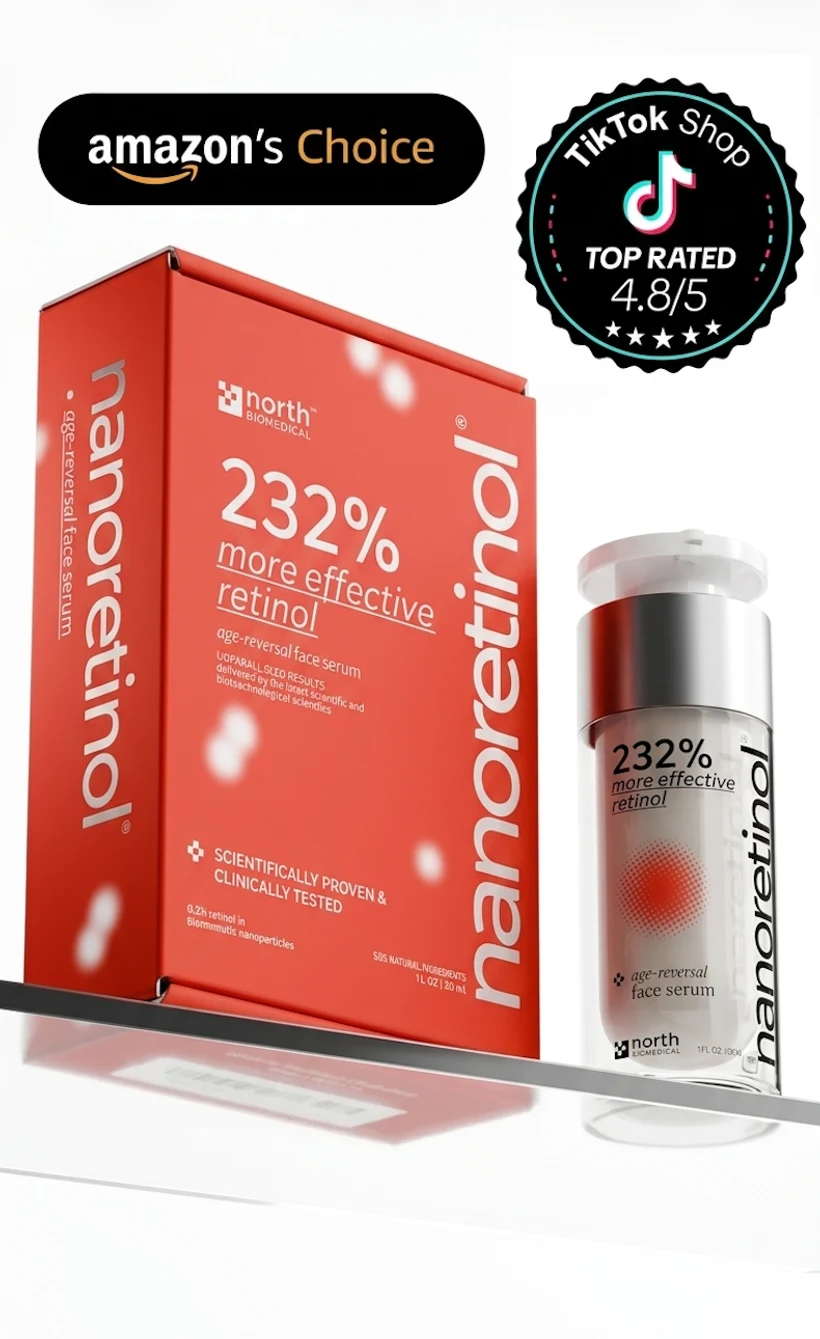
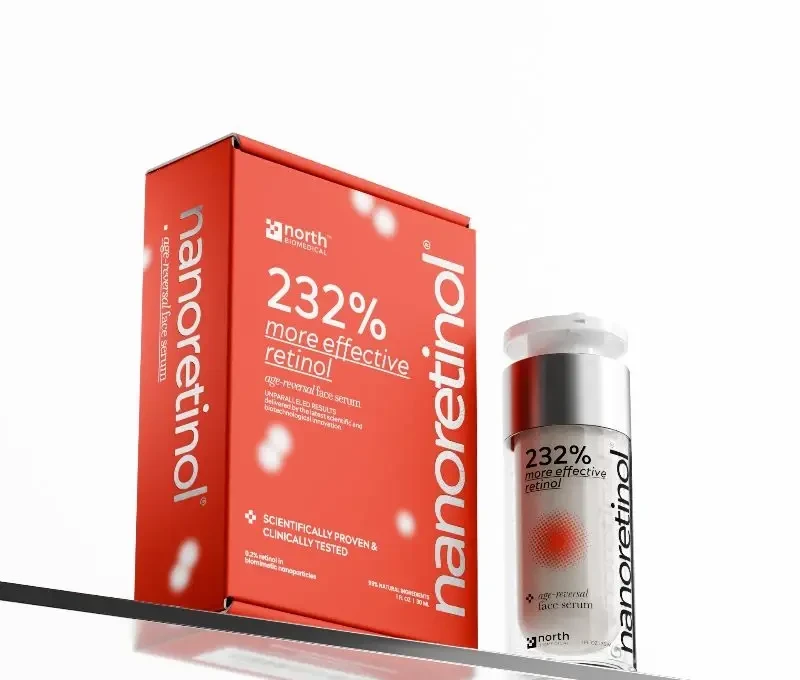
Nanoretinol® addresses this fundamental compatibility issue. Its biomimetic lipid nanoparticles deliver retinol through the barrier without the inflammatory disruption caused by conventional vehicles. Clinical data showed +232% greater collagen recovery and +73% greater elastin recovery versus standard retinol, with dramatically reduced cytotoxicity [6]. For hand skin — which needs collagen recovery but can’t tolerate harsh formulations — this represents a practical advantage beyond what ingredient lists alone can capture.
The water-based, non-greasy texture also matters for hand application: it absorbs completely rather than leaving a slippery residue that affects grip and transfers to everything you touch.
A Practical Hand Rejuvenation Routine
Morning:
- Apply vitamin C serum to the backs of hands
- Follow with a moisturizer containing ceramides or hyaluronic acid
- Finish with broad-spectrum SPF 30+ — reapply after every third hand wash
Evening:
- After your last hand wash of the day, apply retinol to the dorsal surface
- Seal with a rich emollient cream
- Optional: wear cotton gloves for 30–60 minutes to enhance absorption, the same occlusion principle behind a hand mask
Weekly:
- Gentle chemical exfoliation with glycolic acid (5–10%) to improve texture and fade pigmentation
Realistic Expectations
Hand rejuvenation follows a slower timeline than facial improvement, largely because hands receive more environmental insult and less consistent treatment. Based on clinical evidence:
Weeks 4–6: Texture begins to smooth. Skin feels less dry and rough.
Months 2–3: Fine wrinkles start to soften. Surface-level pigmentation begins to fade.
Months 4–6: Deeper wrinkles show improvement. Dark spots measurably lighten. Skin appears thicker and less translucent.
Months 6+: Maximum improvement from topical treatment. Volume loss and prominent veins require professional interventions (fillers) for significant change.
The honest truth is that topical treatments can meaningfully improve texture, wrinkles, and pigmentation on the hands — but they can’t restore lost subcutaneous fat. For women whose primary concern is visible veins and tendons, professional treatments like hyaluronic acid filler injections remain the most effective option. Topicals and injectables complement each other: one improves skin quality, the other restores volume.
References
-
Jakubietz RG, Kloss DF, Jakubietz MG, Schmitz J, Meffert RH, Gruenert JG. “A Single-Center Pilot Study to Classify Signs of Dorsal Hand Aging Using 3 Grading Scales.” Aesthetic Surgery Journal Open Forum. 2022;4:ojac005. doi:10.1093/asjof/ojac005
-
Mukherjee S, Date A, Patravale V, Korting HC, Roeder A, Weindl G. “Retinoids in the treatment of skin aging: an overview of clinical efficacy and safety.” Clinical Interventions in Aging. 2006;1(4):327-348. doi:10.2147/ciia.2006.1.4.327
-
Kottner J, Lichterfeld A, Blume-Peytavi U. “Transepidermal water loss in young and aged healthy humans: a systematic review and meta-analysis.” Archives of Dermatological Research. 2013;305(4):315-323. doi:10.1007/s00403-012-1313-6
-
Schlessinger J, Saxena S, Mohr S. “Assessment of a Novel Anti-Aging Hand Cream.” Journal of Drugs in Dermatology. 2016;15(4):496-503. PMID: 27050706
-
Hughes MCB, Williams GM, Baker P, Green AC. “Sunscreen and Prevention of Skin Aging: A Randomized Trial.” Annals of Internal Medicine. 2013;158(11):781-790. doi:10.7326/0003-4819-158-11-201306040-00002
-
North Biomedical LLC. “Nanoretinol® vs. Conventional Retinol: Efficacy in Collagen and Elastin Recovery.” Clinical Study Summary, 2024.