Eye Massager: What Heat, Pressure and Cold Can Do for Tired Eyes
Heated masks, vibrating wands and cooling rollers promise brighter, less puffy eyes. What each type actually does, the safety limits, and where eye care fits in
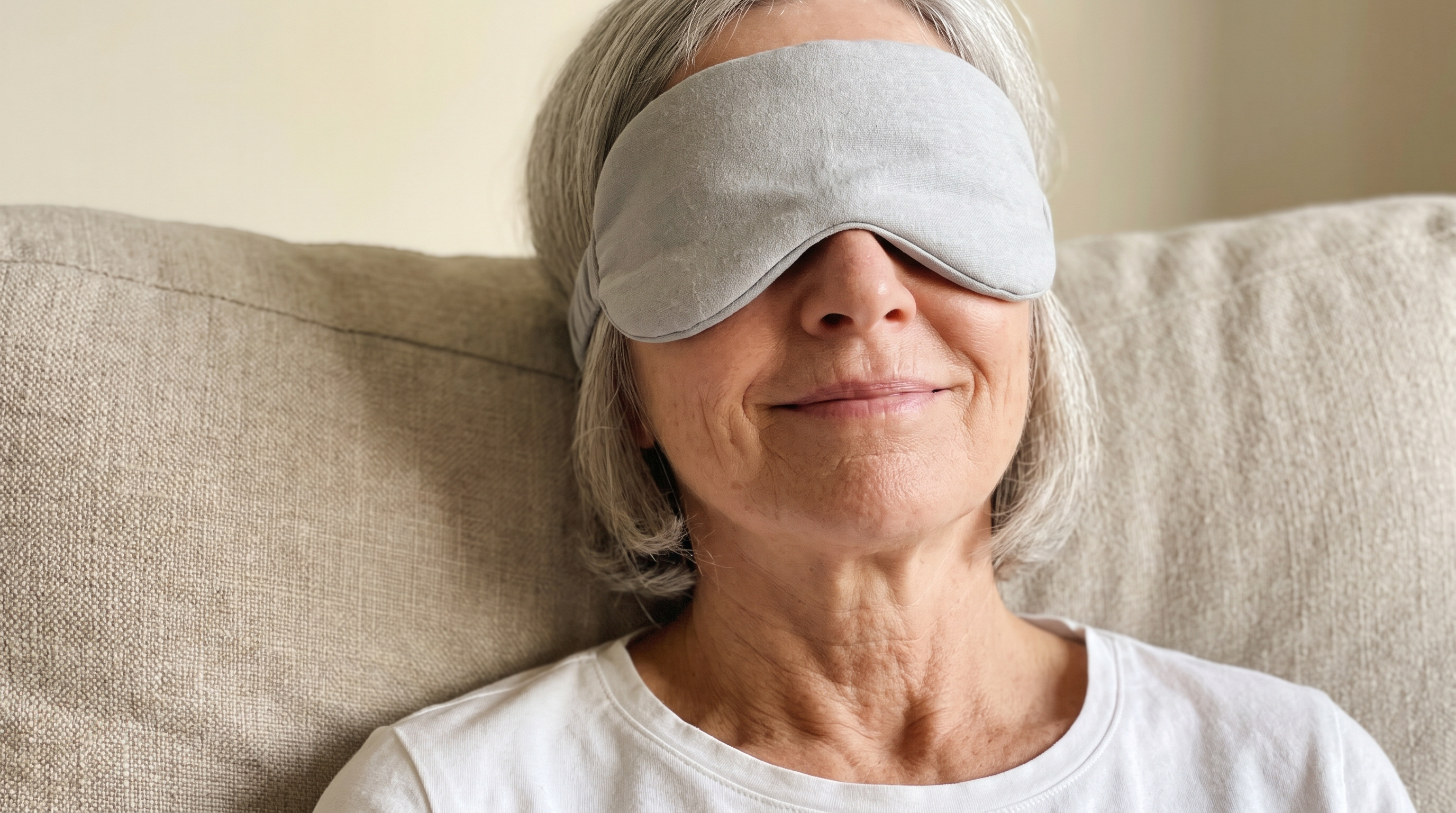
Eye massagers have become one of the most popular wellness gadgets on the market. Some look like padded ski goggles that wrap your eyes in warmth and rhythmic air pressure. Others are slim wands with a smooth metal tip that hum against the under-eye area. The promises are broad: less puffiness, brighter eyes, less strain after a day of screens, and smoother skin around the eyes.
Some of those promises are realistic. One of them is not. This guide explains what warmth, pressure and cold actually do to the eye area, where the safety limits lie, and how to fit a massager into a routine that also takes care of fine lines.
The three main types
- Heated mask massagers: goggle-style headsets with warming pads, small air bags that squeeze in rhythm, and often vibration or music. They are built mainly for relaxation and tired, dry-feeling eyes.
- Vibrating wands: pen-sized tools with a smooth metal tip, often heated or cooled, that you glide along the orbital bone with an eye cream.
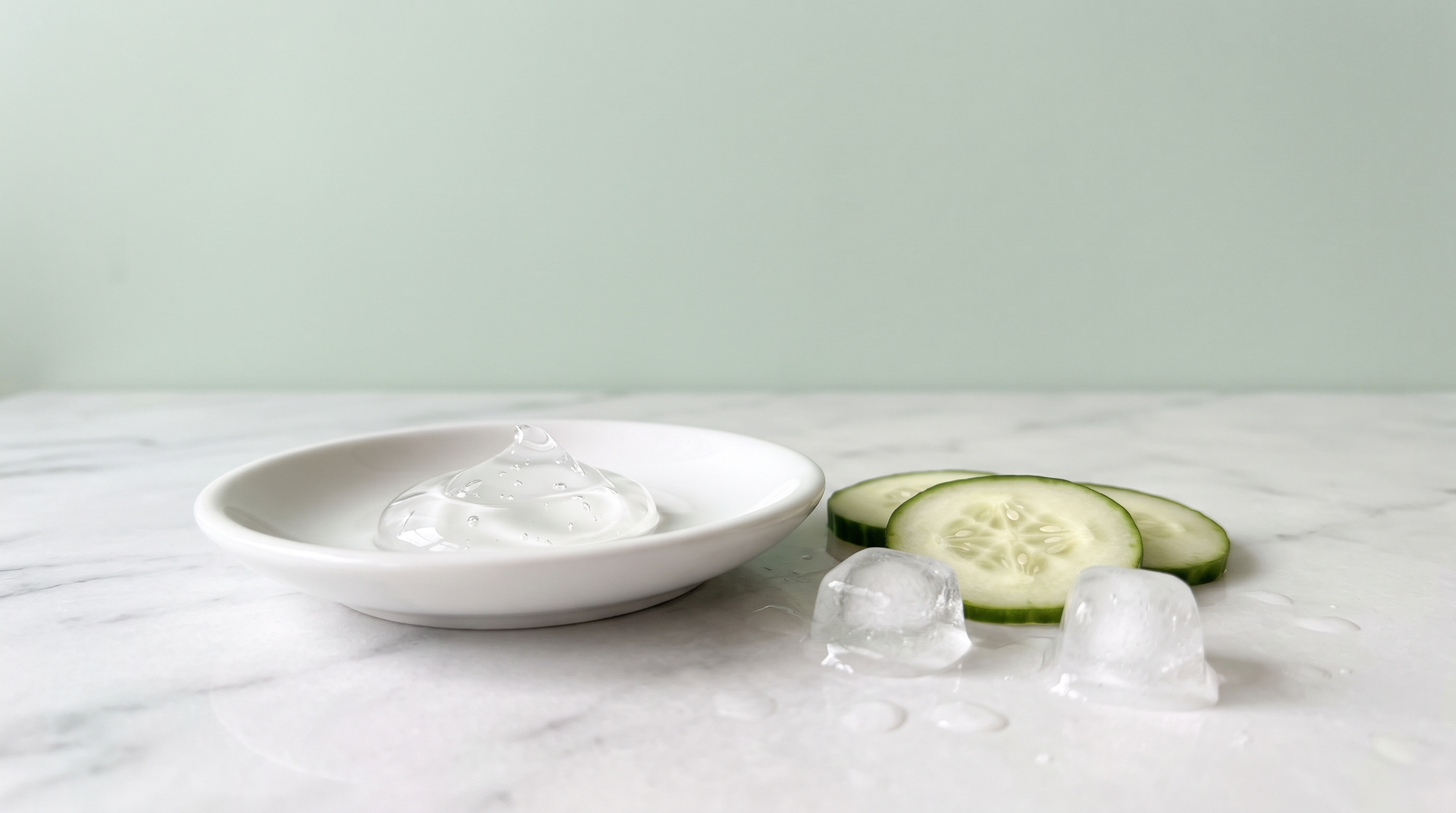
- Cooling tools: stainless steel or stone rollers, chilled spoons and gel masks kept in the fridge. They have no motor and work by cold alone.
Each type works through a different mechanism, so the right choice depends on what you want to change.
What warmth does
Your eyelids hold a row of tiny oil glands along their edges. They release the oily layer that stops tears from evaporating, and when that oil thickens, eyes feel dry, gritty and tired. Warmth softens it.
Getting the inner eyelid warm enough takes longer than most people think. In a study of warm compresses heated to about 45°C, it took at least four minutes of good contact to raise the inner lower eyelid to 40°C, the temperature eye doctors aim for when treating blocked oil glands [1]. A small comparison of eight warm compress methods found that only one, a bundle of hot wet towels, brought all three lid surfaces to 40°C or higher; several ready-made heat masks lagged well behind [2]. Newer devices may do better. In a 2026 crossover trial in 15 adults, a USB-powered heated mask improved tear film stability more than a self-heating disposable mask over five days [3].
Your skin around the eyes will look no smoother after 2 weeks of nightly warmth, because heat works on the lids and tears far more than on wrinkles.
Your skin around the eyes will look no smoother after 2 weeks of nightly warmth, because heat works on the lids and tears far more than on wrinkles.
Heat also widens small blood vessels. That is pleasant for tired eyes, but it makes a warm mask a poor choice for morning puffiness.
What pressure and massage do
Morning puffiness is mostly fluid. Lying flat overnight lets it collect in the loose tissue under the eyes, and salty food, alcohol, allergies and short sleep make it worse. Our guide to puffy eyes covers the full list of causes. Gentle massage that sweeps outward toward the temples and down in front of the ears can help that fluid drain.
There is good evidence that facial massage changes circulation, even if the eye area itself has not been studied closely. In one study, five minutes with a facial massage roller increased blood flow in the treated cheek for at least ten minutes, and five weeks of daily use improved how well the small blood vessels widened in response to heat [4]. That is a real but temporary effect: brighter colour and less congestion for a while, not a structural change in the skin.
Pressure is also where eye massagers need the most care. Rubbing and massage around the eye can raise the temperature of the cornea, and combining massage with heat appears to raise the risk of the cornea changing shape in people who are prone to it [5]. Eye doctors advise screening before prescribing eye massage for that reason. In practice:
- Bone, not eyeball: press only on the bony rim around the eye, never on the closed eye itself.
- Low settings: start with the gentlest pressure and the lowest heat, and keep sessions to the time the maker recommends.
- Check first: if you have keratoconus, have had eye surgery recently, or have any eye condition, ask your eye doctor before using any massager.
- Stop at warning signs: blurred vision, pain or new redness mean stop and get advice.
Your under-eye puffiness often settles within 1 or 2 hours of getting up, and a cold roller simply gets you there sooner than gravity alone.
What cold does
Cold does the opposite of heat. It narrows blood vessels and limits swelling. In a study of 23 people after eyelid surgery, steady controlled cooling on one eye reduced eyelid swelling compared with the untreated eye in about seven in ten patients immediately after treatment [6]. Surgical swelling is far more severe than ordinary morning puffiness, but the principle carries over, and it is why chilled rollers and gel masks are the most useful tools for a puffy start to the day.
Your under-eye puffiness often settles within 1 or 2 hours of getting up, and a cold roller simply gets you there sooner than gravity alone.
Our guide to the ice roller for the face covers how cold to go and how long to use it without irritating thin skin.
What no massager can do
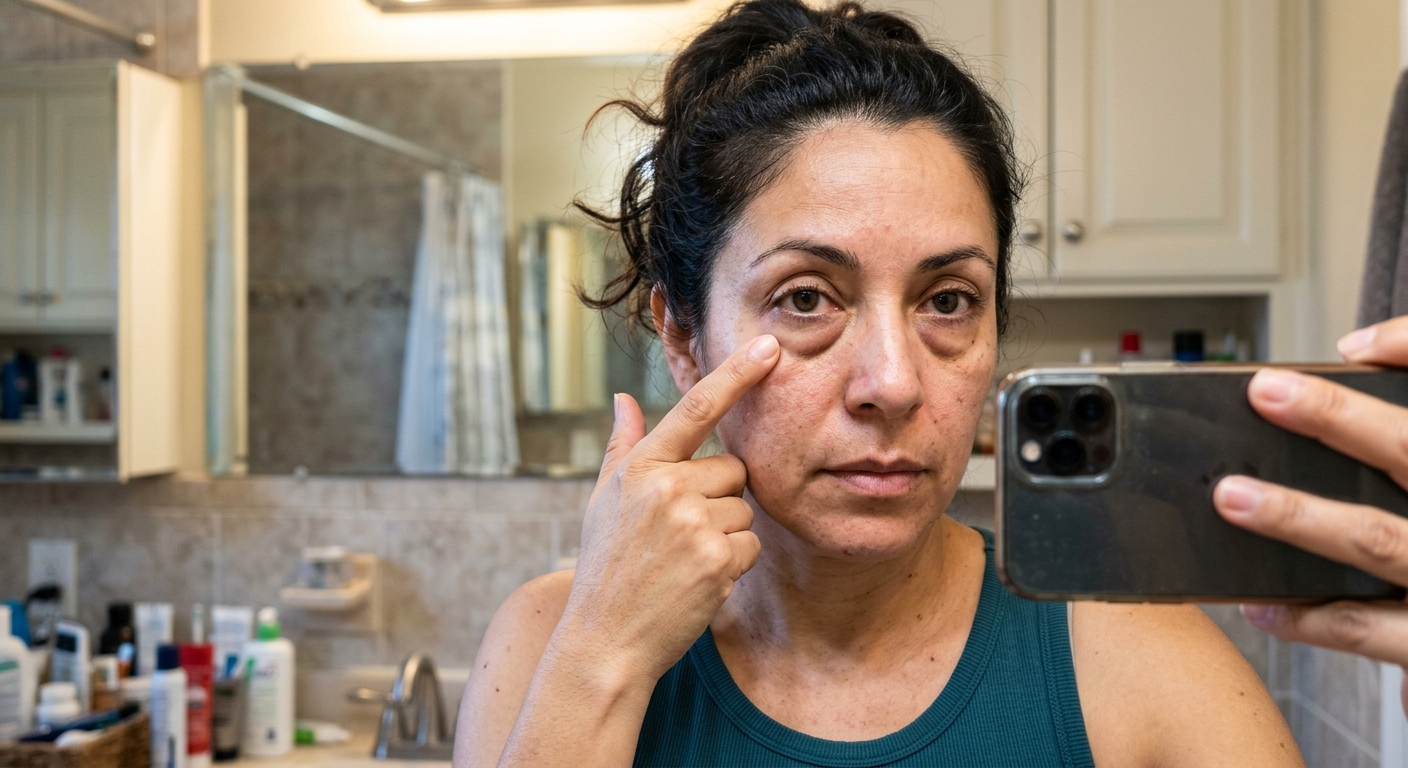
Fine lines, crow’s feet and crepey lids have a different cause. They come from the slow loss of collagen and elastin in the thin skin around the eyes, accelerated by years of sun and constant movement. Massage can bring a temporary flush of blood flow and move fluid, but it does not rebuild the support structure underneath. Our guide to crepey eyelids explains why that skin thins and which ingredients can help.
The same goes for dark circles caused by thin skin or a hollow under the eye. A massager may lighten circles caused by fluid and congestion for a few hours, but not shadows caused by structure.
How to choose and use an eye massager
- Match the tool to the goal: cold for morning puffiness, gentle heat for tired or dry-feeling eyes, and a wand if you mainly want help working in an eye cream.
- Look for controls: adjustable temperature, a pressure setting and an automatic shut-off matter more than music or apps.
- Keep it clean: wipe contact surfaces after each use and do not share masks.
- Follow with care: after a cool session, pat on an eye cream while the skin is calm. For puffiness, our picks for the best eye cream for puffy eyes compare the most useful ingredients.
Used this way, an eye massager is a pleasant daily ritual that makes eyes feel and look fresher for part of the day.
Eye massagers, fine lines and retinol
For lines and crepey texture, the ingredient with the strongest human evidence is retinol. In a study comparing retinol with prescription retinoic acid, four weeks of retinol thickened the epidermis and switched on the genes for type I and type III collagen, and 12 weeks of a retinol formula significantly reduced facial wrinkles [7].
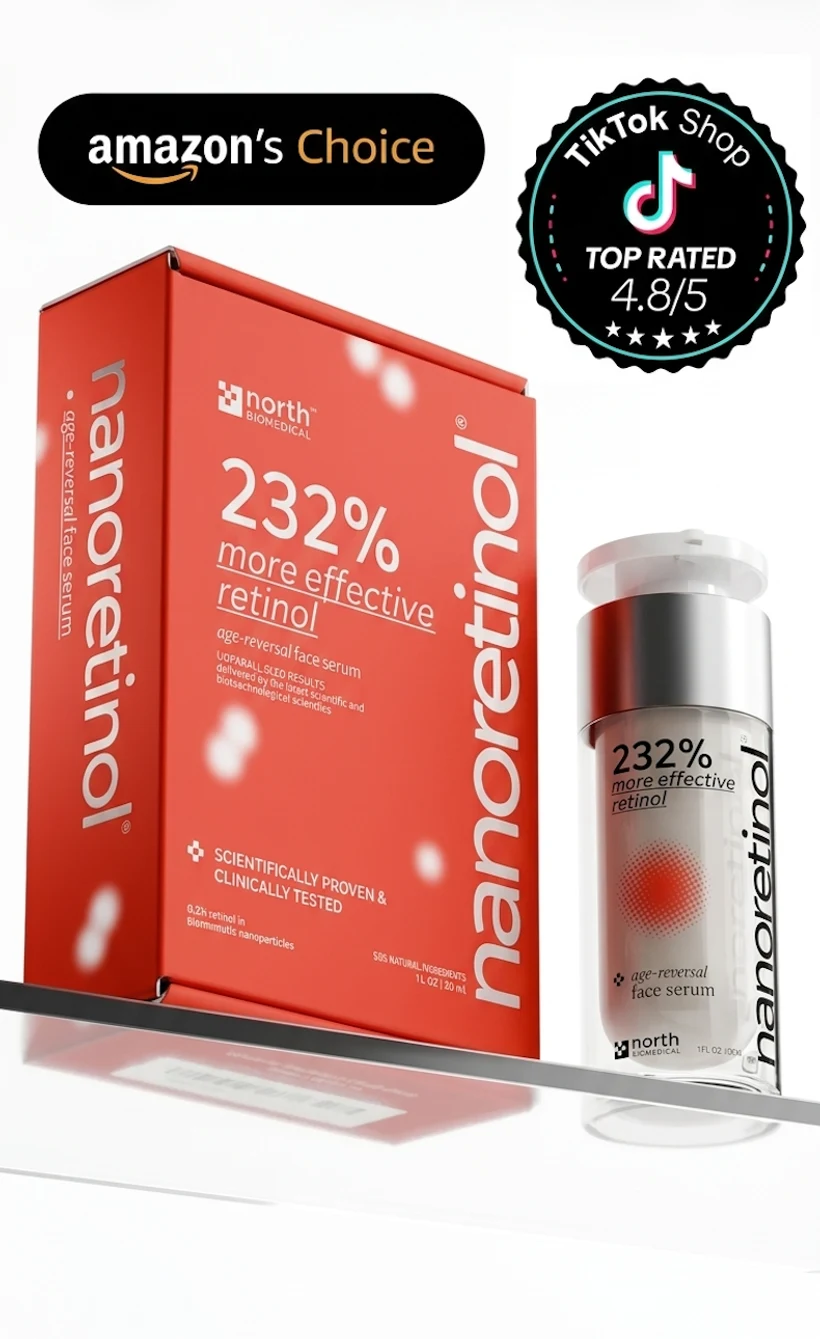
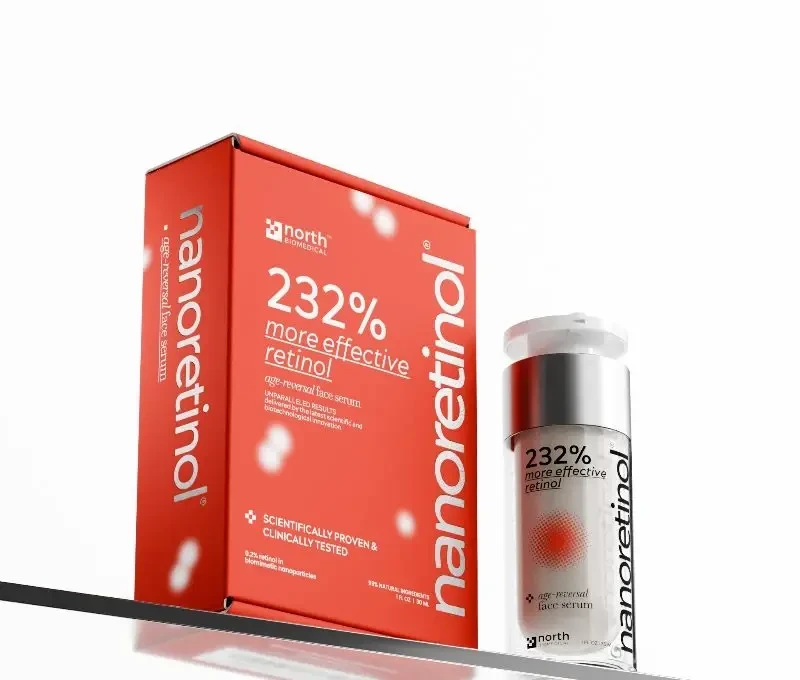
The problem is that the skin around the eyes is thin and easily irritated, and conventional retinol formulas often leave it dry, red and flaking. Nanoretinol was designed to avoid that. It delivers 0.2% retinol inside biomimetic lipid nanoparticles that the skin recognises as its own, in a light, water-based gel that is suitable for sensitive skin and safe for the eye contour. In North Biomedical’s clinical study it was 232% more effective in collagen recovery and 73% more effective in elastin recovery than conventional retinol, and users saw a 61% increase in firmness and a 56% increase in elasticity after 56 days, with milder side effects than conventional retinol [8].
A simple routine uses both. In the morning, a cold roller or chilled mask takes down puffiness. At night, a thin layer of Nanoretinol along the orbital bone, kept out of the eyes themselves, works on the collagen that no massager can reach.
References
- Blackie CA, Solomon JD, Greiner JV, Holmes M, Korb DR. “Inner Eyelid Surface Temperature as a Function of Warm Compress Methodology.” Optometry and Vision Science. 2008;85(8):675-683. doi:10.1097/OPX.0b013e318181adef
- Murakami DK, Blackie CA, Korb DR. “All Warm Compresses Are Not Equally Efficacious.” Optometry and Vision Science. 2015;92(9):e327-e333. doi:10.1097/OPX.0000000000000675
- Al Saqr AM, Alharbi MF, Alrumizan M, Abusharha A. “USB-Powered vs. Self-Heating Warm Compresses for Meibomian Gland Dysfunction: A Prospective Randomized Crossover Clinical Trial.” PLoS One. 2026;21(10):e0360762. doi:10.1371/journal.pone.0360762
- Miyaji A, Sugimori K, Hayashi N. “Short- and Long-Term Effects of Using a Facial Massage Roller on Facial Skin Blood Flow and Vascular Reactivity.” Complementary Therapies in Medicine. 2018;41:271-276. doi:10.1016/j.ctim.2018.09.009
- McMonnies CW, Korb DR, Blackie CA. “The Role of Heat in Rubbing and Massage-Related Corneal Deformation.” Contact Lens and Anterior Eye. 2012;35(4):148-154. doi:10.1016/j.clae.2012.01.001
- Liu J, Fan W, Guo Y, Kopecky A, Wawer Matos Reimer PA, Heindl LM, Rokohl AC. “Eyelid Edema Reduction Following Blepharoplasty: A 3D Imaging-Based Pilot Study on the Efficacy of Hilotherapy.” Quantitative Imaging in Medicine and Surgery. 2025;15(10):9170-9178. doi:10.21037/qims-2025-832
- Kong R, Cui Y, Fisher GJ, Wang X, Chen Y, Schneider LM, Majmudar G. “A Comparative Study of the Effects of Retinol and Retinoic Acid on Histological, Molecular, and Clinical Properties of Human Skin.” Journal of Cosmetic Dermatology. 2016;15(1):49-57. doi:10.1111/jocd.12193
- North Biomedical LLC. “Nanoretinol vs. Conventional Retinol: Efficacy in Collagen and Elastin Recovery.” Clinical Study Summary, 2024. Study summary