Do Facial Steamers Work? Steam, Pores and Absorption Explained
Steam changes your skin for about twenty minutes. Knowing which twenty minutes matters.
A facial steamer is one of the few skincare devices that provides instant feedback. Ten minutes over a warm plume and the face comes up flushed, soft and faintly damp, and everything applied afterward seems to sink in differently. That sensation is the entire marketing case, and it is convincing enough that steamers have outlasted most home beauty gadgets.
The sensation is real. The usual explanation for it is wrong, and the correct explanation is more useful than the myth it replaces.
Pores Do Not Open
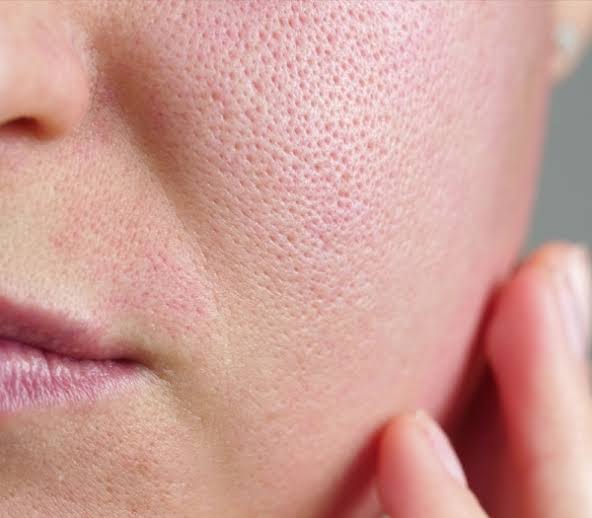
The claim attached to every steamer is that heat opens the pores so that debris can be released and products can get in. It is worth being direct about this: a pore is the opening of a hair follicle and its associated sebaceous gland. It has no muscle, no sphincter and no mechanism for dilating or contracting in response to temperature.
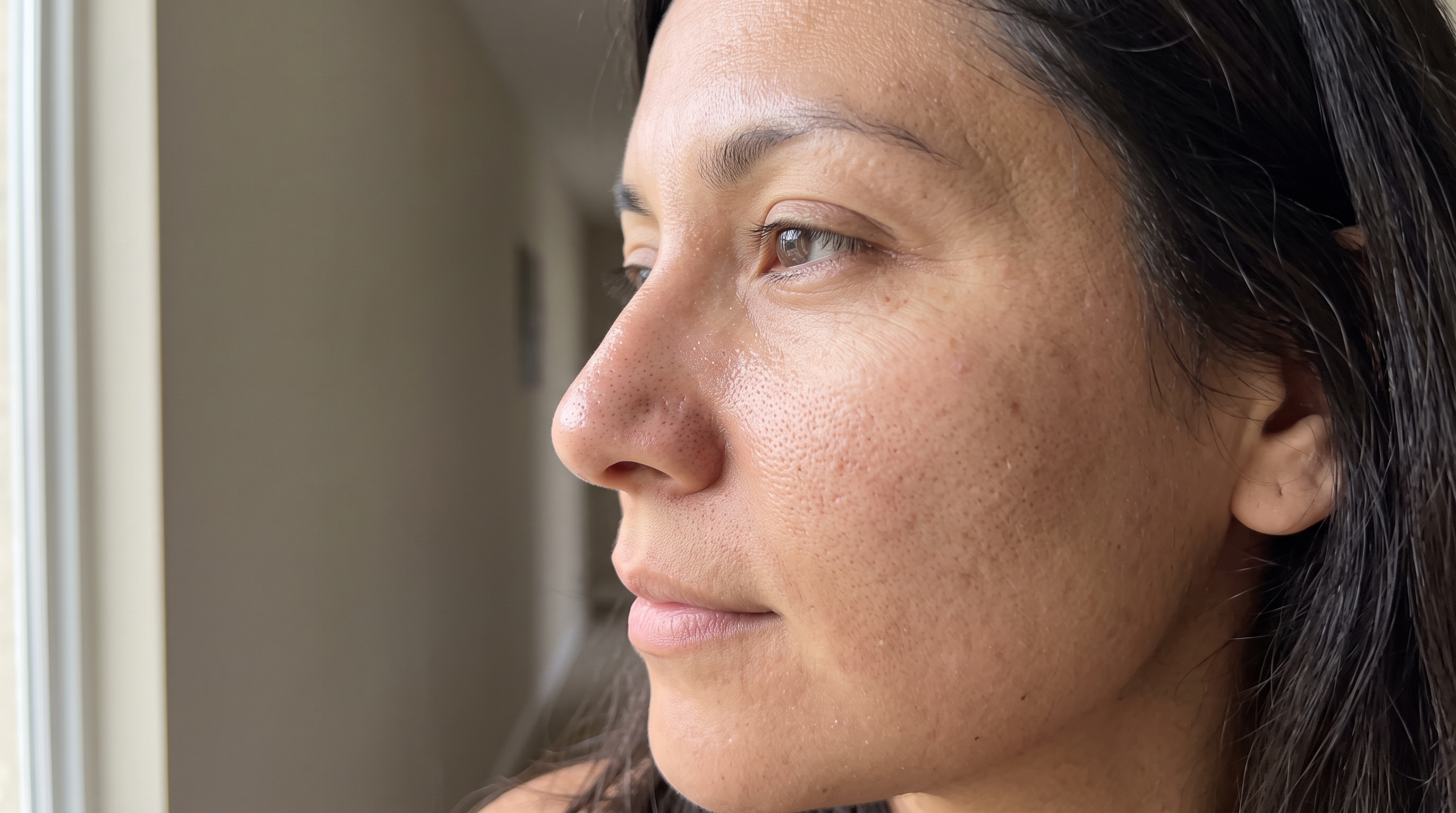
What actually determines how large a pore appears has been measured. Examining magnified pore images alongside sebum measurements, researchers found that pore size was significantly associated with sebum output level, age and sex, with sebum output the strongest single correlate [1]. Pore diameter is a function of what the gland beneath is producing and how well the surrounding dermis is holding its structure. Heat does not appear on that list.
This is the same reason cold water does not close pores and the reason pore size resists most quick fixes. The visible change after steaming comes from somewhere else entirely.
What Steam Genuinely Changes
Steam does two things to the outermost layer of skin, and both are measurable.
The usual explanation for it is wrong, and the correct explanation is more useful than the myth it replaces.
The first is hydration. The stratum corneum takes up water readily, and that uptake alters its physical structure rather than just its moisture reading. Studying skin at increasing humidity, researchers found that hydration changes the molecular arrangement of the peptides in keratin filaments, with flexible protein terminals behaving like polymer brushes in water and producing significant swelling [2]. Swollen, softened corneocytes are why your face feels supple immediately afterward.
The second is that warmth lowers the viscosity of sebum. Softer sebum in a follicle is easier to dislodge, which is the sound basis for the traditional practice of steaming before extractions. Anyone dealing with congestion and clogged pores is working with genuine physics here, even if the standard explanation of it is not.
The Absorption Question
If steam softens and swells the stratum corneum, does that help the serum you apply next? Partly, and the caveats matter.
Hydrating the outer layer does increase permeability. Reviewing the effects of skin occlusion, which raises stratum corneum water content well above its normal range, researchers documented that this often increases percutaneous absorption of applied compounds, with the effect larger for more lipophilic molecules and smaller for hydrophilic ones [3]. Increased water content fluidises the lipid bilayers between cells, and a more fluid barrier is a more permeable one.
So the effect is real. It is also non-selective and short-lived. A hydrated barrier admits more of whatever is placed on it, without regard for whether that thing is a peptide, a fragrance or an irritant, and the skin returns to baseline as the water leaves. Building a routine on the assumption that steam meaningfully drives an active into the dermis asks far more of the mechanism than the evidence supports.
If you flush easily, have visible vessels, or have any tendency toward rosacea, regular steaming is a poor trade.
The Cost Side of the Ledger
Heat is not a neutral input, and this is the part that rarely appears in steamer marketing.
Examining human skin exposed in vivo, researchers found that infrared and heat exposure each induce cutaneous angiogenesis and inflammatory cellular infiltration while disrupting the dermal extracellular matrix [4]. These are the same categories of change that drive photoaging. The exposures used in that work are not equivalent to a short home steaming session, and the point is not that a steamer will age your face. The point is that thermal load is a real variable with a dose, and treating it as free is a mistake.
The practical implications are narrower and clearer. If you flush easily, have visible vessels, or have any tendency toward rosacea, regular steaming is a poor trade. Aggressive or prolonged sessions also strip the barrier, and steaming on top of an already damaged skin barrier will make the underlying problem worse rather than better.
Delivery Is a Formulation Problem
Underneath the steamer question sits a better one. If getting active ingredients past the stratum corneum is the goal, is heat the right lever at all?
The formulation science says no. When vitamin A was loaded into solid lipid nanoparticles and applied topically, high retinol concentrations were found in the upper skin layers, with only very low levels in deeper regions [5]. The carrier decided where the active was deposited. Skin temperature had no part in it.
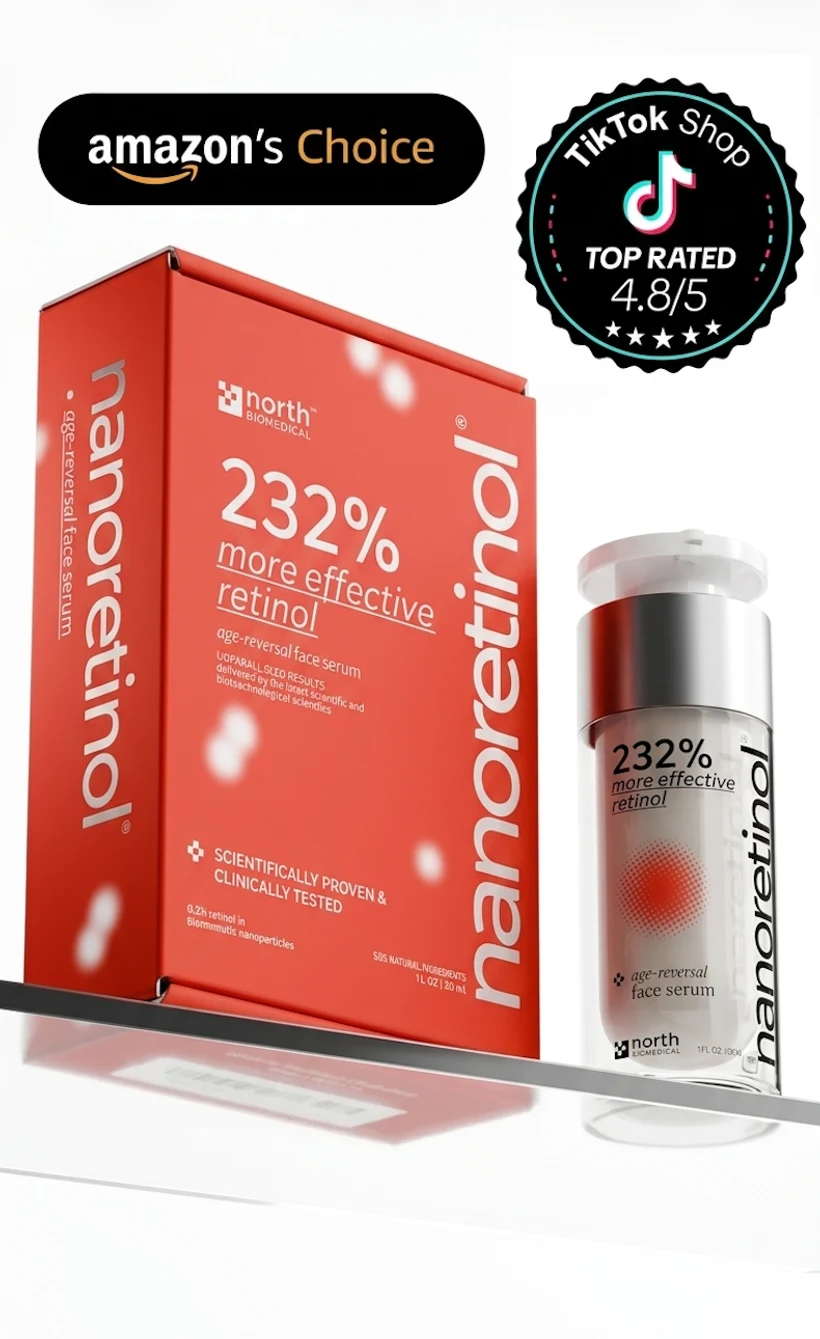
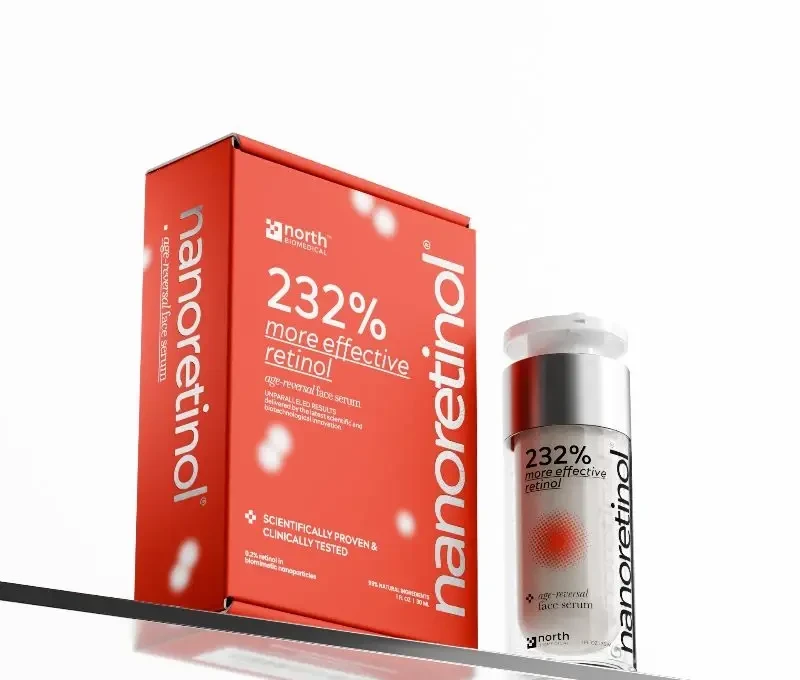
That is the principle Nanoretinol is built on. Rather than trying to force retinol through a barrier, or degrading that barrier to make the crossing easier, it encapsulates a fully stabilised 0.2% retinol in biomimetic lipid nanoparticles that are externally similar to skin cells. The body recognises them as self and permits passage without the barrier disruption that conventional retinol vehicles rely on. In North Biomedical’s clinical study, the approach proved 232% more effective than conventional retinol in collagen recovery and 73% more effective in elastin recovery, with drastically reduced cytotoxicity [6]. Delivery efficiency, rather than concentration or skin preparation, is what carries the result.
Getting Value From a Steamer
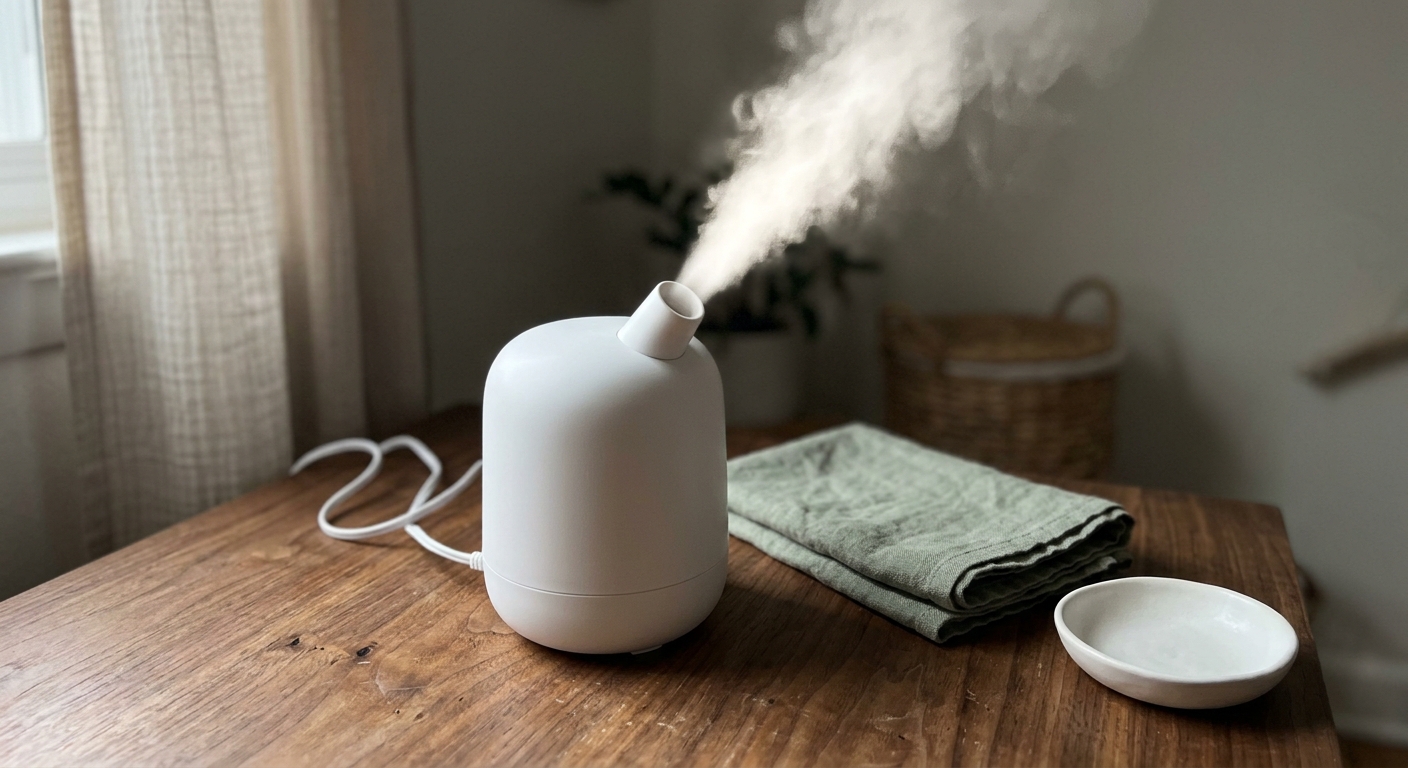
There is a sensible way to own one. Keep sessions to five or ten minutes, hold the face well back from the plume, and treat comfortable warmth as the ceiling. Once or twice a week is enough. Use it before cleansing or extractions, where softened sebum genuinely helps, and follow with something that supports the barrier rather than another exfoliating step. If your skin flushes, tightens or stings afterward, that is a signal to stop rather than to push through, and it is worth reading up on repairing your skin barrier before continuing.
The Verdict on Steam
A facial steamer is a decent tool wrapped in a bad explanation. It hydrates the surface, softens sebum, and makes extractions easier and more comfortable. It does not open pores, shrink them, or deliver actives into the dermis in any way that changes long-term outcomes.
Enjoy it for what it does. The results people actually want from steaming live several layers below where steam can reach, and getting there was always a question of what you apply, not how warm your face is when you apply it.
References
- Roh M, Han M, Kim D, Chung K. “Sebum output as a factor contributing to the size of facial pores.” British Journal of Dermatology. 2006;155(5):890-894. doi:10.1111/j.1365-2133.2006.07465.x
- Mojumdar EH, Pham QD, Topgaard D, Sparr E. “Skin hydration: interplay between molecular dynamics, structure and water uptake in the stratum corneum.” Scientific Reports. 2017;7:15712. doi:10.1038/s41598-017-15921-5
- Zhai H, Maibach HI. “Effects of skin occlusion on percutaneous absorption: an overview.” Skin Pharmacology and Applied Skin Physiology. 2001;14(1):1-10. doi:10.1159/000056328
- Cho S, Shin MH, Kim YK, Seo JE, Lee YM, Park CH, Chung JH. “Effects of infrared radiation and heat on human skin aging in vivo.” Journal of Investigative Dermatology Symposium Proceedings. 2009;14(1):15-19. doi:10.1038/jidsymp.2009.7
- Jenning V, Gysler A, Schäfer-Korting M, Gohla SH. “Vitamin A loaded solid lipid nanoparticles for topical use: occlusive properties and drug targeting to the upper skin.” European Journal of Pharmaceutics and Biopharmaceutics. 2000;49(3):211-218. doi:10.1016/s0939-6411(99)00075-2
- North Biomedical LLC. “Nanoretinol vs. Conventional Retinol: Efficacy in Collagen and Elastin Recovery.” Clinical Study Summary, 2024. Study summary