Kojic Acid Soap: Does It Fade Dark Spots, and Is It Safe to Use?
Kojic acid soap is one of the most searched dark-spot products online. Here is what a rinse-off bar can realistically do, the safety red flags to know, and a smarter routine for stubborn pigment
Kojic acid is a natural compound made by fungi during fermentation, the same process used to brew sake and soy sauce. It became a skincare ingredient because it slows tyrosinase, the enzyme your skin uses to make melanin [1]. Less tyrosinase activity means less new pigment, which is why kojic acid appears in products sold for dark spots, sun spots and uneven tone.
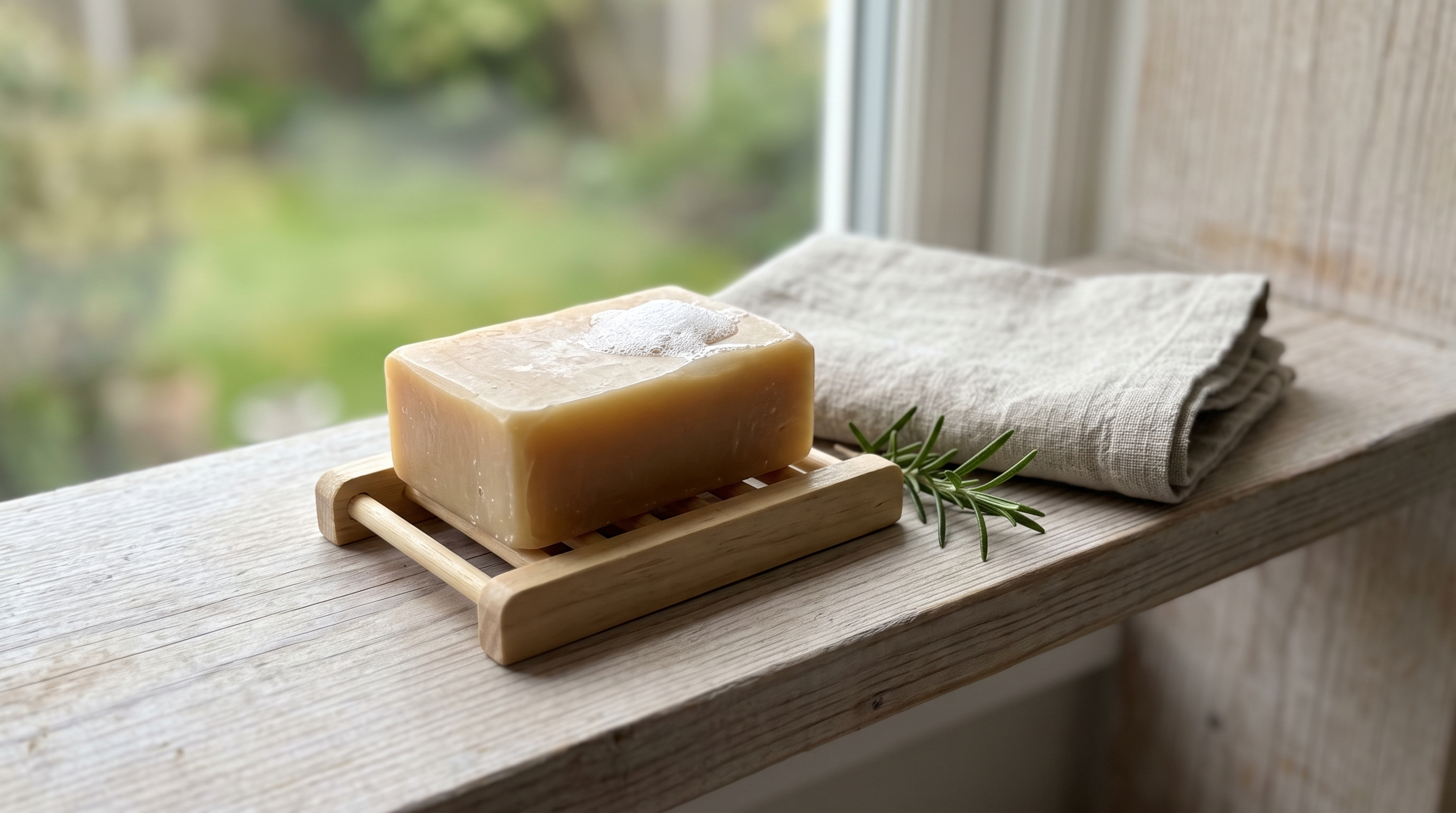
Of all those products, the bar of kojic acid soap is the one most people search for. It is cheap, familiar and easy to use on large areas such as the back, chest and underarms. The question is whether a few seconds of lather can fade pigment that took years of sun to build.
How kojic acid slows pigment
Tyrosinase needs copper at its center to work, and kojic acid binds that copper and blocks the enzyme, which in turn reduces the amount of melanin your pigment cells are able to produce [1]. It is a preventive mechanism: it slows the supply of new pigment but does not remove the color already sitting in your skin. Existing dark spots fade only as the stained cells are shed and replaced, which takes weeks to months.
That is the first reason a soap struggles. Its job depends on keeping the enzyme switched off day after day, and a product that rinses away almost immediately gives it very little time to do so.
What the evidence actually tested
The best-known clinical study of kojic acid did not use a soap. In a split-face trial of 39 people with melasma, one side of the face was treated with a leave-on gel containing kojic acid and glycolic acid, and the other side with a gel containing hydroquinone and glycolic acid. About half responded equally to both, and the difference between the two sides was not statistically significant, although the kojic acid side was more irritating [2].
Your kojic acid soap spends a few seconds on your skin, while the gels that matched hydroquinone in a melasma trial stayed on for hours, every day.
Your kojic acid soap spends a few seconds on your skin, while the gels that matched hydroquinone in a melasma trial stayed on for hours, every day.
That gap is the honest answer to “does kojic acid soap work?” No published trial has shown that a kojic acid bar fades dark spots on its own. The evidence belongs to leave-on formulas, often combined with other actives. A soap may add a little brightening over time, especially on body skin where people use it daily, but it should not be your main treatment, and our guide to kojic acid serums explains what to look for if you want a version of the ingredient that actually stays on your skin.
There is a practical problem too. True soap bars are alkaline, and high-pH cleansing swells the outer layer of skin and disrupts the lipids that keep it intact [3]. Daily use on the face can leave skin tight and dry, which is a poor starting point for any brightening routine.
The safety questions worth asking
Kojic acid is considered safe in cosmetics at sensible levels. After reviewing the toxicology and human data, the Cosmetic Ingredient Review, the US industry’s independent safety panel, concluded it is safe in cosmetic products at concentrations up to 1% [4].
Allergy is the main concern. In a year of patch testing at a Japanese clinic, five of the eight women who had used kojic acid products became allergic to it, developing facial dermatitis one to twelve months after starting [5]. The numbers are small, but they suggest that anyone who develops new itching, redness or rash while using kojic acid should stop and get the reaction checked.
Your risk from a bargain lightening soap may have less to do with kojic acid than with what is not on the label, because some imported products have contained more than 1,000 times the legal mercury limit.
To clear the pigment already in your skin, you also need to speed up cell turnover, and that is where retinoids have the stronger evidence.
That is not an exaggeration. When researchers screened 549 skin-lightening products from 32 countries, 6% contained more than 1,000 parts per million of mercury, and 3.3% of products bought in the United States exceeded that level. The FDA allows only trace amounts, under 1 part per million [6]. Mercury can damage the skin, kidneys and nervous system. Treat words like “whitening” or “bleaching,” missing ingredient lists and unusually fast results as red flags, and buy from sellers with a traceable manufacturer.
Where a kojic soap can still fit
Used sensibly, a kojic soap can play a supporting role:
- On the body, for areas like the back, chest or underarms, where a leave-on serum is awkward to apply.
- As a short daily step, lathered and left for 30 to 60 seconds before rinsing, then followed by moisturizer.
- Alongside sunscreen, because any pigment work is undone by unprotected sun exposure.
Avoid using it on broken or irritated skin, and patch-test on your inner arm for a few days before using it on your face. If you are deciding between brighteners, our overview of tyrosinase inhibitors compares kojic acid with arbutin, vitamin C and others, and our guide to hydroquinone for dark spots explains when a prescription option makes sense.
The faster route to fading spots
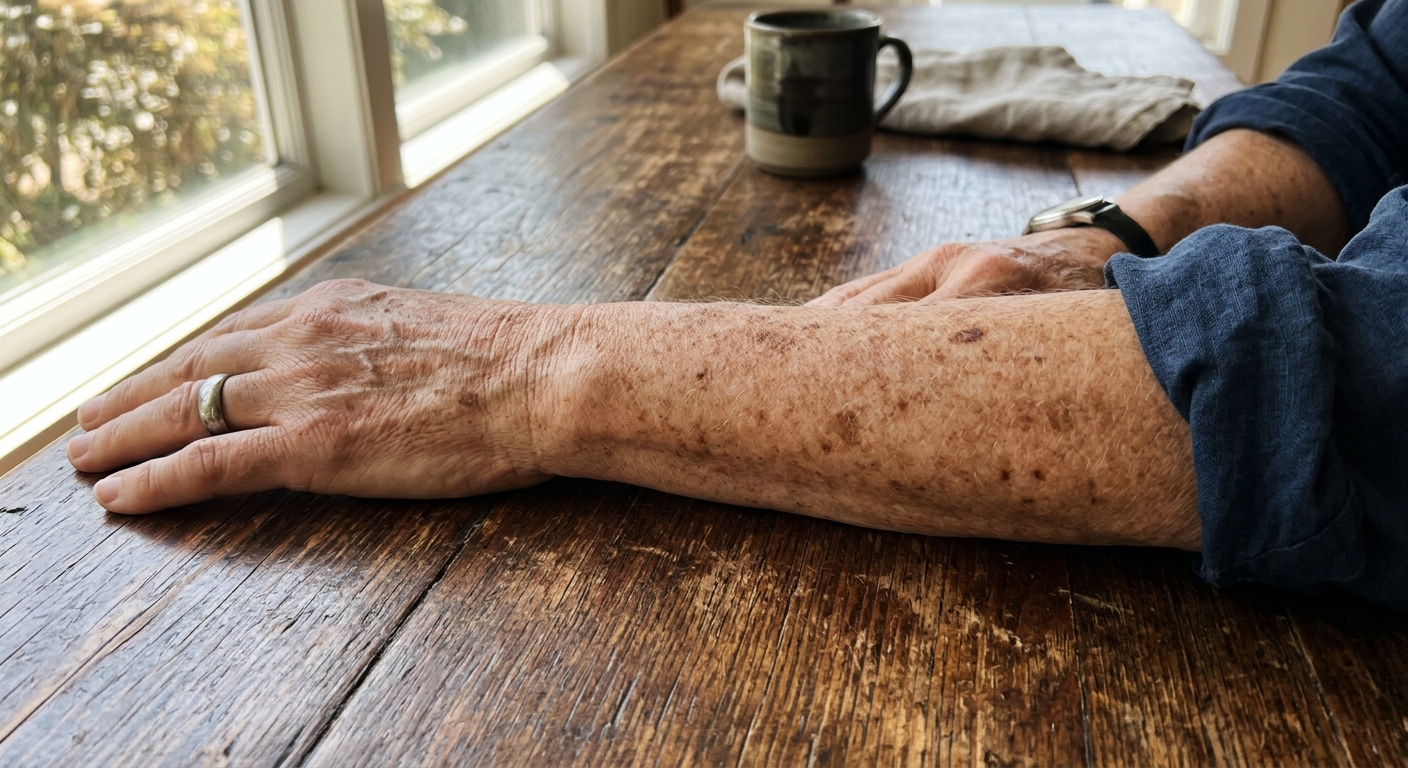
A tyrosinase inhibitor slows new pigment. To clear the pigment already in your skin, you also need to speed up cell turnover, and that is where retinoids have the stronger evidence. An evidence-based review found fair support for topical retinoids in treating melasma and sun-induced dark spots [7]. In a 40-week controlled trial, 0.1% tretinoin lightened sun-related dark spots in 90% of patients, compared with 33% on a placebo cream [8]. Our guide to retinol for dark spots explains how the gentler over-the-counter form fits in.
The catch is that conventional retinoids can sting and peel, and irritated skin can produce more pigment, not less.
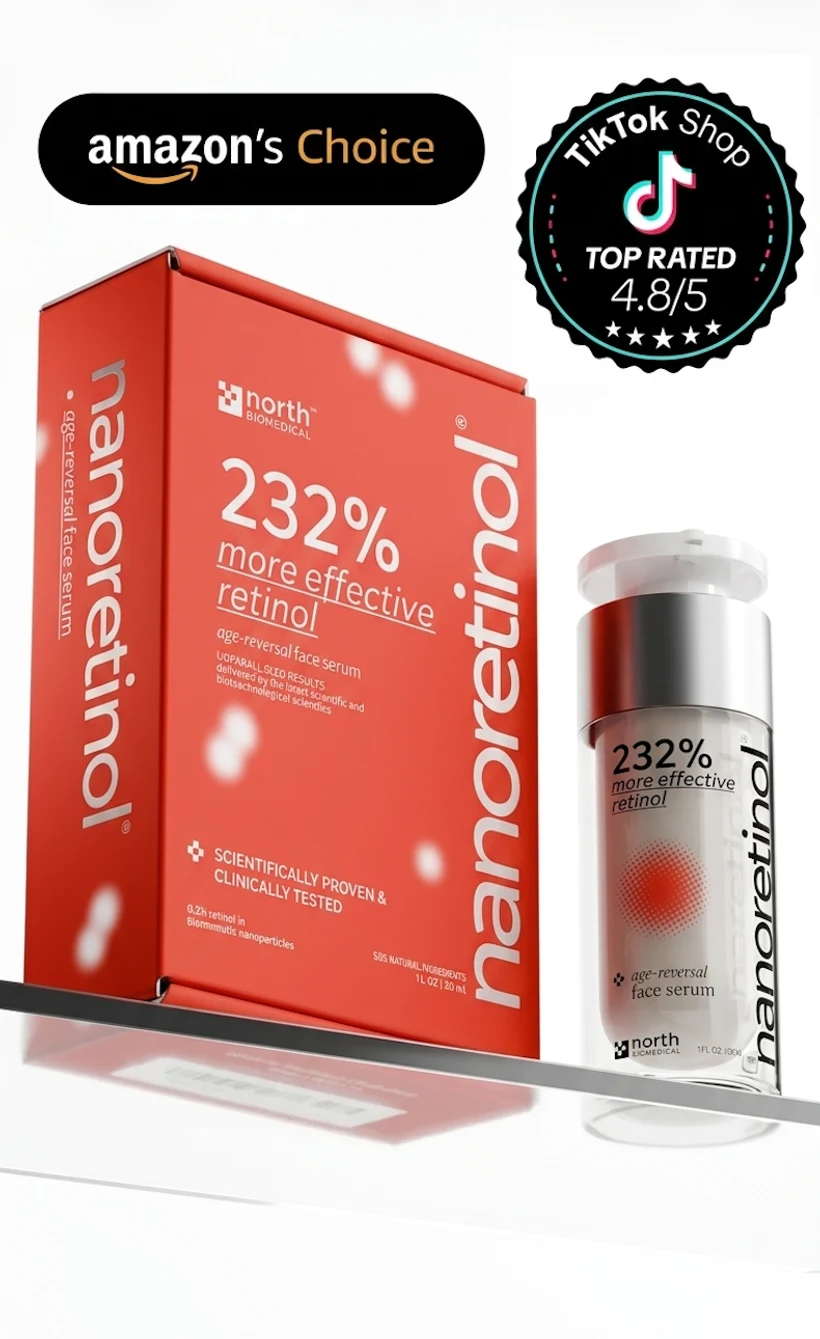
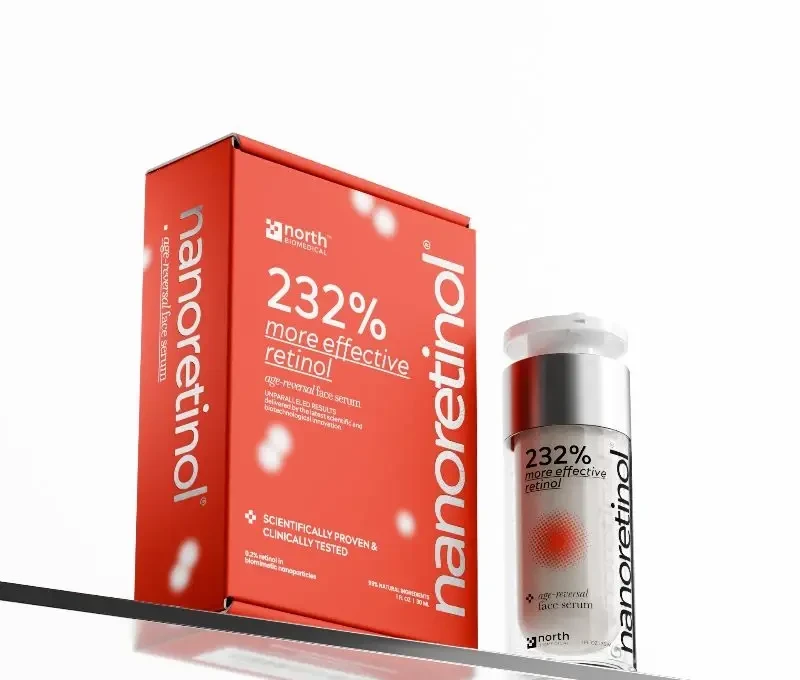
Nanoretinol was built to avoid that cycle. It delivers 0.2% stabilized retinol in biomimetic lipid nanoparticles that the skin recognizes as its own, so it reaches skin cells without breaking down the barrier the way conventional formulations can. In North Biomedical’s study summary, Nanoretinol was 232% more effective in collagen recovery and 73% more effective in elastin recovery than conventional retinol, with side effects that were minimal and milder [9].
A realistic dark-spot routine looks like this: a gentle cleanser or kojic soap in the morning, a leave-on brightener and broad-spectrum sunscreen during the day, and Nanoretinol at night. The soap can help, but the leave-on steps do most of the work.
References
- Saeedi M, Eslamifar M, Khezri K. “Kojic acid applications in cosmetic and pharmaceutical preparations.” Biomedicine & Pharmacotherapy. 2019;110:582-593. doi:10.1016/j.biopha.2018.12.006
- Garcia A, Fulton JE Jr. “The combination of glycolic acid and hydroquinone or kojic acid for the treatment of melasma and related conditions.” Dermatologic Surgery. 1996;22(5):443-447. doi:10.1111/j.1524-4725.1996.tb00345.x
- Ananthapadmanabhan KP, Moore DJ, Subramanyan K, Misra M, Meyer F. “Cleansing without compromise: the impact of cleansers on the skin barrier and the technology of mild cleansing.” Dermatologic Therapy. 2004;17(Suppl 1):16-25. doi:10.1111/j.1396-0296.2004.04s1002.x
- Burnett CL, Bergfeld WF, Belsito DV, et al. “Final report of the safety assessment of kojic acid as used in cosmetics.” International Journal of Toxicology. 2010;29(6 Suppl):244S-273S. doi:10.1177/1091581810385956
- Nakagawa M, Kawai K, Kawai K. “Contact allergy to kojic acid in skin care products.” Contact Dermatitis. 1995;32(1):9-13. doi:10.1111/j.1600-0536.1995.tb00832.x
- Hamann CR, Boonchai W, Wen L, et al. “Spectrometric analysis of mercury content in 549 skin-lightening products: is mercury toxicity a hidden global health hazard?” Journal of the American Academy of Dermatology. 2014;70(2):281-287. doi:10.1016/j.jaad.2013.09.050
- Kang HY, Valerio L, Bahadoran P, Ortonne JP. “The role of topical retinoids in the treatment of pigmentary disorders: an evidence-based review.” American Journal of Clinical Dermatology. 2009;10(4):251-260. doi:10.2165/00128071-200910040-00005
- Griffiths CE, Goldfarb MT, Finkel LJ, et al. “Topical tretinoin (retinoic acid) treatment of hyperpigmented lesions associated with photoaging in Chinese and Japanese patients: a vehicle-controlled trial.” Journal of the American Academy of Dermatology. 1994;30(1):76-84. PubMed:8277035
- North Biomedical LLC. “Nanoretinol vs. Conventional Retinol: Efficacy in Collagen and Elastin Recovery.” Clinical Study Summary, 2024. Study summary