Why Is My Moisturizer Pilling? A Layer-by-Layer Fix
Those little flakes are usually rolled-up product, not dead skin—and one controlled test can identify the layer causing them
You smooth on moisturizer and little gray or white rolls appear under your fingers. They look like skin, so you exfoliate harder. The next morning, the same thing happens.
Those rolls are usually not dead skin. They are a product film that has clumped and lifted from the surface. Pilling is a formulation-and-application problem, and treating it like a skin-shedding problem can damage the barrier while leaving the real cause untouched.
What a “Pill” Actually Is
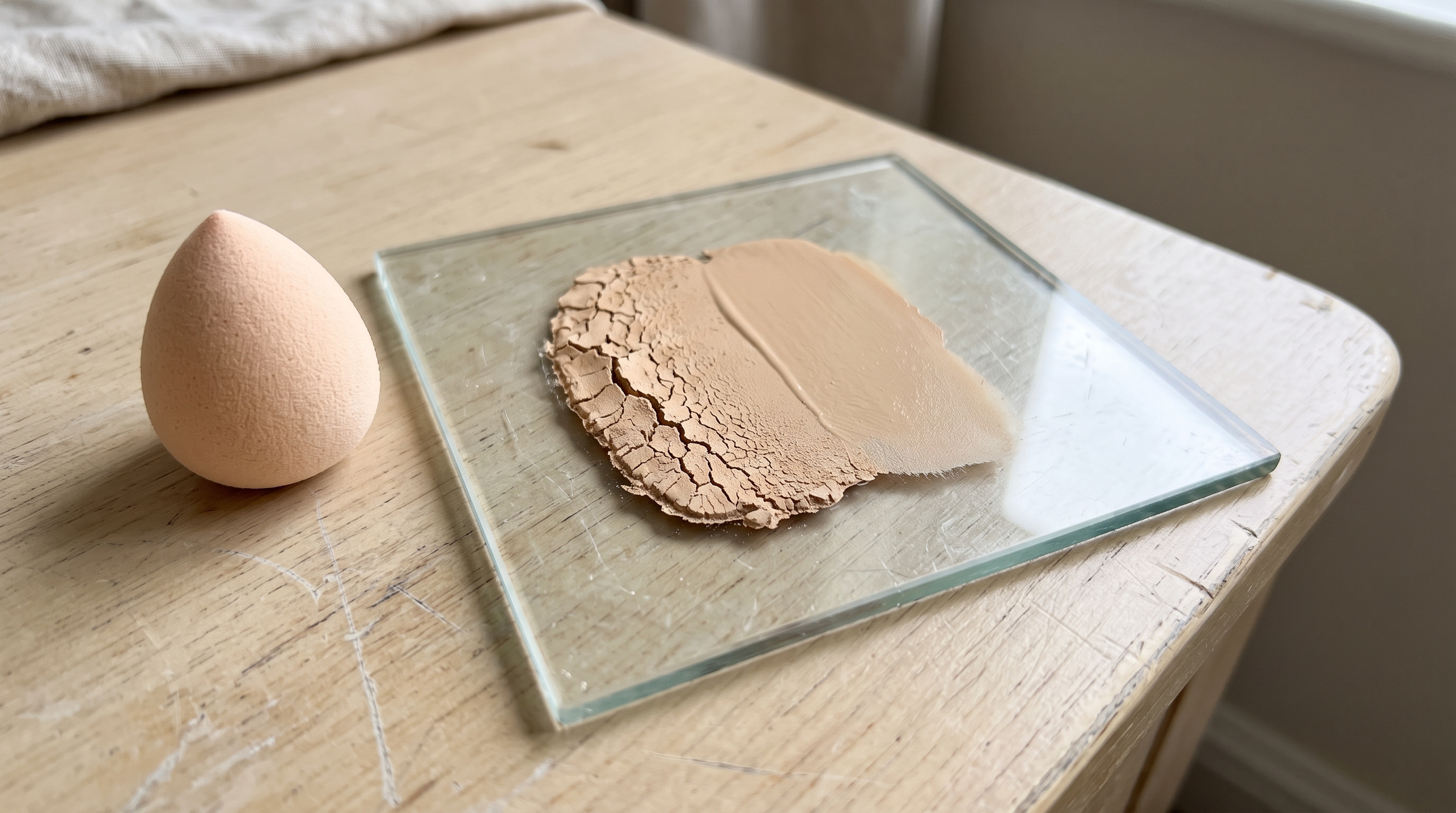
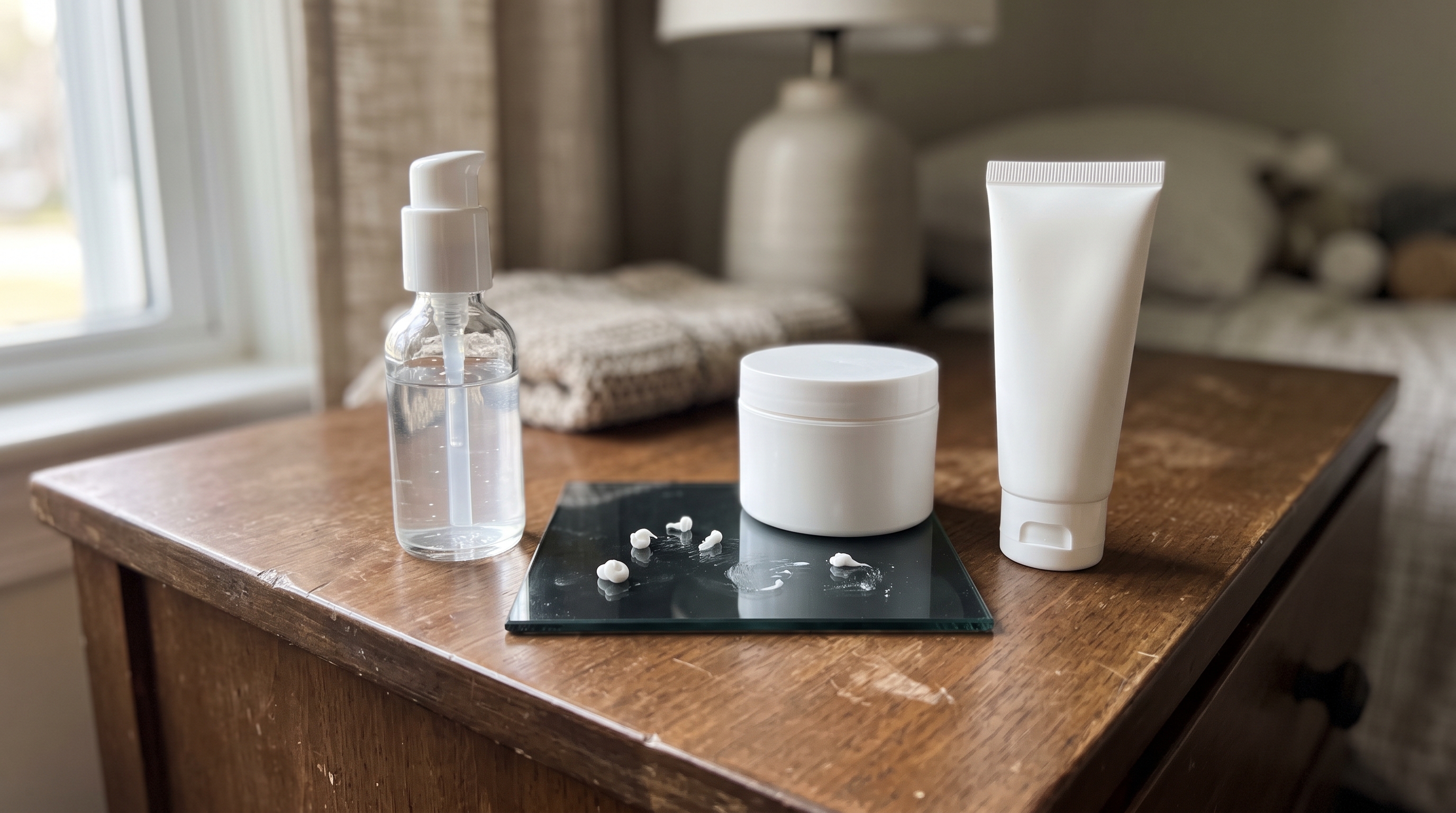
Moisturizers and serums are structured mixtures. They may contain film-forming polymers, gums, silicones, emulsifiers, powders, and oils suspended in water. As water evaporates, those materials arrange themselves into a thin continuous layer. If you rub that layer after it has partly formed—or put another product on top that makes it swell, slide, or break—it can roll into visible crumbs.
The first large clinical study designed specifically around pilling evaluated 528 women after layered product application. Forty-one percent experienced pilling, most often after sunscreen, and circular or linear rubbing produced more events than gentler application methods [1]. The study also found associations with lower hydration, lower oiliness, and higher skin pH.
That distinction matters. If the flakes appear only while rubbing and disappear when you cleanse, suspect product. If the skin is visibly scaly before anything is applied, stings with bland moisturizer, or stays flaky after cleansing, investigate a damaged skin barrier instead.
The Four Most Common Causes
You used more than the surface can hold. A pea-sized amount is not a law, but every formula has a workable film thickness. Two generous pumps of serum plus a rich moisturizer can leave a rubbery layer that never anchors.
You rubbed after the film began to set. Fast circular massage creates shear. The partially dried layer catches under the fingers and gathers itself into rolls. Pressing or smoothing in one or two light passes is safer.
This is not proof that “silicone and water never mix.” It is evidence that those two finished formulas do not form a stable stack on your skin.
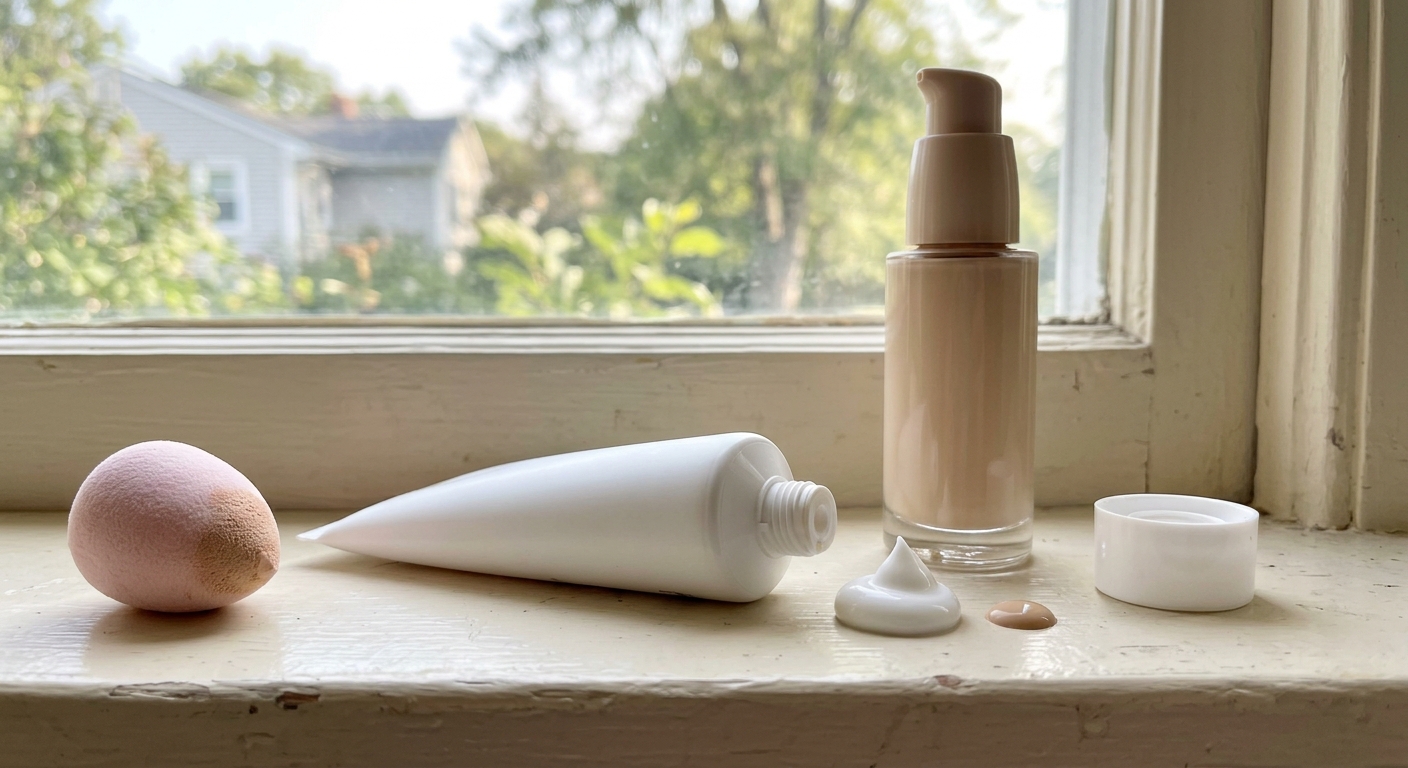
The next layer re-wet the first. A watery sunscreen over a gum-heavy gel can soften the gel, while a silicone-rich layer may slide over an oily cream. This is not proof that “silicone and water never mix.” It is evidence that those two finished formulas do not form a stable stack on your skin.
Your skin is dehydrated. The pilling study found lower facial hydration among participants who experienced pilling [1]. A dry surface can absorb water unevenly, leaving more film former concentrated in certain areas. It also encourages repeated rubbing because the product seems to disappear in patches.
Find the Offending Pair in Three Nights
Do not diagnose a seven-product routine all at once. On night one, cleanse and apply the moisturizer alone. Use half your normal amount, spread it in a thin layer, then leave it untouched. If it pills by itself, dose, application, or the formula is the problem.
If it stays smooth, add one serum underneath on night two. On night three, add the next product. The moment pilling returns, you have found the relevant pair. Test the same pair on the forearm to confirm it without the variables of facial oil and movement.
This controlled elimination is the skincare equivalent of checking one electrical circuit at a time. Replacing every product may accidentally solve the problem, but it never tells you why.
Dose Before You Time
“Wait ten minutes between every layer” is popular advice, but a long timer cannot rescue an overloaded film. Start by reducing quantity. Apply a thin serum layer, then enough moisturizer to remove tightness without leaving a slippery coat.
Wait until the layer feels settled rather than watching the clock. Humidity, formula, and dose change drying time. One to three minutes is often adequate for a thin layer, while a rich balm may remain mobile much longer because it is designed to remain occlusive.
Replacing every product may accidentally solve the problem, but it never tells you why.
Use light downward strokes or press with the palms. Once the product begins to grip, stop. The goal is even distribution, not massaging until nothing can be felt.
Hydration and Barrier Support Still Matter
Moisturizers are not merely cosmetic glue. Controlled studies show that appropriate products can raise stratum-corneum hydration, and ceramide-dominant regimens can improve transepidermal water loss and barrier function [2,3]. A clinical study of facial cosmetics also recorded higher water content and lower water loss for hours after application [4].
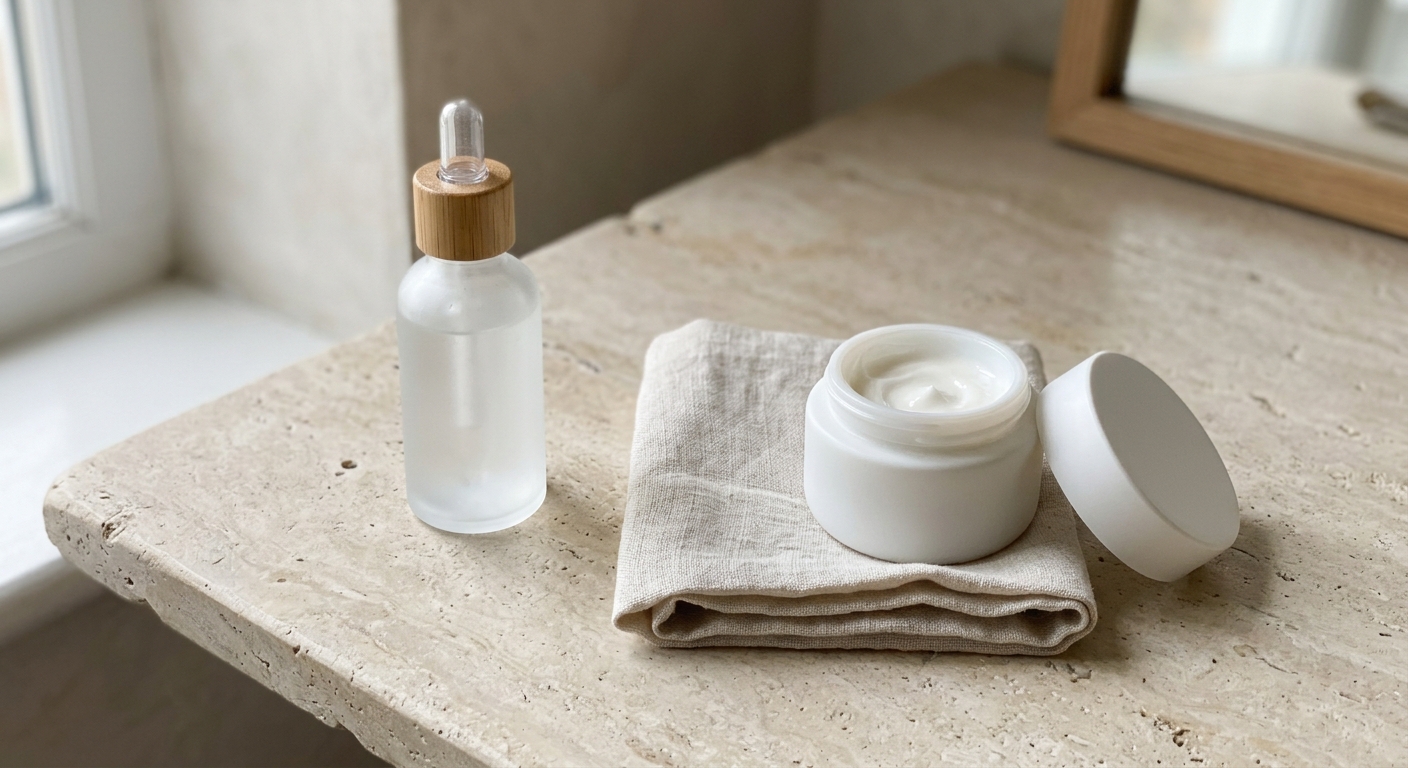
But richer is not automatically better. Humectants attract and hold water; emollients smooth gaps; occlusives slow evaporation. A routine can use all three without stacking three separate serums and two creams. Our comparison of serum versus moisturizer helps decide whether each layer is doing a distinct job.
If your moisturizer pills only over one particular serum, choose the product that matters more and replace the other. If it pills only beneath sunscreen, test a thinner moisturizer in the morning and keep the richer one at night. If makeup triggers it, press makeup on with a sponge instead of buffing with a brush.
Ingredients That Often Need More Care
High levels of carbomer, acrylate crosspolymers, xanthan gum, cellulose gums, and similar thickeners can create elegant gel textures but may pill when over-applied. Silicone elastomers can form a velvety, powder-like network that rolls if aggressively rubbed, and our guide to dimethicone for skin explains how that film behaves on its own. Mineral sunscreen particles and cosmetic powders add solid material to the stack.
None of these ingredients is inherently bad. The same polymer that pills in a crowded routine can feel flawless alone. Read the full formula as a system rather than treating an ingredient list like a blacklist.
Simplifying an Anti-Aging Routine
Pilling becomes especially common when a routine tries to contain every active at once. A more durable evening structure is cleanser, one treatment, and moisturizer if needed. That makes the treatment easier to apply consistently and makes irritation easier to trace.
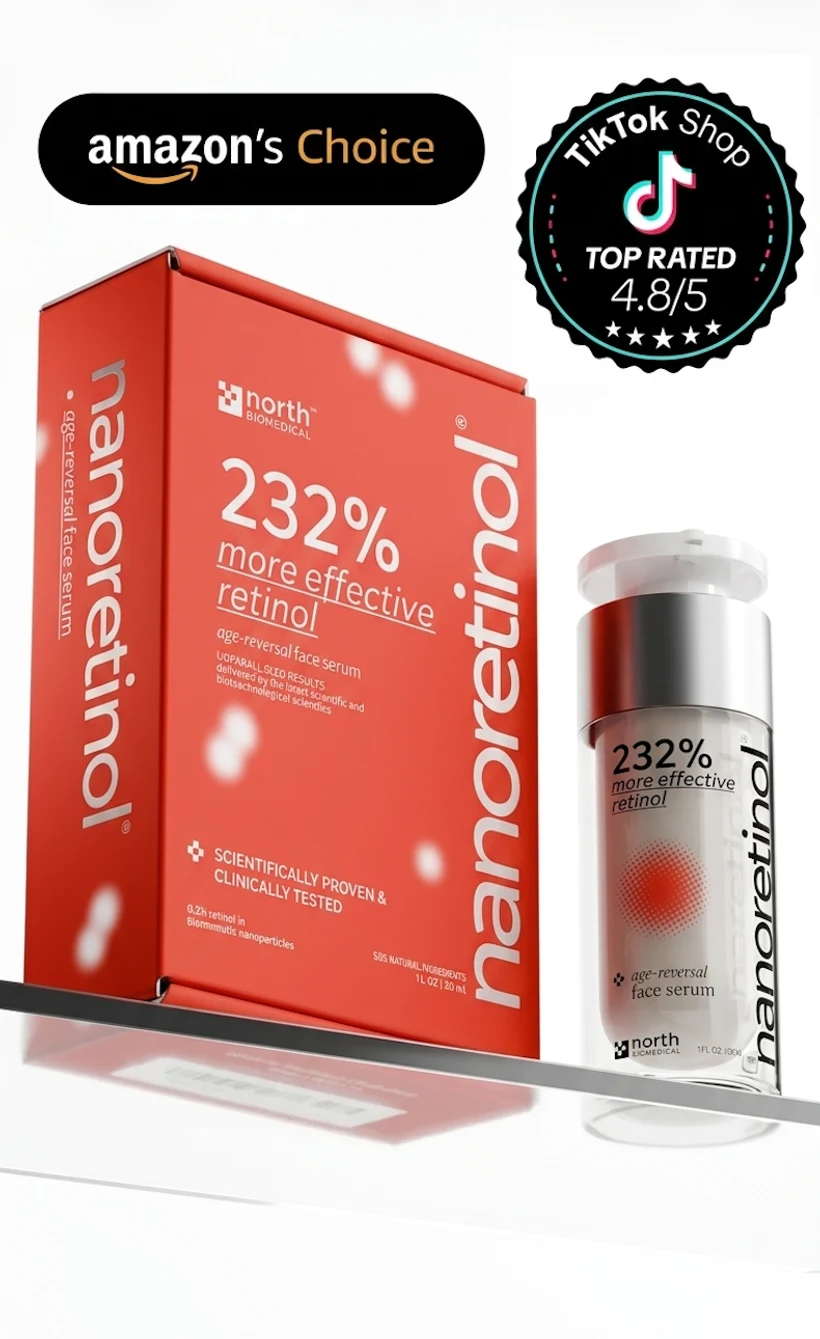
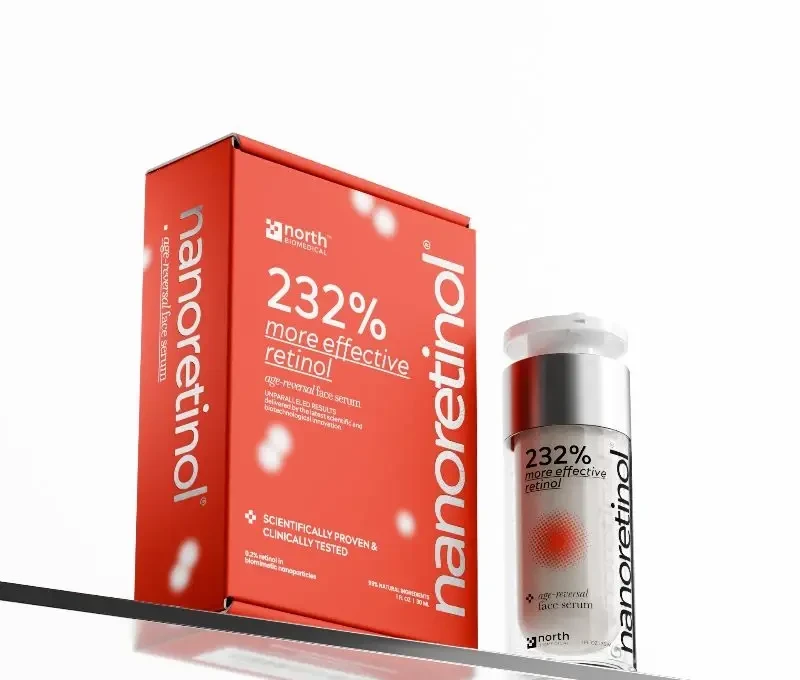
Nanoretinol fits that simplified model because it is a light, water-based gel containing 0.2% retinol in biomimetic lipid nanoparticles. The nanoparticles distribute uniformly and their phospholipid membranes are gradually absorbed as they release retinol. North Biomedical’s clinical study summary reports 232% greater collagen recovery and 73% greater elastin recovery than conventional retinol, with drastically reduced cytotoxicity [5]. That does not guarantee compatibility with every moisturizer, so the same rule applies: use a thin layer, let it settle, and test one moisturizer over it.
Apply Nanoretinol at night, do not combine it with another retinoid, and use sunscreen within 24 hours. If irritation appears, reduce frequency. Pregnancy and breastfeeding are reasons not to use it.
When It Is Not Pilling
Persistent scale can signal irritation, over-exfoliation, or dermatitis rather than product roll-up. Stop actives and seek professional advice if the area is red, swollen, intensely itchy, cracked, or painful. A bland skin-barrier repair routine is more appropriate than another round of scrubbing.
For ordinary pilling, the solution is satisfyingly mechanical: less product, less rubbing, fewer layers, and one compatibility test at a time. Your moisturizer does not need a ten-step ritual. It needs a stable surface on which to form the film it was designed to make.
References
- Lua BL, Ruan L, Lyu Y, Liu S. “Understanding the causes of skincare product pilling.” Skin Research and Technology. 2024;30(8):e13828. doi:10.1111/srt.13828
- Spada F, Harrison IP, Barnes TM, et al. “A daily regimen of a ceramide-dominant moisturizing cream and cleanser restores the skin permeability barrier in adults with moderate eczema: A randomized trial.” Dermatologic Therapy. 2021;34(4):e14970. doi:10.1111/dth.14970
- Lueangarun S, Tragulplaingam P, Sugkraroek S, Tempark T. “The 24-hr, 28-day, and 7-day post-moisturizing efficacy of ceramides 1, 3, 6-II containing moisturizing cream compared with hydrophilic cream on skin dryness and barrier disruption in senile xerosis treatment.” Dermatologic Therapy. 2019;32(6):e13090. doi:10.1111/dth.13090
- Cheng Y, Dong Y, Dong M, et al. “Moisturizing and antisebum effect of cosmetic application on facial skin.” Journal of Cosmetic Dermatology. 2007;6(3):172-177. doi:10.1111/j.1473-2165.2007.00323.x
- North Biomedical LLC. “Nanoretinol vs. Conventional Retinol: Efficacy in Collagen and Elastin Recovery.” Clinical Study Summary, 2024. Study summary