Tretinoin Alternatives: Gentler Options That Still Build Collagen
If prescription retinoids are too harsh, too slow to get, or off the table — here is what actually works instead
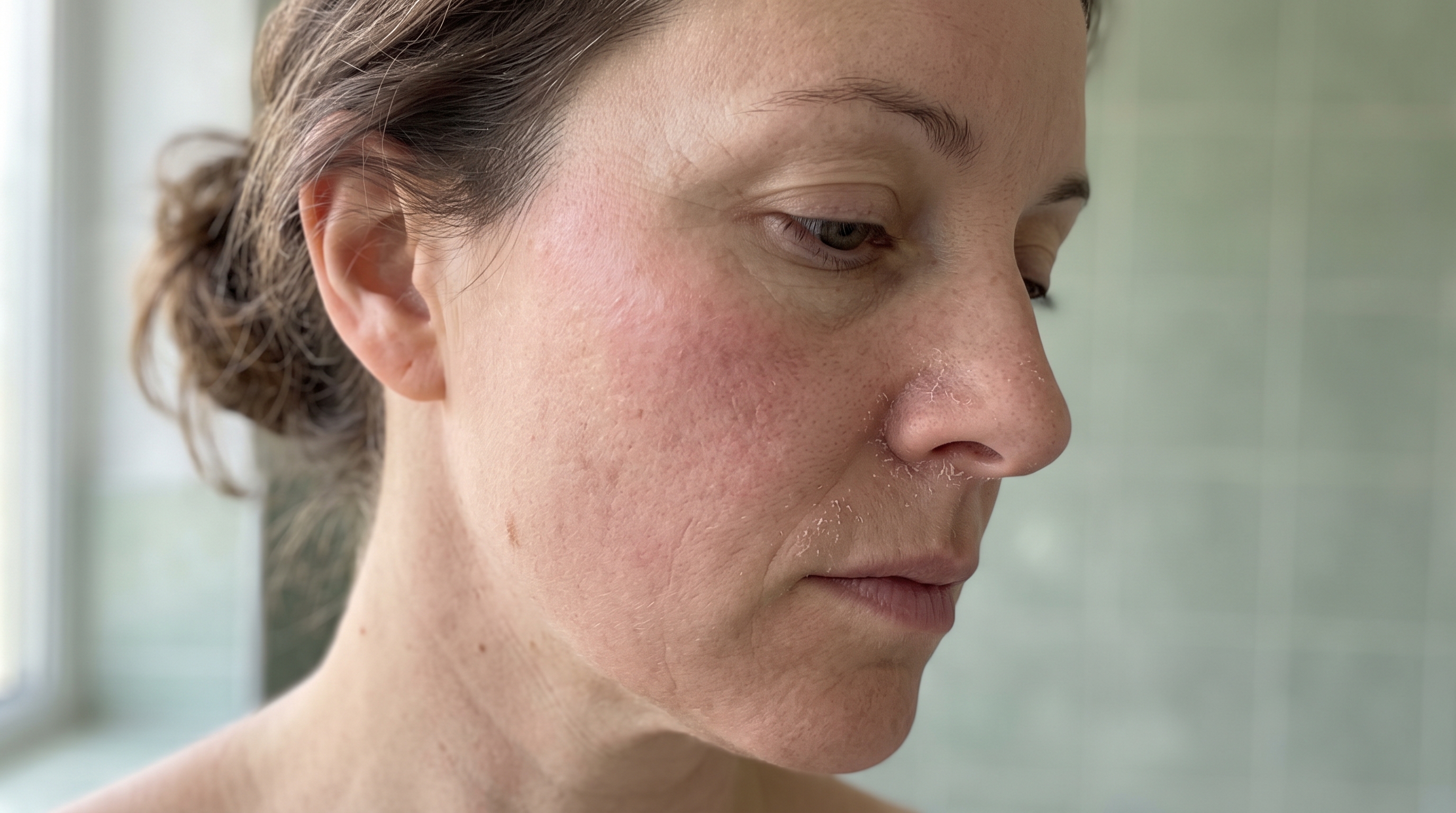
Tretinoin has a deserved reputation as the most proven anti-aging ingredient in dermatology. It also has a deserved reputation for making your face peel, sting, and flush red for the first several weeks — and it requires a prescription, which not everyone can or wants to get. If you have tried it and tapped out, can’t tolerate it, are pregnant, or simply don’t want a prescription routine, the good news is that “tretinoin or nothing” is a false choice. Several alternatives build real collagen. The trick is knowing which ones are backed by evidence and which are just marketing.
First, what makes tretinoin work
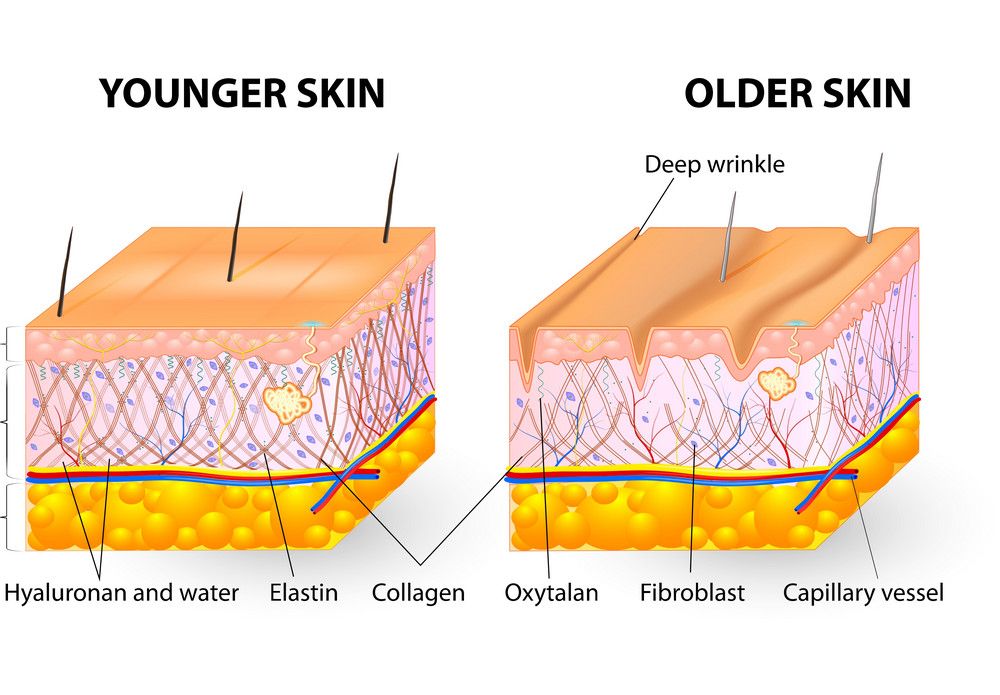
To judge an alternative fairly, you have to know what you are replacing. Tretinoin is retinoic acid — the active form of vitamin A that your skin cells can use directly. It binds to receptors in the cell nucleus and effectively reprograms the cell’s behavior: it speeds up cell turnover, switches collagen-building genes back on, and slows the enzymes that break collagen down. The classic studies are unambiguous; in a landmark double-blind, vehicle-controlled trial, topical tretinoin produced measurable improvement in photoaged skin compared with a placebo cream [1], and follow-up work showed those gains were sustained with continued use [2].
That is the bar. A worthy alternative has to do some version of the same job — feed the skin’s vitamin A pathway or stimulate collagen another way — without demanding the same tolerance toll. Here are the four that hold up. If you are weighing that tolerance toll against the wait, how long tretinoin takes to work lays out the timeline you would be trading against.
1. Retinol — the same pathway, one step removed
Retinol is the most direct alternative because it is the same family of molecule. The difference is conversion: your skin enzymatically converts retinol into retinoic acid in two steps, which makes it gentler and slower than prescription tretinoin, but no less real in the end. In a controlled study on naturally aged skin, plain topical retinol significantly increased collagen and improved fine wrinkles [3], and the broader retinoid literature confirms that over-the-counter retinol delivers genuine anti-aging results with better tolerability [4].
Tretinoin is retinoic acid — the active form of vitamin A that your skin cells can use directly.
If you are leaving tretinoin specifically because of irritation, retinol is the most logical landing spot — and our breakdown of tretinoin vs retinol covers exactly how the two compare in strength and speed.
2. Bakuchiol — the plant-based option that surprised the skeptics
Bakuchiol is the alternative that earned its credibility the hard way: in a head-to-head trial. Researchers ran a randomized, double-blind study pitting bakuchiol against retinol over twelve weeks. Both ingredients significantly reduced wrinkle surface area and hyperpigmentation, with no statistically significant difference between them — but the retinol users reported more stinging and scaling [5]. For sensitive or reactive skin, that tolerability gap is the whole point. Bakuchiol is not chemically a retinoid, so it sidesteps the vitamin A irritation pathway entirely while still nudging collagen in the right direction. We go deeper in our guide to bakuchiol vs retinol.
3. Peptides — signaling the skin to rebuild
Peptides take a completely different route. Rather than acting on the vitamin A pathway, certain peptides act as messengers — short protein fragments that signal fibroblasts to produce more collagen, essentially mimicking the fragments left behind when collagen breaks down. In a clinical study, a topical palmitoyl pentapeptide improved the appearance of photoaged facial skin, reducing wrinkles and fine lines over twelve weeks [6]. Peptides are among the gentlest actives available, which makes them a smart partner ingredient as well as a standalone option; our overview of peptides for skin explains how to layer them.
The catch with every retinol alternative
Here is the inconvenient truth that ties all of this together. The reason tretinoin is harsh is the same reason it is effective: getting enough active vitamin A into the dermis is genuinely difficult, and conventional formulations accomplish it partly by disrupting the skin barrier to push the molecule through. That barrier disruption is the irritation. So when you switch to a gentler retinol, you often trade some of that delivery — and therefore some of the result — for comfort. The molecule is only as good as the amount that actually reaches the cells that need it.
The molecule is only as good as the amount that actually reaches the cells that need it.
This is the problem worth solving, and it is exactly where delivery technology changes the equation. Instead of asking how to push retinol through the barrier, the better question is how to get it past the barrier without damaging it at all.
That is the principle behind Nanoretinol. It encapsulates a fully stabilized 0.2% retinol inside biomimetic lipid nanoparticles — particles engineered to look like the skin’s own cells, so the barrier recognizes them as “self” and lets them pass intact. No forcing, no disruption, no burns. Because the delivery is so much more efficient, a low 0.2% concentration outperforms higher-concentration conventional retinol: in North Biomedical’s clinical testing, the system proved 232% more effective at collagen recovery and 73% more effective at elastin recovery than standard retinol, while being significantly gentler on skin cells. For someone who left tretinoin because of irritation, that combination — retinoid-family results with markedly less reactivity — is precisely the gap the other alternatives leave open.
How to choose your alternative
Match the option to your reason for leaving tretinoin:
- Left because of irritation, but still want retinoid results: a gently delivered retinol like Nanoretinol, or step down to a standard retinol for sensitive skin.
- Want a non-retinoid, plant-based route: bakuchiol, especially if you also struggle with redness.
- Want the gentlest possible active or a layering partner: peptides.
- New to actives entirely: start with our retinol for beginners primer before committing to a nightly routine.
Whichever you choose, two rules carry over from prescription retinoids: introduce it slowly, and wear sunscreen daily, because every ingredient on this list works by accelerating skin renewal that fresh, vulnerable cells then have to survive.
The takeaway
You do not need a prescription — or a peeling, stinging face — to build collagen. Retinol, bakuchiol, and peptides each have real evidence behind them, and the right delivery system can close most of the gap to tretinoin without the downtime. The best alternative is not the strongest one on paper; it is the effective one you will actually keep using.
References
- Weiss JS, Ellis CN, Headington JT, Tincoff T, Hamilton TA, Voorhees JJ. “Topical tretinoin improves photoaged skin. A double-blind vehicle-controlled study.” JAMA. 1988;259(4):527-532. PubMed: 3336176
- Ellis CN, Weiss JS, Hamilton TA, Headington JT, Zelickson AS, Voorhees JJ. “Sustained improvement with prolonged topical tretinoin (retinoic acid) for photoaged skin.” Journal of the American Academy of Dermatology. 1990;23(4 Pt 1):629-637. doi:10.1016/0190-9622(90)70265-j
- Kafi R, Kwak HS, Schumacher WE, et al. “Improvement of naturally aged skin with vitamin A (retinol).” Archives of Dermatology. 2007;143(5):606-612. doi:10.1001/archderm.143.5.606
- Mukherjee S, Date A, Patravale V, Korting HC, Roeder A, Weindl G. “Retinoids in the treatment of skin aging: an overview of clinical efficacy and safety.” Clinical Interventions in Aging. 2006;1(4):327-348. doi:10.2147/ciia.2006.1.4.327
- Dhaliwal S, Rybak I, Ellis SR, et al. “Prospective, randomized, double-blind assessment of topical bakuchiol and retinol for facial photoageing.” British Journal of Dermatology. 2019;180(2):289-296. doi:10.1111/bjd.16918
- Robinson LR, Fitzgerald NC, Doughty DG, Dawes NC, Berge CA, Bissett DL. “Topical palmitoyl pentapeptide provides improvement in photoaged human facial skin.” International Journal of Cosmetic Science. 2005;27(3):155-160. doi:10.1111/j.1467-2494.2005.00261.x