Ashy Skin: Why It Happens and How to Restore a Healthy Glow
The dull, grayish film that won't wash off isn't a complexion — it's a barrier problem with a fixable cause.
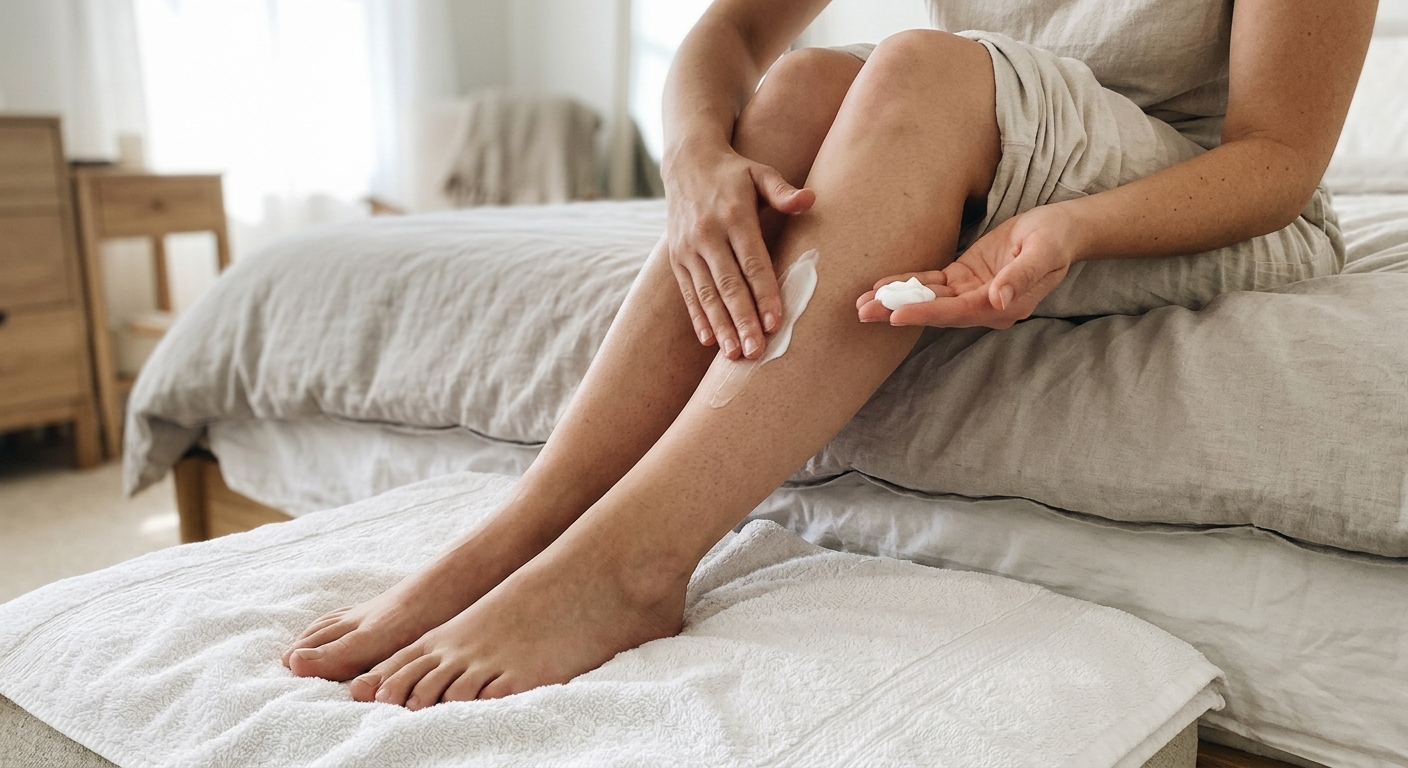
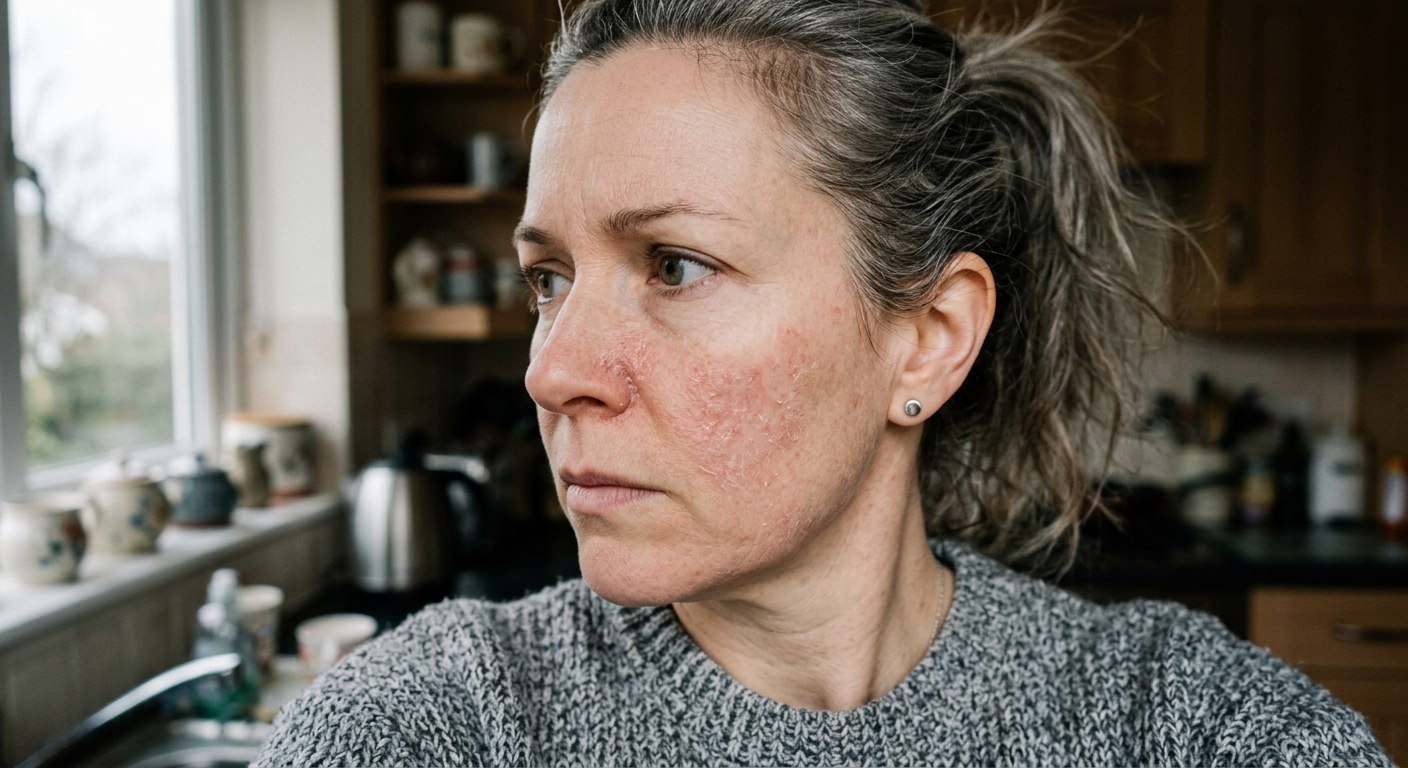
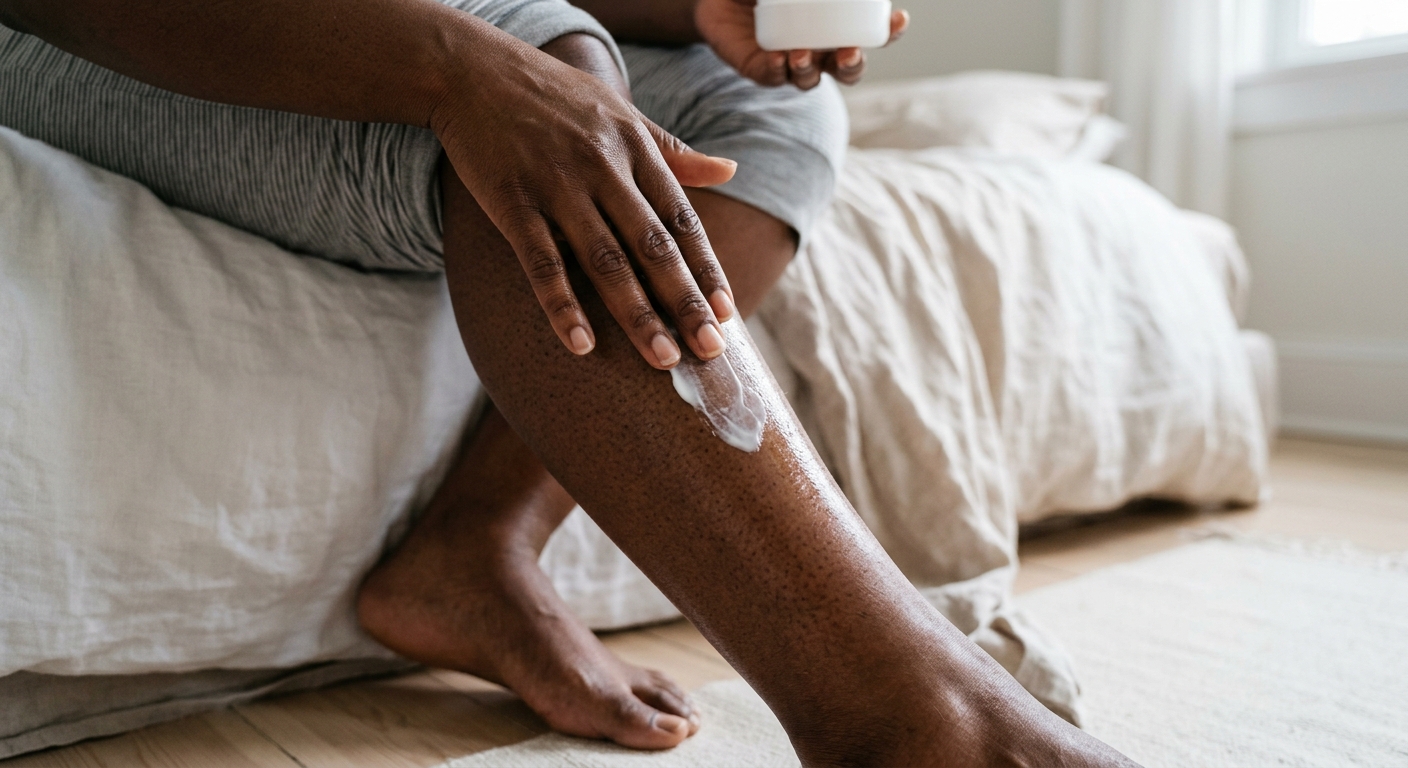
You moisturize, you drink water, and within an hour your skin looks gray again — a chalky, washed-out film clinging to your shins, elbows, and cheeks that no amount of lotion seems to defeat for long. This is ashy skin, and while it gets dismissed as a cosmetic nuisance, it is actually one of the most reliable visible signals that your skin barrier is running low on the lipids and water it needs to function.
Understanding why ashiness happens is the difference between chasing it with greasy quick-fixes and actually correcting it.
What “Ashy” Skin Really Is
Your outermost skin layer, the stratum corneum, is built like a brick wall: flattened dead cells (corneocytes) are the bricks, and a mortar of ceramides, cholesterol, and fatty acids seals the gaps. When that mortar is intact and the cells are well-hydrated, they lie flat and reflect light smoothly, giving skin its glow.
When the barrier dries out, those surface cells curl, lift, and scatter light in every direction instead of bouncing it back evenly. That diffuse scattering is what your eye reads as a gray, dull, “ashy” cast. The condition has a clinical name — xerosis cutis — and a systematic review of its biology confirms it stems from reduced stratum corneum hydration, impaired lipid organization, and disrupted shedding of dead cells [1].
In other words, ashiness is not a skin tone and not poor hygiene. It is light reflecting off a layer of dead, dehydrated cells that have lost the ability to sit flat.
Why Some Skin Goes Ashy More Easily
Ashiness shows up on every complexion, but it is more visible — and often more frequent — on deeper skin tones, and there is real physiology behind that. Research comparing skin barrier function across ethnic groups has found that ceramide levels are roughly 50% lower in Black skin than in White skin, and lower ceramide content is directly linked to faster transepidermal water loss and a greater tendency toward dryness [2].
Research comparing skin barrier function across ethnic groups has found that ceramide levels are roughly 50% lower in Black skin than in White skin, and lower ceramide content is directly linked to faster transepidermal water loss and a greater tendency toward dryness.
A broader review of ethnic differences in skin structure reached a similar conclusion: variations in lipid composition and desquamation (the rate at which dead cells shed) mean some people’s barriers simply hold water less effectively under the same conditions [3]. The contrast against darker pigment also makes the pale, scaly residue stand out more, so the same degree of dryness reads as more dramatic.
The takeaway is not that one skin type is “worse,” but that a lower-ceramide barrier loses water faster — which is why the same dry winter air can leave one person glowing and another looking gray.
The Real Drivers Behind the Gray Cast
A handful of everyday factors push skin into ashiness:
- Low humidity and hot water. Winter air and long hot showers strip surface lipids, accelerating water loss.
- Over-cleansing and harsh soaps. High-pH bar soaps dissolve the very ceramides holding the barrier together.
- Age. Natural lipid and oil production declines over time, so mature skin starts each day with less mortar in the wall.
- Skipping exfoliation. When dead cells pile up faster than they shed, the dull layer thickens.
Notice that several of these point to the same fix — but only if you address both halves of the problem: the missing water and the disordered shedding.
How to Genuinely Fix Ashy Skin
Lasting results come from rebuilding the barrier, not just coating it. Four moves do the heavy lifting:
If your skin also feels tight and looks lackluster overall, the same barrier logic applies to dehydrated skin.
1. Trap water with humectants. Ingredients like glycerin, urea, and hyaluronic acid pull moisture into the stratum corneum. Apply them to slightly damp skin so there is water to grab.
2. Replace the missing mortar. Ceramide-containing moisturizers measurably improve water retention and barrier function and reduce transepidermal water loss — in a qualitative review of clinical data, ceramide formulations consistently restored hydration and barrier integrity in dry, compromised skin [4]. This is the single most important step for a low-ceramide barrier.
3. Exfoliate gently and consistently. Ashiness is partly a shedding problem, so encouraging dead cells to release evenly clears the dull film. Reach for chemical exfoliants (lactic acid, a gentle PHA) over harsh scrubs that micro-tear the surface.
4. Support healthy cell turnover. The deeper fix for uneven shedding is normalizing the skin’s renewal cycle — exactly what a well-formulated retinoid does. For the full picture of how your skin replaces itself, see our guide to skin cell turnover, and for rebuilding a damaged wall, our skin barrier repair breakdown.
Done together, these steps move you from masking the gray cast to preventing it. If your skin also feels tight and looks lackluster overall, the same barrier logic applies to dehydrated skin.
Where Retinol Fits — and Why the Delivery Matters
Retinol is the most studied ingredient for normalizing how skin renews and sheds itself, which is precisely the mechanism behind chronic ashiness. A systematic review of randomized controlled trials confirms that topical retinoids reliably improve surface texture and the appearance of dull, photoaged skin by regulating epidermal turnover [5]. In theory, that makes retinol an ideal ally against an uneven, dead-cell-laden surface.
The catch is that conventional retinol is also drying and irritating — and dry, irritated skin is the last thing an already lipid-depleted, ashy barrier needs. Traditional formulations push retinol through the skin using chemicals and petroleum derivatives that disrupt the very barrier you are trying to rebuild, which is why so many people quit retinol when their skin starts peeling and flaking.
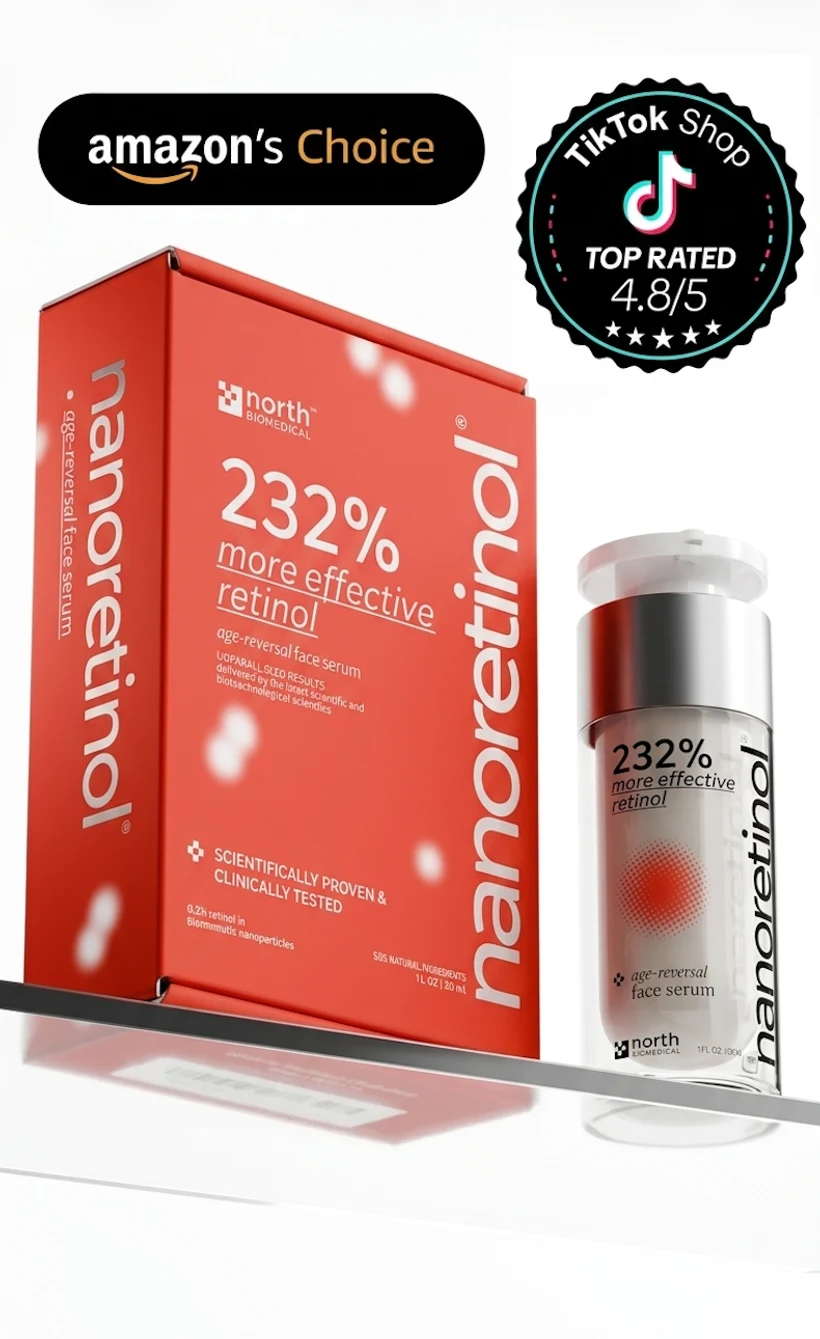
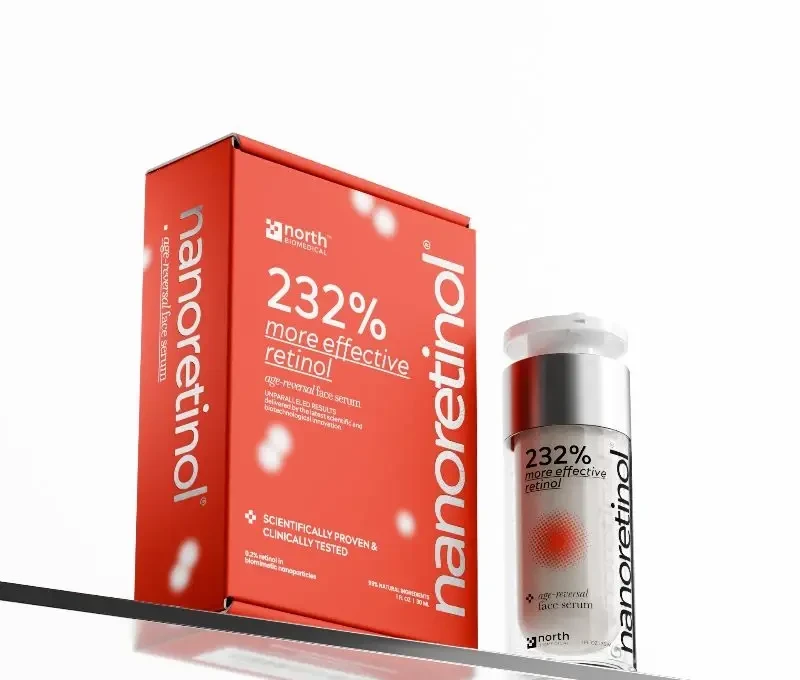
This is the problem Nanoretinol was engineered to solve. It encapsulates a fully stabilized 0.2% retinol inside biomimetic lipid nanoparticles that the skin recognizes as “self” and allows through the barrier without damaging it. As those nanoparticles release their cargo, skin cells absorb the surrounding phospholipids — so the same product that normalizes turnover also delivers barrier-supporting lipids, with a light, water-based, 99% natural-ingredient base suitable for sensitive and dry skin. For ashiness rooted in a depleted barrier, that combination — renewal without the stripping — is the point.
Bringing Back the Glow
Ashy skin is your barrier asking for two things at once: more water held in, and more orderly shedding on the surface. Pair humectants and ceramides to rebuild the wall with gentle exfoliation and barrier-friendly turnover support to clear the dull layer, and the gray cast lifts — not because you covered it up, but because the skin underneath is finally functioning the way it should.
References
- Amin R, Lechner A, Vogt A, Blume-Peytavi U, Kottner J. “Molecular characterization of xerosis cutis: A systematic review.” PLoS One. 2021;16(12):e0261253. doi:10.1371/journal.pone.0261253
- Alexis AF, Woolery-Lloyd H, Williams K, Andriessen A, Desai S, Han G, Perez M, Roberts W, Taylor S. “Racial/Ethnic Variations in Skin Barrier: Implications for Skin Care Recommendations in Skin of Color.” Journal of Drugs in Dermatology. 2021;20(9):932-938. doi:10.36849/JDD.6312
- Rawlings AV. “Ethnic skin types: are there differences in skin structure and function?” International Journal of Cosmetic Science. 2006;28(2):79-93. doi:10.1111/j.1467-2494.2006.00302.x
- Kono T, Miyachi Y, Kawashima M. “Clinical significance of the water retention and barrier function-improving capabilities of ceramide-containing formulations: A qualitative review.” The Journal of Dermatology. 2021;48(12):1807-1816. doi:10.1111/1346-8138.16175
- Sitohang IBS, Makes WI, Sandora N, Suryanegara J. “Topical tretinoin for treating photoaging: A systematic review of randomized controlled trials.” International Journal of Women’s Dermatology. 2022;8(1):e003. doi:10.1097/JW9.0000000000000003