
How to Know What Skin Type You Have (And Why Yours May Have Changed)
The bare-face test, the timing that makes it valid, and the difference between oily and hydrated
Almost everyone learned their skin type during a fairly chaotic decade of their life, from a magazine quiz or a cosmetics counter, and then filed the answer away permanently. Oily. Dry. Combination. Done.
The trouble is that the answer had a shelf life, and for most adults it expired somewhere in the last fifteen years.
Skin type is a measurement, not a personality
Underneath the marketing language, skin type describes one measurable thing: how much sebum your sebaceous glands put out. Dermatology research measures it with a sebumeter, a small device pressed against the skin that reads oil in micrograms per square centimetre.
What that research shows is how wide the spread is. In a study of 713 people ranging from infants to 94-year-olds, sebum output and stratum corneum hydration were measured separately and varied independently by age, sex and body site [1]. Two parameters, moving on their own schedules. Almost everything people get wrong about skin type comes from collapsing them into one.
The bare-face test, done properly
You can approximate a sebumeter reading at home. Most people ruin it on timing.
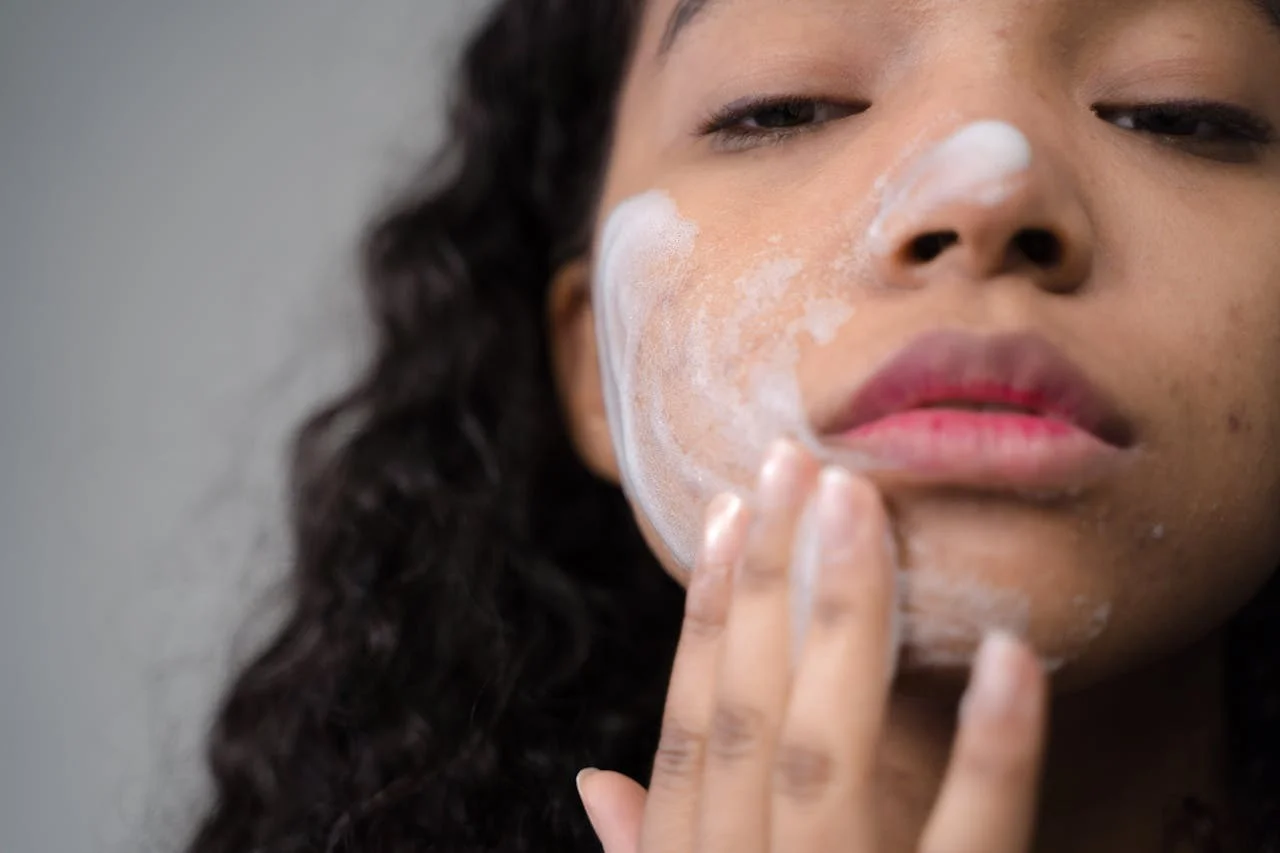
Wash your face with a mild cleanser and nothing else. No toner, no serum, no moisturiser, no sunscreen. Then wait. The window that matters is roughly two to four hours, because you are measuring the rate at which your glands refill the surface, and reading too early tells you only that you washed your face.
Then look, in daylight, without makeup. Shine across the whole face suggests an oily type. No shine anywhere, with tightness or flaking, suggests a dry type. Shine confined to the forehead, nose and chin, with matte cheeks, is combination.
The practical consequence is that you may need to treat two zones differently, and that a single product chosen for your “type” will be wrong somewhere on your face.
Two confounders are worth knowing before you trust the result. Sebum output is meaningfully higher in summer than in other seasons, and it differs by region of the face within the same person [2]. Testing in August and again in February will give you two different answers, and both will be correct.
Your T-zone is running different hardware
The forehead-nose-chin pattern is not a coincidence of where you happen to touch your face.
Sebaceous glands in the T-zone express significantly more androgen receptor protein and mRNA than glands on the cheeks, both in living skin and in cultured cells [3]. Androgens drive sebum production, so the T-zone is simply more responsive to the same circulating hormones. It is a regional difference in the tissue itself.
This is what makes combination skin the most common result rather than a fence-sitting answer. When researchers measured sebum across facial regions systematically, T-zone output was consistently higher than cheek output in the same individuals, which is the basis for defining combination skin as a measurable pattern rather than an indecisive one [2].
The practical consequence is that you may need to treat two zones differently, and that a single product chosen for your “type” will be wrong somewhere on your face.
Oily and dehydrated at the same time
Here is the error that sends people to the wrong shelf.
Oiliness is about lipids. Hydration is about water in the stratum corneum. They are separate measurements, and the 713-person data set showed them moving independently rather than in parallel [1]. Skin can produce plenty of oil and still hold too little water.
The order you apply things in matters more than most people expect, which we cover in the guide to skincare routine order.
Dehydration is a state, not a type. It comes from weather, heat, over-cleansing, alcohol-heavy products or a compromised barrier, and it resolves when the cause is removed. If your skin feels tight and looks dull but still shines by mid-afternoon, you are probably an oily type dealing with dehydrated skin, and reaching for a heavier oil-based cream will make the tightness worse rather than better. A damaged skin barrier produces the same confusing signals.
Your skin type has an expiry date
This is the part almost nobody rechecks.
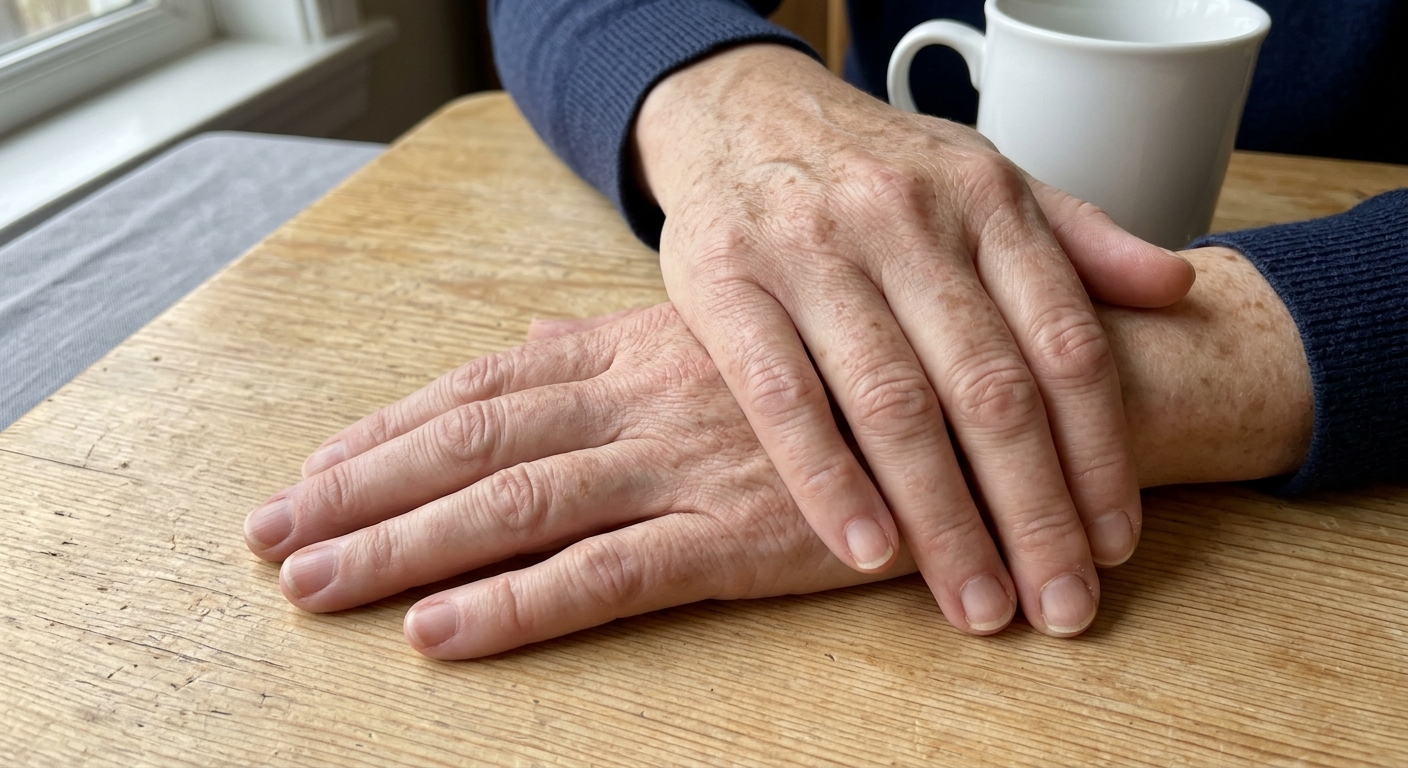
Sebum secretion peaks between roughly 15 and 35 years of age and then falls continuously. In a study spanning ages 15 to 97, the decline ran at about 23% per decade in men and 32% per decade in women [4]. A woman who was reliably oily at twenty-five has, arithmetically, very different skin at fifty-five.
Menopause accelerates it. In untreated postmenopausal women, sebum excretion fell significantly across the first decade after menopause while follicular pores enlarged, and hormone replacement reduced the pore change without significantly restoring sebum output [5]. The pores stay visible while the oil that used to fill them goes away, which is exactly the combination that convinces someone they still have oily skin when the measurement says otherwise.
If you have not retested since your forties, retest.
Sensitive is a separate axis
Sensitivity is not a fifth type sitting alongside the other four. It runs perpendicular to them, and it is common. In a representative French sample, 59% reported very or fairly sensitive skin, rising to 66% among women, and reporting dry skin raised the odds of also reporting sensitivity more than sixfold [6].
This is why the four-type model is thin. The Baumann Skin Type Indicator, a validated questionnaire-based system, classifies skin on four independent axes: oily or dry, sensitive or resistant, pigmented or non-pigmented, and wrinkled or tight, producing sixteen types rather than four [7]. You can be oily, sensitive and wrinkle-prone at once, and no single-word label carries that.
What the answer is actually for
Skin type should change two things: the texture of what you buy, and how cautiously you introduce actives. Oily types generally do better with gel and fluid textures. Dry types need occlusion and lipids. Sensitive types need slower introductions and shorter ingredient lists. The order you apply things in matters more than most people expect, which we cover in the guide to skincare routine order.
What skin type does not decide is which actives work. Collagen loss, sun damage and cell turnover behave the same way in oily and dry skin. The active is the same. The vehicle carrying it is what has to suit you.
Why delivery outranks skin type
This is the reason retinol has a reputation problem it does not deserve. Retinol has the strongest evidence base of any topical anti-aging ingredient, but conventional formulations struggle to cross the epithelial barrier, and many solve that by degrading the barrier chemically. Anyone sensitive, dry or barrier-compromised feels that immediately, and concludes retinol is not for their skin type.
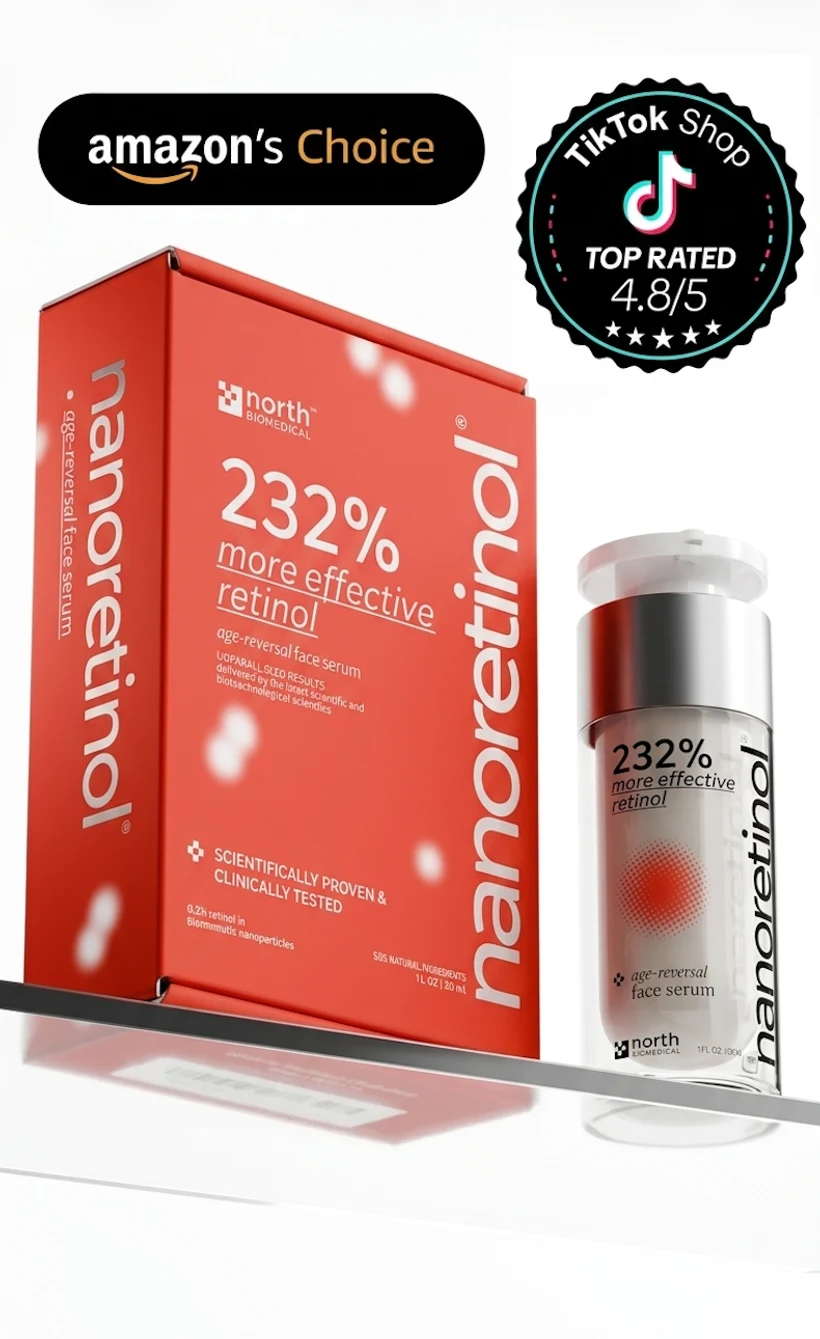
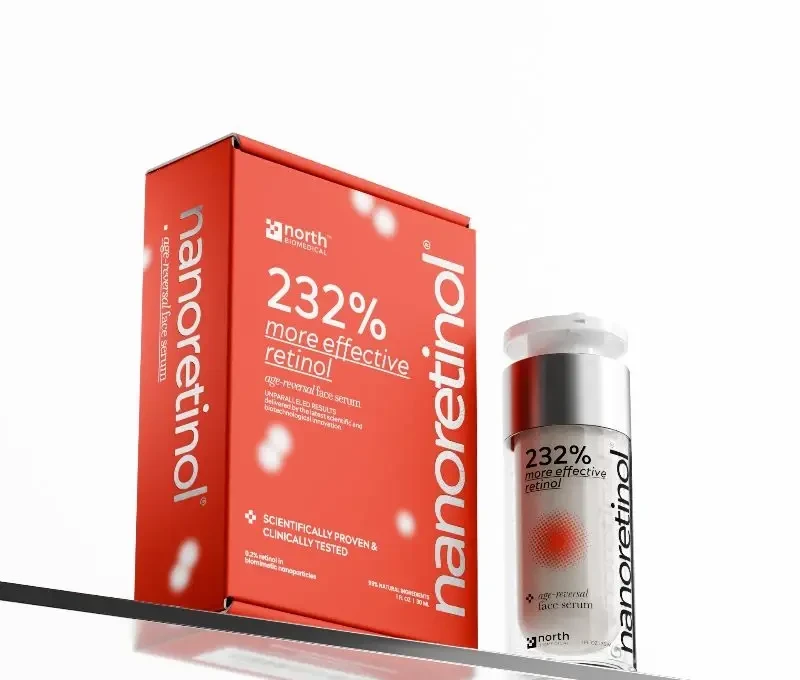
Nanoretinol changes the vehicle rather than the dose. Its 0.2% retinol travels inside biomimetic lipid nanoparticles the skin recognises as self and lets through intact, in a water-based, 99% natural formulation that suits oily, combination and sensitive skin and is safe for the eye contour. Against conventional retinol it achieved 232% greater collagen recovery and 73% greater elastin recovery with drastically reduced cytotoxicity, and across 56 days delivered 61% greater firmness and 56% greater elasticity.
Retest before you restock
Give yourself the two-hour bare-face test this week, check whether your cheeks and T-zone still disagree, and separate what is oil from what is water. Then buy for the skin currently on your face rather than the skin you were assigned in a shop twenty years ago.
References
- Man MQ, Xin SJ, Song SP, Cho SY, Zhang XJ, Tu CX, Feingold KR, Elias PM. “Variation of Skin Surface pH, Sebum Content and Stratum Corneum Hydration with Age and Gender in a Large Chinese Population.” Skin Pharmacology and Physiology. 2009;22(4):190-199. doi:10.1159/000231524
- Youn SW, Na JI, Choi SY, Huh CH, Park KC. “Regional and Seasonal Variations in Facial Sebum Secretions: A Proposal for the Definition of Combination Skin Type.” Skin Research and Technology. 2005;11(3):189-195. doi:10.1111/j.1600-0846.2005.00119.x
- Seo YJ, Li ZJ, Choi DK, Sohn KC, Kim HR, Lee Y, Kim CD, Lee YH, Shi G, Lee JH, Im M. “Regional Difference in Sebum Production by Androgen Susceptibility in Human Facial Skin.” Experimental Dermatology. 2014;23(1):70-72. doi:10.1111/exd.12291
- Jacobsen E, Billings JK, Frantz RA, Kinney CK, Stewart ME, Downing DT. “Age-related Changes in Sebaceous Wax Ester Secretion Rates in Men and Women.” Journal of Investigative Dermatology. 1985;85(5):483-485. doi:10.1111/1523-1747.ep12277224
- Piérard-Franchimont C, Piérard GE. “Postmenopausal Aging of the Sebaceous Follicle: A Comparison between Women Receiving Hormone Replacement Therapy or Not.” Dermatology. 2002;204(1):17-22. doi:10.1159/000051804
- Misery L, Jourdan E, Huet F, Brenaut E, Cadars B, Virassamynaïk S, Sayag M, Taieb C. “Sensitive Skin in France: A Study on Prevalence, Relationship with Age and Skin Type and Impact on Quality of Life.” Journal of the European Academy of Dermatology and Venereology. 2018;32(5):791-795. doi:10.1111/jdv.14837
- Baumann L. “Understanding and Treating Various Skin Types: The Baumann Skin Type Indicator.” Dermatologic Clinics. 2008;26(3):359-373. doi:10.1016/j.det.2008.03.007