
Dark Neck: Why Skin on Your Neck Gets Darker and What Actually Helps
Neck hyperpigmentation has several distinct causes — understanding which one you have is the first step to treating it
The neck is one of the most overlooked areas in skincare — until it isn’t. A gradual darkening along the nape, a ring of discoloration around the collar line, patches that don’t match the rest of your complexion. These are remarkably common, and they’re often more fixable than they appear.
The reason they’re under-treated is that “dark neck” isn’t a single condition. It’s a symptom with at least four distinct causes, each with its own mechanism and its own best treatment approach. Most people pick a product and apply it without understanding what they’re actually trying to correct.
The Four Causes of Neck Hyperpigmentation
1. Friction melanosis
Friction melanosis is among the most common and most underrecognized causes of neck darkening. Repetitive mechanical friction — from clothing, necklaces, collar seams, or bathing with a rough cloth — triggers low-grade chronic inflammation in the skin. The inflammatory response activates melanocytes, which overproduce melanin as a defensive response to the perceived injury [1].
The hyperpigmentation typically follows the pattern of the friction: it’s most intense along the clavicular area and the nape of the neck, and it has a mottled, irregular appearance rather than uniform darkening. A classic 1989 study identified this pattern specifically in young women who scrubbed the clavicular zone with textured bathing implements — the histopathology showed focal epidermal necrosis and deep melanin deposition [2].
2. Photoaging and solar damage
The neck receives more cumulative UV exposure than most people account for. Unlike the face, which gets deliberate attention with SPF, the neck often goes unprotected — even by people who apply facial sunscreen religiously. This accumulates over decades as melanocyte activation and eventual dysregulation, producing flat, persistent discoloration on the anterior and lateral neck.
Sun-induced neck hyperpigmentation tends to be patchy rather than uniform, and often appears alongside neck lines and fine texture changes. Ultraviolet light activates multiple pigmentation pathways simultaneously: it directly upregulates tyrosinase, stimulates keratinocytes to release melanocyte-stimulating hormones, and increases endothelin-1 production, all of which drive melanin synthesis [3].
3. Hormonal hyperpigmentation
The neck is a known site for hormone-driven pigmentation changes, including extensions of facial melasma and perimenopausal skin changes. Estrogen amplifies UV-induced melanogenesis — it doesn’t trigger pigmentation on its own, but it lowers the threshold at which UV radiation activates melanocytes [4].
This is why neck darkening often worsens during pregnancy or perimenopause, or while taking oral contraceptives. The hormonal context changes the skin’s baseline sensitivity to UV stimulation, and even incidental sun exposure can produce significant pigmentation in predisposed individuals.
Most people pick a product and apply it without understanding what they’re actually trying to correct.
4. Atopic or eczema-related darkening
In people with atopic dermatitis or a history of eczema, chronic low-grade inflammation of the neck skin produces post-inflammatory hyperpigmentation (PIH). This can cause uniform darkening — sometimes called “dirty neck” — that’s driven by melanocyte activation from repeated immune activity rather than sun damage [5].
A clinical study from Singapore’s National Skin Centre found that 14.3% of atopic dermatitis patients showed this acquired neck pigmentation, with tissue analysis confirming increased epidermal melanin and dermal melanophages consistent with chronic inflammation rather than UV damage alone [5].
When to See a Doctor First
If your neck darkening has these specific characteristics, see a physician before treating it as a cosmetic concern:
- Velvety texture and uniform darkness in the skin folds: This pattern — where the skin has a thick, velvety appearance specifically in the creases — can indicate acanthosis nigricans, which is associated with insulin resistance and requires medical evaluation.
- Rapid onset: Sudden darkening over weeks is more concerning than gradual change over years.
- Accompanying symptoms: Skin tags concentrated in the area, unexplained weight changes, or other systemic changes warrant medical assessment.
Gradual, patchy, or post-inflammatory darkening without these features is almost always cosmetic.
What Works (by Cause)
The most important thing to match is treatment to mechanism.
For friction melanosis: reduce the friction first
No topical product will hold if the friction continues. Start by identifying and eliminating the source: switch to softer collar fabrics, remove necklaces that rub, or change bathing technique. Once the mechanical trigger is reduced, the inflammatory response subsides and pigmentation can begin to fade with standard hyperpigmentation treatments.
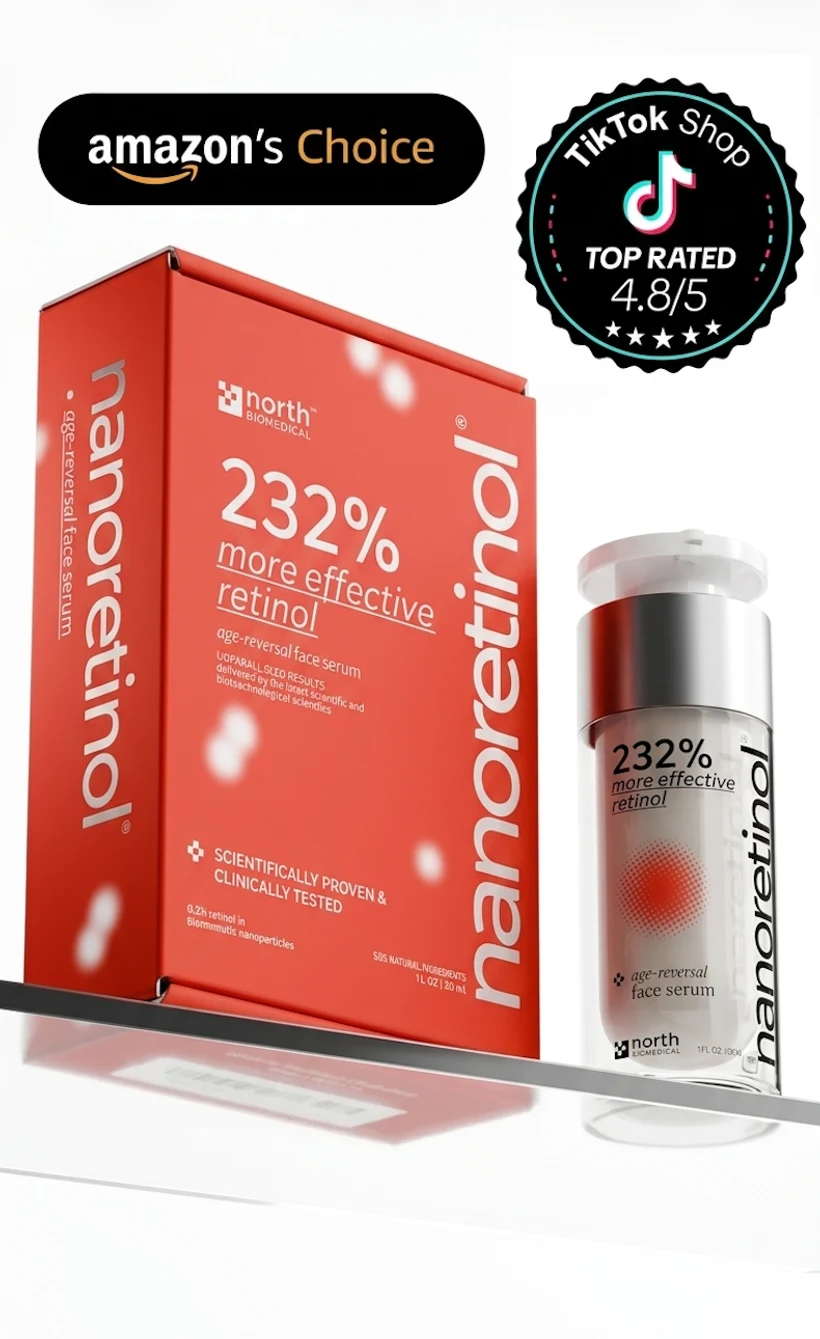
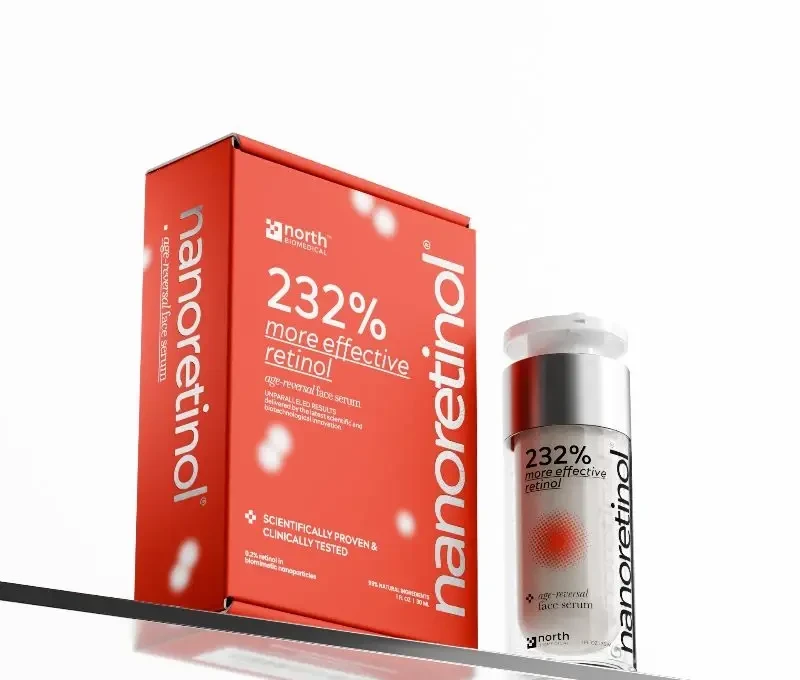
At 0.2% retinol in a biomimetic lipid carrier, it delivers deeper cellular efficacy (demonstrated as +232% greater collagen recovery versus conventional retinol) while causing significantly less irritation — particularly relevant for neck skin, which is thinner and more reactive than the face.
For UV-induced darkening: retinoids + sunscreen
Retinoids are the most evidence-based first-line option for photoaging-related pigmentation [6]. They work by accelerating epidermal cell turnover — pushing hyperpigmented cells toward the surface to shed — while simultaneously inhibiting UV-stimulated melanin production through downregulation of tyrosinase activity.
Clinical evidence supports multiple topical retinoids for this purpose, from tretinoin to retinol formulations [6]. The challenge on the neck is the skin’s relative sensitivity and the difficulty of consistent application. Formulations that deliver retinol without disrupting the skin barrier — like Nanoretinol, which uses lipid nanoparticle encapsulation — offer a practical advantage here. At 0.2% retinol in a biomimetic lipid carrier, it delivers deeper cellular efficacy (demonstrated as +232% greater collagen recovery versus conventional retinol) while causing significantly less irritation — particularly relevant for neck skin, which is thinner and more reactive than the face.
Consistent SPF on the neck is non-negotiable. Even treating existing pigmentation, unprotected UV exposure will continue driving melanin production and undermine any topical treatment. Broad-spectrum SPF 30 or higher applied to the neck and décolleté daily is part of the protocol.
For hormonal darkening: combination brightening
Hormone-driven pigmentation responds to the same approach as facial melasma: combination therapy targeting multiple points in the melanin production pathway. This typically means:
- A tyrosinase inhibitor like niacinamide, alpha arbutin, or tranexamic acid
- A retinoid for turnover acceleration
- Strict photoprotection
Managing the hormonal trigger, where possible, also helps. For women whose neck darkening correlates with oral contraceptive use, discussing alternatives with a physician may be worth considering.
For PIH from eczema: control inflammation first
For atopic-related darkening, treating the underlying skin condition is the prerequisite. Once the inflammatory cycles are broken with appropriate eczema management, the post-inflammatory pigmentation becomes addressable through standard brightening approaches: niacinamide, tranexamic acid, and gentle retinoids.
A Practical Routine for Dark Neck
Morning:
- Gentle cleanser
- Vitamin C serum extended down to the neck and décolleté
- Moisturizer
- SPF 30+ (on neck and chest, not just the face)
Evening:
- Cleanser
- Retinol or Nanoretinol, extended to the neck
- Moisturizer
Weekly:
- Gentle AHA exfoliant (glycolic or lactic) to support cell shedding
Give this routine 12 weeks before evaluating results. Neck pigmentation responds more slowly than facial spots — the skin thickness and lower product application frequency both slow the timeline. The approach to uneven skin tone that works on the face needs more time and consistency to produce visible results on the neck.
The Realistic Timeline
Most people with UV-induced or friction-based neck darkening see meaningful improvement within 3–6 months of consistent treatment and rigorous SPF use. Hormonal pigmentation is slower and more prone to relapse without ongoing photoprotection. Atopic-related darkening often improves significantly once the underlying condition is better controlled.
The neck has been shortchanged by most skincare routines. The same science that fades spots on the face works here too — it just requires extending the attention downward.
References
- Lautenschlager S, Itin PH. “Reticulate, patchy and mottled pigmentation of the neck. Acquired forms.” Dermatology. 1998;197(3):291-6. doi:10.1159/000018016
- Magaña-García M, Carrasco E, Herrera-Goepfert R, Pueblitz-Peredo S. “Hyperpigmentation of the clavicular zone: a variant of friction melanosis.” International Journal of Dermatology. 1989;28(2):119-22. doi:10.1111/j.1365-4362.1989.tb01331.x
- Gilchrest BA, Park HY, Eller MS, Yaar M. “Mechanisms of ultraviolet light-induced pigmentation.” Photochemistry and Photobiology. 1996;63(1):1-10. doi:10.1111/j.1751-1097.1996.tb02988.x
- Cario M. “How hormones may modulate human skin pigmentation in melasma: An in vitro perspective.” Experimental Dermatology. 2019;28(6):709-18. doi:10.1111/exd.13915
- Seghers AC, Lee JSS, Tan CS, et al. “Atopic dirty neck or acquired atopic hyperpigmentation? An epidemiological and clinical study from the National Skin Centre in Singapore.” Dermatology. 2014;229(3):174-82. doi:10.1159/000362596
- Kang HY, Valerio L, Bahadoran P, Ortonne JP. “The role of topical retinoids in the treatment of pigmentary disorders: an evidence-based review.” American Journal of Clinical Dermatology. 2009;10(4):251-60. doi:10.2165/00128071-200910040-00005