Clogged Pores: Why They Happen and How to Actually Keep Them Clear
Clogged pores form when dead skin and sebum get trapped in the follicle. Learn the real science and the ingredients that actually keep pores clear.
Read article →
Written by the North Biomedical® team to provide thoroughly researched content on skincare science, anti-aging breakthroughs, and the latest advances in dermatological technology.

Clogged pores form when dead skin and sebum get trapped in the follicle. Learn the real science and the ingredients that actually keep pores clear.
Read article →
Dry, flaky skin around the nose is usually a barrier problem, not a moisture problem. Learn why it happens and the science-backed way to actually fix it.
Read article →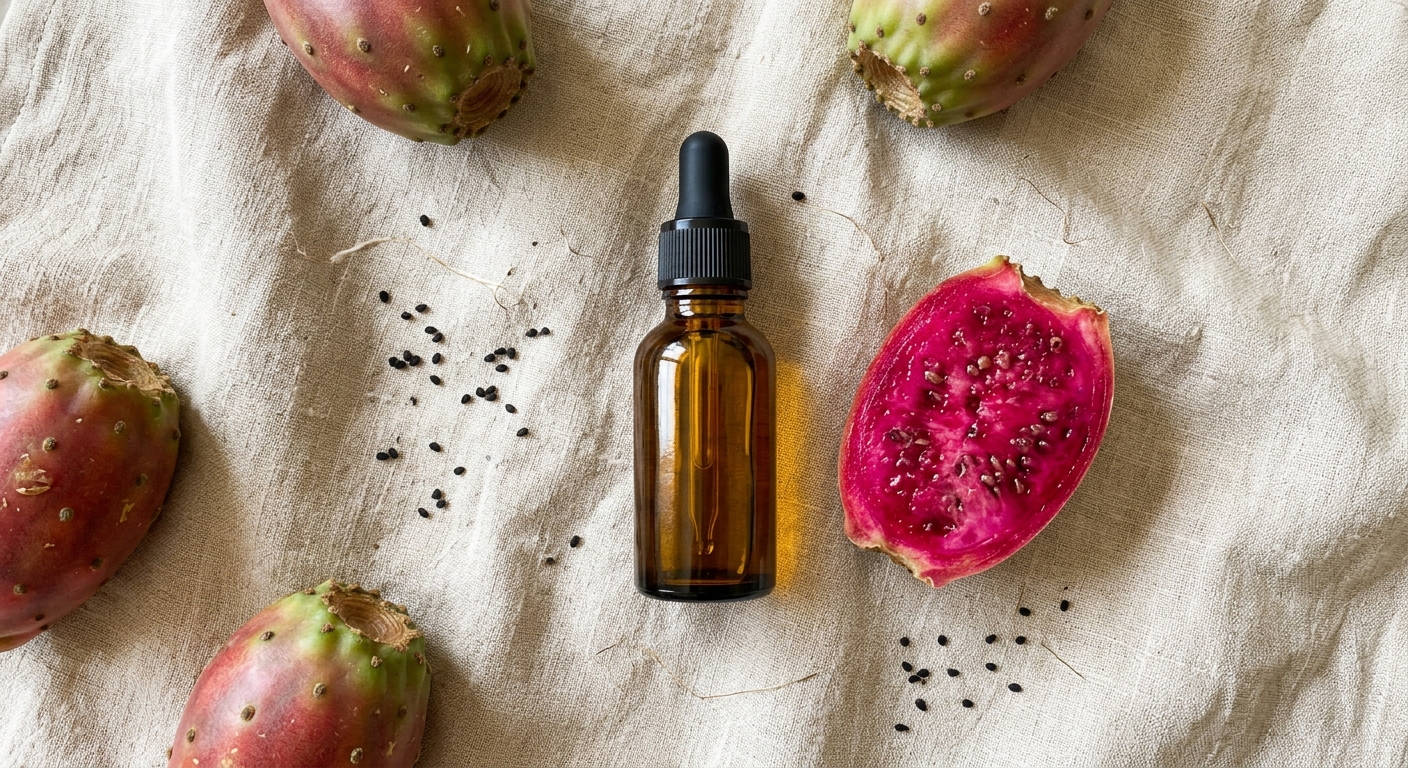
Prickly pear seed oil is prized for its vitamin E and antioxidants. Learn what the science says it does for aging skin — and where retinol still wins.
Read article →
Does collagen in coffee work, or does the heat destroy it? Here's the science on collagen powder in hot coffee, absorption, and what it means for your skin.
Read article →
A gaunt face comes from lost facial fat, shrinking bone, and thinning skin. Here's what causes the hollow look and how to restore fullness and firmness.
Read article →
Mounjaro face is the sunken, sagging look that follows fast weight loss on tirzepatide. Here's why it happens and how to keep skin firm through it.
Read article →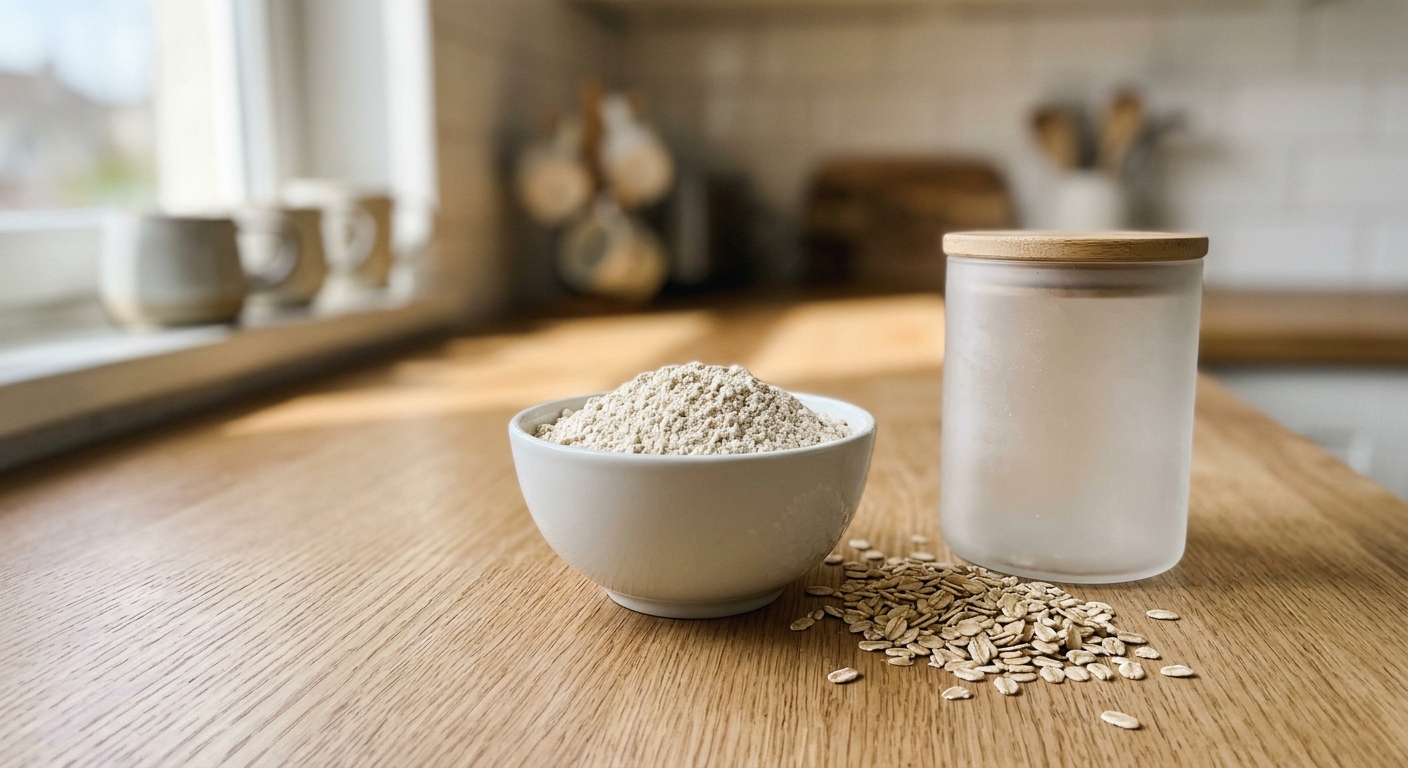
Colloidal oatmeal calms irritation, relieves itch, and repairs the skin barrier. Here's the science behind oats for skin and how it supports an anti-aging routine.
Read article →
Combination skin means an oily T-zone and dry cheeks on the same face. Here's the science of why it happens and how to treat both zones without over-drying.
Read article →
Double cleansing removes sunscreen, makeup, and sebum a single wash leaves behind. Here's the cleanser science on when it helps — and how to do it without over-drying.
Read article →
Buccal fat removal slims the mid-cheek for a chiseled look, but surgeons warn it may age you prematurely. Here's the science — and a lower-risk way to protect your face.
Read article → 