Coffee Face Mask: What Caffeine Can Do for Your Skin in 15 Minutes
Coffee face mask guide: what caffeine and coffee polyphenols do for puffiness and dull skin, how to make one safely, what studies show, and who should skip it.
Read article →
Written by the North Biomedical® team to provide thoroughly researched content on skincare science, anti-aging breakthroughs, and the latest advances in dermatological technology.
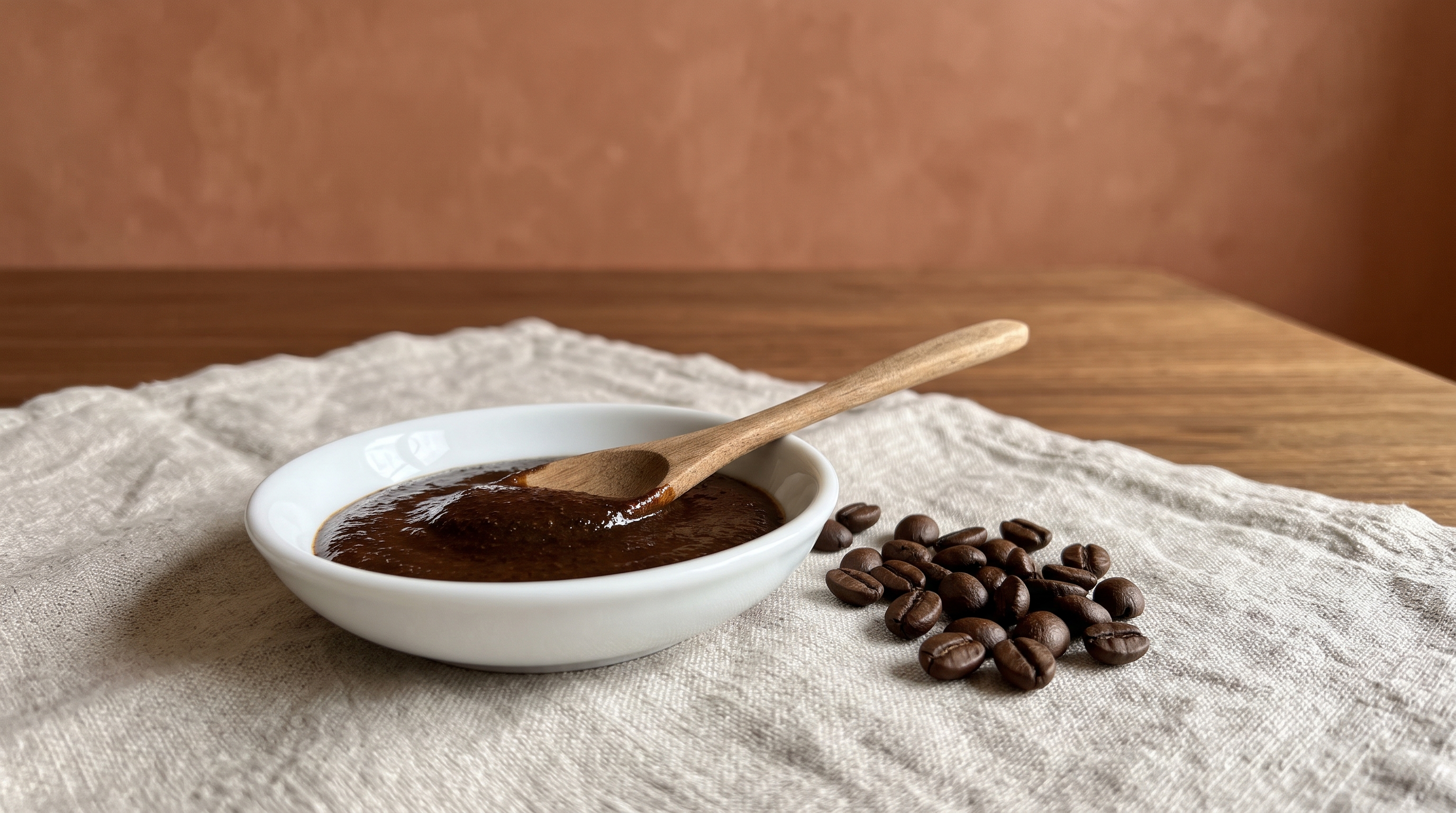
Coffee face mask guide: what caffeine and coffee polyphenols do for puffiness and dull skin, how to make one safely, what studies show, and who should skip it.
Read article →
Dark spot body lotion guide: how niacinamide, kojic acid, lactic acid and arbutin compare for body spots, how long fading takes, and why SPF decides results.
Read article →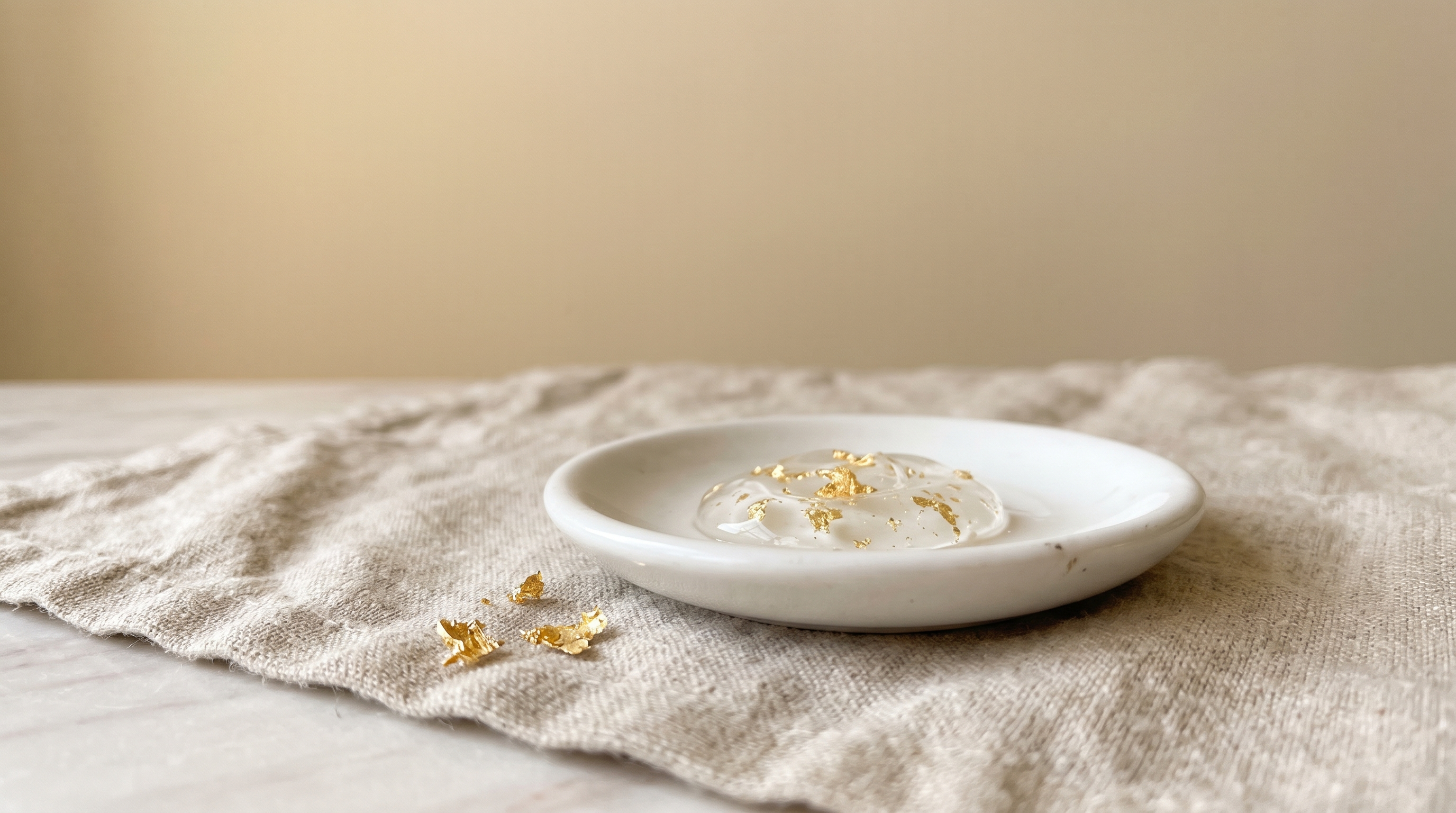
Gold face mask guide: what 24k gold leaf, colloidal gold and gold nanoparticles really do for skin, where the glow comes from, allergy risk, and what to buy.
Read article →
Eye massager guide: what heated masks, vibrating wands and cooling rollers do for puffiness, tired eyes and fine lines, plus safety limits and how to use one.
Read article →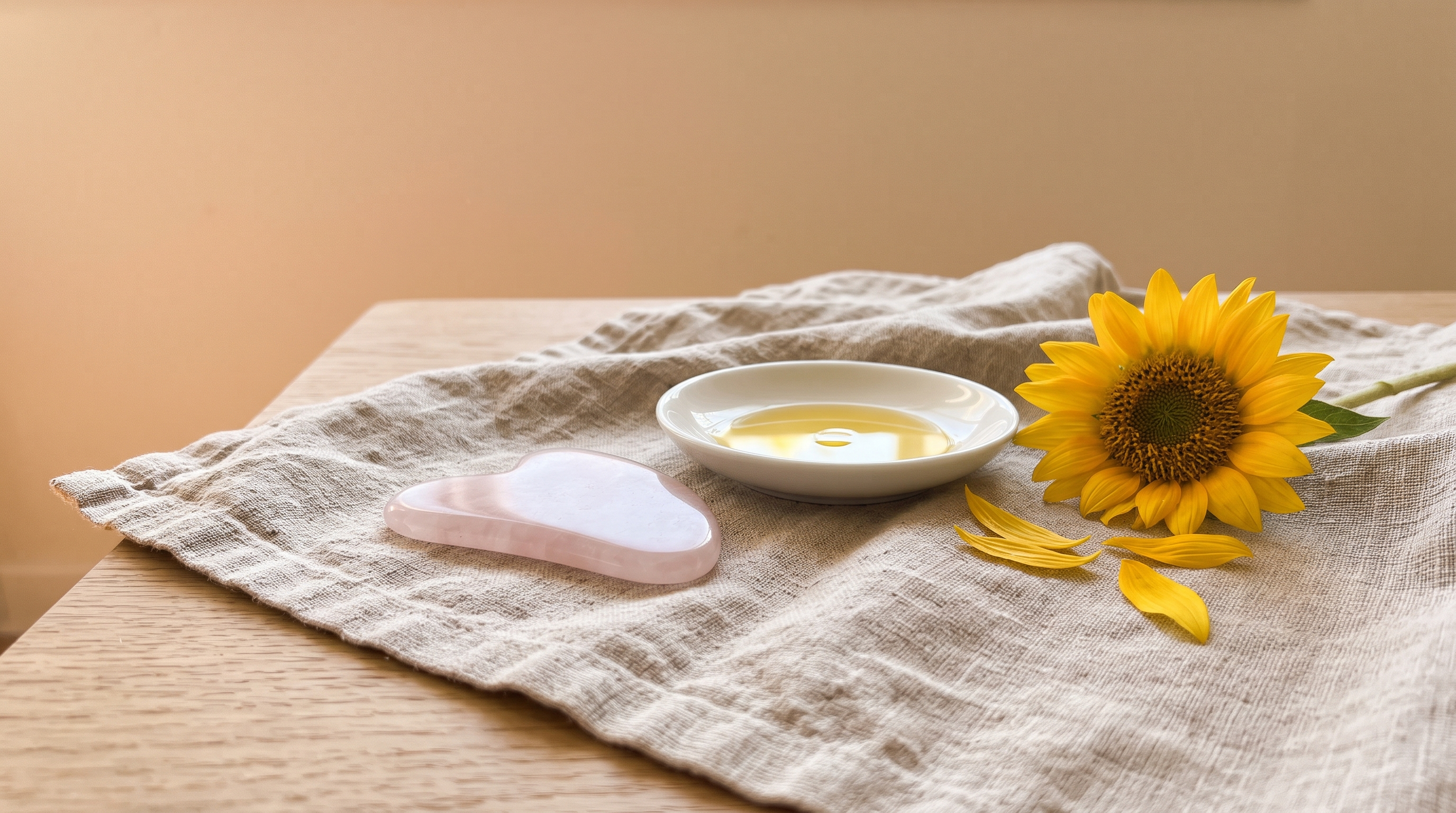
Facial massage oil guide: which oils give gua sha and fingertips enough glide, which suit dry or oily skin, why to skip essential oils, and how to remove it.
Read article →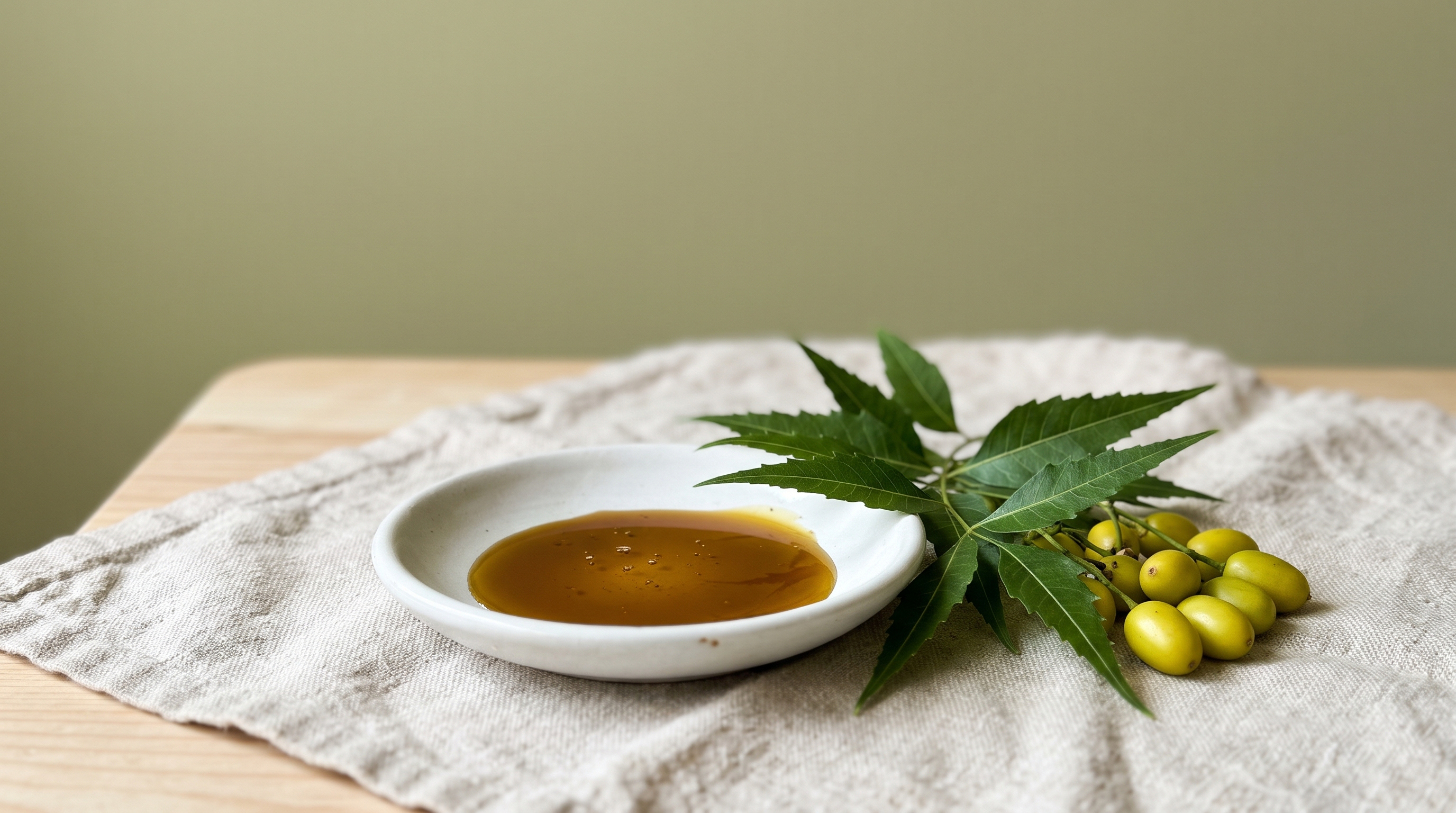
Neem oil for skin: what the seed oil contains, what the acne and anti-aging studies really tested, the allergy and safety risks, and how to dilute it well.
Read article →
What calendula cream does for skin: the evidence on moisture, irritation and firmness, the allergy risk, how to choose one, and how to pair it with retinol.
Read article →
What a hand serum does for aging hands: which ingredients have evidence, how it differs from hand cream, and how to fit one around daily hand washing.
Read article →
Moringa oil for skin: what the seed oil's fatty acids do, why its anti-aging studies used leaf extract, which skin types suit it, and how to use it well.
Read article →
How to choose a facial oil for dry skin: why oils seal in water rather than add it, which oils support the barrier, which to avoid, and how to layer one.
Read article →