How Long Does Filler Last? The Two Clocks Nobody Explains
Filler longevity varies by area, product and biology. What the imaging and volumetric data actually show, and the clock filler never touches.
Read article →
Written by the North Biomedical® team to provide thoroughly researched content on skincare science, anti-aging breakthroughs, and the latest advances in dermatological technology.

Filler longevity varies by area, product and biology. What the imaging and volumetric data actually show, and the clock filler never touches.
Read article →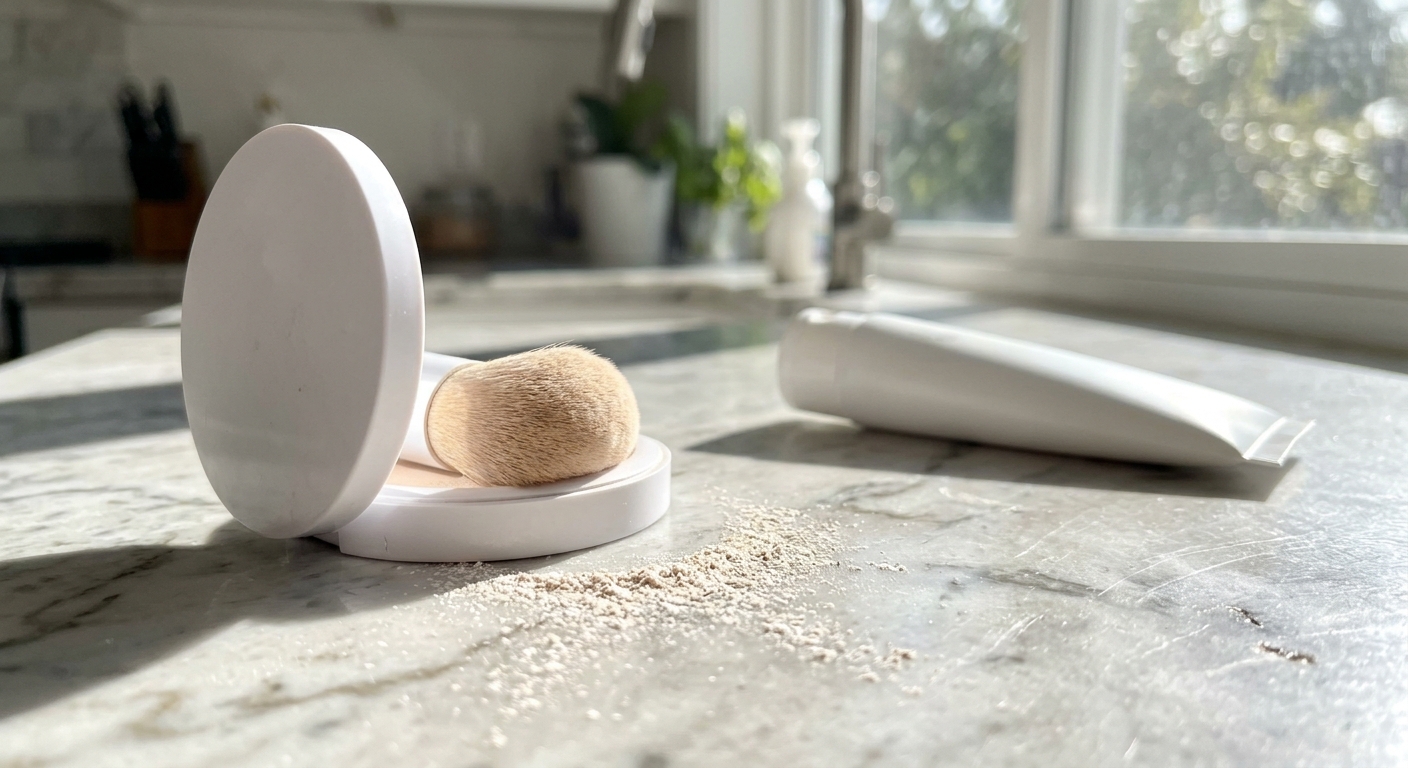
Powder sunscreen is a real filter applied at an unreal dose. What the numbers say it delivers, when it genuinely works, and what it cannot undo.
Read article →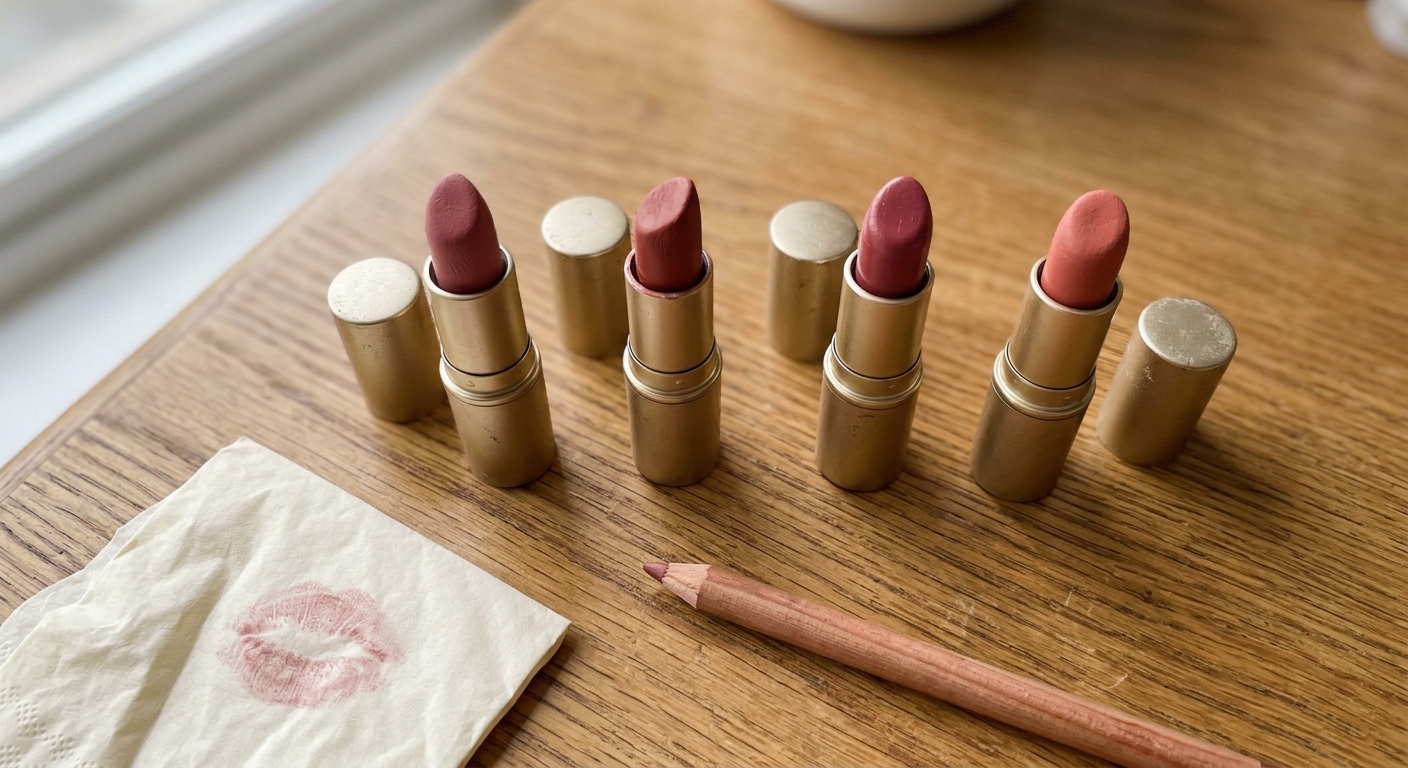
The best lipstick for older women works with aging lip anatomy. Why color feathers into perioral lines, and which formulas actually stay where you put them.
Read article →
A sensitive skin care routine that starts by subtracting: how to tell a damaged barrier from truly sensitive skin, and how to add actives back in safely.
Read article →
A skin care routine for men built on the real differences in male skin: thicker dermis, higher sebum output, and a barrier that daily shaving disrupts.
Read article →
A body skin care routine built on how body skin differs from facial skin: thicker barrier, almost no oil glands, and what actually improves crepey limbs.
Read article →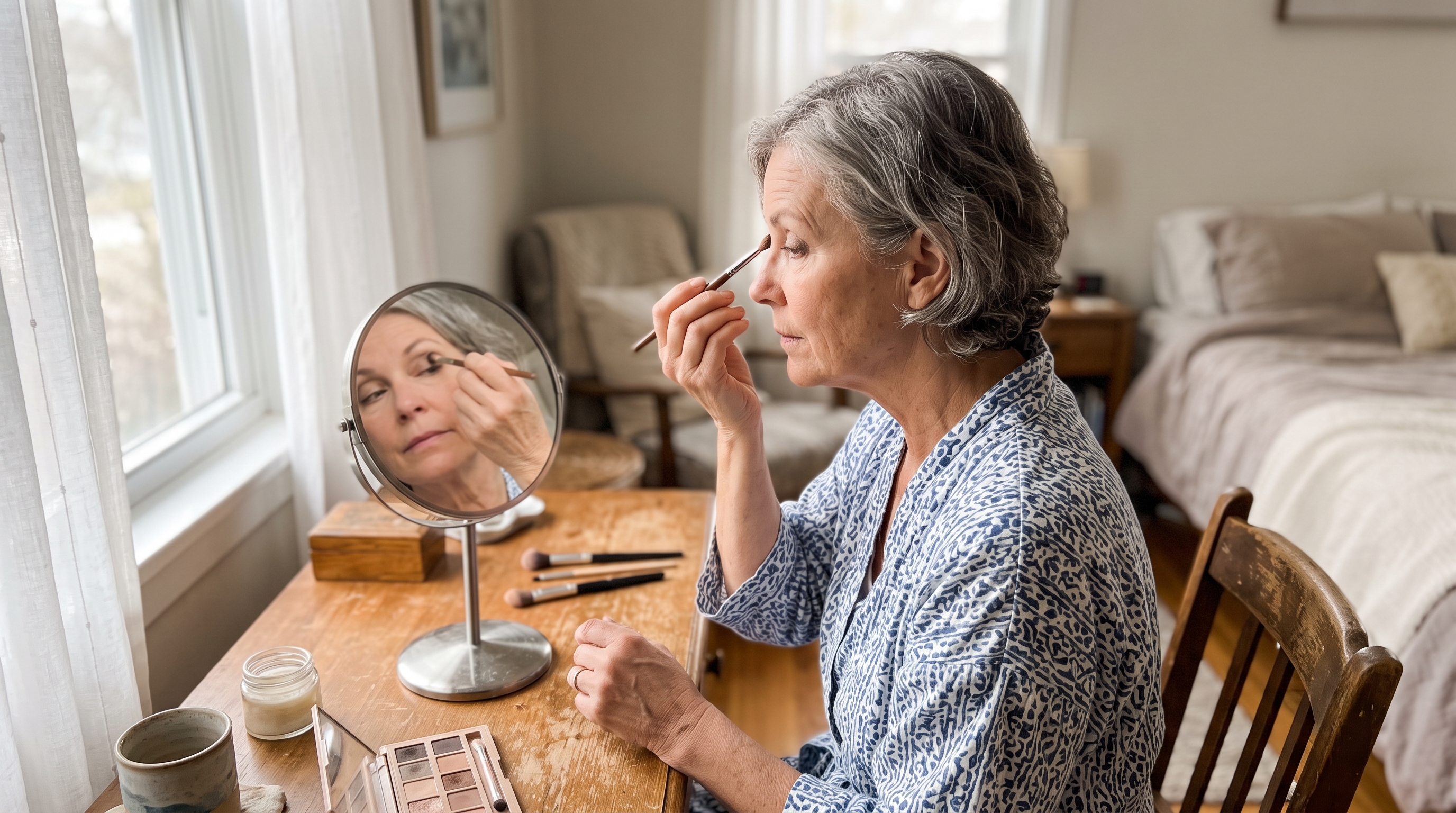
Eye makeup for mature women fails for measurable reasons. The eyelid skin data behind creasing, plus formula and placement rules that hold all day.
Read article →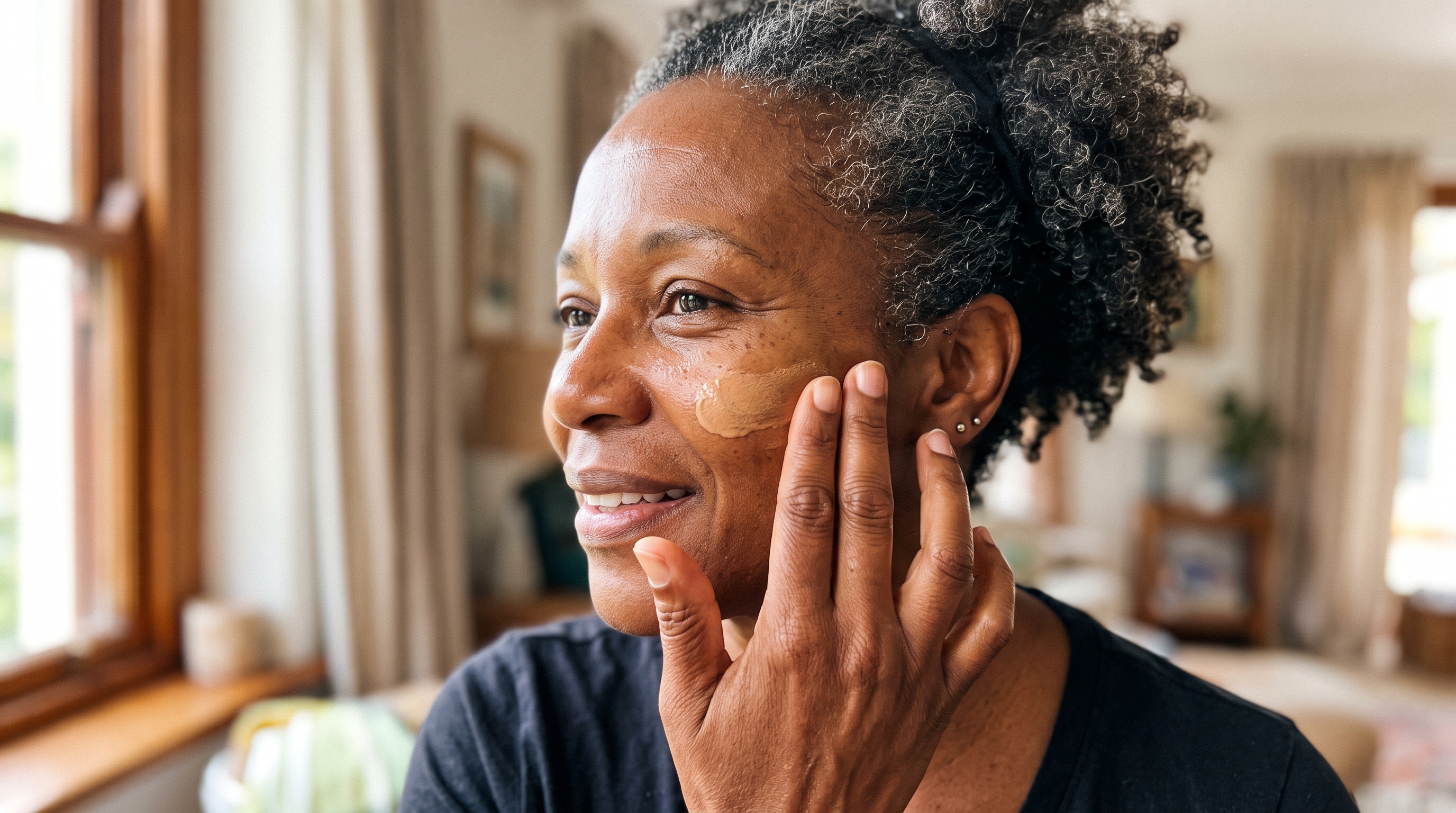
Tinted sunscreen blocks visible light that clear formulas miss. The iron oxide evidence, who needs it, and what it can and cannot undo.
Read article →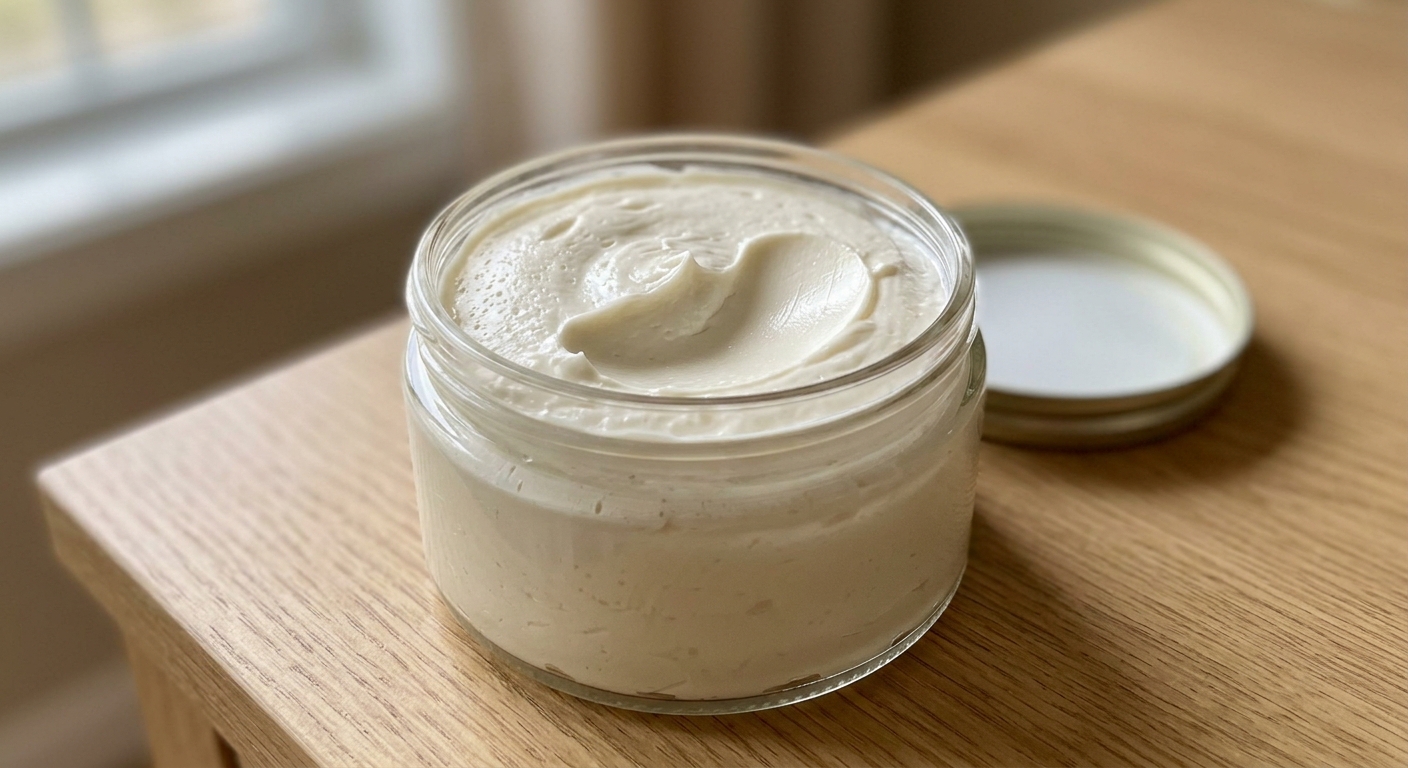
How body butter works for dry skin, why it belongs on damp skin, and how to choose one that seals moisture without leaving a film.
Read article →
How to know what skin type you have using a proper bare-face sebum test, plus why skin type shifts with age and after menopause.
Read article → 