Best Lip Plumper: What Actually Works on Thinning Lips
Best lip plumper guide: how irritant vasodilators, hyaluronic acid, and optical pigments differ, how long each lasts, and what rebuilds lip structure.
Read article →
Written by the North Biomedical® team to provide thoroughly researched content on skincare science, anti-aging breakthroughs, and the latest advances in dermatological technology.
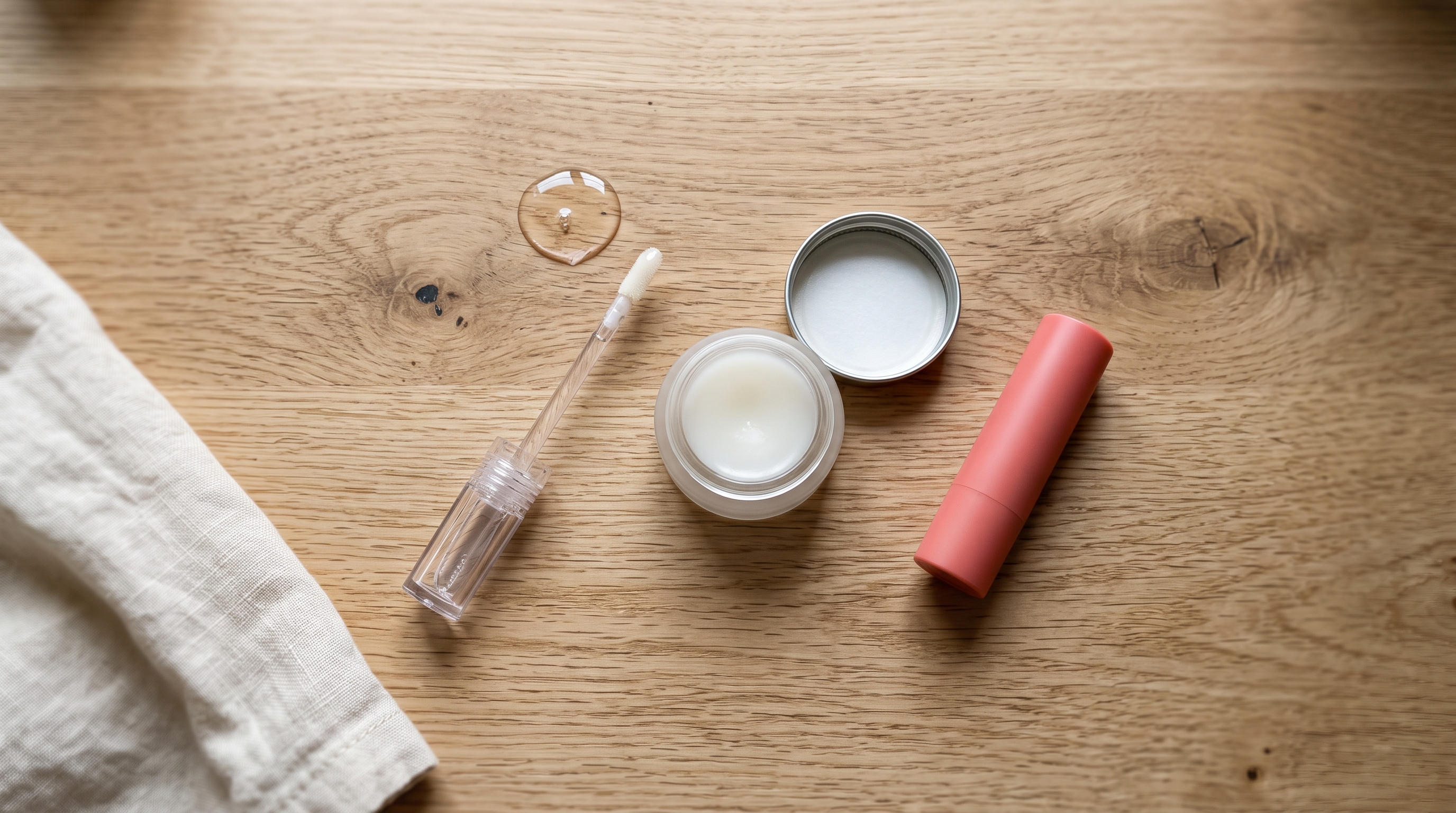
Best lip plumper guide: how irritant vasodilators, hyaluronic acid, and optical pigments differ, how long each lasts, and what rebuilds lip structure.
Read article →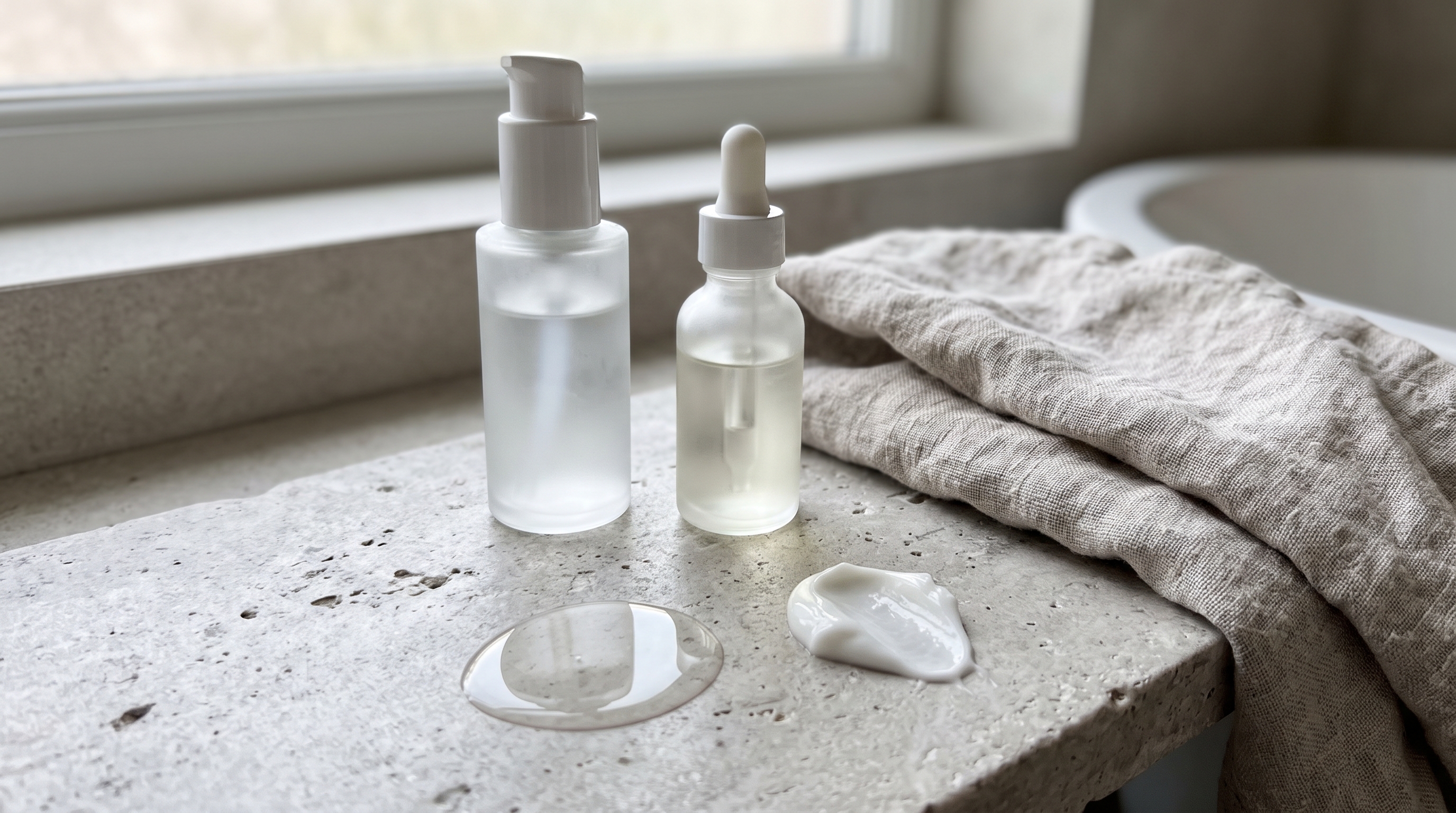
Choose the best body serum for crepey skin by active delivery, hydration and barrier support, then learn when to seal it with lotion for lasting results.
Read article →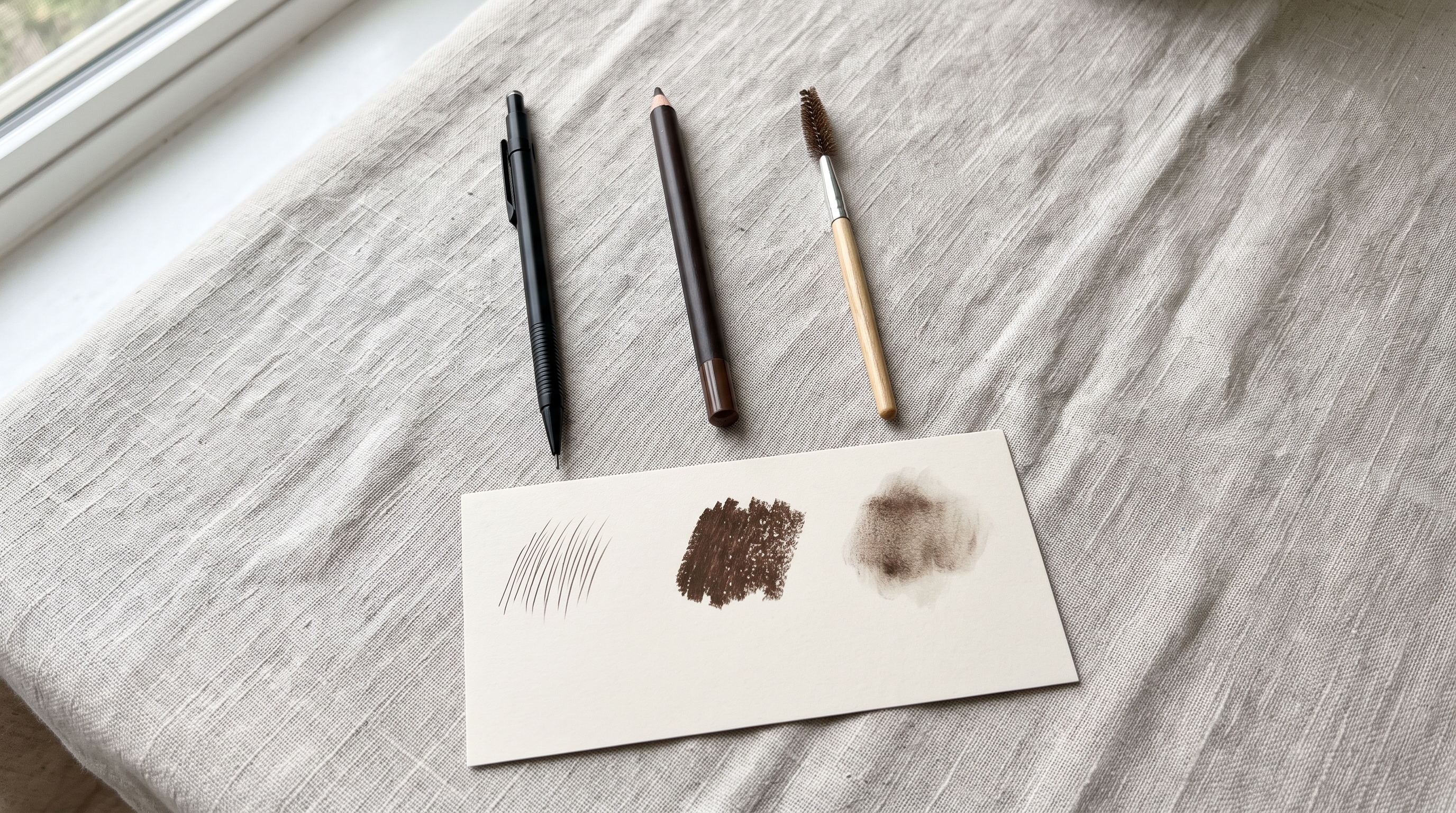
Find the best eyebrow pencil for older women by tip width, wax, pigment and undertone, then use a natural mapping method for sparse mature brows.
Read article →
The best eyeshadow for older women depends on lid texture, oil and folds. Learn which formulas resist creasing, skipping and fallout on mature eyes.
Read article →
The best eyeliner for older women depends on how your liner fails. Drag, migration and disappearing lines have different causes and different formula answers.
Read article →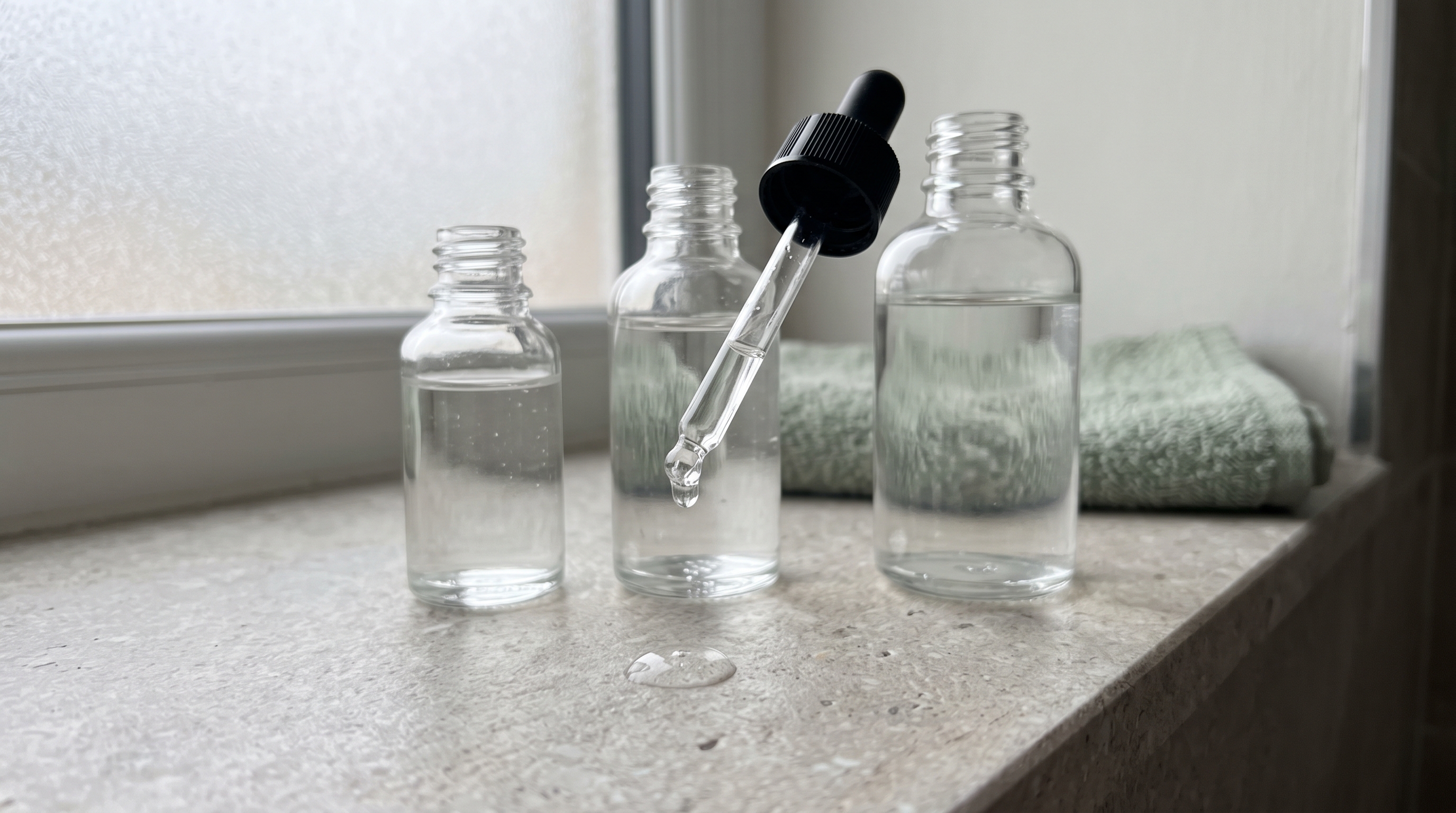
Choosing the best hyaluronic acid serum comes down to molecular weight, not price or percentage. What the clinical trials show, and where hyaluronic acid stops.
Read article →
The best tinted moisturizer for mature skin is chosen on emollient ratio and pigment load, not shade range. The optical science behind why sheer coverage wins.
Read article →
The best eye makeup remover dissolves makeup so you stop rubbing. A guide to biphasic, balm and micellar formulas, and the technique that beats any upgrade.
Read article →
The best mascara for older women is chosen around a drier lid and a sparser lash line. What matters in formula, brush and removal, and what makeup cannot fix.
Read article →
Sauna skin benefits are real but narrow. What controlled studies found about barrier function, why the collagen claim fails, and who should be careful with heat.
Read article → 