Best Face Moisturizer for Dry Skin: How to Choose by Ingredient
The best face moisturizer for dry skin combines humectants, emollients and occlusives. Here is what clinical evidence supports, and how to read a label.
Read article →
Written by the North Biomedical® team to provide thoroughly researched content on skincare science, anti-aging breakthroughs, and the latest advances in dermatological technology.
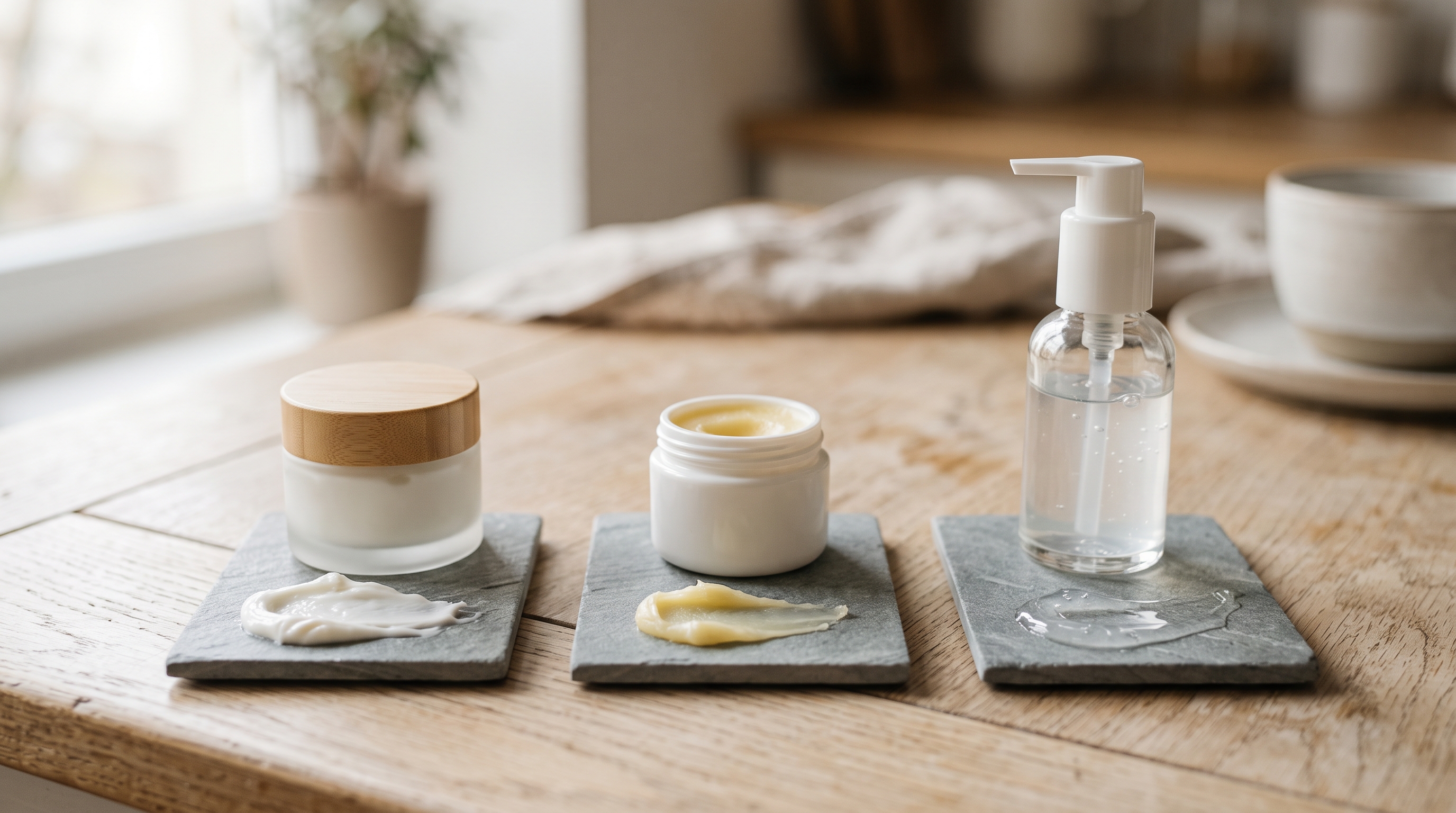
The best face moisturizer for dry skin combines humectants, emollients and occlusives. Here is what clinical evidence supports, and how to read a label.
Read article →
Choosing a face moisturizer for sensitive skin: what causes stinging, which label claims are meaningless, and the ingredients with real clinical evidence.
Read article →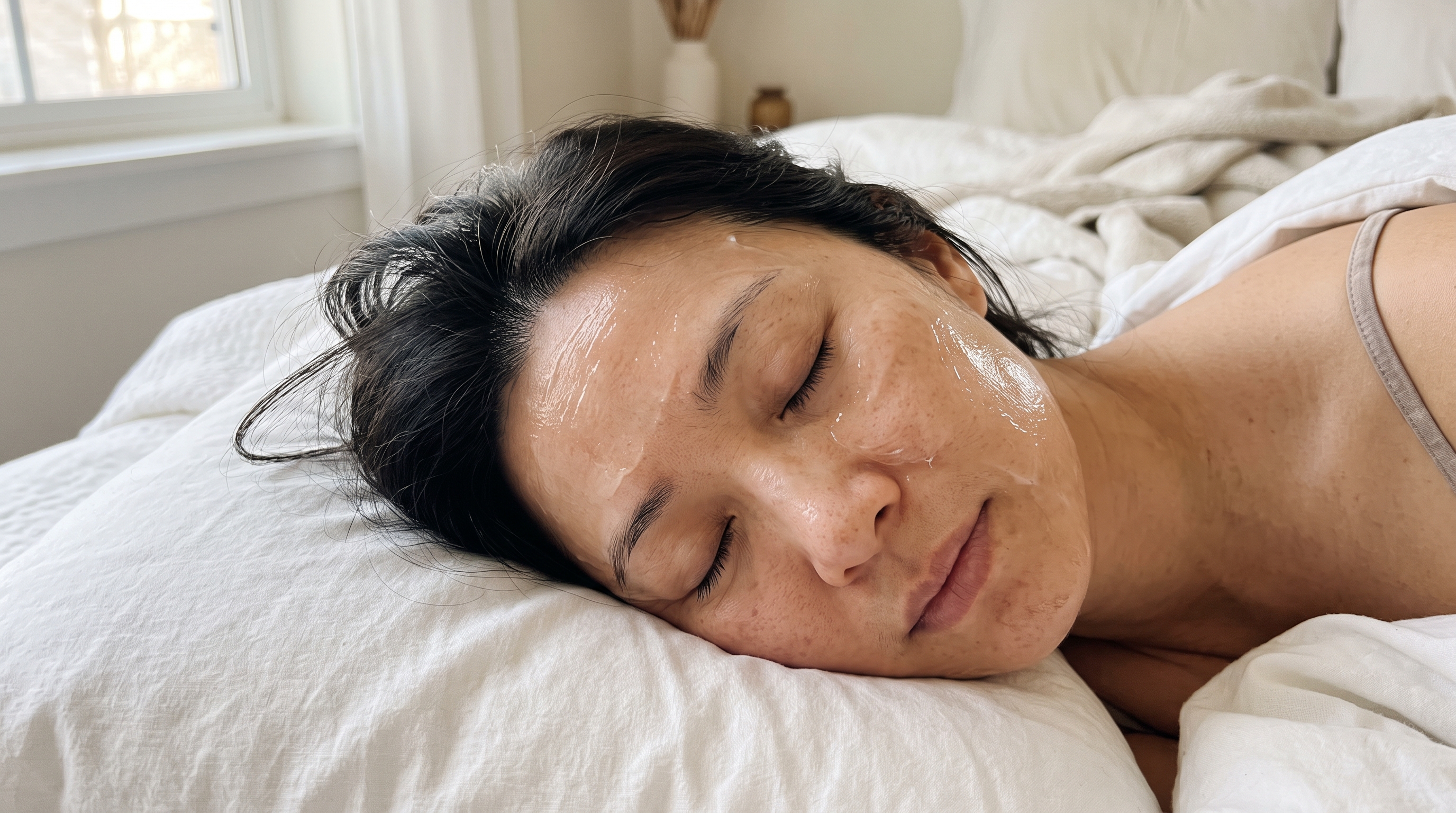
What an overnight face mask really does: the circadian evidence on nighttime water loss, what occlusion changes, and when a sleeping mask makes skin worse.
Read article →
Erbium laser resurfacing explained: compare ablative Er:YAG with nonablative erbium-glass, expected downtime, results, risks, and CO2 alternatives.
Read article →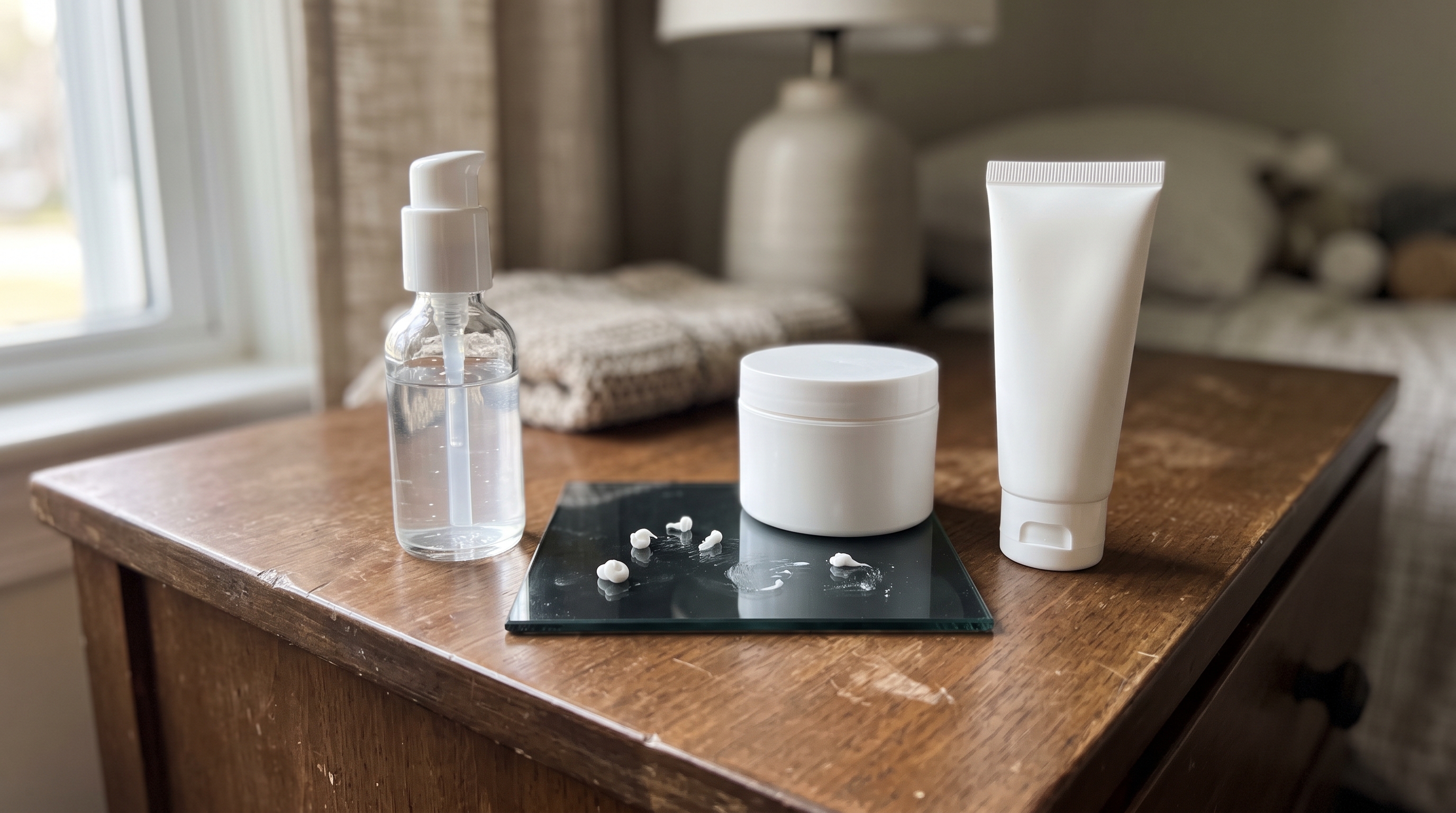
Why is my moisturizer pilling? Learn what makes skincare ball up, how hydration and rubbing affect it, and the exact test that finds the incompatible layer.
Read article →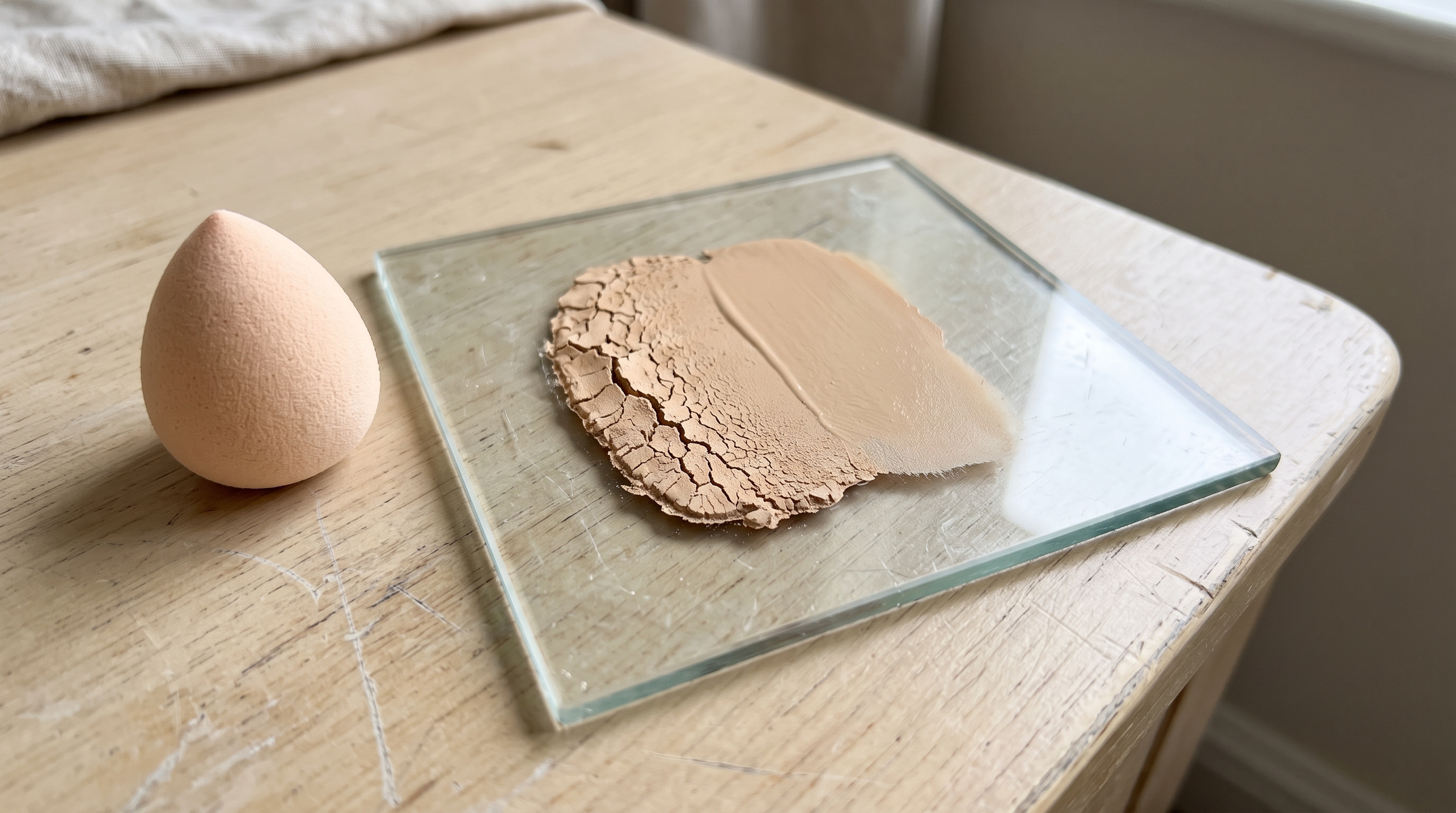
Why does my makeup look cakey? Diagnose dehydration, incompatible layers, excess product, and texture, then fix the cause without buying a new foundation.
Read article →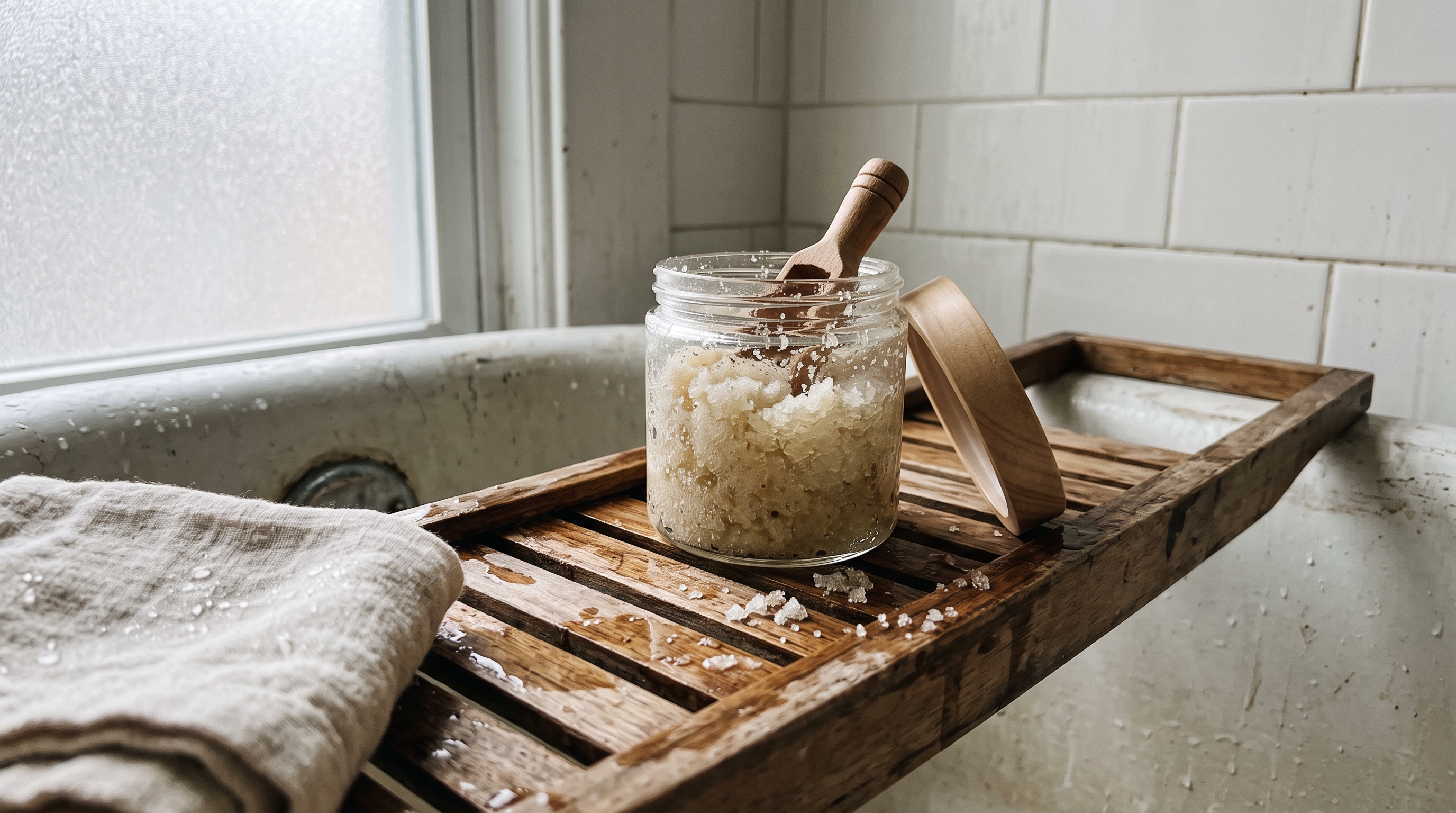
The best body scrub is usually not the grittiest one. What the evidence says about physical scrubs, chemical exfoliants, and aging body skin.
Read article →
The best lip balm for dry lips is decided by chemistry, not price. Why lips lose water three times faster than cheeks, and what to look for.
Read article →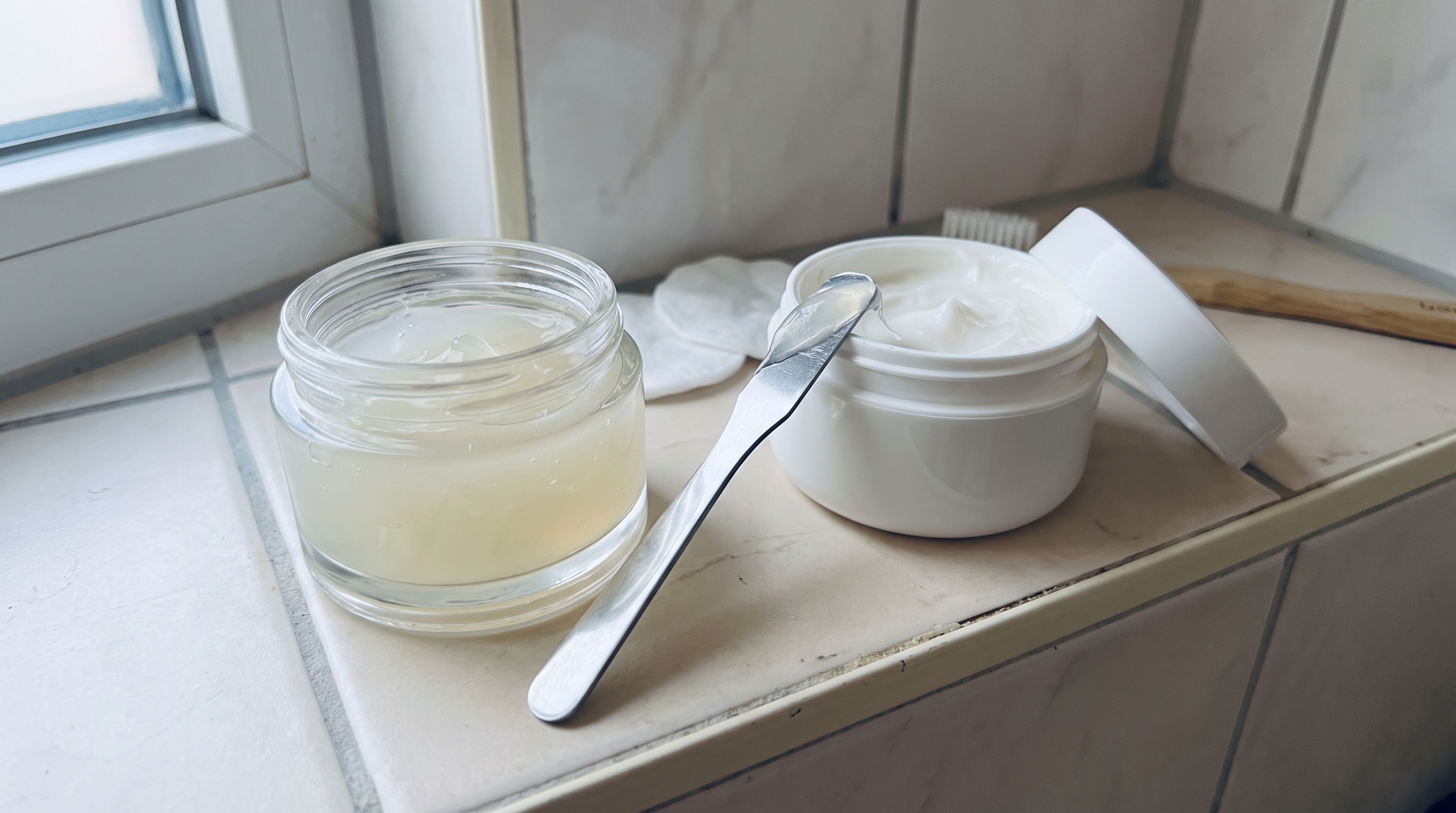
The best moisturizer for combination skin may be two moisturizers. What sebum mapping shows about the T-zone, the cheeks, and how to layer for both.
Read article →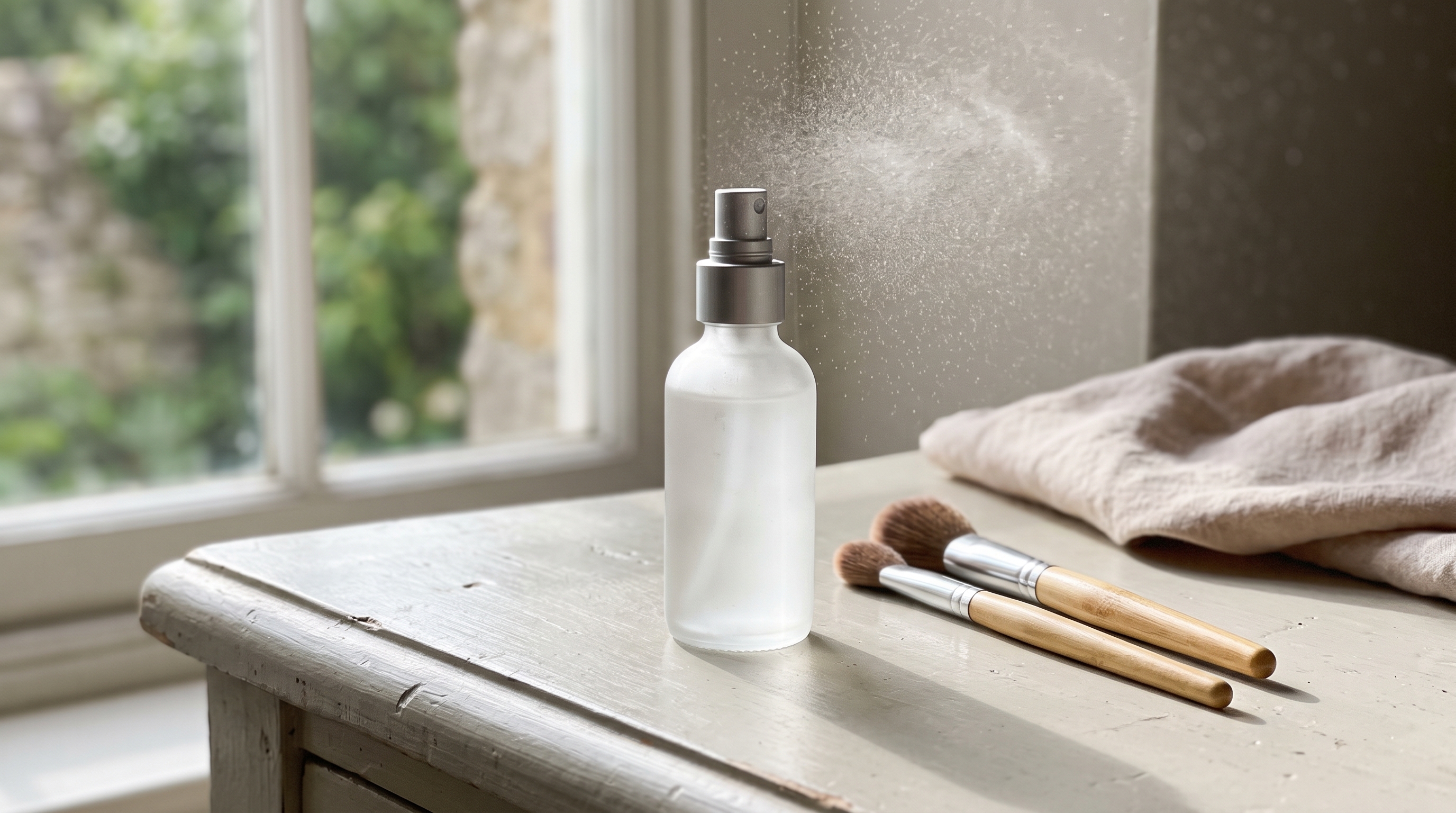
The best setting spray for mature skin is the one that forms a real film. Here's why makeup sinks into lines, and what a spray can and cannot fix.
Read article → 