Crepey Hands: Why They Happen and How to Firm Thin, Wrinkled Skin
Crepey hands come from collagen loss, elastin breakdown, and sun damage in thin skin. Here's what causes them and how to firm crepey hand skin.
Read article →
Written by the North Biomedical® team to provide thoroughly researched content on skincare science, anti-aging breakthroughs, and the latest advances in dermatological technology.
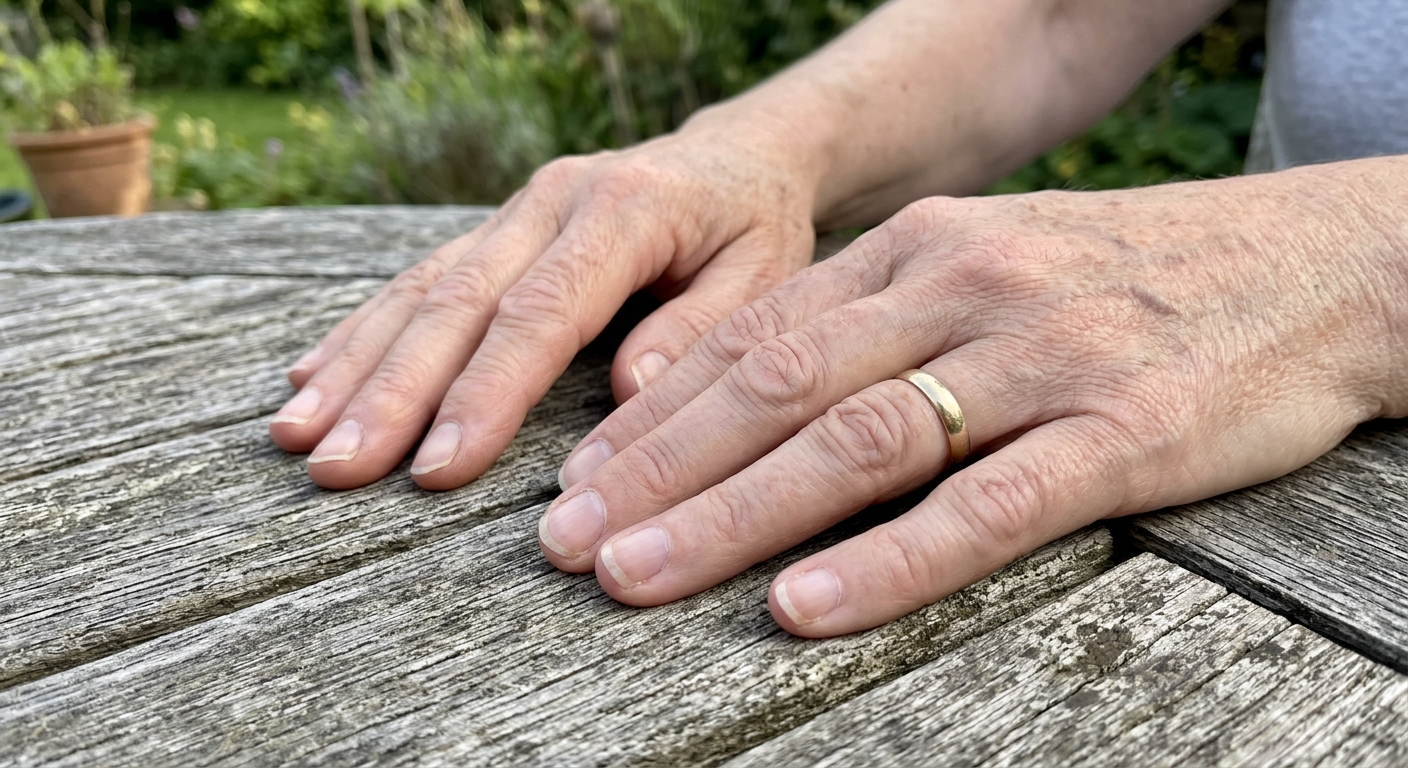
Crepey hands come from collagen loss, elastin breakdown, and sun damage in thin skin. Here's what causes them and how to firm crepey hand skin.
Read article →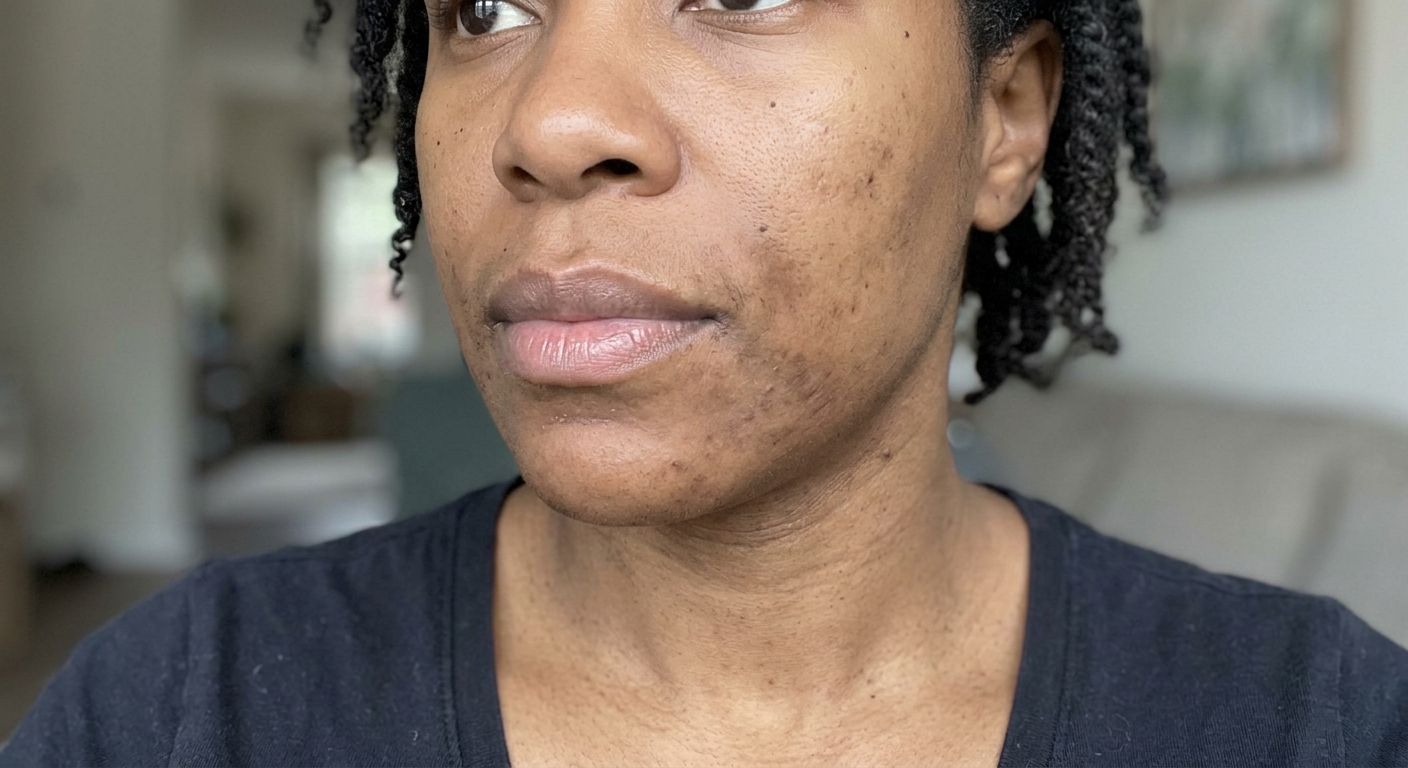
Hyperpigmentation around the mouth comes from inflammation, sun, and friction. Here's what causes the dark skin and how to fade it effectively.
Read article →
Best body lotion for aging skin: a science-backed ranking of retinol, peptides, ceramides, and AHAs that actually firm crepey body skin over 40.
Read article →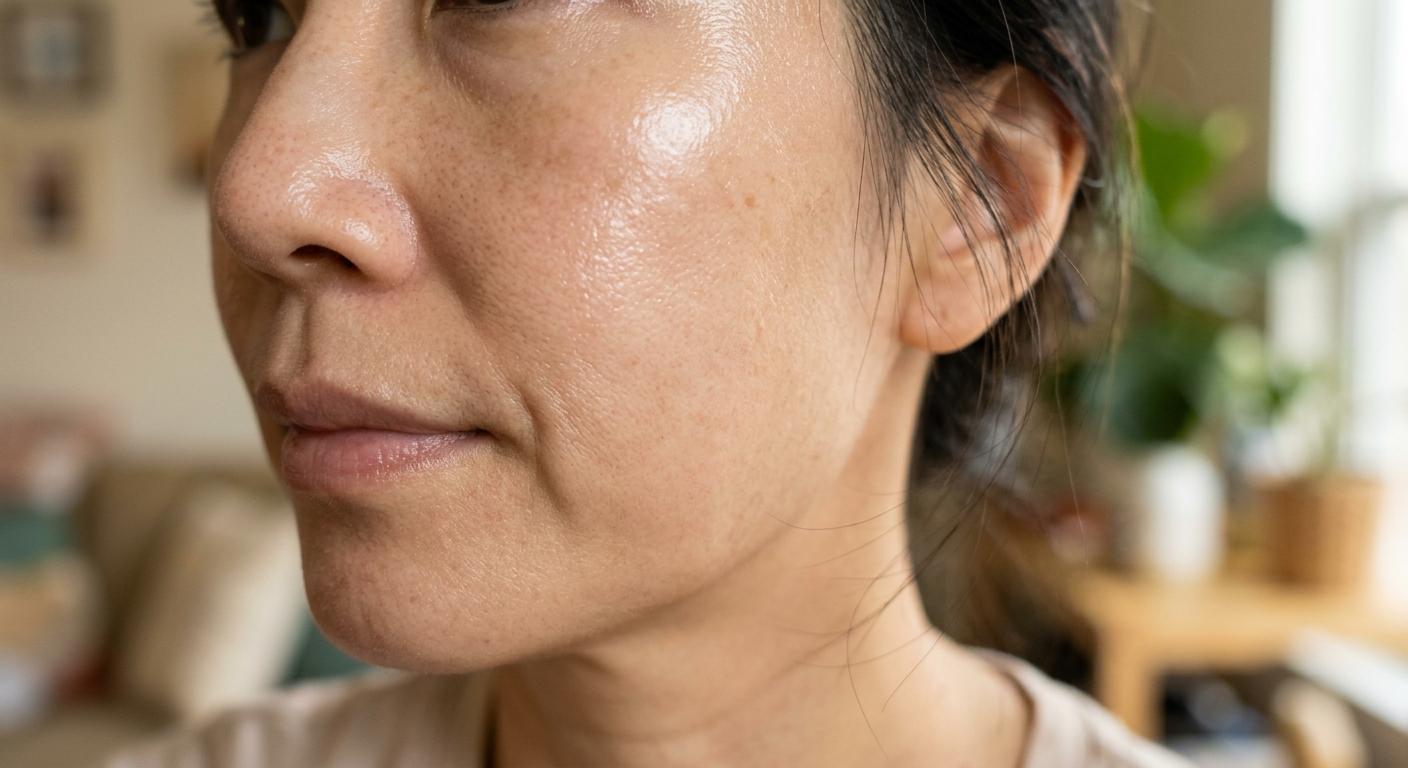
How to get glass skin over 40 with evidence: the Korean routine reframed around ceramides, hyaluronic acid, niacinamide, and retinol for mature skin.
Read article →
Tetrahexyldecyl ascorbate (THD ascorbate): the lipid-soluble vitamin C derivative explained — penetration, stability, collagen evidence, and why delivery matters.
Read article →
Downturned mouth corners are caused by DAO muscle overpull, fat compartment loss, and collagen decline. Here's the anatomy and what works to lift them.
Read article →
Lines under eyes when smiling are dynamic wrinkles. Here's the science of why they form, when they turn permanent, and what actually keeps that from happening.
Read article →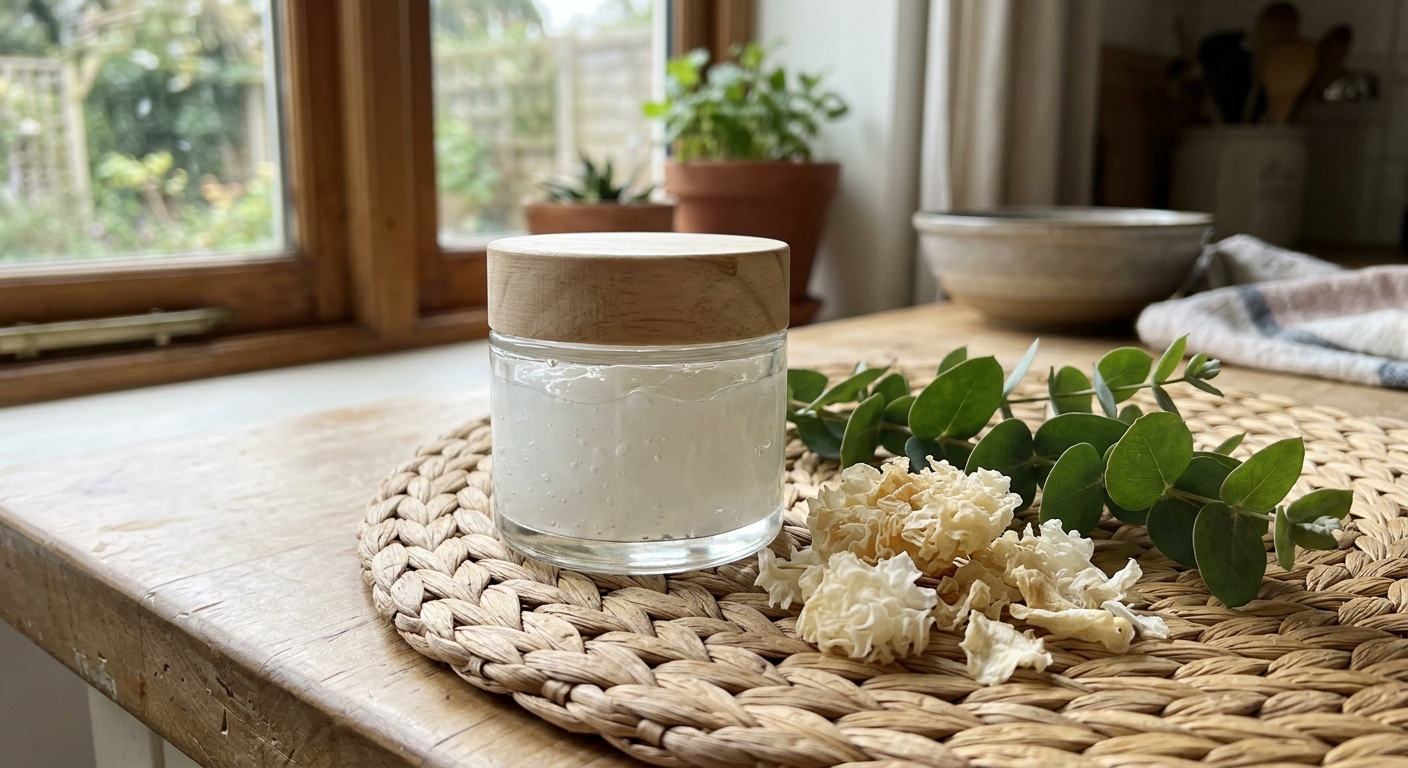
Snow mushroom (Tremella fuciformis) is a powerful natural humectant — but it's not a wrinkle treatment. Here's what the science supports and what it doesn't.
Read article →
Find a face wash for aging skin by cleanser type, pH, and barrier-friendly ingredients. Avoid the cleansing mistakes that worsen dryness and active irritation.
Read article →
Polypodium leucotomos is an oral fern extract studied as an adjunct for UV exposure and pigment disorders. Review trial evidence, dosing, safety, and limits.
Read article → 