How to Get Rid of Smile Lines: What Science Says About Nasolabial Folds
Smile lines deepen due to collagen loss, fat redistribution, and muscle movement. Learn what clinical research says actually works for nasolabial folds treatment.
Read article →
Written by the North Biomedical® team to provide thoroughly researched content on skincare science, anti-aging breakthroughs, and the latest advances in dermatological technology.

Smile lines deepen due to collagen loss, fat redistribution, and muscle movement. Learn what clinical research says actually works for nasolabial folds treatment.
Read article →
Peptides for skin stimulate collagen through distinct mechanisms. Learn the three classes of peptides, what clinical studies show, and how to pair them with retinol.
Read article →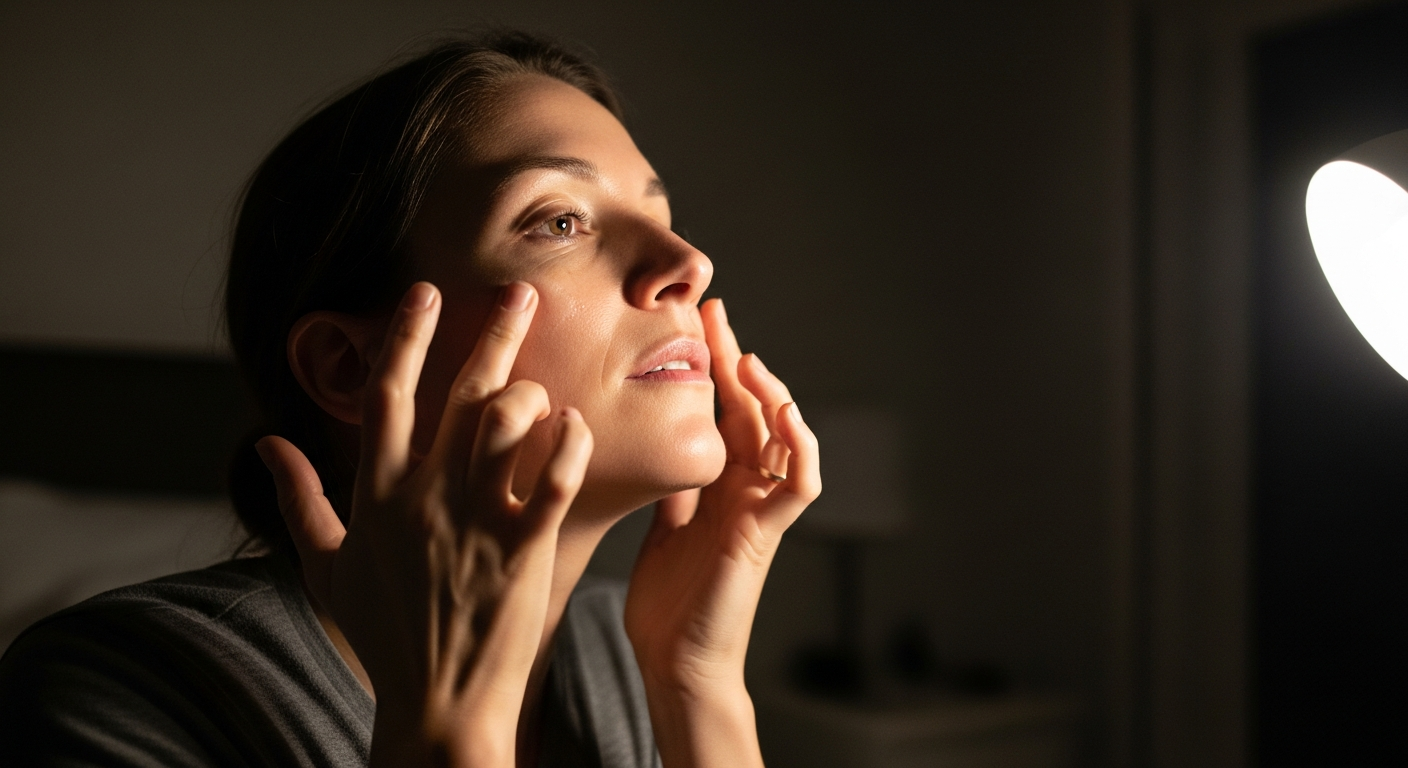
Circadian skincare times products around daily changes in skin function. Learn what is known about nighttime repair and how to schedule retinoids sensibly.
Read article →
Crepey skin on legs is caused by collagen loss, UV damage, and declining hyaluronic acid. Discover the best lotions and science-backed treatments that actually work.
Read article →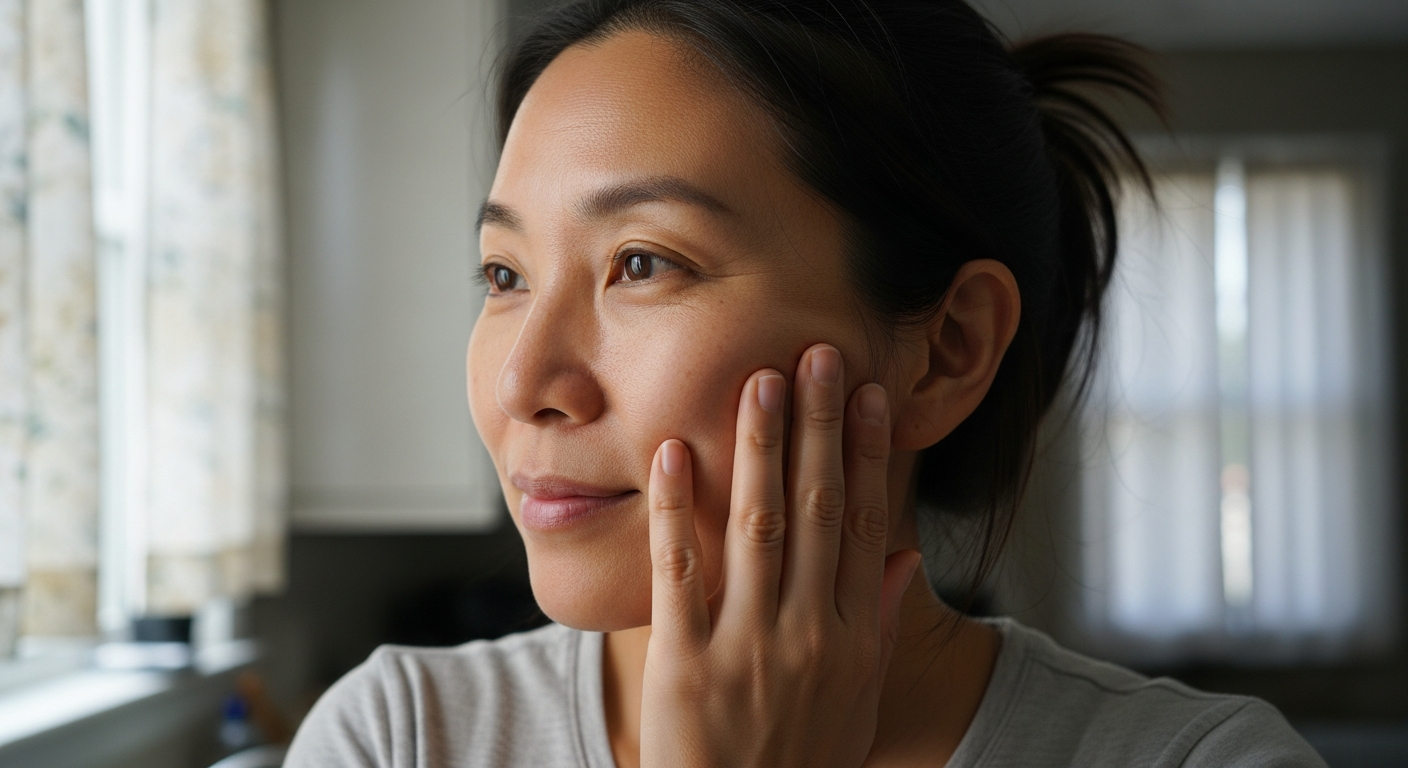
Sagging cheeks are caused by fat compartment descent, facial bone resorption, and collagen loss. Learn what the science says and which topical treatments can help.
Read article →
Milia under the eyes are tiny keratin cysts, not whiteheads. Learn common triggers, safe prevention, and why professional extraction is often the best option.
Read article →
Sebaceous hyperplasia causes enlarged yellowish bumps on the face — most common after 40. Learn what causes these oil gland bumps and which treatments actually work.
Read article →
Solar elastosis is UV-driven damage to elastic fibers that can make skin yellow, leathery, and deeply wrinkled. Learn prevention and evidence-based treatment.
Read article →
Beta glucan supports skin hydration, soothing, and barrier repair. Review the evidence, how it compares with hyaluronic acid, and how to use it in a routine.
Read article →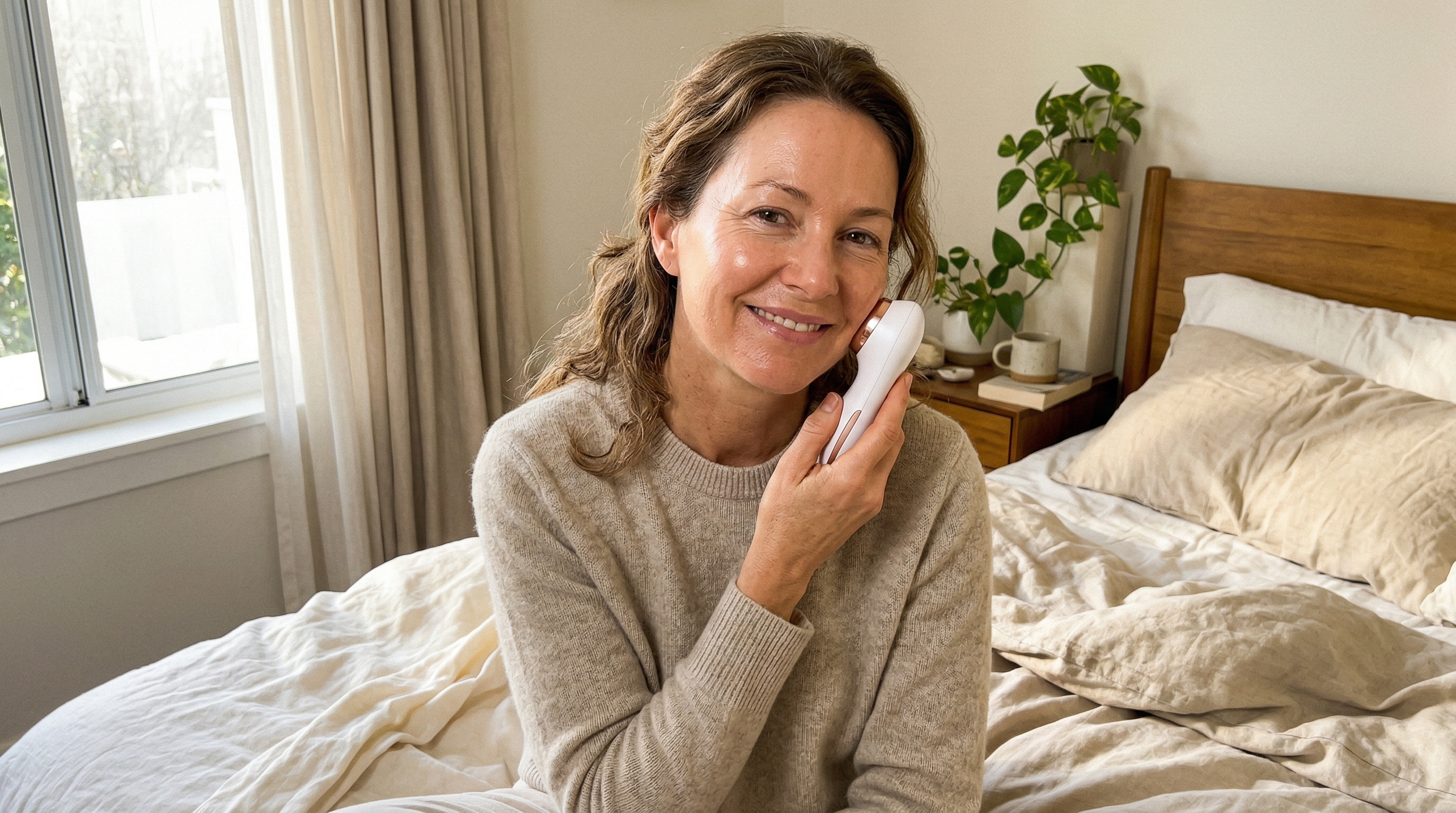
Microcurrent facials apply low-level electrical current to facial tissue. Review the mechanism, clinical evidence, temporary effects, safety, and device use.
Read article → 