Why Most Anti-Aging Night Creams Underdeliver—And What Works Instead
Most anti-aging night creams don't deliver results. Here's the science of what makes a night cream actually work—and the active ingredient you should look for.
Read article →
Written by the North Biomedical® team to provide thoroughly researched content on skincare science, anti-aging breakthroughs, and the latest advances in dermatological technology.
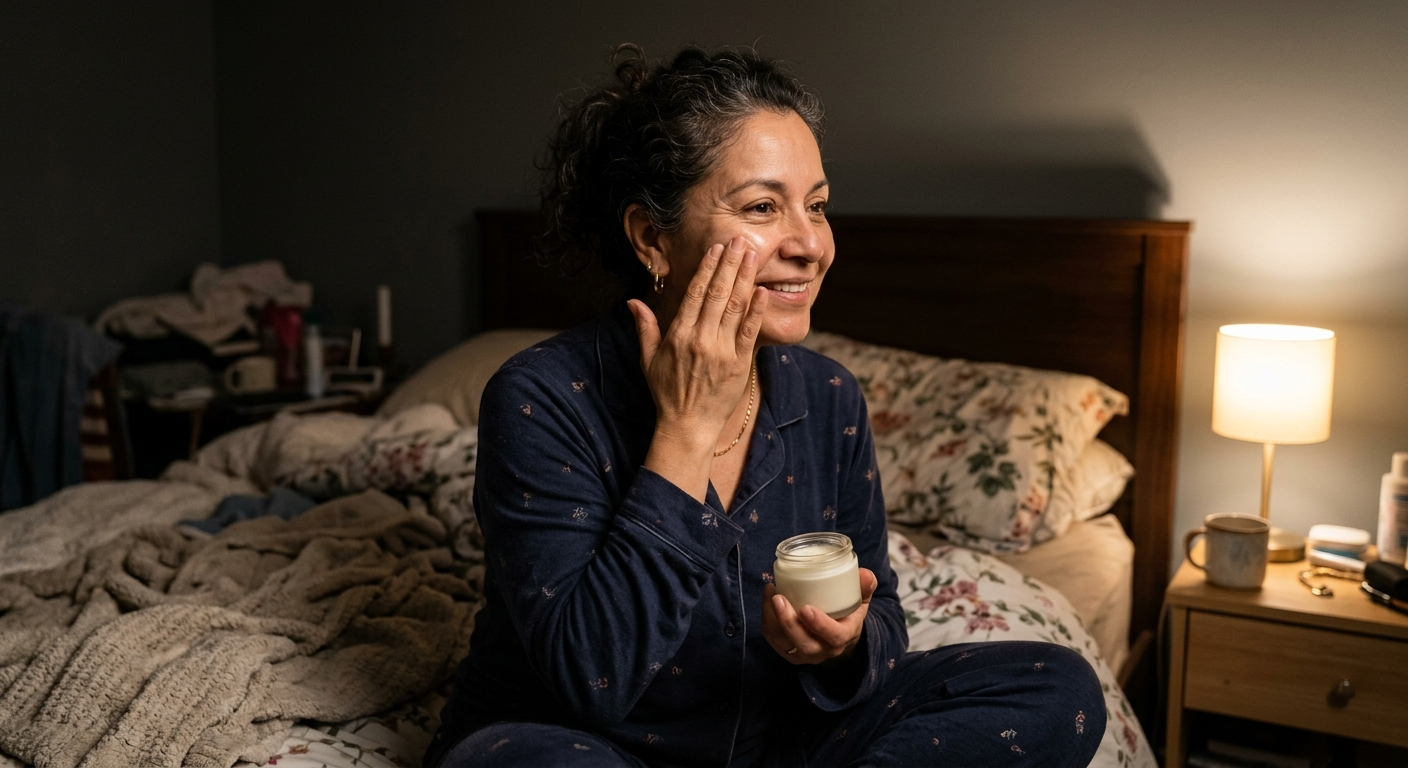
Most anti-aging night creams don't deliver results. Here's the science of what makes a night cream actually work—and the active ingredient you should look for.
Read article →
Inflammaging is the chronic low-grade inflammation that silently drives skin aging. Learn how it destroys collagen, what triggers it, and how to reduce it.
Read article →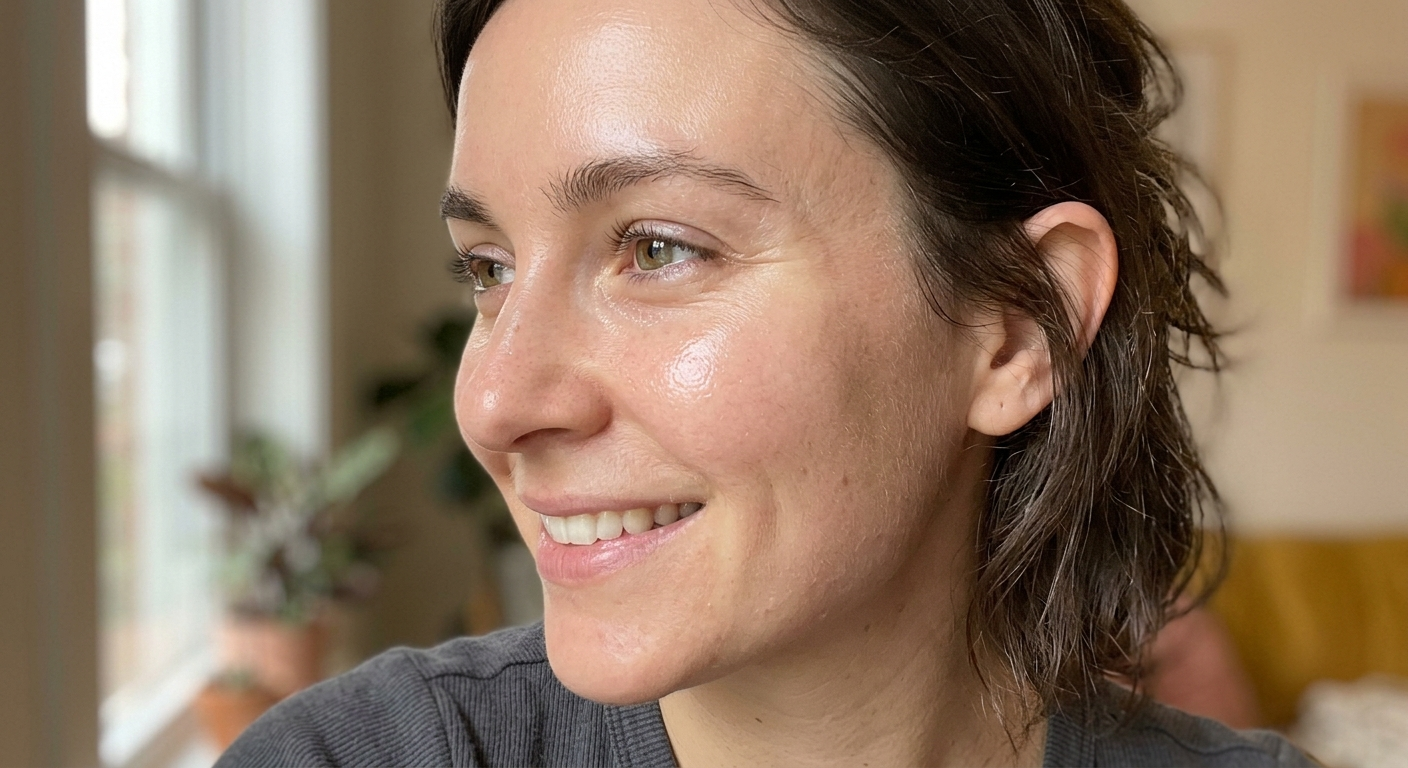
Polyglutamic acid holds 5x more water than hyaluronic acid and enhances your skin's natural moisture factors. Learn what the science says and how to layer it.
Read article →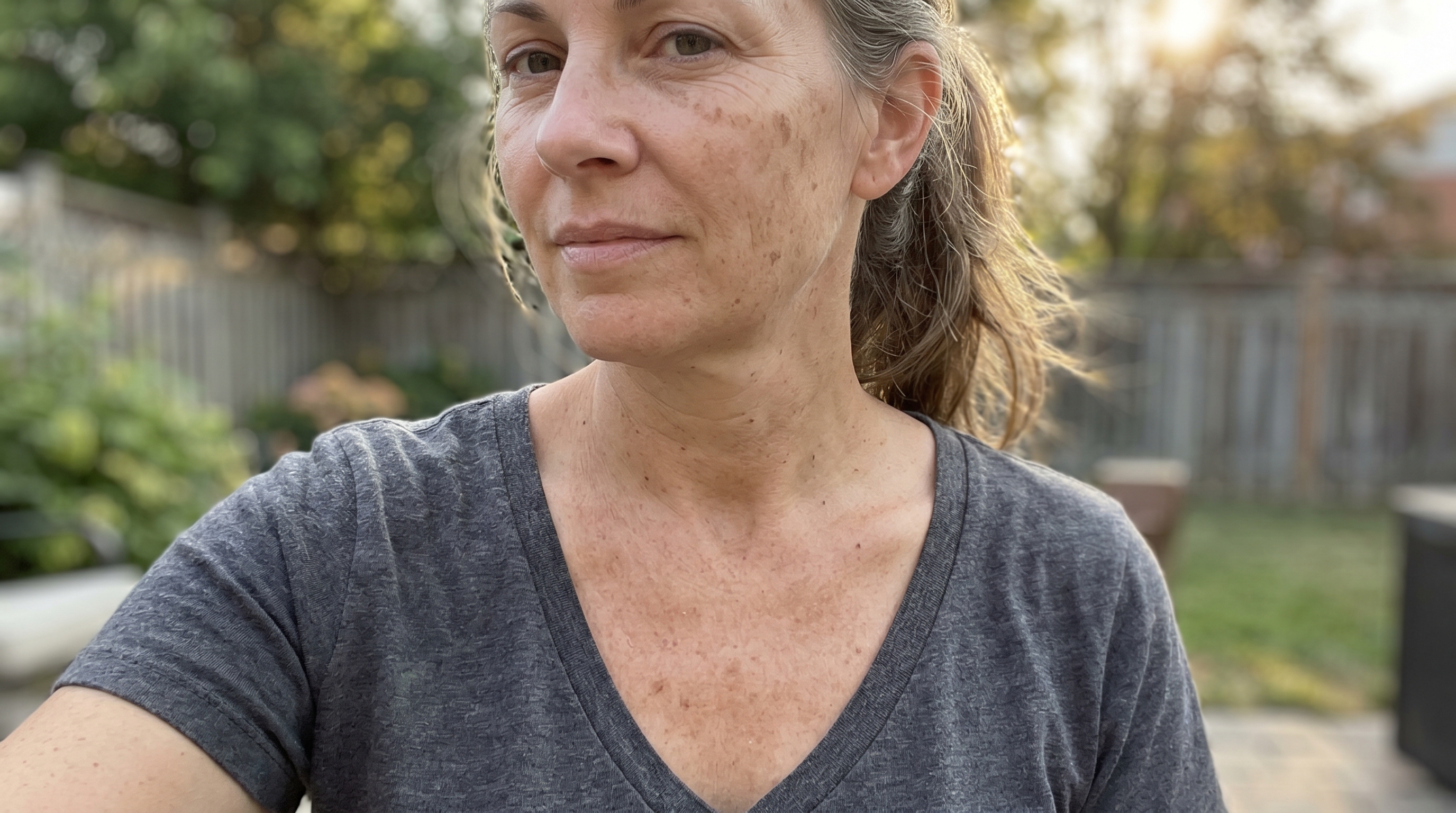
Dark spots on chest and décolletage are driven by decades of UV exposure on neglected skin. Learn the causes, clinical treatments, and proven topical ingredients.
Read article →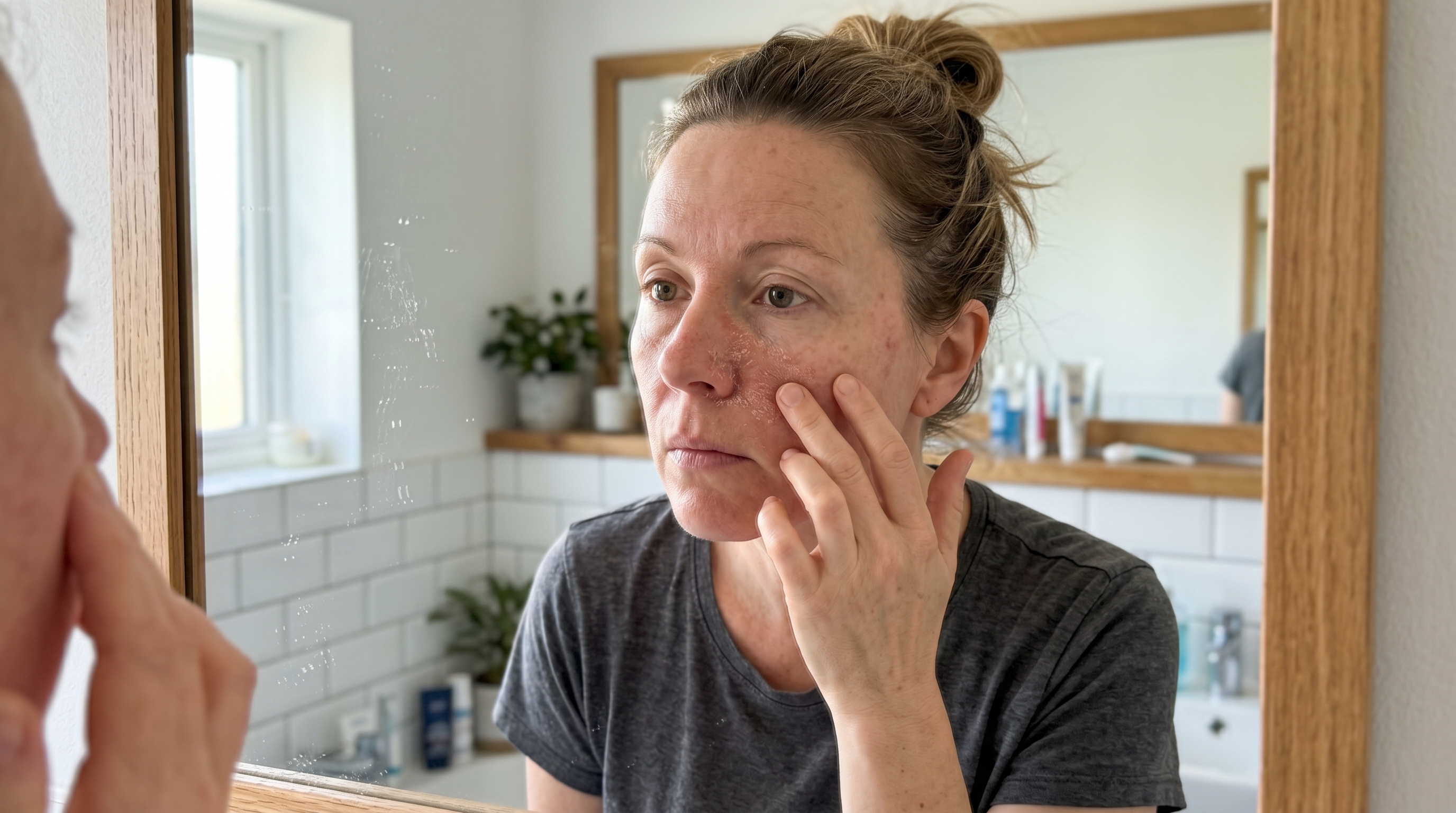
Dry flaky skin on face has specific biological causes beyond simple dehydration. Learn what drives facial flaking after 40 and which actives actually repair it.
Read article →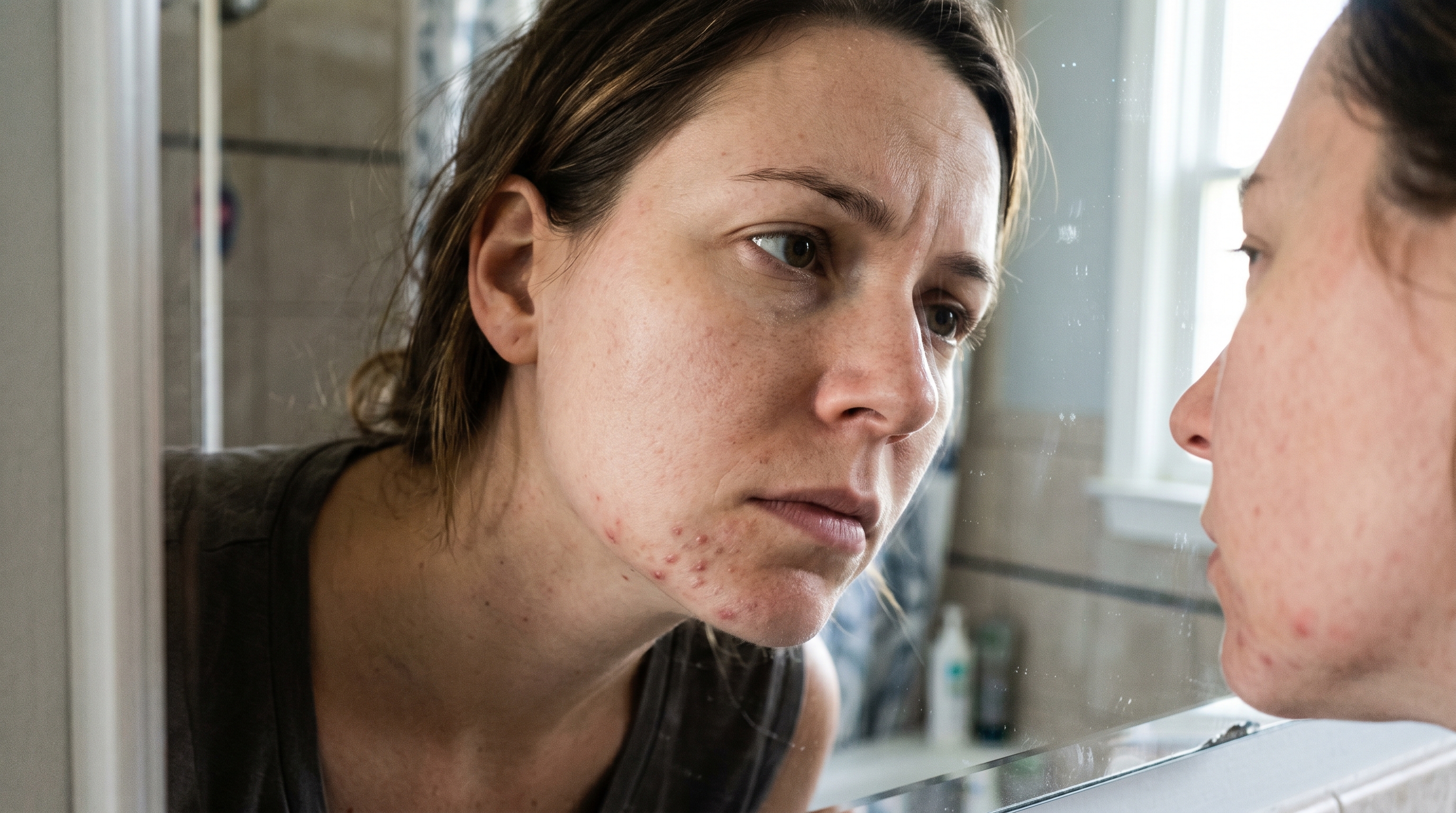
Skin purging vs breakout: learn the biological mechanism behind skin purging from retinol and AHAs, how to distinguish it from a bad reaction, and what to do.
Read article →
Crepey neck skin results from collagen loss, elastin degradation, and UV damage. Learn the science and which treatments actually rebuild the dermis.
Read article →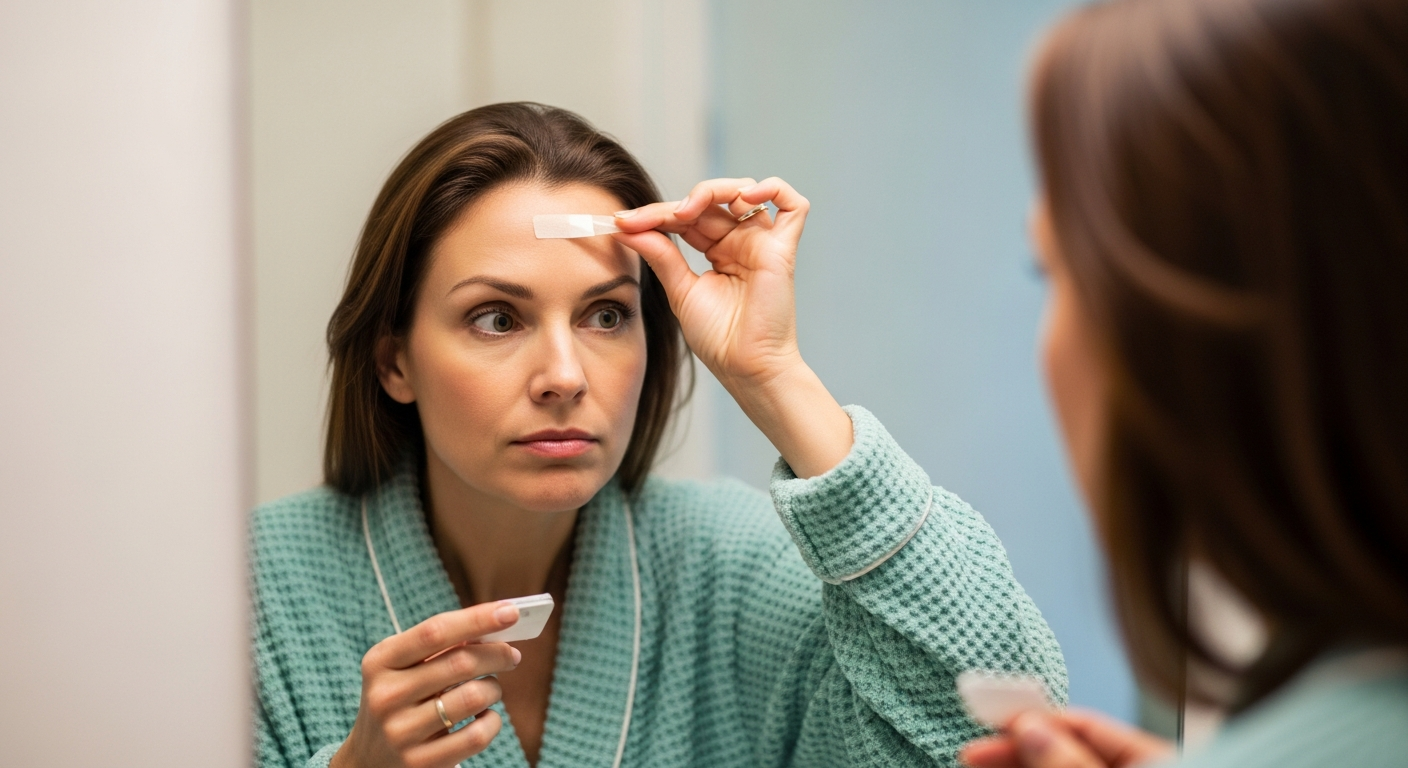
Face taping for wrinkles is a trending technique with almost no clinical evidence. Learn the real science of wrinkle formation and what actually rebuilds collagen.
Read article →
Perimenopause can bring dryness, sensitivity, acne, and faster collagen loss as hormones fluctuate. Learn what changes and which treatments have evidence.
Read article →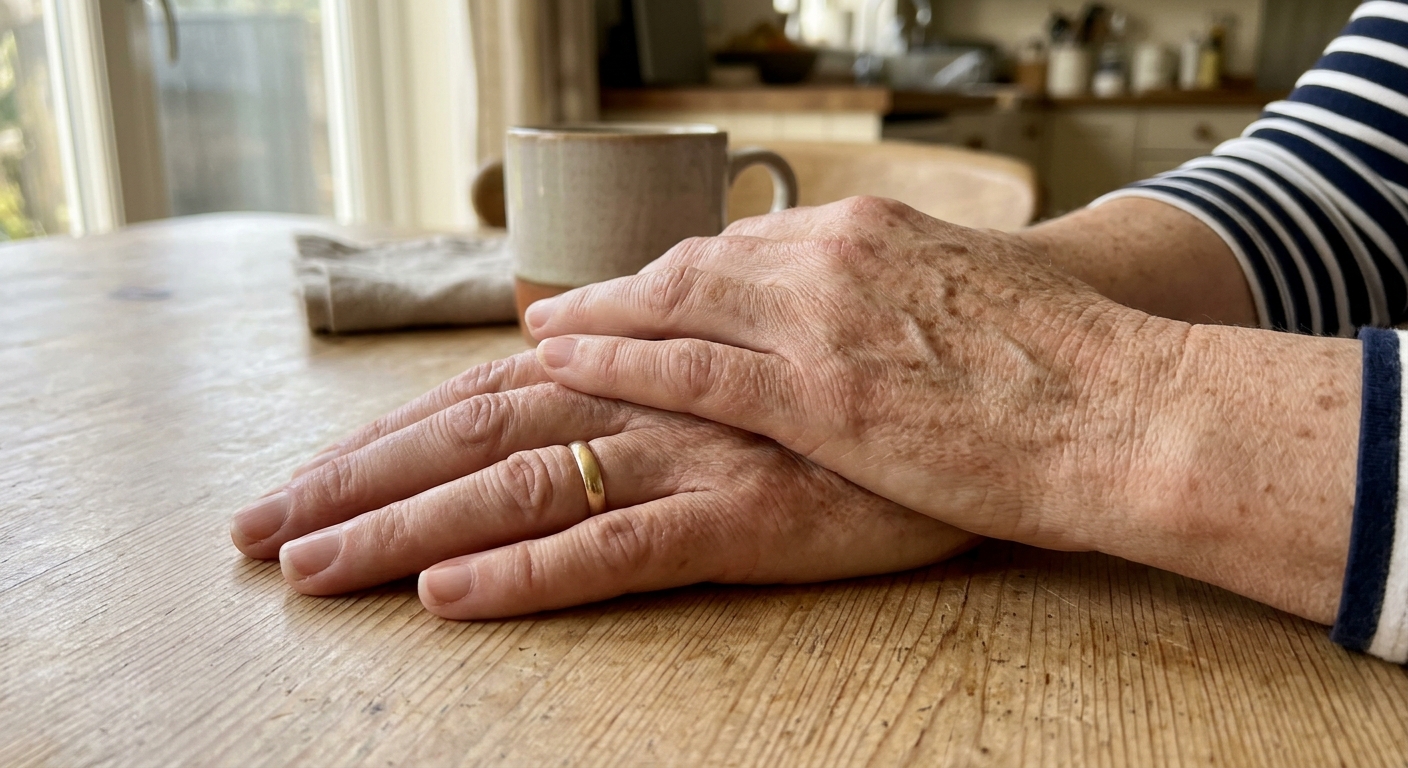
Age spots on face result from decades of UV exposure that permanently alter melanocytes. Learn what clinical research says about treatments that actually work.
Read article → 