Argireline for Skin: Does the 'Botox in a Bottle' Peptide Actually Work?
Argireline (acetyl hexapeptide-8) is sold as a topical Botox alternative. Here's what clinical trials show, where it works, and where it doesn't.
Read article →
Written by the North Biomedical® team to provide thoroughly researched content on skincare science, anti-aging breakthroughs, and the latest advances in dermatological technology.
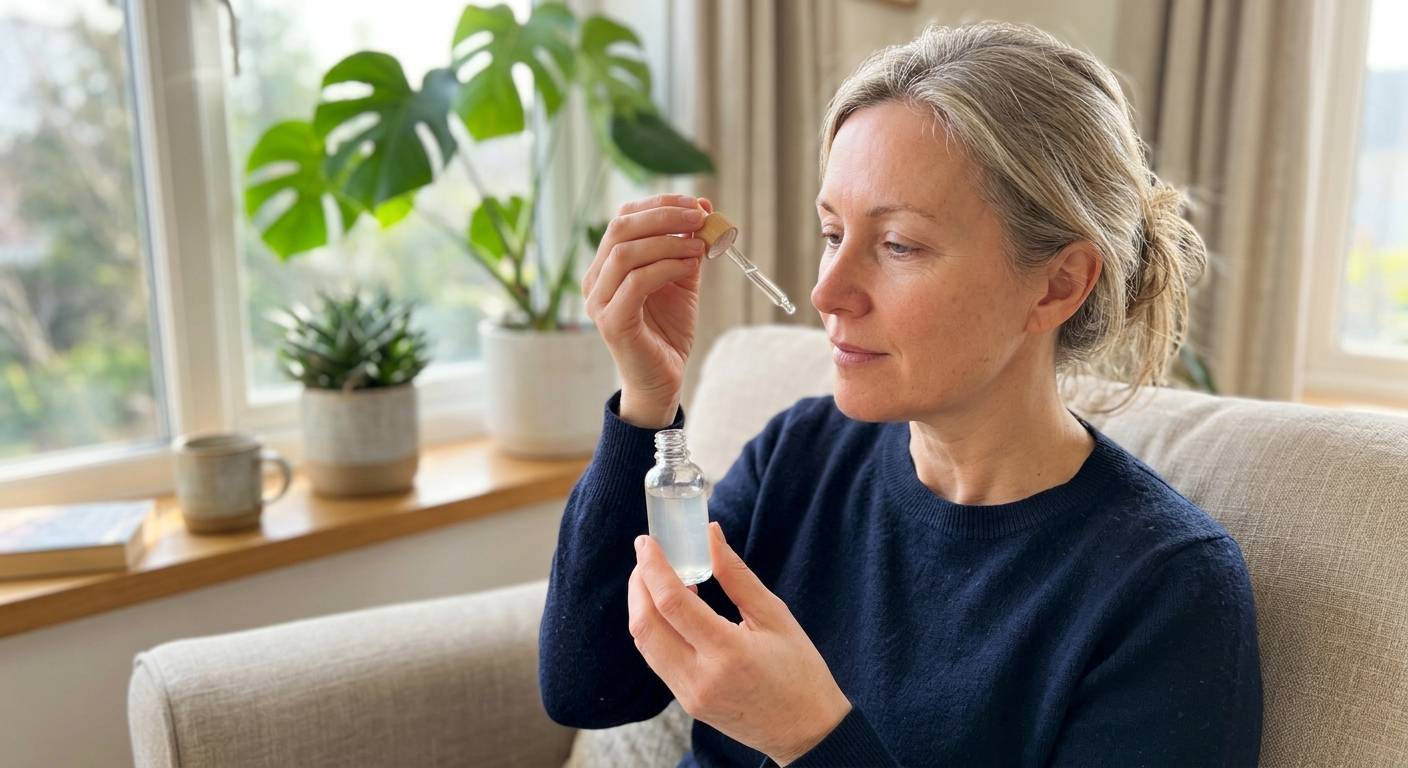
Argireline (acetyl hexapeptide-8) is sold as a topical Botox alternative. Here's what clinical trials show, where it works, and where it doesn't.
Read article →
Best face cream for sagging skin: the ingredients with real clinical evidence for firming loose skin, and the ones to ignore. Plus what to expect.
Read article →
Skin care products for women over 50 should target collagen loss, dryness, and dullness. Here's what the research supports and what to skip.
Read article →
Cheek wrinkles form when collagen loss and repeated muscle movement combine. Learn the science behind cheek lines and what topical ingredients actually work.
Read article →
Marine collagen supplements provide fish-derived peptides. Review trials on hydration and elasticity, effective doses, safety, sourcing, and realistic limitations.
Read article →
Tech neck wrinkles reflect repeated folding plus UV exposure and collagen loss in thin neck skin. Learn prevention and which topical or procedural treatments help.
Read article →
Elastin gives skin resilience and recoil. Learn how aging and UV exposure damage elastic fibers, what solar elastosis means, and which treatments have evidence.
Read article →
Sunscreen is essential for fading hyperpigmentation. Learn why UVA and visible light matter, when iron oxides help, and how to choose and apply daily protection.
Read article →
How to tighten neck skin with proven topical ingredients. Retinol, peptides, and firming actives that rebuild collagen and elastin in aging neck skin.
Read article →
Hydroquinone cream is the classic treatment for dark spots. Learn how it works, what the safety evidence says, and which alternatives the science now supports.
Read article → 