Skin Cell Turnover: Why It Slows After 40 and How to Speed It Up
Skin cell turnover slows significantly after 40. Learn what drives this change, why it matters for skin texture and brightness, and how retinol restores it.
Read article →
Written by the North Biomedical® team to provide thoroughly researched content on skincare science, anti-aging breakthroughs, and the latest advances in dermatological technology.

Skin cell turnover slows significantly after 40. Learn what drives this change, why it matters for skin texture and brightness, and how retinol restores it.
Read article →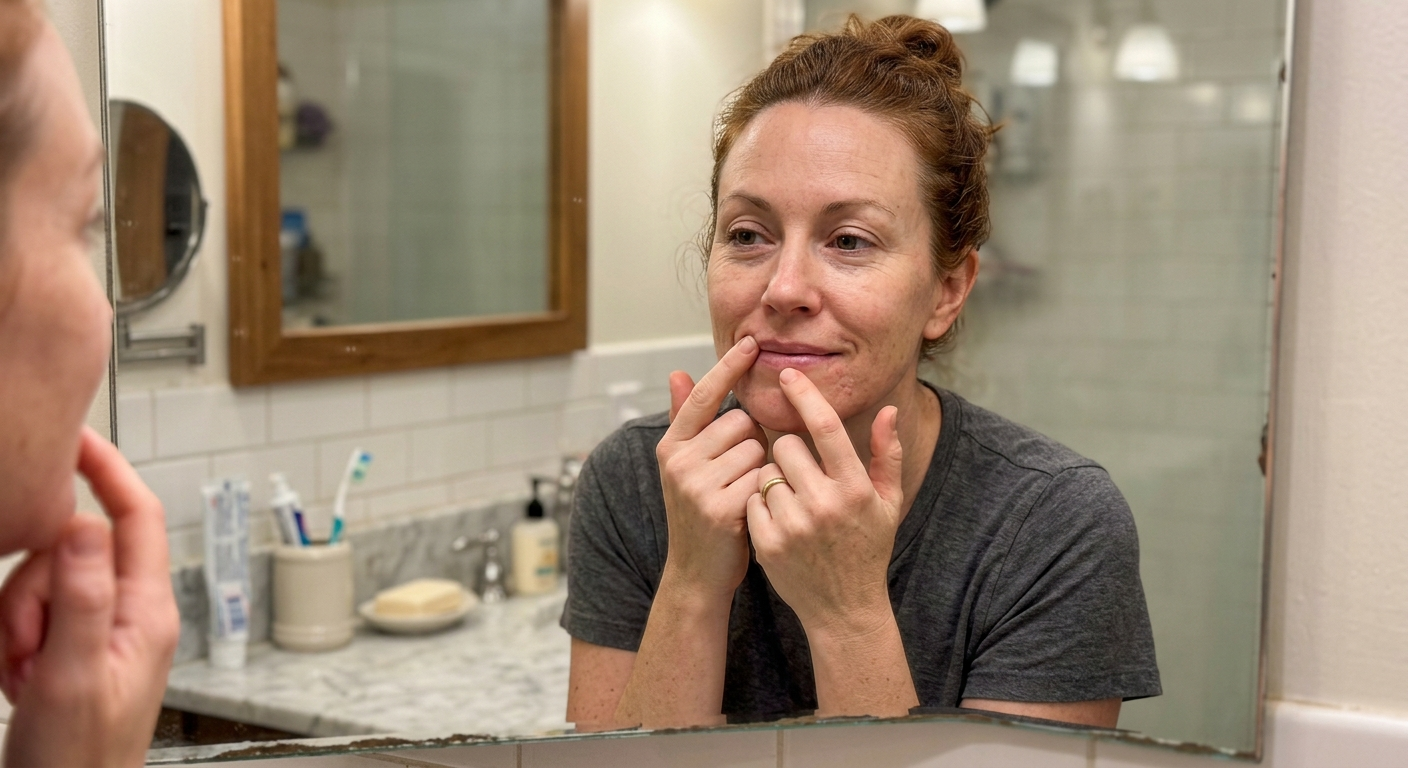
A dark upper lip is usually perioral melasma or sun-triggered hyperpigmentation. Learn the science and evidence-based treatment to fade it consistently.
Read article →
Sallow skin has two distinct causes: melanin irregularities and AGEs. Learn the science behind skin yellowing and the evidence-based routine that addresses both.
Read article →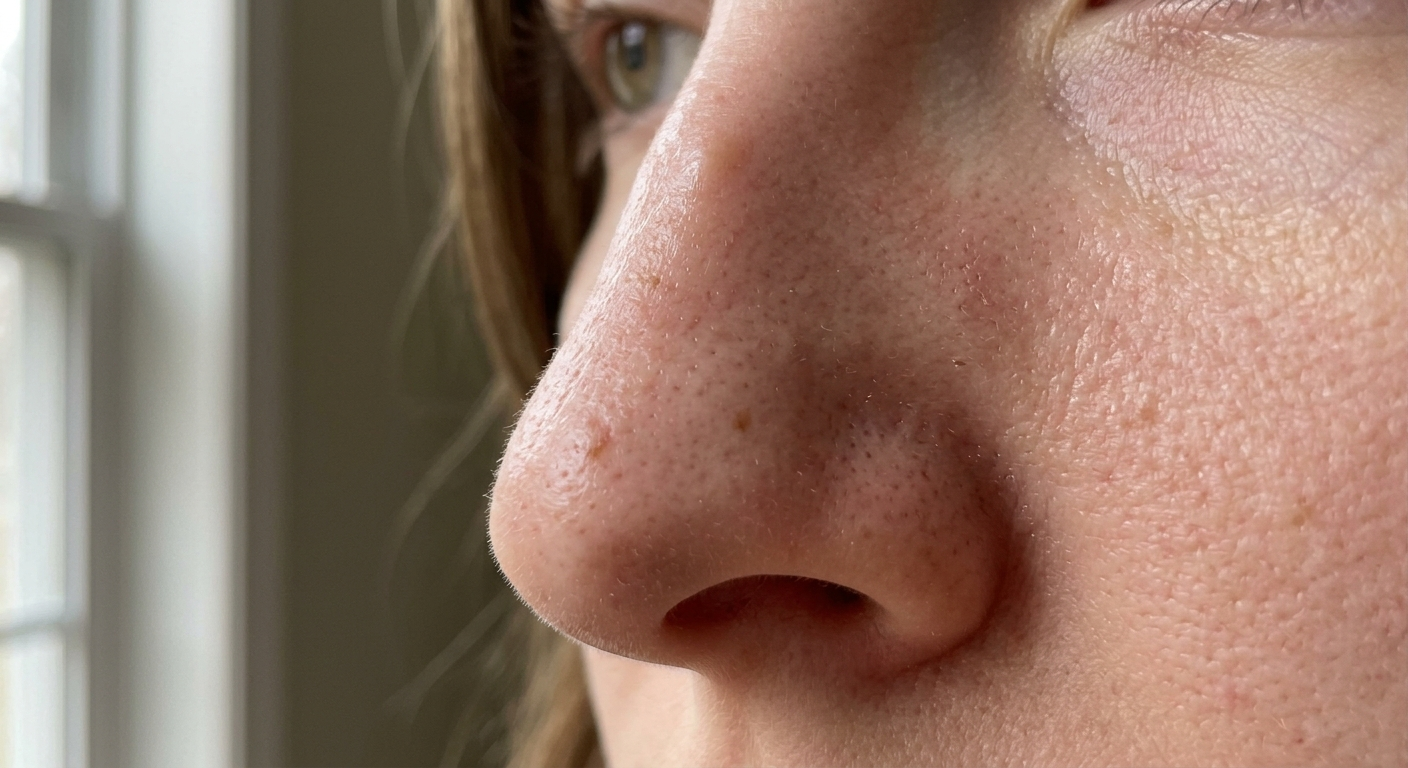
Sebaceous filaments are normal pore structures, not blackheads. Learn why they become visible and how salicylic acid, retinoids, and gentle cleansing minimize them.
Read article →
Dark neck skin can result from UV damage, friction, hormones, or eczema. Learn the science behind neck hyperpigmentation and which treatments work for each type.
Read article →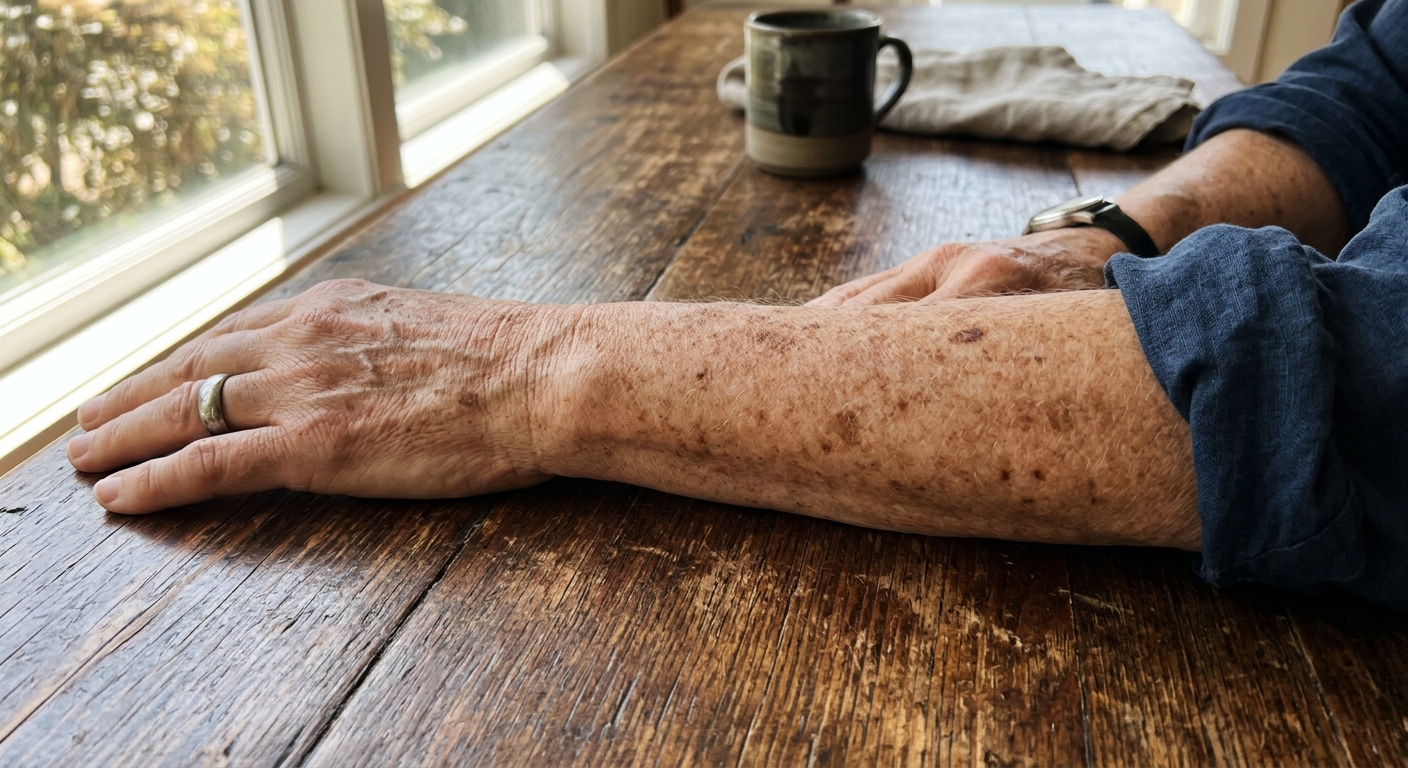
Dark spots on arms are often UV-related solar lentigines. Learn how to distinguish common causes, which treatments can fade them, and how to prevent more.
Read article →
Milia on the face are small keratin-filled cysts, not acne. Learn why they form, what not to do, and which at-home or professional treatments can clear them.
Read article →
Compare mineral and chemical sunscreen by UV filters, protection, skin feel, sensitivity, and use with retinoids. The best choice is one you apply correctly.
Read article →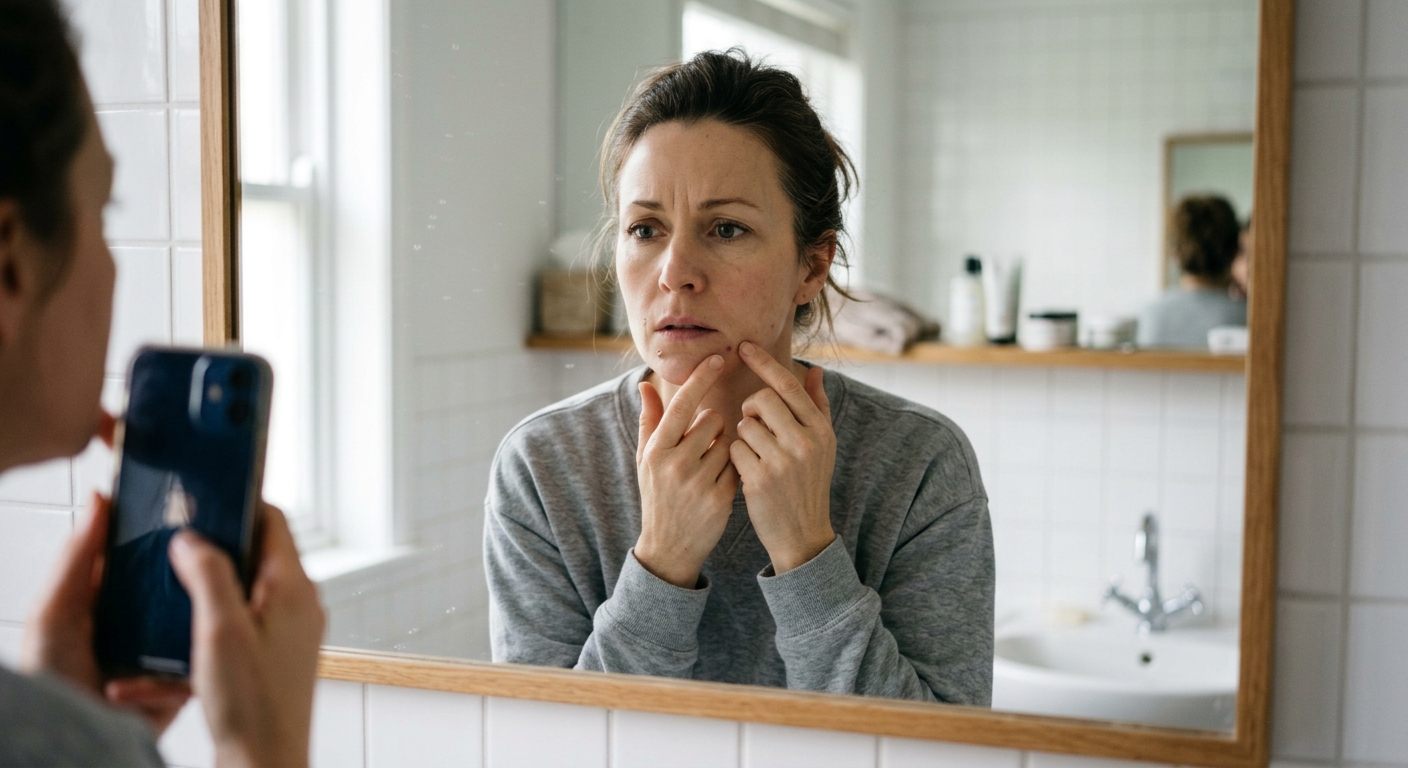
Perioral dermatitis causes a recurring rash around the mouth and may be worsened by topical steroids or heavy products. Learn triggers and evidence-based treatment.
Read article →
White spots on skin can have several causes, from idiopathic guttate hypomelanosis to vitiligo or infection. Learn key clues and when to see a dermatologist.
Read article →