Retinol and Niacinamide: The Science Behind Skincare's Best Combination
Can you use retinol and niacinamide together? Yes — and the science shows they're better together. Learn how they complement each other for anti-aging results.
Read article →
Written by the North Biomedical® team to provide thoroughly researched content on skincare science, anti-aging breakthroughs, and the latest advances in dermatological technology.
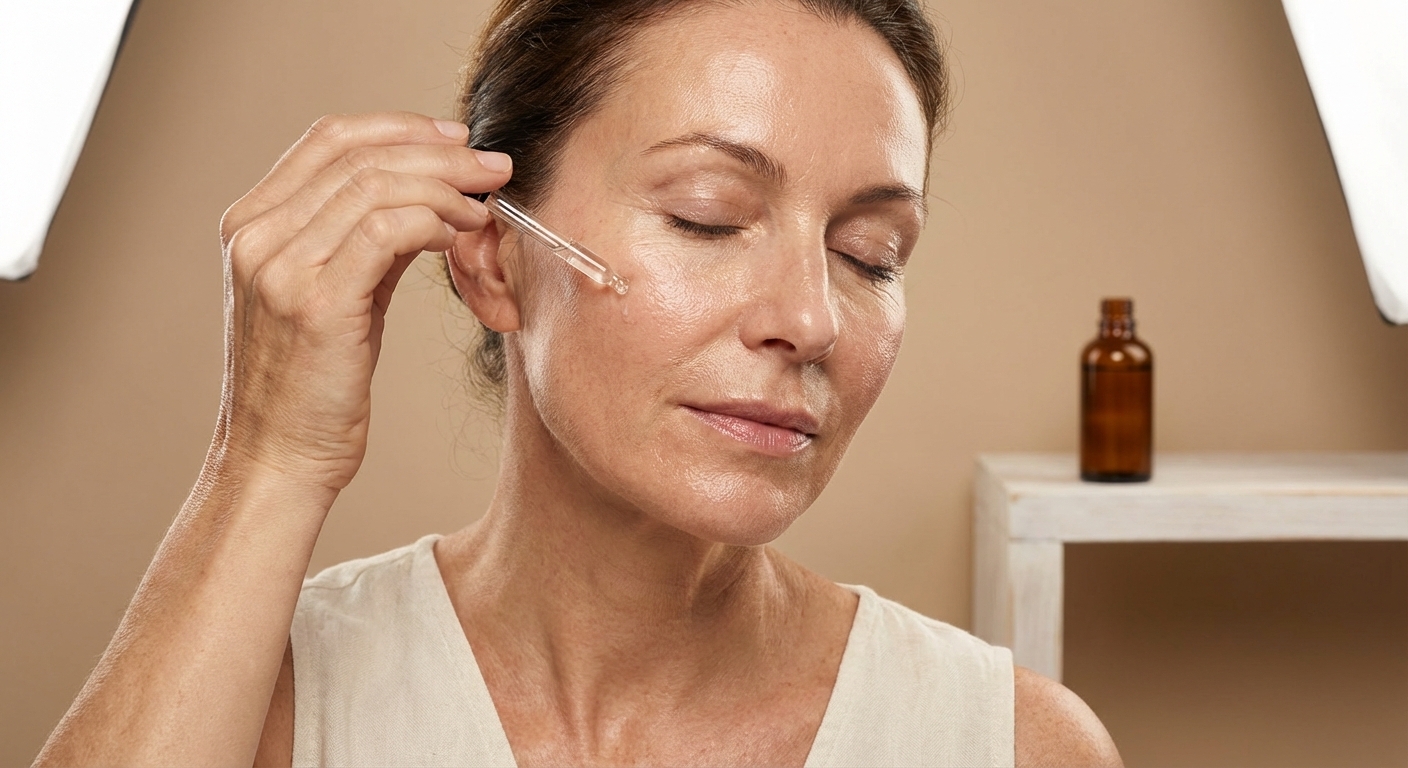
Can you use retinol and niacinamide together? Yes — and the science shows they're better together. Learn how they complement each other for anti-aging results.
Read article →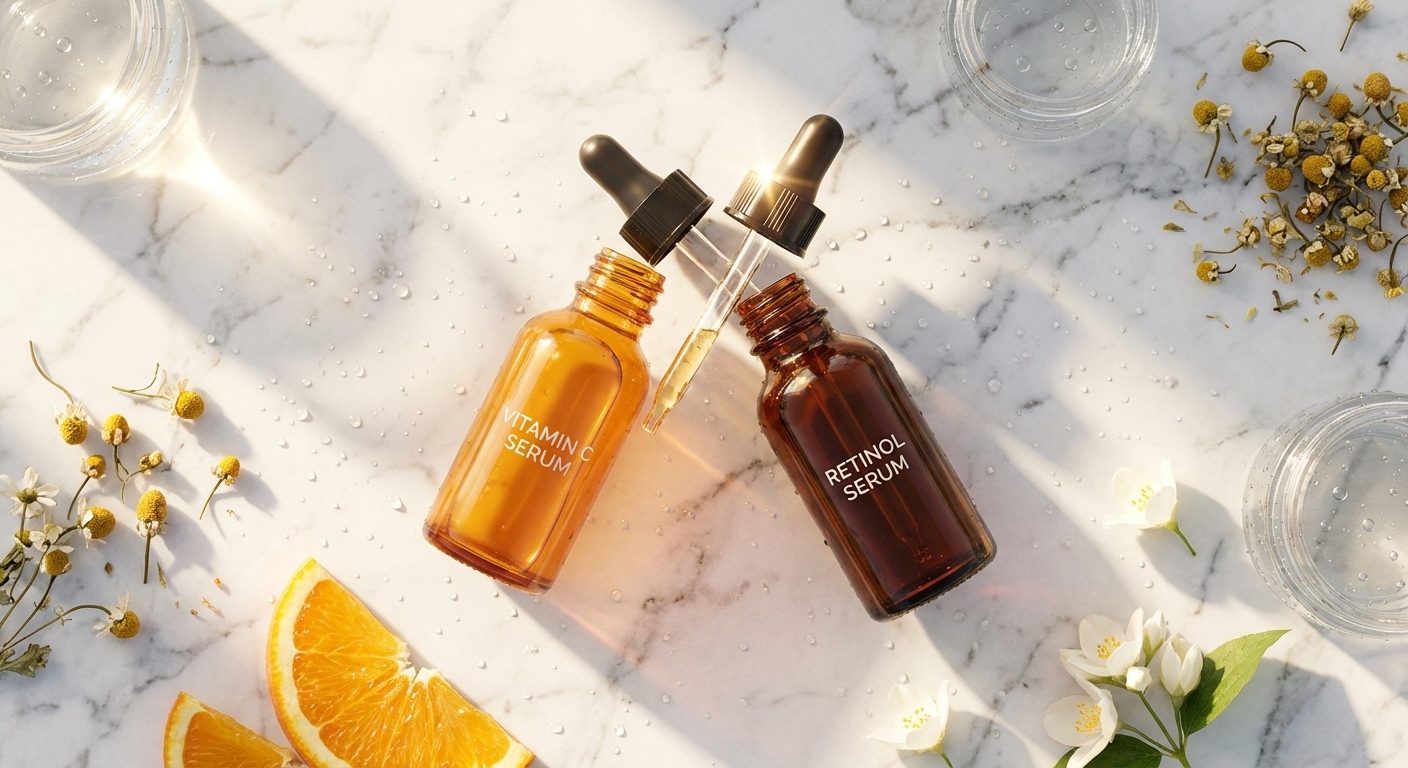
Can you use retinol and vitamin C together? Learn the science behind layering these powerhouse ingredients and the best strategies for your routine.
Read article →
Should you use retinol every night? A science-based guide to retinol frequency, building tolerance, and finding the schedule that works for your skin.
Read article →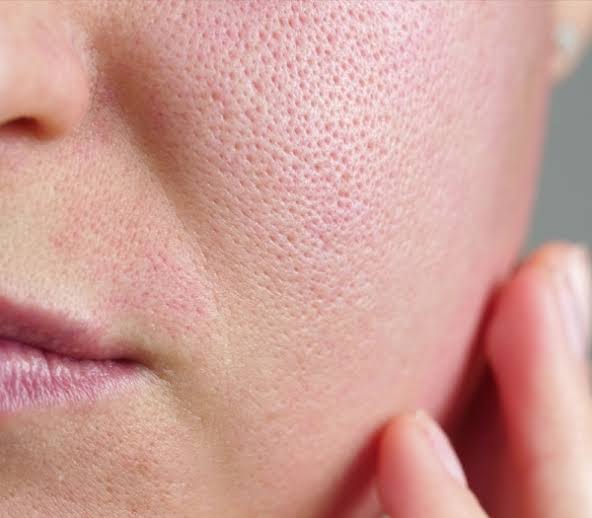
Will retinol shrink pores? It cannot change pore structure, but it may reduce buildup, oiliness, and surrounding slack. See realistic timelines and limits.
Read article →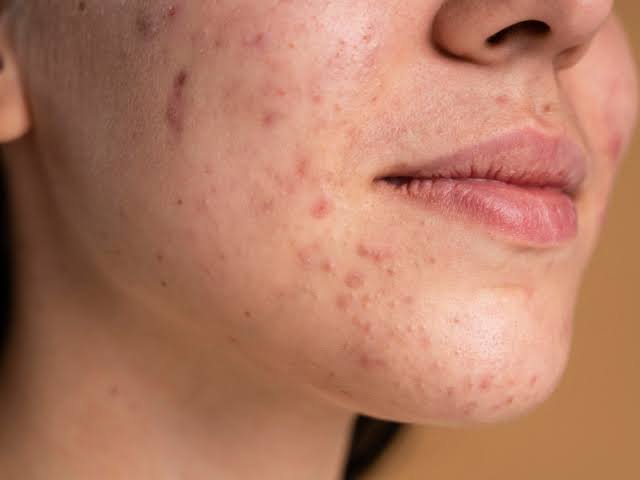
Retinol can temporarily disrupt the skin barrier during adjustment. Learn to distinguish expected retinization from damage and build a barrier-supportive routine.
Read article →
Can you use retinol and peptides together? Learn how they complement each other, which peptides pair best with retinol, and how to layer them for maximum results.
Read article →
Choose a retinol percentage based on tolerance, not strength alone. Compare 0.1%, 0.3%, 0.5% and 1%, plus why formulation and consistency matter.
Read article →
Does retinol reduce wrinkles? We review the clinical trials and peer-reviewed evidence behind retinol's anti-wrinkle effects, and what actually makes it work.
Read article →
How long does retinol take to work? A dermatologist-level timeline from week 1 to month 6, based on clinical trials. Learn what to expect and when.
Read article →
Retinol vs retinal (retinaldehyde): learn the scientific differences, clinical evidence, conversion pathways, and which form of vitamin A is right for your skin.
Read article →