Chin Wrinkles: Why That Cobblestone Texture Appears and How to Smooth It
Chin wrinkles come from the mentalis muscle, dermal collagen loss, and dehydration. Learn the science and the topical strategy that actually works.
Read article →
Written by the North Biomedical® team to provide thoroughly researched content on skincare science, anti-aging breakthroughs, and the latest advances in dermatological technology.

Chin wrinkles come from the mentalis muscle, dermal collagen loss, and dehydration. Learn the science and the topical strategy that actually works.
Read article →
Dark inner thighs are usually post-inflammatory hyperpigmentation from friction. Learn the cause and the evidence-based fade routine.
Read article →
Phytoceramides rebuild the skin barrier from the inside. Learn the science, the clinical trials, and how they fit alongside topical retinol.
Read article →
Manuka honey is best supported for wound care and antimicrobial activity. Review evidence for barrier support, irritation risks, product quality, and skincare use.
Read article →
Marula oil is an emollient rich in oleic acid and antioxidants. See what it can do for dryness and barrier comfort, how it compares with argan, and its limits.
Read article →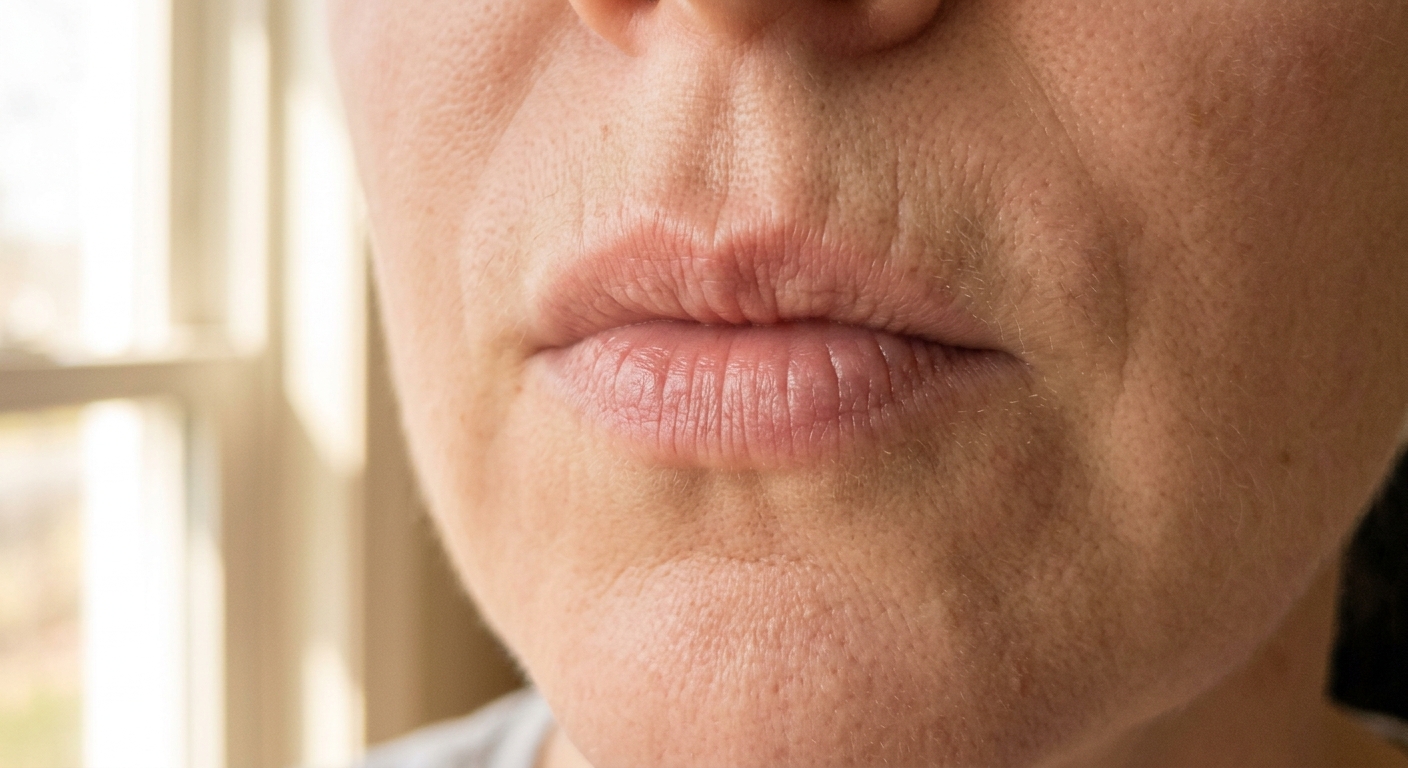
Lips can thin with age as collagen, muscle, fat, teeth, and bone change. Compare moisturizers, lip treatments, fillers, and other options for restoring definition.
Read article →
Bunny lines are dynamic wrinkles that form across the nose from repeated muscle movement. Here's the anatomy, the photoaging science, and what works.
Read article →
Festoons (malar mounds) are sagging pouches on the upper cheek caused by skin laxity, lymphatic congestion, and collagen loss. Here's what works.
Read article →
Glycerin is one of the most studied humectants in dermatology. Learn how it hydrates aging skin, why it outperforms hyaluronic acid in some studies, and its limits.
Read article →
Loose skin after weight loss is caused by histological changes in collagen and elastin, not just a lack of fat underneath. Here's what helps and what doesn't.
Read article → 