Zinc for Skin: How This Mineral Fights Acne and Supports Skin Health
Learn how zinc fights acne, reduces inflammation, and supports skin healing. Science-backed guide to zinc supplementation and topical use.
Read article →
Written by the North Biomedical® team to provide thoroughly researched content on skincare science, anti-aging breakthroughs, and the latest advances in dermatological technology.

Learn how zinc fights acne, reduces inflammation, and supports skin healing. Science-backed guide to zinc supplementation and topical use.
Read article →
Considering Botox around your mouth for lip lines or a gummy smile? Learn how neuromodulators work on perioral wrinkles and when retinol might be a better choice.
Read article →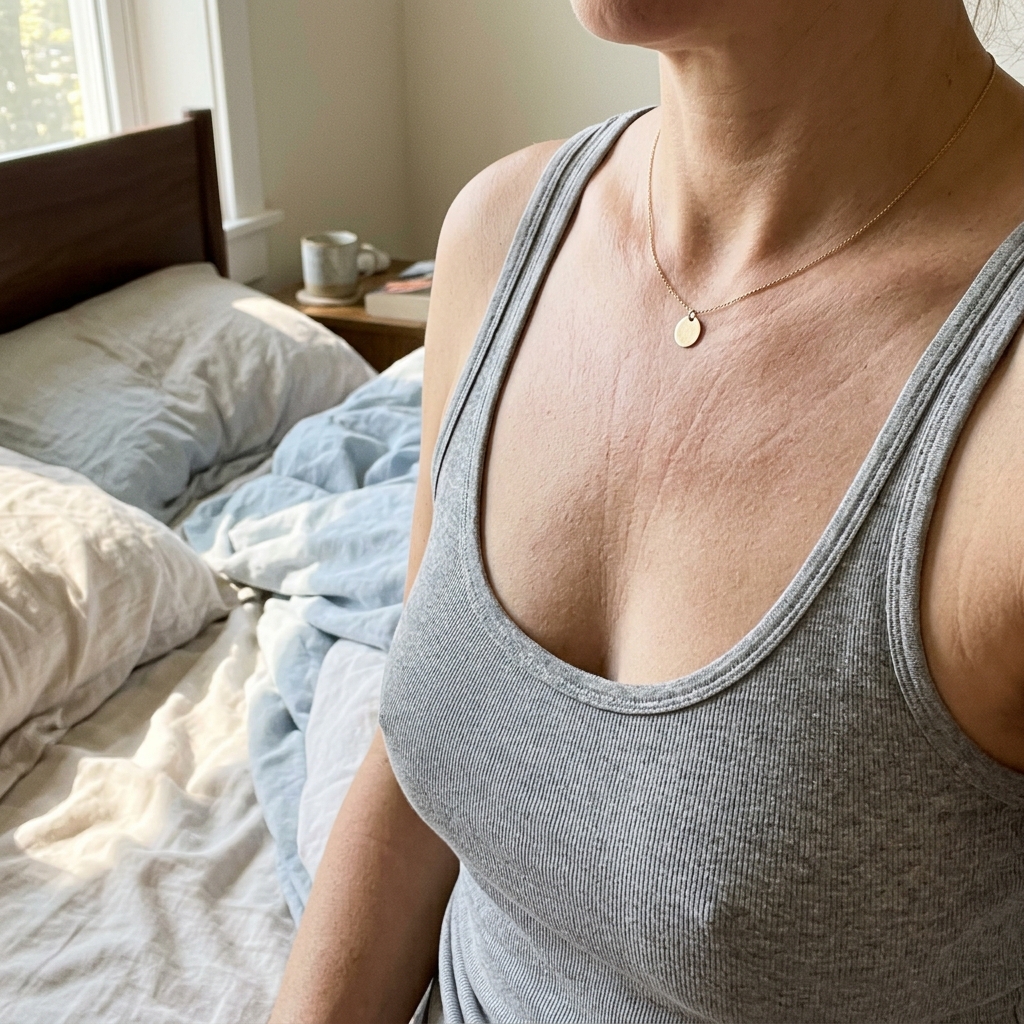
Learn about the causes of chest wrinkles—from sun damage to sleep positions—and explore science-backed treatments like retinoids and laser therapy.
Read article →
Discover the most effective ways to treat vertical lip wrinkles and smokers' lines using clinical evidence, focusing on collagen recovery and barrier health.
Read article →
Face redness explained: learn what causes facial flushing, rosacea, and persistent erythema — plus the clinically proven ingredients that calm it.
Read article →
Hooded eyes develop as eyelid skin loses collagen and elasticity. Learn what causes sagging eyelids and the proven ways to firm them without surgery.
Read article →
Learn how to shrink pores with proven ingredients like retinol, niacinamide, and salicylic acid. Science-backed strategies for visibly smaller pores.
Read article →
Broken capillaries on face (telangiectasia) are caused by UV damage, aging, and rosacea. Learn what triggers them and which treatments dermatologists recommend.
Read article →
Neck lines reflect UV exposure, collagen loss, anatomy, and repeated motion. Compare retinoids, moisturizers, resurfacing, devices, and injectable treatments.
Read article →
Vitamin K for skin reduces dark circles, bruising, and spider veins. Learn the clinical evidence behind topical phytonadione and how it complements retinol.
Read article → 